
Discover how stress reduction and mindfulness can transform your daily life. Learn simple techniques, benefits, and how Mindfulness Meditation Hub can support your journey toward lasting inner peace.
Overview: What You Will Learn in This Blog Post
In today’s fast-paced world, stress has become an unavoidable companion. But there’s a scientifically backed way to manage it—mindfulness. This blog will explore the relationship between stress reduction and mindfulness, explaining how mindfulness works, its mental and physical benefits, and practical ways to incorporate it into your life.
By the end of this article, readers will understand:
- What mindfulness truly means
- How it supports stress reduction
- The science behind the benefits
- Easy mindfulness techniques for daily life
- How Mindfulness Meditation Hub can guide and support your mindfulness journey
Let’s get started.
What is Mindfulness?
Mindfulness is the practice of being fully present and aware of your thoughts, emotions, and surroundings—without judgment. It’s about tuning into the moment rather than dwelling on the past or worrying about the future.
The beauty of mindfulness is its simplicity and accessibility. You don’t need fancy equipment or hours of training. All you need is intention and a few minutes each day.

Understanding Stress and Its Impact
Before exploring stress reduction and mindfulness techniques, it’s essential to understand what stress is.
Stress is your body’s natural reaction to a challenge or demand. While a small amount of stress can motivate you, chronic stress can:
- Weaken your immune system
- Disrupt sleep
- Elevate blood pressure
- Lead to anxiety or depression
- Reduce productivity and joy
That’s where mindfulness comes in as a natural and effective solution.
The Science Behind Stress Reduction and Mindfulness
Numerous scientific studies have shown that mindfulness significantly lowers stress levels. Here’s how it works:
How Mindfulness Reduces Stress:
- Regulates the amygdala: Mindfulness meditation helps reduce activity in the amygdala, the brain’s stress center.
- Enhances emotional regulation: Practicing mindfulness strengthens your prefrontal cortex, allowing better control over emotional responses.
- Lowers cortisol levels: Mindfulness has been shown to reduce cortisol production, the stress hormone.
Benefits of Stress Reduction Through Mindfulness
Practicing mindfulness consistently can lead to a range of benefits:
Mental and Emotional Benefits:
- Reduces anxiety and depression
- Improves mood and emotional resilience
- Increases focus and clarity
- Enhances self-awareness
Physical Benefits:
Lifestyle Improvements:
- Better relationships
- Improved work-life balance
- Enhanced creativity and decision-making
- Greater satisfaction in daily life
Simple Mindfulness Techniques to Reduce Stress
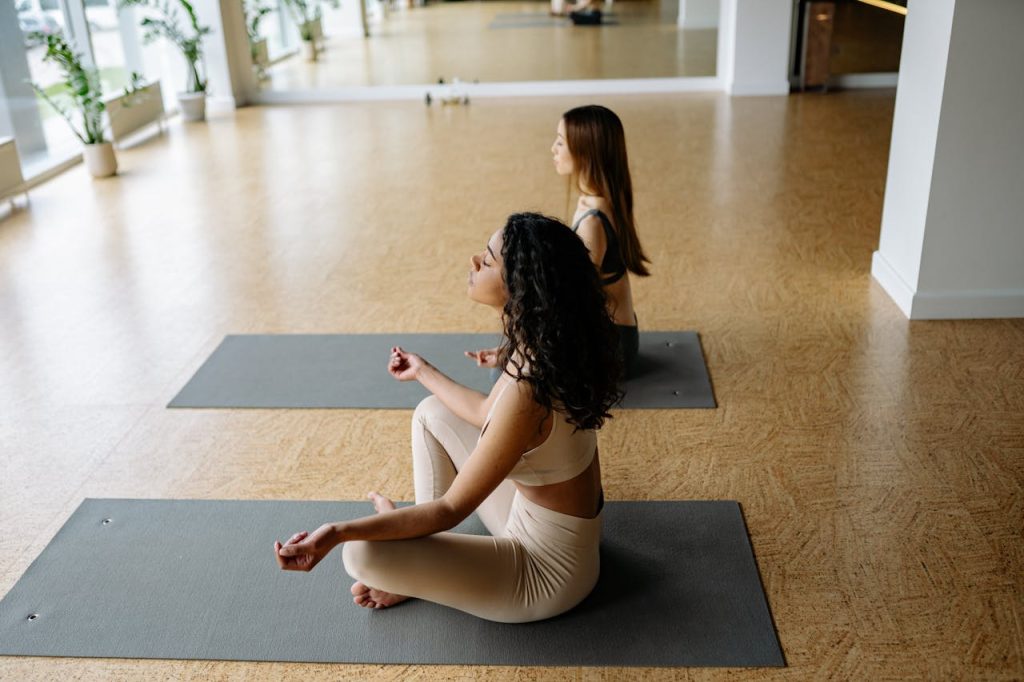
Incorporating mindfulness into your daily life doesn’t have to be overwhelming. Here are practical techniques you can start using today:
1. Mindful Breathing
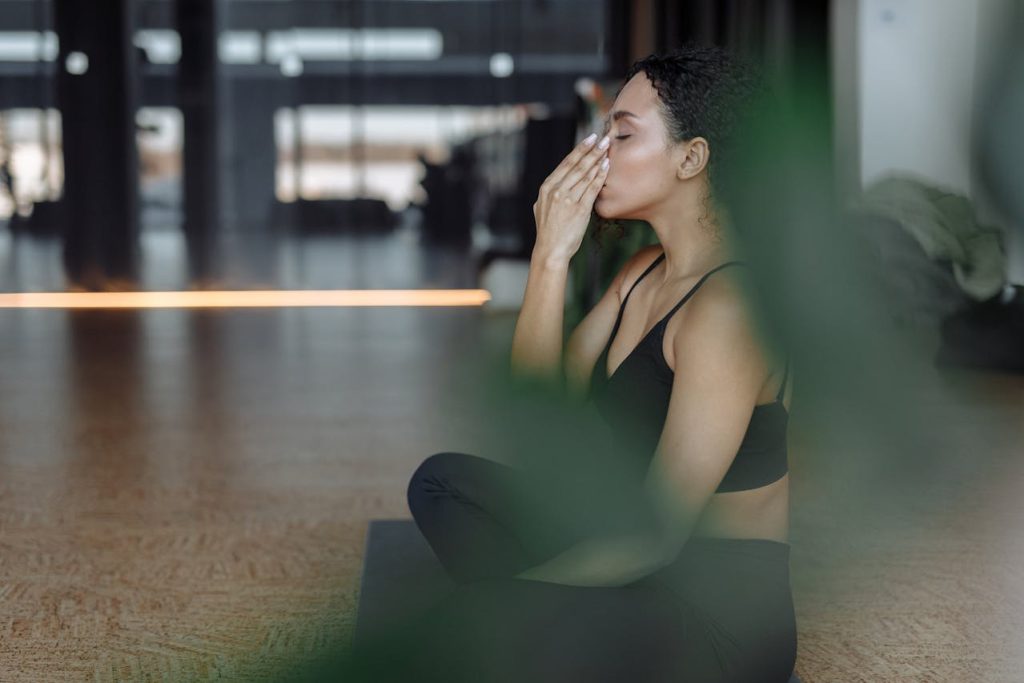
Focus on your breath for just 5 minutes. Inhale slowly… exhale fully. Let your breath anchor you in the present.
2. Body Scan Meditation
Start from the top of your head and mentally scan your body down to your toes, noticing any tension without trying to change it.
3. Mindful Walking
Turn a walk into meditation. Feel each step, the wind on your skin, and the rhythm of your body.
4. Gratitude Journaling
Write down three things you’re grateful for daily. Shifting your focus helps break stress cycles.
5. Guided Meditation
Use a voice-guided session (like the ones we offer at Mindfulness Meditation Hub) to stay focused and grounded.
How Mindfulness Meditation Hub Can Support Your Journey
At Mindfulness Meditation Hub, we understand the powerful connection between stress reduction and mindfulness. That’s why we’ve created a safe, accessible, and nurturing space for individuals to explore mindfulness at their own pace.
What We Offer:
- Guided meditation audio sessions for beginners and advanced practitioners
- Mindfulness courses tailored to stress relief and emotional regulation
- Breathing exercises for calming the nervous system
- Weekly blog posts and articles (like this one!) with science-backed advice
- A supportive community for sharing and growth
Whether you’re struggling with stress, burnout, anxiety, or simply want more peace in your day, we’re here to help.
Real-Life Tips for Building a Mindfulness Routine
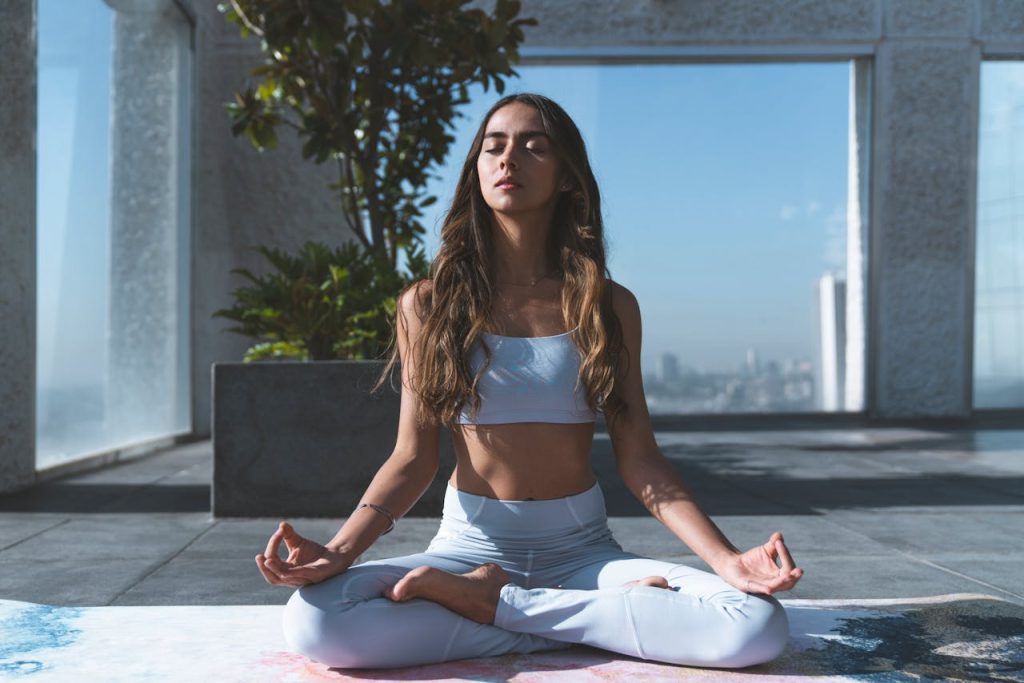
Consistency is key when using mindfulness to manage stress. Here’s how to make it part of your daily life:
Tips to Stay Consistent:
- Set a daily reminder to meditate for 5–10 minutes
- Start your day with deep breaths before touching your phone
- Add mindfulness to activities like eating, brushing teeth, or commuting
- Use apps or resources from Mindfulness Meditation Hub to stay on track
- Join a virtual mindfulness group for accountability and support
Who Can Benefit from Mindfulness?
Everyone—regardless of age, profession, or background—can benefit from stress reduction and mindfulness.
Whether you’re:
- A student feeling academic pressure
- A working professional juggling deadlines
- A parent balancing home and kids
- A retiree seeking peace of mind
- Mindfulness can be the missing tool in your mental wellness toolbox.
Final Thoughts: Stress Doesn’t Have to Rule Your Life
Life will always come with challenges, but your response can be transformed. Mindfulness is a timeless, evidence-based approach to stress reduction, and you don’t have to do it alone.
At Mindfulness Meditation Hub, we’re honored to walk this journey with you. Start small, stay consistent, and allow the power of the present moment to restore your inner calm.