
![{ "@context": "https://schema.org", "@graph": [ { "@type": "Article", "@id": "YOUR-BLOG-URL#article", "mainEntityOfPage": { "@type": "WebPage", "@id": "YOUR-BLOG-URL" }, "headline": "Boredom Meditation: Find Calm & Focus", "description": "Discover how boredom meditation can transform restless moments into calm, focus, and self-awareness with simple mindfulness techniques.", "image": { "@type": "ImageObject", "url": "YOUR-FEATURED-IMAGE-URL" }, "author": { "@type": "Organization", "name": "Mindfulness Meditation Hub", "url": "https://mindfulnessmeditationhub.com/" }, "publisher": { "@type": "Organization", "name": "Mindfulness Meditation Hub", "url": "https://mindfulnessmeditationhub.com/", "logo": { "@type": "ImageObject", "url": "YOUR-LOGO-URL" } }, "datePublished": "2026-08-29", "dateModified": "2026-08-29", "articleSection": "Meditation", "keywords": [ "boredom meditation", "meditation for boredom", "mindfulness meditation", "meditation for beginners", "mindfulness practice", "present moment awareness", "meditation techniques" ], "inLanguage": "en-US" }, { "@type": "FAQPage", "@id": "YOUR-BLOG-URL#faq", "mainEntity": [ { "@type": "Question", "name": "What is boredom meditation?", "acceptedAnswer": { "@type": "Answer", "text": "Boredom meditation is a mindfulness practice where you observe the experience of boredom, including thoughts, emotions, physical sensations, and urges, rather than immediately trying to distract yourself." } }, { "@type": "Question", "name": "Can meditation help with boredom?", "acceptedAnswer": { "@type": "Answer", "text": "Meditation can help you become more aware of boredom and your automatic reactions to it. Instead of immediately seeking stimulation, you can learn to observe the experience with curiosity and greater awareness." } }, { "@type": "Question", "name": "How long should I meditate when I feel bored?", "acceptedAnswer": { "@type": "Answer", "text": "Beginners can start with five to ten minutes. The goal is to practice consistently rather than meditate for a long period of time." } }, { "@type": "Question", "name": "What should I focus on during meditation?", "acceptedAnswer": { "@type": "Answer", "text": "You can focus on](https://mindfulnessmeditationhub.com/wp-content/uploads/2025/04/pexels-yankrukov-8436943-1024x682.jpg)
Discover effective tips for gratitude that can improve your mental health, relationships, and overall happiness. Learn practical strategies to cultivate a grateful mindset every day.
Overview
Gratitude is more than just saying “thank you.” It’s a powerful mindset that can improve your mental well-being, strengthen relationships, and increase life satisfaction. In this blog post, you will learn practical tips for gratitude that can be easily integrated into your daily routine. We’ll cover why gratitude matters, simple exercises to practice it, and how to make it a sustainable habit. By the end, you’ll have actionable steps to transform your perspective and embrace positivity in your life.
Why Practicing Gratitude Matters
Gratitude is linked to improved mental and physical health. Scientific studies show that people who practice gratitude regularly experience:
- Increased happiness and life satisfaction
- Reduced stress and anxiety levels
- Better sleep quality
- Stronger personal relationships
- Enhanced resilience during challenging times
Understanding the benefits of gratitude sets the foundation for adopting it as a daily practice. Incorporating tips for gratitude into your lifestyle is not just about feeling good; it’s about creating long-term positive change.
10 Practical Tips for Gratitude
Here are ten effective and actionable tips for gratitude to help you cultivate a thankful mindset in your everyday life:
1. Keep a Gratitude Journal
Writing down things you are grateful for is one of the simplest yet most effective ways to practice gratitude. Try to list at least three things daily. They can be as simple as:
- A warm cup of coffee in the morning
- A smile from a stranger
- Support from a friend or family member
This habit trains your brain to focus on positivity rather than negativity.
2. Express Gratitude to Others
Saying “thank you” or expressing appreciation strengthens relationships and promotes positive feelings. You can:
- Send a thoughtful text to someone who made your day better.
- Write a handwritten note for someone who supported you.
- Compliment coworkers or family members sincerely.
Directly expressing gratitude amplifies its benefits, both for you and the recipient.
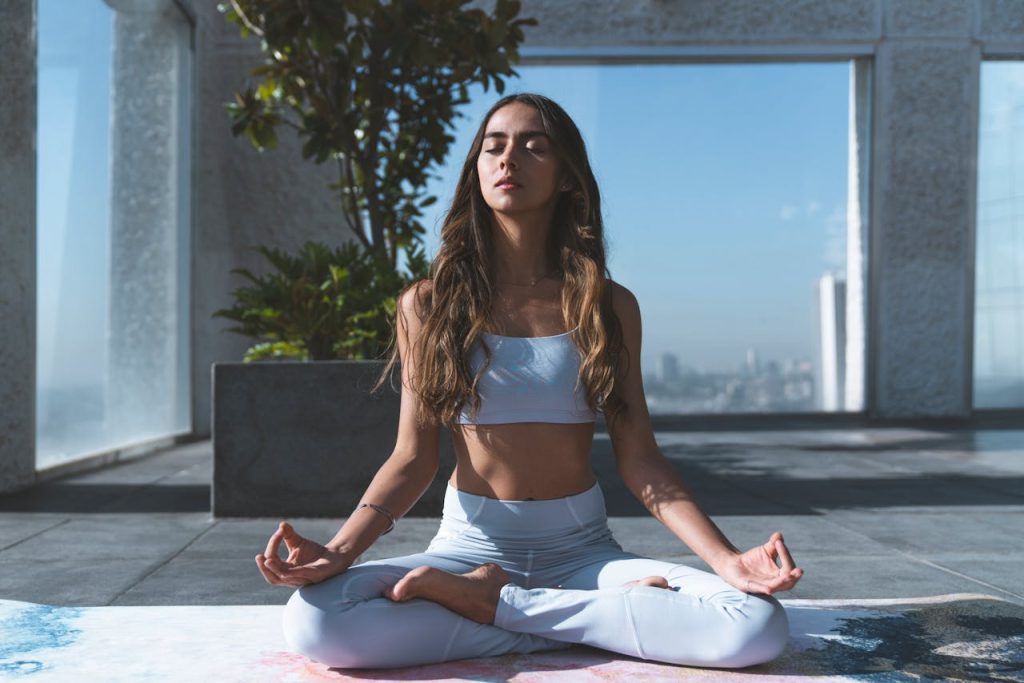
3. Practice Mindful Gratitude
Mindfulness and gratitude go hand in hand. Spend a few minutes each day reflecting on moments you are thankful for. Try:
- Sitting quietly and noticing the little joys of your day
- Observing the natural beauty around you
- Focusing on your breath while appreciating your current life situation
Mindful gratitude encourages present-moment awareness and reduces negative thinking.
4. Use Gratitude Prompts
If you struggle to identify things to be grateful for, prompts can help. Ask yourself:
- “What made me smile today? ”
- “Who positively impacted my life this week? ”
- “What challenges taught me valuable lessons? ”
Answering these questions regularly fosters a grateful perspective and strengthens your mental resilience.
5. Create a Gratitude Jar
A fun and visual way to practice gratitude is by using a jar. Write down things you are thankful for on small notes and add them to the jar. Benefits include:
- Seeing a physical reminder of your blessings
- Sharing your notes with family or friends
- Revisiting the jar during tough times for a positive boost
6. Focus on What You Have, Not What You Lack
A common obstacle to gratitude is comparison. Instead of dwelling on what you don’t have, focus on appreciating what you do. Tips include:
- Listing daily achievements, big or small
- Celebrating progress, not perfection
- Avoiding excessive social media comparison
This mindset shift is a cornerstone of consistent gratitude practice.
7. Incorporate Gratitude into Daily Routines
You can integrate gratitude naturally into your day-to-day life. Examples include:
- Reflecting on things you’re grateful for during morning coffee
- Saying thanks before meals
- Practicing gratitude before bed by recalling positive moments
Consistency is key—small actions add up to lasting results.
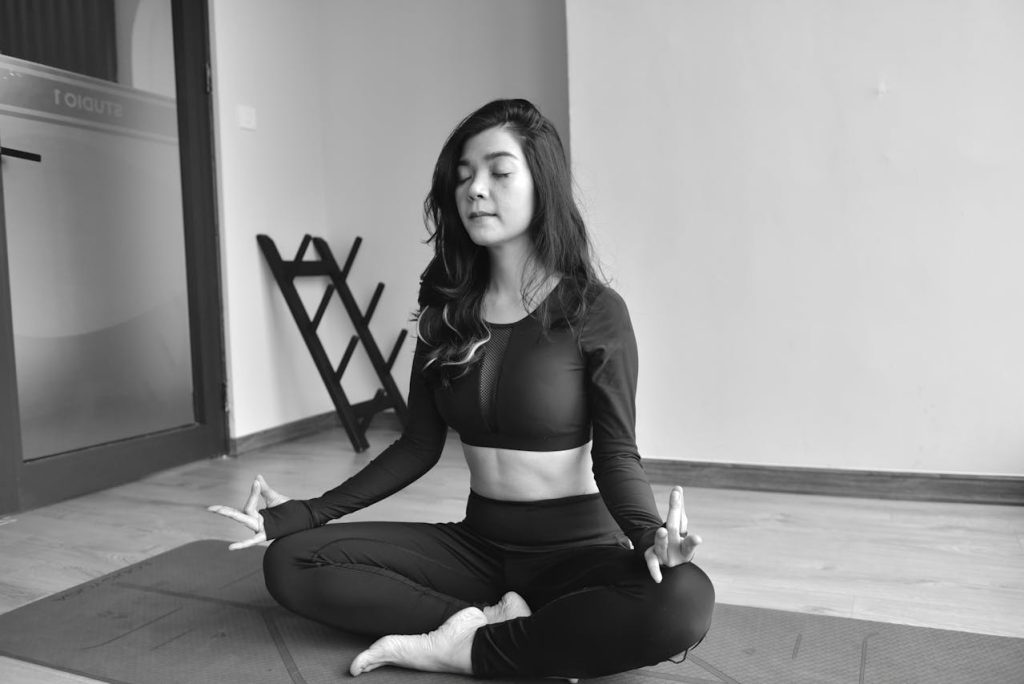
8. Practice Gratitude Through Meditation
Gratitude meditation is a powerful way to connect with your inner self. Techniques include:
- Visualizing people, experiences, or things you appreciate
- Repeating affirmations like “I am thankful for the abundance in my life”
- Focusing on feelings of warmth and appreciation during meditation
Regular meditation enhances emotional stability and amplifies the effects of gratitude.
9. Volunteer and Give Back
Helping others naturally cultivates gratitude. By seeing the positive impact of your actions, you become more aware of your own blessings. Ideas:
- Volunteer at local charities or community centers
- Donate time or resources to those in need
- Participate in mentorship or coaching programs
Giving back reinforces the value of what you already have.
10. Reflect on Challenges and Lessons Learned
Gratitude isn’t only about celebrating positives—it’s also about recognizing growth from difficulties. Reflection tips:
- Identify challenges you overcame and lessons learned
- Acknowledge personal growth and resilience
- Write about past experiences that shaped your character.
By appreciating challenges, you cultivate a deeper, more authentic gratitude.
How to Make Gratitude a Habit
Adopting gratitude as a daily habit requires intention and practice. Here’s how to make it stick:
- Set a reminder: Use alarms or phone notifications to prompt gratitude exercises.
- Pair it with existing routines: Link gratitude with habits like brushing your teeth or morning coffee.
- Track your progress: Journals or apps help you see your consistent effort and growth.
- Celebrate small wins: Reward yourself for maintaining regular gratitude practice.
Over time, these small, deliberate actions transform gratitude from an occasional thought into a core mindset.
The Benefits of a Grateful Life
Practicing gratitude consistently can lead to:
- Improved mood and mental health
- Stronger and more meaningful relationships
- Enhanced resilience against stress and setbacks
- Greater satisfaction in personal and professional life
- Increased optimism and life fulfillment
By following these tips for gratitude, you create a ripple effect of positivity that touches every aspect of your life.
Final Thoughts
Gratitude is a skill that anyone can develop, and it starts with small, intentional actions. From keeping a journal to volunteering, each step reinforces appreciation and mindfulness. By consistently practicing these tips for gratitude, you not only improve your mental well-being but also create a more fulfilling and joyful life.
Start today—choose one or two tips from this list and gradually integrate them into your daily routine. With patience and consistency, gratitude can transform the way you experience the world.
FAQs for Tips for Gratitude
What are simple tips for gratitude I can practice daily?
Some simple tips for gratitude include keeping a gratitude journal, expressing appreciation to others, practicing mindfulness, reflecting on challenges, and writing down at least three things you’re thankful for each day. Consistency is key.
How can I start a gratitude journal?
Start a gratitude journal by setting aside a few minutes daily to write down things you are thankful for. Focus on small, meaningful moments, and try to list at least three things each day. This helps train your mind to notice positivity.
Can gratitude improve mental health?
Yes! Practicing gratitude regularly has been linked to reduced stress and anxiety, improved mood, better sleep, and increased overall happiness. Using tips for gratitude daily can significantly enhance your mental well-being.
How do I express gratitude to others?
You can express gratitude by saying “thank you,” sending thoughtful messages, writing notes, or verbally acknowledging someone’s positive impact. Regularly expressing gratitude strengthens relationships and fosters a positive environment.
Is mindfulness connected to gratitude?
Absolutely. Mindful gratitude involves being present and appreciating what you have in the moment. Techniques include meditation, breathing exercises, and reflecting on daily experiences to cultivate a grateful mindset.
What are gratitude prompts, and how do I use them?
Gratitude prompts are questions that help you reflect on things you appreciate. Examples include “What made me smile today?” or “Who positively impacted my life this week?” Use them in journaling or reflection to enhance your gratitude practice.
How does volunteering enhance gratitude?
Volunteering allows you to give back and see the positive impact of your actions. By helping others, you become more aware of your own blessings, which naturally strengthens feelings of gratitude.
How can I make gratitude a daily habit?
Make gratitude a habit by pairing it with existing routines, setting reminders, keeping a journal, reflecting before bed, and celebrating small wins. Consistent practice helps gratitude become a natural part of your life.
Can gratitude help me overcome challenges?
Yes. Reflecting on challenges with a gratitude mindset allows you to focus on lessons learned and personal growth. Recognizing what you’ve overcome encourages resilience and a more positive outlook.
What is a gratitude jar, and how does it work?
A gratitude jar is a container where you write down things you’re thankful for on small notes and add them to the jar. Over time, it creates a visual reminder of positivity and can be revisited during tough times for encouragement.
How do gratitude meditations work?
Gratitude meditations involve focusing on feelings of thankfulness for people, experiences, or personal achievements. You can use visualization, affirmations, and mindful breathing to strengthen appreciation and emotional balance.
Can gratitude improve my relationships?
Yes! Expressing gratitude strengthens bonds, fosters trust, and enhances communication. People feel valued when their contributions are acknowledged, making relationships deeper and more meaningful.
How long does it take to see benefits from gratitude practice?
Many people notice improvements in mood, perspective, and relationships within a few weeks of consistent practice. Long-term benefits, such as reduced stress and increased resilience, develop over months of regular gratitude exercises.
Are there any tools or apps to help practice gratitude?
Yes! Apps like “Gratitude Journal,” “Reflectly,” or “Daylio” can help track gratitude daily. They provide prompts, reminders, and a platform to reflect consistently, making it easier to integrate gratitude into your routine.
Can gratitude improve my overall happiness?
Absolutely. Regularly practicing tips for gratitude increases awareness of positive aspects of life, boosts optimism, reduces negative thinking, and enhances overall life satisfaction, contributing to long-term happiness.