
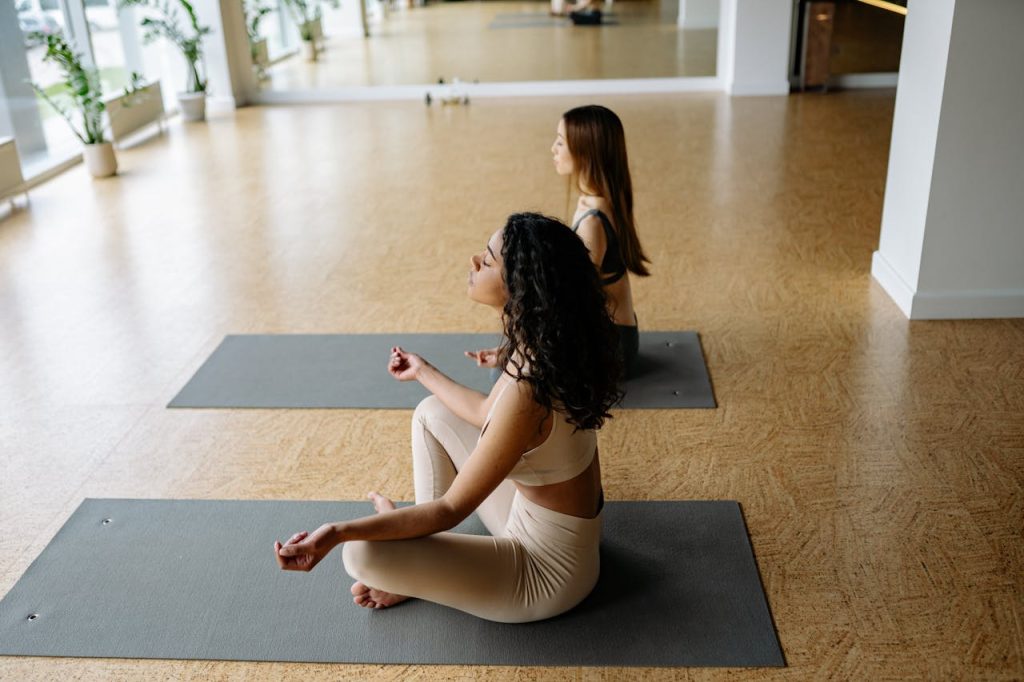
Discover what being mindful truly means, how it can transform your mental and emotional well-being, and practical ways to cultivate mindfulness in daily life. Learn how mindfulness can bring peace, focus, and clarity with guidance from Mindfulness Meditation Hub.
Overview
In today’s fast-paced world, it’s easy to get caught up in constant thinking, worrying, or multitasking. Mindfulness is the antidote—a way to pause, breathe, and reconnect with the present moment. In this blog post, you’ll learn what being mindful means, why it’s important, and how you can start integrating mindfulness into your everyday life.
Readers will discover:
- The true definition of mindfulness
- The science behind mindfulness and mental well-being
- The key benefits of living mindfully
- Simple mindfulness practices for beginners
- How Mindfulness Meditation Hub can help you start your mindfulness journey
Let’s dive deeper into what it truly means to live mindfully.
What Does Being Mindful Mean?
So, what does being mindful mean in simple terms? Being mindful means paying full attention to the present moment—without judgment, distraction, or overthinking. It’s about noticing what’s happening right now—your thoughts, emotions, sensations, and surroundings—with curiosity and acceptance.
Instead of living on “autopilot,” mindfulness helps you become aware of your experiences as they unfold. It’s not about controlling your thoughts, but rather about observing them with compassion and understanding.
When you practice mindfulness, you develop a deeper connection with yourself and the world around you. This connection allows you to respond to life’s challenges with calmness instead of reacting impulsively.
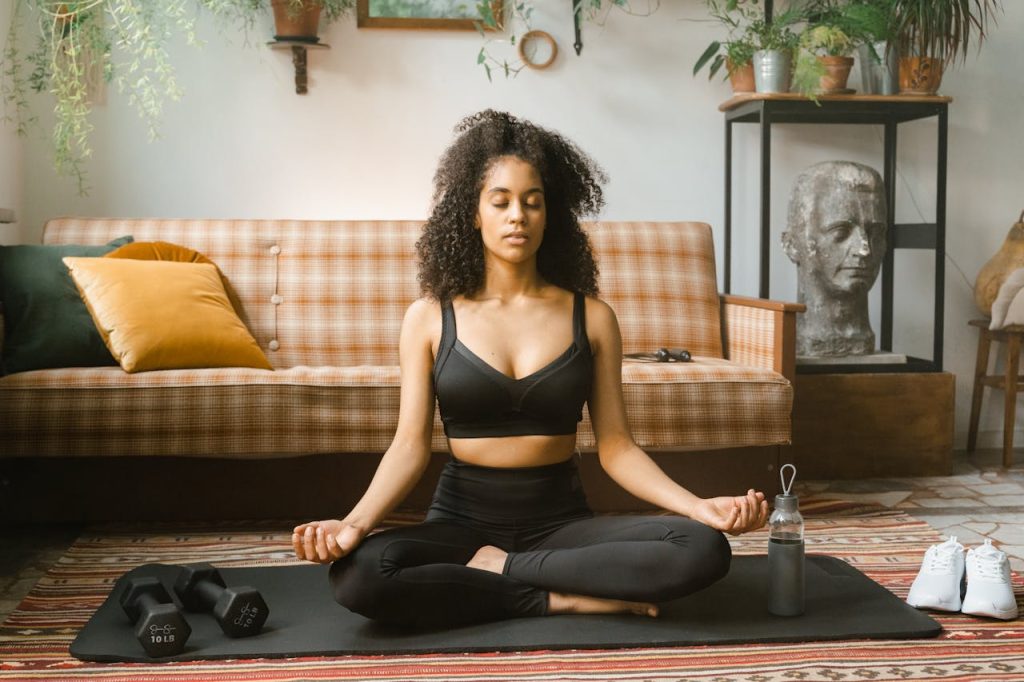
Mindfulness Is About Awareness
At its core, mindfulness is awareness of the present—your breathing, feelings, body, and mind. For example:
- When eating, you taste and savor every bite.
- When walking, you feel each step on the ground.
- When listening, you give your full attention to the person speaking.
This moment-by-moment awareness helps you live more fully and peacefully.
The Science Behind Mindfulness
Modern science has extensively studied the effects of mindfulness on mental and physical health. Research from institutions like Harvard and UCLA shows that mindfulness can reduce stress, improve focus, and enhance emotional resilience.
Mindfulness Meditation strengthens the prefrontal cortex—the part of the brain responsible for decision-making, empathy, and self-control. Regular practice has been linked to:
- Lower cortisol (stress hormone) levels
- Improved memory and attention
- Better emotional regulation
- Enhanced overall happiness and life satisfaction
In essence, mindfulness reshapes your brain to support a more peaceful and balanced lifestyle.
Why Is Being Mindful Important?
Understanding what being mindful means goes hand in hand with knowing why it’s essential. Mindfulness allows you to slow down and engage with life intentionally rather than reactively.
Key Benefits of Being Mindful:
- Reduced Stress: Mindfulness helps calm the nervous system, reducing anxiety and tension.
- Better Focus: It enhances concentration and helps you stay productive.
- Emotional Balance: Being mindful teaches you to respond thoughtfully instead of reacting emotionally.
- Improved Relationships: When you’re fully present, communication becomes more meaningful.
- Enhanced Well-being: Mindfulness cultivates gratitude, joy, and peace of mind.
By practicing mindfulness, you create space between your thoughts and actions, allowing you to make better choices aligned with your true self.
Simple Ways to Practice Mindfulness Every Day
You don’t need hours of meditation to become mindful. Start with small steps that fit naturally into your routine. Here are simple yet powerful ways to bring mindfulness into your day:
1. Mindful Breathing
Focus on your breath for a few minutes. Notice how the air enters and leaves your body. Whenever your mind wanders, gently return to your breath.
2. Mindful Eating
Eat slowly. Appreciate the flavors, textures, and aroma of your food. Avoid distractions like TV or your phone while eating.
3. Mindful Walking
Take a short walk outside. Pay attention to the feeling of your feet touching the ground and the rhythm of your steps.
4. Mindful Listening
When talking with someone, listen fully without interrupting or planning your response. Just be present with what they’re saying.
5. Body Scan Meditation
Close your eyes and bring awareness to different parts of your body. Notice areas of tension and allow them to relax.
6. Gratitude Journaling
Write down three things you’re grateful for each day. This practice increases positivity and shifts your focus to what truly matters.
By consistently practicing these habits, you’ll begin to understand what being mindful means on a deeper level—and how it can transform your perspective on life.
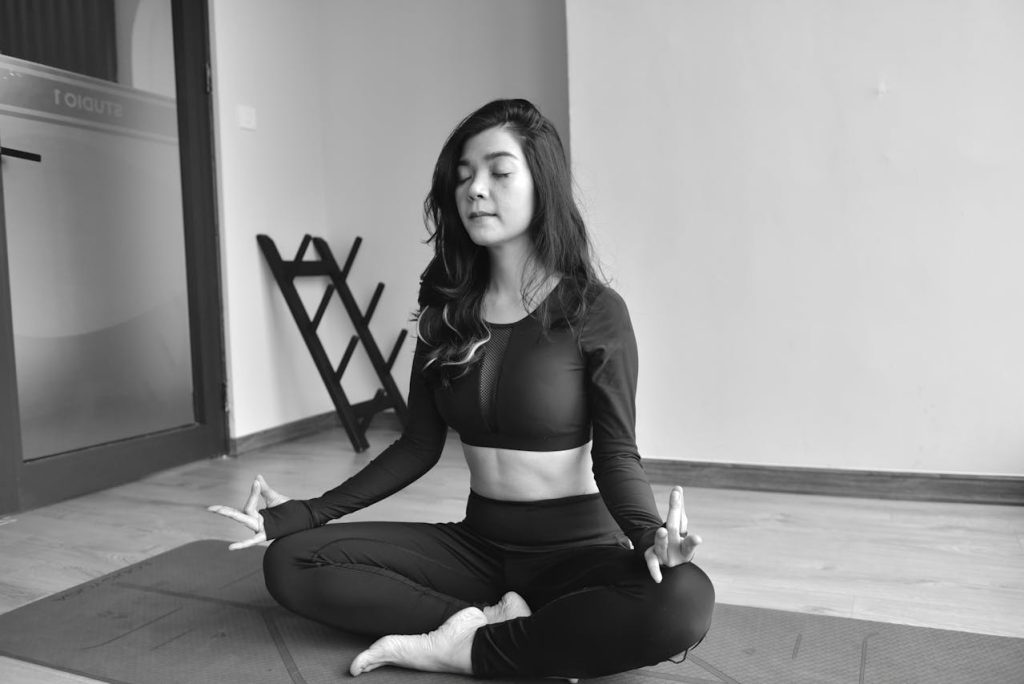
Mindfulness in Modern Life
With busy schedules, constant notifications, and information overload, staying present can feel challenging. But mindfulness helps counterbalance this chaos by teaching you to pause and breathe.
You can incorporate mindfulness into:
- Work: Take short breaks to refocus your mind.
- Home life: Practice mindfulness while cooking, cleaning, or spending time with family.
- Commuting: Use travel time as a chance to observe your surroundings rather than rushing mentally.
Even brief moments of mindfulness can make a big difference in how you feel throughout the day.
How Mindfulness Improves Emotional Health
Being mindful helps you understand and manage your emotions better. Instead of being overwhelmed by anger, sadness, or stress, mindfulness allows you to observe emotions as temporary experiences.
Over time, this builds emotional intelligence—the ability to recognize, understand, and manage your feelings and the feelings of others. Mindfulness also encourages self-compassion, which reduces self-criticism and promotes healing.
When you ask, “What does being mindful mean?”, remember—it’s not about perfection. It’s about presence, patience, and kindness toward yourself and others.
How Mindfulness Meditation Hub Can Help You
At Mindfulness Meditation Hub, we specialize in guiding individuals toward a more mindful and peaceful life. Our platform offers:
- Guided Meditations: Designed for stress relief, focus, and relaxation.
- Mindfulness Resources: Articles, breathing exercises, and practical tips.
- Support for All Levels: Whether you’re a beginner or an experienced meditator, our sessions cater to your unique journey.
Our mission is to make mindfulness simple, accessible, and transformative for everyone.
By joining our community, you’ll gain access to mindfulness tools that empower you to live with clarity, balance, and joy.
Final Thoughts: Embrace the Power of Mindfulness
Understanding what being mindful means is the first step toward a more intentional and peaceful life. Mindfulness teaches you to slow down, appreciate each moment, and respond to life with awareness rather than impulse.
Through consistent practice, you’ll notice improvements in your mood, focus, and overall well-being.
At Mindfulness Meditation Hub, we’re here to support you every step of the way with guided meditations and mindfulness tools that nurture your mind and soul.
Start your mindfulness journey today—one breath, one moment, and one awareness at a time.
FAQs for What Does Being Mindful Mean
What does being mindful mean?
Being mindful means paying full attention to the present moment without judgment. It involves observing your thoughts, feelings, and surroundings with curiosity and acceptance.
How do I start being mindful?
Start with small practices like mindful breathing, mindful eating, or short guided meditations. Focus on observing your present moment experiences without trying to change them.
What are the benefits of mindfulness?
Mindfulness reduces stress, improves focus, enhances emotional regulation, boosts mental clarity, strengthens relationships, and promotes overall well-being.
Can mindfulness help with stress?
Yes, mindfulness helps calm the nervous system, lowers cortisol levels, and encourages relaxation, which reduces stress and anxiety.
How long should I practice mindfulness daily?
Even 5–10 minutes a day can make a difference. Gradually, you can extend your practice to 20–30 minutes or more based on your schedule and comfort level.
Is mindfulness meditation different from regular meditation?
Mindfulness meditation specifically focuses on present-moment awareness, while other types of meditation may focus on visualization, chanting, or concentration techniques.
Can mindfulness improve emotional health?
Yes, mindfulness increases emotional intelligence, helps manage negative emotions, and encourages self-compassion, leading to better emotional well-being.
How can I practice mindfulness at work?
Take short breaks to focus on your breathing, observe your surroundings, or do a brief body scan to reset your mind and improve focus and productivity.
What are simple mindfulness exercises for beginners?
Simple exercises include mindful breathing, mindful walking, mindful eating, body scan meditation, and gratitude journaling.
Can children practice mindfulness?
Absolutely. Simple practices like deep breathing, guided imagery, and mindful listening are effective for children and help improve focus and emotional regulation.
How does mindfulness affect relationships?
Mindfulness improves communication and empathy by helping you be fully present when interacting with others, leading to stronger, healthier relationships.
Is mindfulness a religious practice?
No, mindfulness is a secular practice focused on awareness and presence. While it has roots in Buddhist traditions, anyone can practice it regardless of religion.
How long does it take to notice mindfulness benefits?
Many people notice improvements in stress levels and focus within a few weeks of consistent practice, though long-term benefits grow over months of regular mindfulness practice.
Can mindfulness improve sleep?
Yes, mindfulness reduces racing thoughts, lowers stress, and encourages relaxation, which can improve sleep quality and help with insomnia.
How can Mindfulness Meditation Hub help me practice mindfulness?
Mindfulness Meditation Hub provides guided meditations, practical exercises, and educational resources to help beginners and experienced practitioners cultivate mindfulness in daily life.