
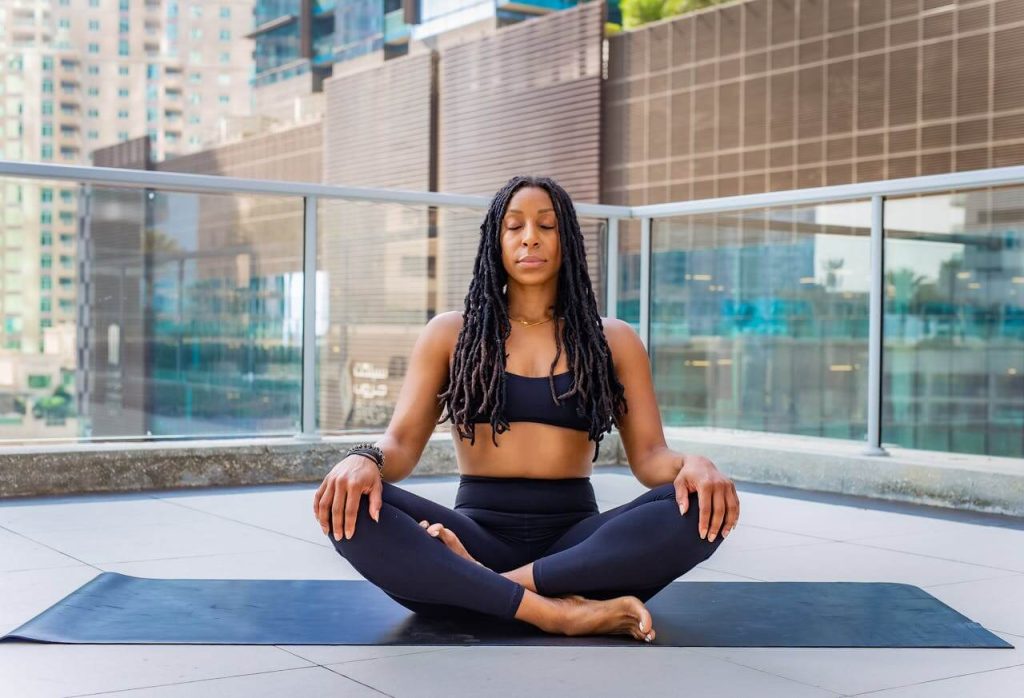
Discover what mindfulness is and how this life-changing practice reduces stress, enhances clarity, and improves emotional well-being. Learn benefits, techniques, and how our mindfulness services can support your healing journey.
Overview
In this in-depth guide, you’ll learn:
- What being mindful truly means
- The difference between mindfulness and meditation
- The science-backed benefits of practicing mindfulness
- How mindfulness helps with stress, anxiety, and emotional regulation
- Simple techniques to begin practicing mindfulness daily
- Why guided mindfulness sessions—like the ones we offer—help deepen your practice
- How to integrate mindfulness into your lifestyle for long-term transformation
By the end, you will understand what mindfulness is on a practical and spiritual level—and how it can completely transform your well-being.
What Is Being Mindful? A Complete Guide to Present-Moment Awareness
In a world full of distractions, pressures, and rapid transitions, more people are asking the important question: what is mindfulness?
At its core, being mindful means bringing your full attention to the present moment—without judgment, resistance, or expectation. It is the practice of noticing what is happening inside you and around you, with clarity and compassion.
Mindfulness is not just a relaxation technique. It is a life skill, a state of awareness, and for many, a pathway to inner peace.
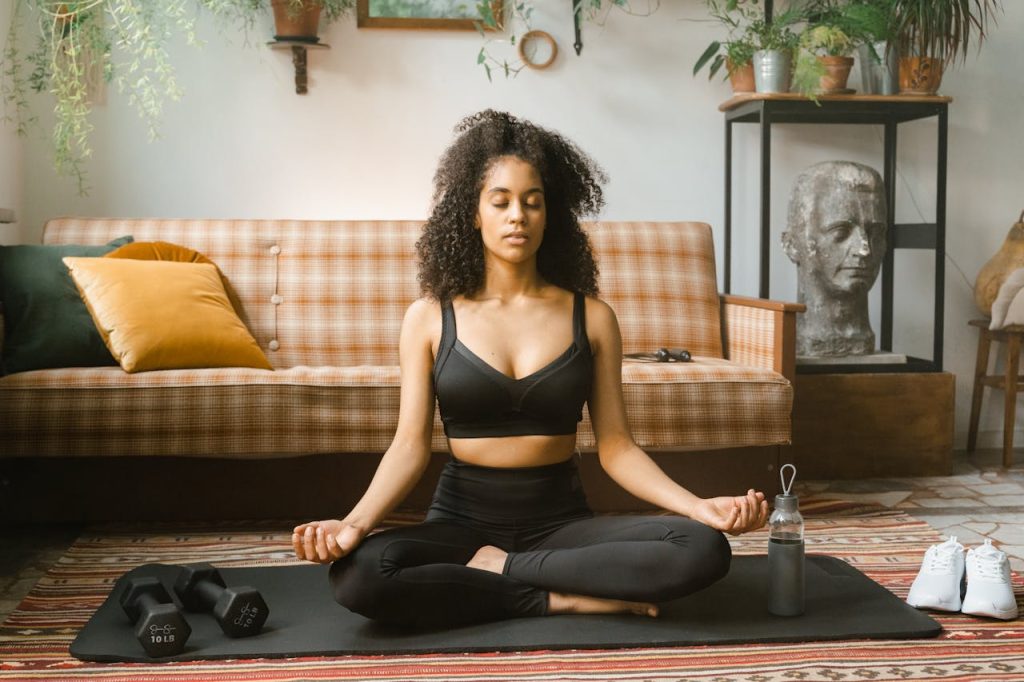
Understanding What Being Mindful Really Means
To truly understand what mindfulness is, imagine this scenario:
You wake up, immediately grab your phone, scroll through notifications, rush through your morning routine, and before you know it, your day feels chaotic.
Mindfulness is the opposite of that experience.
Being mindful means:
- Noticing your breath the moment you wake up
- Observing your thoughts instead of reacting to them
- Grounding your senses in the present moment
- Responding rather than emotionally reacting
- Feeling connected to your body and surroundings
When you learn what mindfulness is, you learn how to move through life with more ease, clarity, and emotional stability.
Mindfulness vs. Meditation: What’s the Difference?
Many people confuse mindfulness with meditation, but understanding the distinction is essential when exploring what being mindful is.
Mindfulness
A state of present-moment awareness that you can practice anytime—while eating, walking, speaking, or working.
Meditation
A more structured practice, usually done sitting or lying down, to train the mind and deepen awareness.
Mindfulness is the skill. Meditation is one tool used to develop it.
When you integrate both, you become more grounded, calm, and emotionally resilient.
Why Understanding What Mindfulness Is Matters
The reason so many people want to understand what mindfulness is is simple:
It offers a way to break free from stress, overthinking, and emotional overwhelm.
Science shows that mindfulness can:
- Reduce stress levels significantly
- Improve focus and concentration
- Lower anxiety and depressive symptoms
- Strengthen emotional regulation
- Improve sleep quality
- Enhance overall well-being
The more consistently you practice mindfulness, the more deeply you feel these benefits.
The Benefits of Being Mindful: What the Research Says
To fully understand what mindfulness is, it helps to look at the growing research behind it.
1. Emotional Balance
Mindfulness helps you become more aware of your triggers, making it easier to respond calmly rather than react impulsively.
2. Mental Clarity
By focusing on the present, your mind becomes less cluttered, which boosts decision-making and creativity.
3. Stress Reduction
Mindfulness reduces cortisol—the stress hormone—helping you feel more grounded and peaceful.
4. Better Relationships
Being mindful improves communication, empathy, and patience.
5. Physical Health Improvements
Mindfulness has been linked to reduced inflammation, improved breathing, and better heart health.
6. Spiritual Growth
For many, mindfulness opens the door to deeper inner connection, intuition, and self-awareness.
These benefits explain why so many people are asking, “What is mindfulness, and how can I begin?”
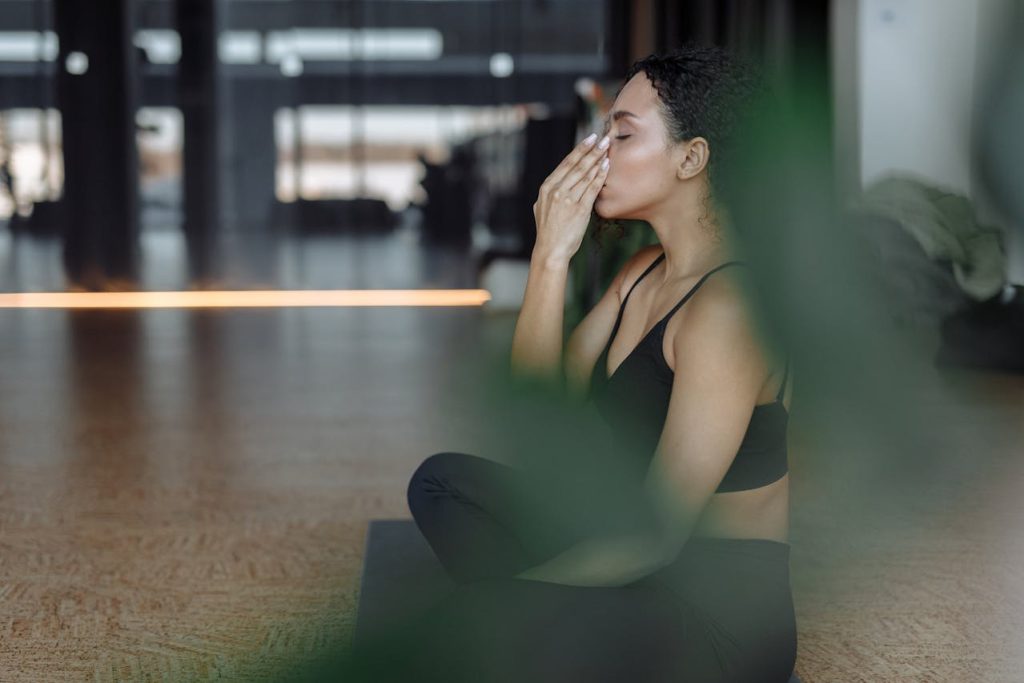
How to Practice Mindfulness Daily
Here are simple ways to experience what being mindful is like in real life—no special tools required.
1. Mindful Breathing
Take slow, deep breaths, and focus solely on the inhale and exhale.
2. Mindful Observation
Choose one object and spend 60 seconds observing it with curiosity.
3. Mindful Walking
Notice each step, the movement of your body, and your surroundings.
4. Mindful Eating
Eat slowly and consciously, noticing flavors, textures, and sensations.
5. Mindful Listening
Be fully present during conversations instead of planning your response.
These habits help integrate mindfulness naturally into your daily routine.
Guided Mindfulness: Why It Is the Easiest Way to Begin
When learning what mindfulness is, many people benefit from guided sessions, especially if they:
- Struggle with overthinking
- Have difficulty focusing
- Prefer structure and direction
- Need support developing a consistent practice
This is exactly why we offer mindfulness sessions—to help beginners and advanced practitioners deepen their presence, clarity, and emotional balance.
Our guided mindfulness practices help you:
- Release stress
- Develop calm awareness
- Strengthen intuitive connection
- Build emotional resilience
With expert guidance, mindfulness becomes easier, more effective, and more transformative.
Why Mindfulness Is More Important Than Ever
Understanding what mindfulness is helps you navigate modern-day challenges with greater ease.
We live in a fast-paced world where our minds are constantly pulled in different directions. Mindfulness brings you back to yourself—centered, grounded, and present.
Mindfulness empowers you by helping you:
- Slow down your racing thoughts.
- Release emotional tension
- Become more intentional
- Build inner peace
- Improve your overall well-being
When you are mindful, you live life more fully, not on autopilot.
How Our Mindfulness Services Support Your Journey
At our center, we offer professional mindfulness services designed to help you:
- Understand what mindfulness is on a deep level
- Build a sustainable daily practice
- Learn practical techniques that fit your lifestyle
- Develop emotional balance and inner clarity
- Experience guided meditations from expert teachers
- Transform your relationship with stress, anxiety, and overwhelm.
Whether you are new to mindfulness or seeking to enhance your practice, our sessions provide personalized support to guide you every step of the way.
Final Thoughts
Learning what mindfulness is is the first step toward building a life of clarity, presence, and emotional well-being. When you practice mindfulness daily, you reconnect with yourself and experience the world more intentionally.
Mindfulness isn’t about being perfect or clearing your mind. It’s about being aware, being present, and being compassionate with yourself.
If you’re ready to deepen your mindfulness practice, reduce stress, and enhance your inner peace, our mindfulness services are here to support your journey.
FAQs for What Is Being Mindfulness
What does being mindfulness actually mean?
Being mindfulness means staying fully present in the moment, aware of your thoughts, feelings, and surroundings without judgment. It is the practice of observing rather than reacting.
Is mindfulness the same as meditation?
No. Meditation is a structured practice, while mindfulness is a state of awareness you can apply anytime—during work, conversations, eating, or walking.
How do beginners start practicing mindfulness?
Start with simple exercises like mindful breathing, slow walking, or taking one minute to observe your surroundings without distractions.
Can mindfulness help reduce stress and anxiety?
Yes. Research shows mindfulness lowers cortisol (the stress hormone), helping you feel calmer and more emotionally grounded.
How often should I practice mindfulness?
Even 5–10 minutes a day can have powerful benefits, but the goal is to integrate mindfulness throughout your daily routine.
What are the benefits of being mindfulness?
Mindfulness improves emotional regulation, concentration, sleep, stress levels, and overall mental clarity.
Do I need special equipment to be mindful?
No. Mindfulness can be practiced anytime, anywhere, using only your breath and awareness.
Can mindfulness help with emotional healing?
Absolutely. Mindfulness teaches you to observe emotions without suppressing or resisting them, which supports healing and self-awareness.
What is mindful breathing?
Mindful breathing is focusing solely on your inhale and exhale, allowing your mind to settle and your body to relax.
Can children practice mindfulness?
Yes. Many schools and families teach mindfulness to help children improve focus, emotional balance, and stress management.
How is mindfulness used in daily life?
You can practice mindfulness while eating slowly, driving attentively, listening fully to others, or grounding yourself with deep breaths.
Does mindfulness require spiritual belief?
No. Mindfulness can be practiced by anyone, regardless of religious or spiritual background. It is a universal, science-backed practice.
How long does it take to notice results from mindfulness?
Many people feel calmer after just one session, while deeper emotional and mental benefits develop over weeks of consistent practice.
What is the difference between awareness and mindfulness?
Awareness is simply noticing, while mindfulness includes noticing with intention, without judgment, and with compassion.
How can guided mindfulness sessions help me?
Guided sessions offer structure, support, and expert direction—making it easier to stay consistent, deepen your practice, and experience meaningful benefits.