
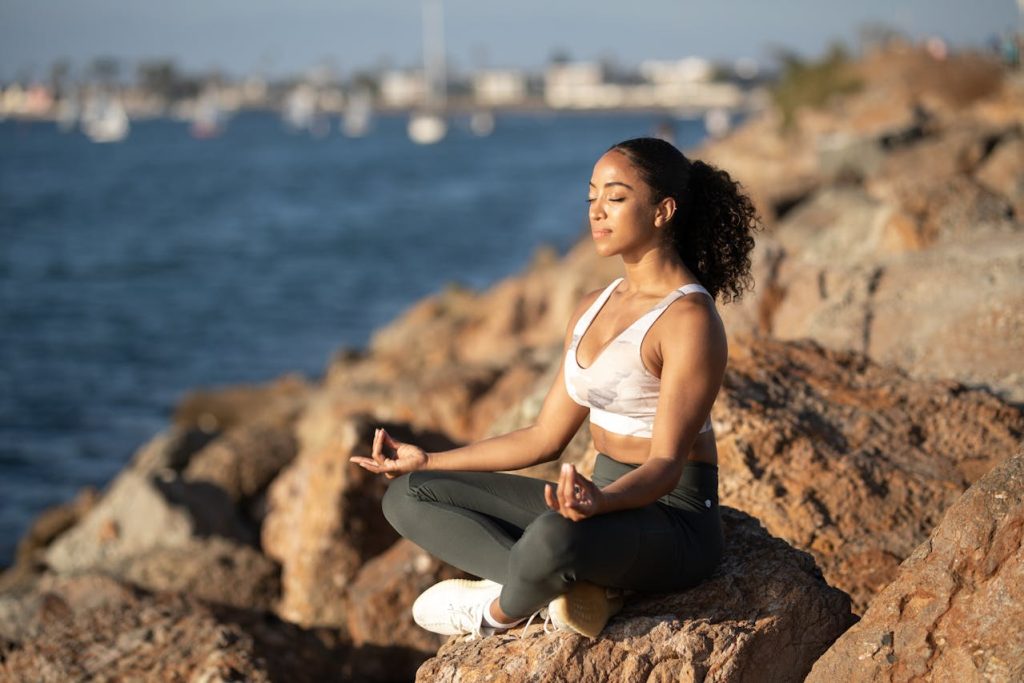
Discover what mindfulness is, how it works, and why it’s essential for reducing stress and improving well-being. Discover how to incorporate mindfulness into your daily life.
Blog Overview
In this blog post, you’ll discover what mindfulness is, how it works, and why it’s more than just a buzzword. We’ll explain the science-backed benefits, provide simple ways to get started, and show you how to incorporate mindfulness into your everyday life. Whether you’re a beginner or looking to deepen your practice, this guide will provide clarity, tools, and encouragement.
What Is Mindfulness?
Mindfulness is the practice of being fully present and engaged in the current moment, aware of where we are and what we’re doing—without becoming overly reactive or overwhelmed by what’s going on around us.
This means observing thoughts, emotions, and sensations without judgment or attachment. Instead of rushing through life or acting on autopilot, mindfulness helps us slow down and truly experience each moment.
“Mindfulness is the key to a richer, calmer, and more intentional life.”
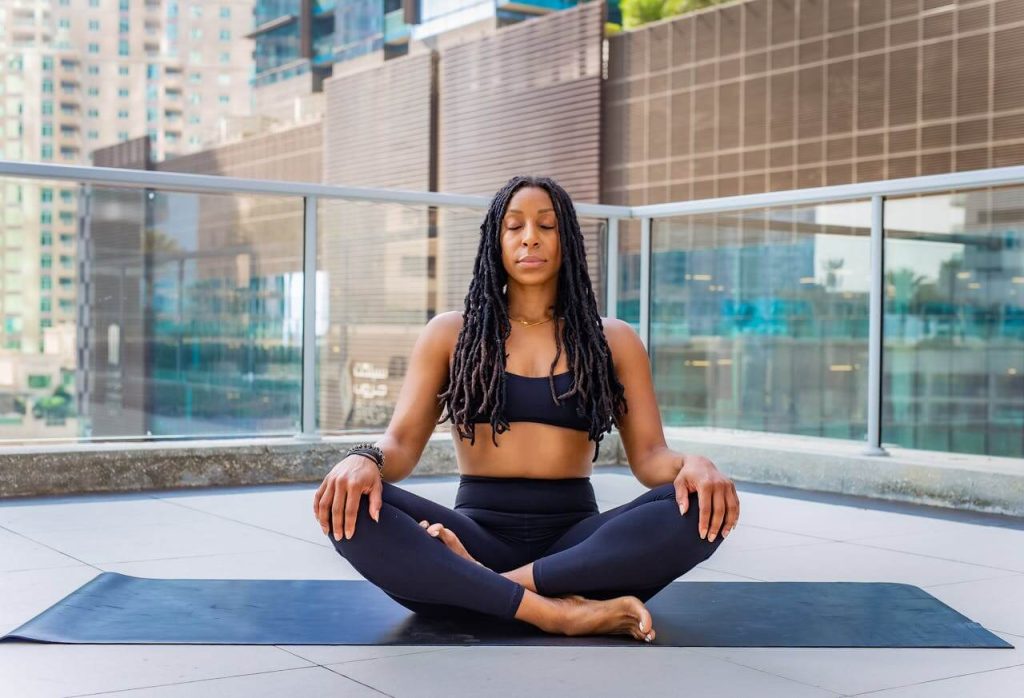
The Origins and Science Behind Mindfulness
Mindfulness has its roots in Buddhist meditation, dating back thousands of years. However, today it’s widely practiced in secular settings—including schools, therapy sessions, and corporate wellness programs—thanks to its proven benefits for both mental and physical health.
Modern science confirms the power of mindfulness. Research from institutions like Harvard, UCLA, and Oxford shows that regular mindfulness practice can:
- Reduce stress and anxiety
- Improve focus and memory
- Lower blood pressure
- Enhance emotional regulation
- Boost resilience and overall happiness
What Is Mindfulness in Daily Life?
Mindfulness isn’t limited to sitting quietly in meditation. You can be mindful while:
- Eating
- Walking
- Listening
- Washing dishes
- Breathing
The key is awareness without judgment. When you bring your full attention to the now, you’re practicing mindfulness—even during the most mundane activities.
Why Is Mindfulness Important?
In today’s fast-paced, tech-driven world, many of us are constantly distracted—thinking about the past, worrying about the future, or scrolling endlessly through our devices. Mindfulness helps bring us back to the present moment, where life happens.
Benefits of Mindfulness Include:
- Less stress and reduced reactivity
- Improved sleep and better rest
- Sharper focus and enhanced memory
- Better relationships through active listening
- Increased compassion for yourself and others
- Greater emotional balance and clarity
These aren’t just feel-good effects—they’re fundamental, measurable changes in the brain. MRI scans of long-term mindfulness practitioners reveal increased gray matter density in areas associated with attention, learning, and emotional regulation.
How to Practice Mindfulness
You don’t need to meditate for hours or go on a retreat to start. Practicing mindfulness can be simple, short, and accessible—no matter your lifestyle.
Try This: 5-Minute Mindful Breathing.
- Sit or lie down comfortably.
- Close your eyes and take a deep breath in through your nose.
- Exhale slowly through your mouth.
- Focus on the sensation of your breath.
- When your mind wanders, gently bring it back to focus.
Do this for just five minutes, and you’ll start to experience the calm clarity.

Other Mindfulness Practices You Can Try
1. Mindful Eating
Instead of eating while distracted, focus on the taste, texture, and smell of your food. Eat slowly, savoring each bite.
2. Mindful Walking
Take a walk outside. Feel the ground beneath your feet. Observe the trees, sounds, and rhythm of your steps.
3. Body Scan Meditation
Lie down and slowly bring attention to each part of your body from head to toe. Notice any tension or sensations without trying to change them.
4. Gratitude Journaling
Each night, write down three things you’re grateful for. This practice rewires the brain toward positivity.
5. Mindful Listening
When talking with someone, fully listen without preparing your response. Let go of distractions and tune into the moment.
Mindfulness Is a Skill—Not a Destination
It is not about “emptying your mind” or achieving some perfect Zen state. It’s about training your attention and being kind to yourself when distractions arise.
Like any skill, the more you practice, the stronger your mindfulness muscle becomes.
“You can’t stop the waves, but you can learn to surf.” – Jon Kabat-Zinn.
How We Support Your Mindfulness Journey
At Mindfulness Meditation Hub, we offer:
- Guided meditation sessions for beginners and advanced practitioners
- Resources and articles on mindful living
- Video meditations on YouTube for relaxation and clarity
- An online community of like-minded individuals
Whether you’re seeking stress relief, emotional balance, or spiritual growth, we’re here to help you build a life centered on presence and purpose.
Final Thoughts: What Is Mindfulness?
It’s your gateway to greater awareness, inner peace, and intentional living.
- A scientifically supported practice
- Simple and accessible to everyone
- Beneficial for your mind, body, and soul
It’s not just a wellness trend—it’s a life-enhancing skill. Start with small moments. Breathe. Notice. Return.