

In today’s fast-paced world, it’s easy to feel overwhelmed, stressed, or disconnected. That’s where mindfulness comes in. But what is mindfulness exactly? At its core, mindfulness is the practice of bringing your full attention to the present moment, observing your thoughts, emotions, and sensations without judgment.
At Mindfulness Meditation Hub, we guide individuals through personalized mindfulness practices designed to reduce stress, improve focus, and enhance overall well-being. This article will explore what mindfulness is, why it matters, and how you can integrate it into your daily life for lasting benefits.
Understanding What Mindfulness Is
Mindfulness is more than just meditation; it’s a way of living. When you practice mindfulne, you cultivate awareness, presence, and non-judgmental acceptance of your experiences.
Key Aspects of Mind-fulness:
- Awareness: Paying attention to your thoughts, feelings, and body sensations.
- Presence: Engaging fully in the current moment rather than dwelling on the past or worrying about the future.
- Acceptance: Observing your experiences without labeling them as good or bad.
By consistently practicing mind-fulness, you train your mind to respond calmly instead of reacting impulsively, fostering emotional balance and resilience.
Benefits of Practicing Mindfulness
Numerous studies show that mindfulness practice can transform mental, emotional, and physical health.
Mental Health Benefits:
- Reduced Stress: Mind-fulness lowers cortisol, the stress hormone, naturally.
- Enhanced Focus and Clarity: Practicing presence improves concentration and productivity.
- Improved Emotional Regulation: Helps manage anxiety, depression, and mood swings.
Physical Health Benefits:
- Better Sleep: Promotes relaxation, reducing insomnia.
- Lower Blood Pressure: Supports heart health and circulatory wellness.
- Pain Management: Mindful awareness can reduce perceived pain intensity.
Social and Personal Benefits:
- Improved Relationships: Mindfulness enhances empathy and patience.
- Increased Self-Awareness: Helps you recognize habitual patterns and make conscious choices.
At Mindfulness Meditation Hub, our guided programs are designed to help beginners and experienced practitioners maximize these benefits through structured exercises.

How Mindfulness Differs From Other Practices
While often associated with meditation, mindfulness is distinct from other forms of relaxation or spiritual practices.
- Mindfulness vs Meditation: Meditation is a technique, while mind-fulness is a broader practice that can occur anytime—while eating, walking, or working.
- Mindfulness vs Yoga: Yoga often includes physical postures and breathwork, while mindful emphasizes awareness of the present moment.
- Mindfulness vs Stress Management Techniques: Mind-fulness is proactive and internal, whereas many stress management methods focus on external factors.
Step-by-Step Mindfulness Practice
Incorporating mind-fulness into your life doesn’t require hours of meditation. Here’s a simple daily routine:
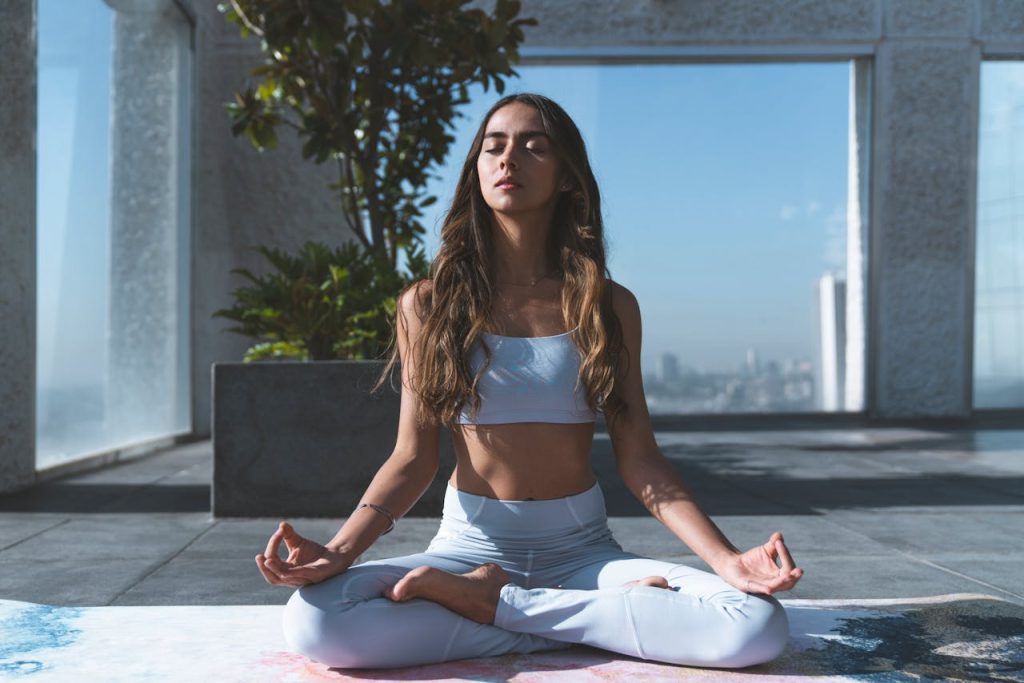
- Find a Quiet Space: Sit comfortably, close your eyes, and take a few deep breaths.
- Observe Your Breath: Focus on inhaling and exhaling, noticing the sensation of air moving through your body.
- Scan Your Body: Bring awareness to each part of your body, noticing tension or sensations without judgment.
- Notice Your Thoughts: Observe your thoughts as they arise, letting them pass like clouds without attachment.
- Practice Gratitude: Conclude by acknowledging something you appreciate in the present moment.
Even 5–10 minutes a day can make a measurable difference in stress reduction and emotional stability.
Common Challenges and How to Overcome Them
While mindfulness is simple in theory, beginners often encounter challenges:
1. Wandering Thoughts:
- Reality: The mind naturally drifts.
- Solution: Gently redirect attention to your breath or body sensations.
2. Impatience:
- Reality: Instant results are rare.
- Solution: Focus on consistent practice rather than immediate outcomes.
3. Self-Criticism:
- Reality: Feeling you “aren’t doing it right.”
- Solution: Remember that mindfulness is non-judgmental by nature; there is no right or wrong.
Guided sessions from Mind-fulness Meditation Hub can help overcome these challenges and provide structure for a successful practice.
Integrating Mindfulness Into Daily Life
Mindfulness doesn’t need to be confined to meditation sessions. You can integrate it throughout your day:
- Mindful Eating: Pay full attention to taste, texture, and sensation while eating.
- Mindful Walking: Notice each step and the surrounding environment.
- Mindful Work Breaks: Pause between tasks to breathe and reset focus.
- Mindful Listening: Give full attention during conversations without judgment or distraction.
By weaving mindful into daily routines, it becomes a lifelong tool for clarity, calm, and connection.
Real-Life Examples: Transformations Through Mindfulness
Case Study 1: Jenna, a marketing executive, reported improved focus and reduced anxiety after just three weeks of daily mind-fulness practice.
Case Study 2: Raj, a college student, found better emotional balance and improved relationships through mindful awareness exercises provided by our guided sessions.
These stories illustrate how practical mind-fulness strategies can enhance mental and emotional well-being in real-world settings.
Why Mindfulness Meditation Hub Can Help
At Mindfulness Meditation Hub, we provide:
- Guided Mindfulness Sessions: Step-by-step instructions for beginners and advanced practitioners.
- Daily Practice Plans: Structured routines to integrate mindfulinto everyday life.
- Expert Guidance: Access to professionals trained in mindfultechniques for personalized support.
With our guidance, individuals can unlock the full benefits of mind-fulness, achieving greater focus, emotional resilience, and inner peace.
Getting Started With Mindfulness Today
Call-to-Action:
Ready to discover what mindfulness can do for your mind and body? Join our guided mindfulness programs and start cultivating clarity, focus, and emotional well-being today.
Start Your Mindfulness Journey with Us!

Key Takeaways:
- Mindfulness is the practice of observing the present moment with awareness and acceptance.
- Benefits include reduced stress, improved focus, emotional resilience, and better relationships.
- Start with simple daily practices and gradually expand to longer mindful exercises.
- Mindfulness Meditation Hub offers expert guidance, structured programs, and resources to make your practice effective and sustainable.
Frequently Asked Questions
Mindfulness is focusing on the present moment with awareness, observing thoughts and feelings without judgment.
It reduces stress, boosts focus, improves emotional balance, and enhances overall mental well-being.
Start with 5–10 min daily of mindful breathing or guided meditation, focusing fully on the present moment.
Yes, beginners can start small with short daily sessions and gradually expand their practice.
Absolutely. Mind-fulness lowers stress, calms the mind, and helps regulate emotions effectively.
Even 5–15 minutes daily can improve focus, reduce stress, and promote emotional resilience.
Yes, it fosters empathy, patience, and awareness, improving communication and connection with others.
Not necessarily. Guided resources or apps help, but personal practice alone is effective too.
Mindful breathing is focusing on your breath, noticing each inhale and exhale without distraction.
Yes, mind-fulness can be applied anytime, whether walking, eating, working, or relaxing at home.
Related Topics
- How to Practice Meditation: A Step-by-Step Guide for Beginners
- How Do I Start to Meditate? A Complete Beginner’s Guide
- What Do You Do When You Meditate? A Complete Guide
- How to Meditate Daily: A Simple Guide to Building a Lifelong
- Meditation Techniques for Anxiety | Calm Your Mind Naturally
- How to Meditate Effectively: A Step-by-Step Guide for Beginners
- Best Way to Meditate: A Complete Guide for Beginners and Experts
- Mind Success: Unlock Your Full Potential with Proven Techniques
- Stress Meditation: How Mindfulness Helps Reduce Stress
- What Do You Do When You Meditate? A Complete Guide
- Breathing Meditation Techniques for Beginners: A Complete Guide
- How to Meditate Daily: A Simple Guide to Building a Lifelong
- Grief Meditation: A Healing Practice for Emotional Recovery
- 5 Minute Meditation Scripts: Quick & Effective Guided Meditation
- Meditating at Home: Guide to Finding Peace and Balance
- Meditation and Sounds: Boost Mindfulness & Relaxation