
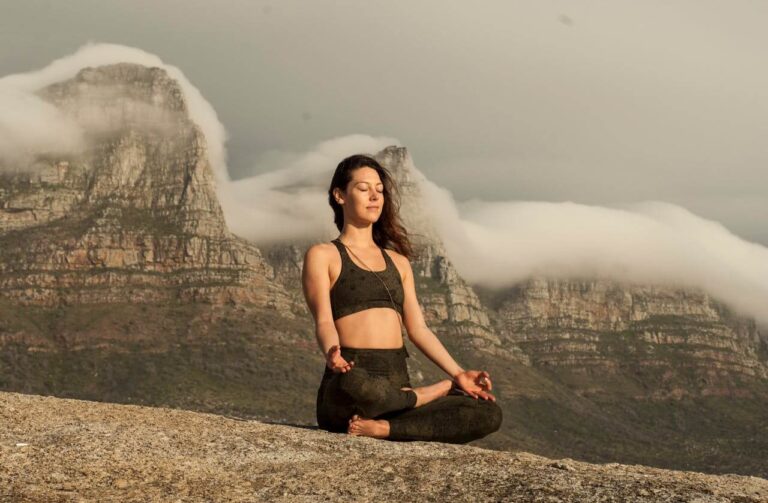
Discover the best yoga asana for meditation to deepen mindfulness, improve focus, and reduce stress. Learn step-by-step techniques and expert tips for a fulfilling meditation practice.
Overview
In this blog post, readers will learn how specific yoga asanas can enhance their meditation practice, promote physical and mental well-being, and help cultivate a deeper state of mindfulness. We’ll explore the most effective poses for beginners and advanced practitioners, practical tips for maintaining posture, and guidance on integrating yoga asanas into daily meditation routines.
Yoga Asana for Meditation: How to Enhance Your Mindfulness Practice
Meditation is a powerful tool for improving mental clarity, reducing stress, and enhancing emotional balance. While meditation can be practised in any comfortable seated position, incorporating yoga asana for meditation can significantly improve your posture, breathing, and focus. Yoga asanas, or physical postures, prepare the body and mind for deep, mindful meditation.
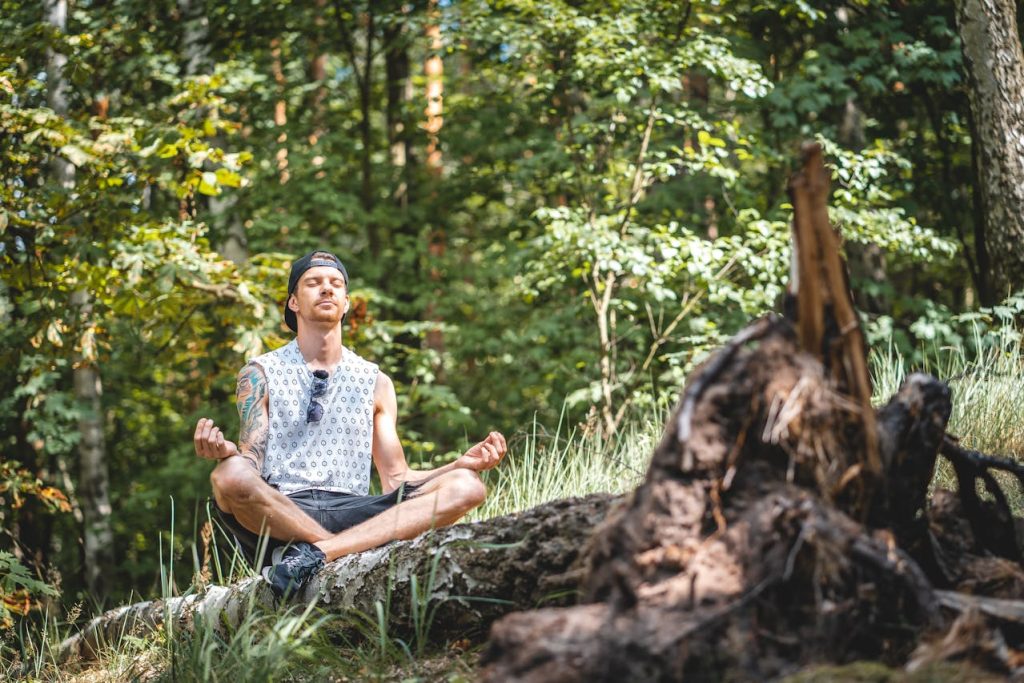
Why Yoga Asana Is Important for Meditation
Many people struggle to maintain focus during meditation because of physical discomfort or restlessness. Yoga asanas offer several benefits that can enhance your meditation practice:
- Improved posture: Correct alignment prevents strain on the back, neck, and shoulders.
- Enhanced breathing: Certain poses open the chest and diaphragm, facilitating deeper breaths.
- Increased flexibility: Reduces discomfort and allows longer meditation sessions.
- Mind-body connection: Yoga fosters awareness of physical sensations, helping anchor attention.
- Stress reduction: Gentle stretches and poses relax the body, preparing it for mental stillness.
By practising specific yoga asanas for meditation, you create an environment conducive to concentration and inner calm.
Best Yoga Asana for Meditation
Here’s a detailed guide to some of the most effective yoga asanas to support meditation:
1. Sukhasana (Easy Pose)
Benefits:
- Opens hips and lengthens the spine
- Encourages upright posture and calm breathing
How to Practise:
- Sit cross-legged on a yoga mat.
- Place hands on your knees, palms facing up or down.
- Roll shoulders back and lengthen your spine.
- Close your eyes and focus on your breath.
This pose is ideal for beginners and is excellent for short meditation sessions.
2. Padmasana (Lotus Pose)
Benefits:
- Deepens concentration and focus
- Enhances circulation in the lower body
- Stabilises the body for prolonged meditation
How to Practise:
- Sit with legs crossed and place each foot on the opposite thigh.
- Keep your spine straight and shoulders relaxed.
- Rest your hands on your knees in a mudra (hand gesture).
- Maintain slow, deep breathing.
Padmasana is a classic pose for meditation, but it requires hip flexibility. Beginners can modify with Ardha Padmasana (Half Lotus).
3. Vajrasana (Thunderbolt Pose)
Benefits:
- Supports proper digestion and circulation
- Encourages a calm, alert mind
How to Practise:
- Kneel on the floor, keeping knees together.
- Sit back on your heels with your spine straight.
- Place your hands on your thighs and relax your shoulders.
- Close your eyes and focus on slow, even breaths.
Vajrasana is particularly effective after meals and for daily meditation routines.
4. Siddhasana (Accomplished Pose)
Benefits:
- Opens hips and strengthens the spine
- Reduces restlessness during meditation
How to Practise:
- Sit with one heel pressed against the perineum.
- Place the other foot on top of the first, close to the opposite thigh.
- Rest your hands on your knees, forming a mudra.
- Keep the spine erect and eyes gently closed.
Siddhasana is known as the “perfect pose” for meditation in many traditional yoga texts.
5. Ardha Padmasana (Half Lotus Pose)
Benefits:
- Easier alternative to full lotus
- Promotes stability and comfort during meditation
How to Practise:
- Sit cross-legged, placing one foot on the opposite thigh while keeping the other foot underneath the opposite knee.
- Lengthen the spine and relax shoulders.
- Focus on deep breathing and mindful awareness.
This pose is great for intermediate meditators building up to Padmasana.
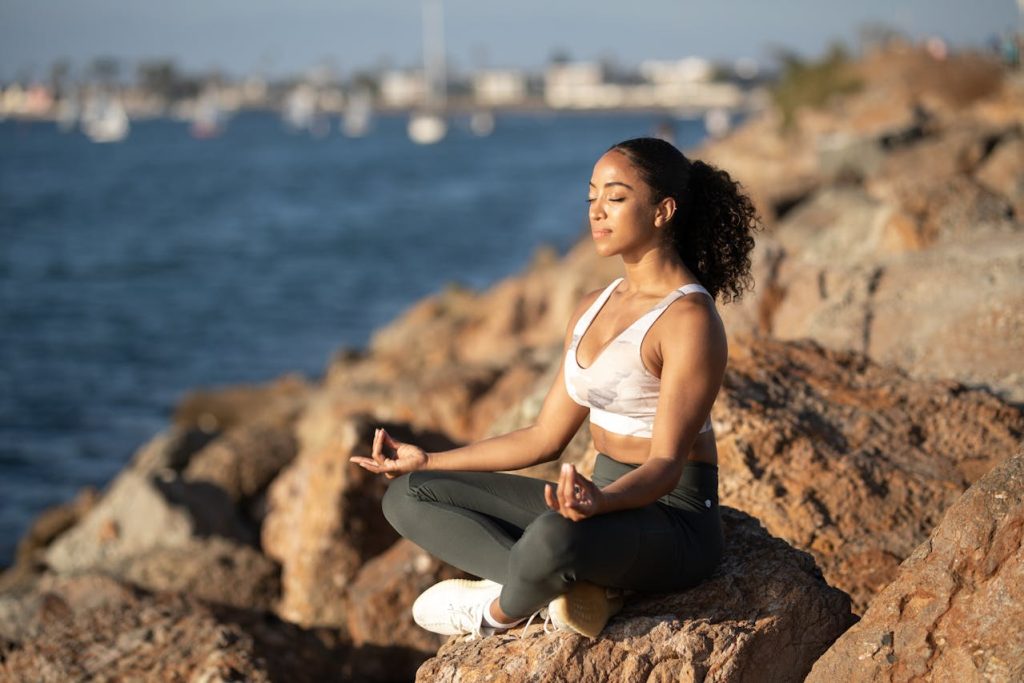
Tips for Practicing Yoga Asana for Meditation
To get the most out of your meditation, consider these practical tips:
- Use a cushion or blanket: Provides comfort and prevents strain on knees and hips.
- Keep your spine aligned: An upright spine enhances focus and breathing.
- Focus on breath: Deep, steady breaths anchor your mind during meditation.
- Start small: Begin with 5–10 minutes and gradually increase the duration.
- Create a quiet space: Reduce distractions to maintain a meditative environment.
- Consistency is key: daily practice reinforces body awareness and mindfulness.
Integrating Yoga Asanas Into Daily Meditation
Incorporating yoga asanas into your meditation routine can be simple and rewarding:
- Begin with a gentle warm-up: loosen joints with basic stretches.
- Select your meditation asana: Choose a pose that suits your flexibility and comfort.
- Focus on breath and body alignment: Maintain slow, rhythmic breathing.
- Gradually increase meditation duration: start with 5–10 minutes, then extend sessions.
- Use guided meditation if needed: enhances focus while in the yoga asana.
Benefits of Combining Yoga and Meditation
By combining yoga asanas for meditation, you can experience a holistic improvement in both mind and body:
- Mental clarity: Reduces mental clutter and enhances concentration.
- Stress relief: lowers cortisol levels and promotes relaxation.
- Emotional balance: Helps manage anxiety, depression, and mood swings.
- Physical well-being: Increases flexibility, posture, and energy levels.
- Spiritual growth: Deepens awareness and mindfulness practice.
Practising yoga asanas before or during meditation strengthens the mind-body connection, making meditation more effective.
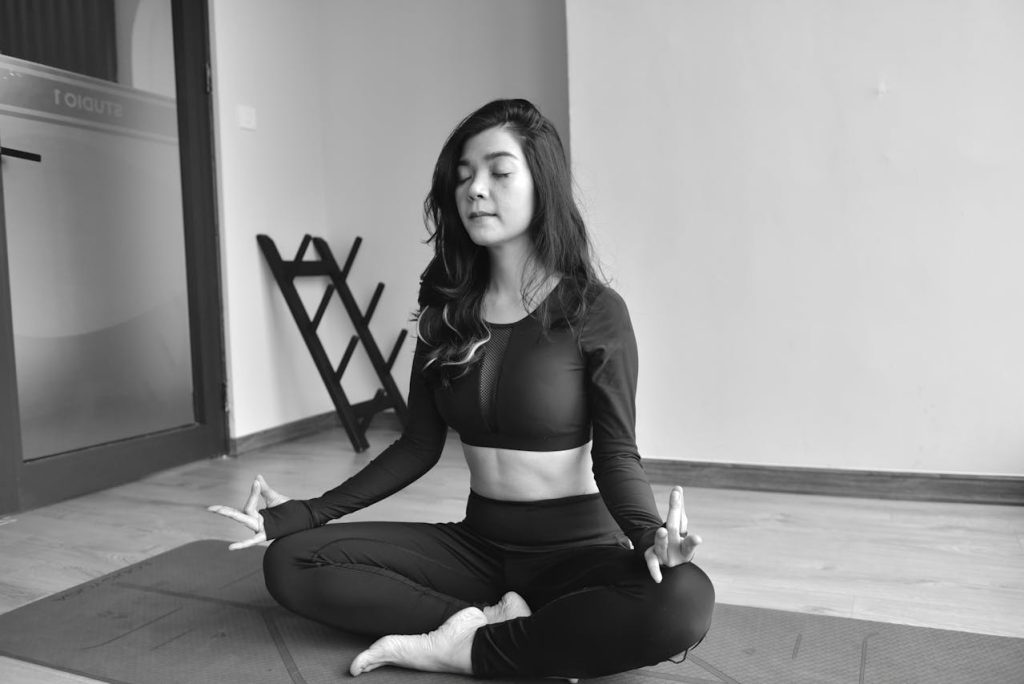
Common Mistakes to Avoid
- Slouching: Hinders breathing and causes discomfort.
- Ignoring discomfort: Minor adjustments prevent pain and injury.
- Rushing the process: Meditation is about gradual progress, not instant results.
- Skipping warm-up: Cold muscles can lead to strain.
- Comparing yourself to others: Flexibility and meditation skills develop at your own pace.
Final Thoughts
Choosing the right yoga asana for meditation can transform your mindfulness practice. Whether you’re a beginner or an advanced practitioner, the combination of postures and meditation cultivates focus, inner peace, and well-being.
Regular practice, proper alignment, and mindfulness are key. Start with easy poses like Sukhasana or Vajrasana, and gradually explore Lotus and Siddhasana as you grow more comfortable. Remember, consistency and patience are essential for long-term benefits.