
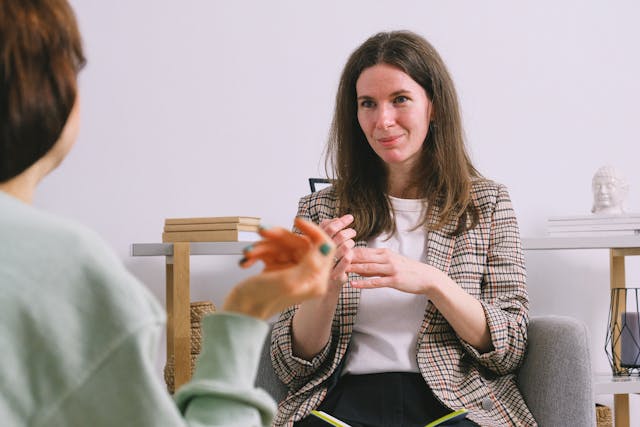
Discover the qualities of a patient person, learn effective strategies to develop patience, and understand how being patient improves your life, relationships, and mental well-being.
Overview
In this blog post, readers will learn the true meaning of being a patient person, the benefits of cultivating patience, and actionable steps to develop patience in daily life. This guide will help readers understand why patience is a vital life skill and provide practical tips to strengthen this quality. By the end, they will be equipped to become more patient in challenging situations, improve their mental health, and enhance their personal and professional relationships.
The Power of Being a Patient Person
Patience is more than just waiting calmly; it’s a mindset, a habit, and a skill that influences every aspect of life. Being a patient person allows you to navigate challenges, reduce stress, and make thoughtful decisions rather than impulsive ones.
A patient person is someone who:
- Remains calm in stressful situations
- Waits for the right moment instead of rushing decisions
- Shows understanding toward others
- Practices self-control and mindfulness
Developing patience is not just about personal growth—it also enhances relationships, career success, and overall happiness.

Why Patience Matters in Life
1. Patience Improves Mental Health
Being a patient person helps reduce stress, anxiety, and frustration. When you learn to handle delays and challenges calmly, your mind experiences less pressure, and you are better able to maintain emotional balance.
2. Enhances Relationships
People are drawn to a patient person. Patience allows you to listen actively, empathize with others, and resolve conflicts without anger. This makes your personal and professional relationships stronger and more harmonious.
3. Supports Personal Growth
A patient person can stay committed to long-term goals and persevere through setbacks. Patience encourages resilience, better decision-making, and self-discipline—all key traits for achieving success.
4. Boosts Career Success
Patience is crucial in professional life. Whether it’s waiting for a promotion, handling a difficult coworker, or managing complex projects, a patient person is more likely to achieve their career goals with poise and effectiveness.
Signs You Are a Patient Person
It’s important to recognize the characteristics that define a patient person. Some common signs include:
- You remain calm when things don’t go as planned.
- You avoid rushing decisions or reacting impulsively.
- You show empathy and understanding to others.
- You can tolerate discomfort without frustration.
- You practice mindfulness and self-reflection.
If you identify with most of these traits, congratulations—you already possess the foundations of patience. If not, don’t worry. Patience is a skill you can develop with consistent practice.
Practical Tips to Become a Patient Person
Cultivating patience requires intentional effort. Here are some practical tips to help you develop this essential life skill:
1. Practice Mindfulness
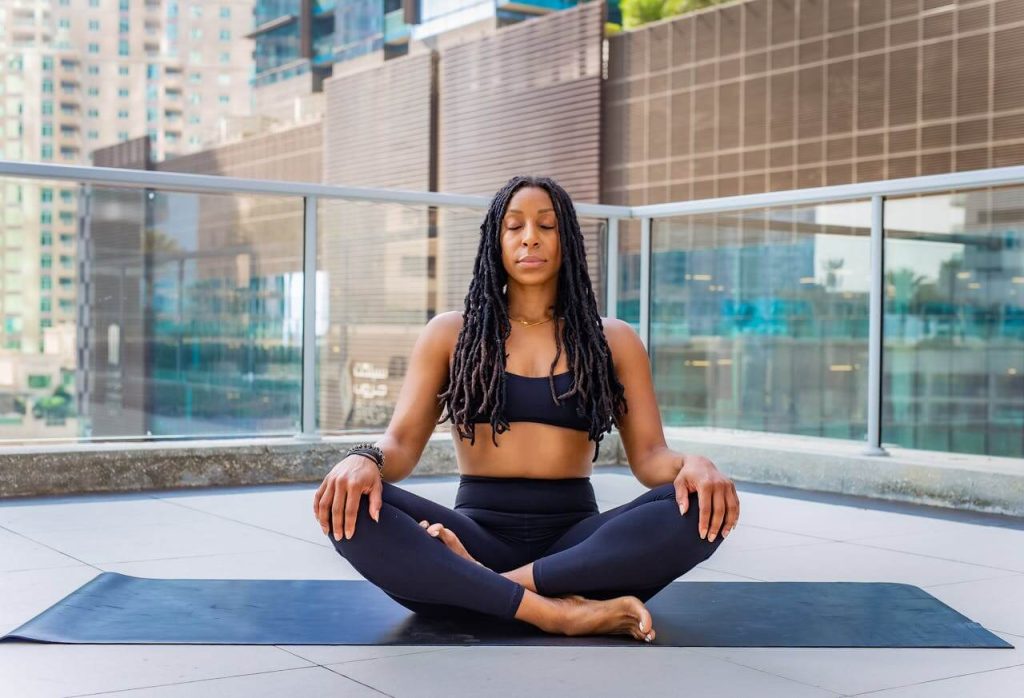
Mindfulness is the ability to stay present in the moment. A patient person often practices mindfulness to reduce impulsive reactions and increase awareness of their emotions. Daily meditation, deep breathing exercises, and mindful observation of thoughts can significantly improve patience.
2. Set Realistic Expectations
Waiting and delays are easier to handle when your expectations are realistic. Avoid setting unattainable goals or expecting instant results. A patient person understands that meaningful progress takes time.
3. Practice Delayed Gratification
Train yourself to wait for rewards rather than seeking instant satisfaction. This can be as simple as finishing tasks before taking breaks or saving money for a planned purchase. Delayed gratification strengthens patience over time.
4. Reframe Challenges as Opportunities
A patient person sees challenges as opportunities to grow. Instead of becoming frustrated by obstacles, view them as chances to learn, adapt, and improve your resilience.
5. Breathe and Pause
When facing frustration, a patient person takes a moment to breathe and pause before responding. This simple habit prevents impulsive reactions and promotes calm decision-making.
6. Practice Empathy
Understanding others’ perspectives fosters patience. By putting yourself in someone else’s shoes, you are less likely to react negatively and more likely to respond with kindness and understanding.
7. Celebrate Small Wins
A patient person recognizes that growth and success are gradual. Celebrate small milestones along the way to maintain motivation and patience in the long term.
Common Challenges When Trying to Be Patient
Becoming a patient person is not always easy. Some common challenges include:
- Instant gratification culture: We live in a world where instant results are expected, making patience harder to cultivate.
- Stress and pressure: Work, family, and personal responsibilities can test patience daily.
- Impatience in relationships: Miscommunication and unmet expectations can trigger frustration.
- Self-doubt: Lack of confidence in your abilities may lead to impatience with yourself.
Recognizing these challenges is the first step in overcoming them. A patient person anticipates these obstacles and develops strategies to remain calm and focused.
Benefits of Being a Patient Person
Developing patience offers numerous benefits that improve mental, emotional, and physical well-being. Some key advantages include
- Reduced stress and anxiety: Patience lowers stress hormones and promotes emotional stability.
- Better decision-making: A patient person makes informed, thoughtful choices rather than impulsive ones.
- Stronger relationships: Patience fosters empathy, understanding, and trust in personal and professional interactions.
- Increased resilience: Patience helps you persevere through setbacks and challenges without losing motivation.
- Greater life satisfaction: By embracing patience, you cultivate contentment and a sense of inner peace.
How Mindfulness Meditation Helps Cultivate Patience
Mindfulness meditation is a powerful tool to develop patience. Here’s how it works:
- Focuses attention on the present: Meditation teaches you to stay calm and not get overwhelmed by the future.
- Reduces impulsive reactions: Regular practice helps a patient person respond thoughtfully instead of reacting emotionally.
- Builds emotional resilience: Meditation strengthens self-awareness and emotional control.
- Enhances empathy: By understanding your own mind, you can better empathize with others, increasing patience in relationships.
Daily Habits of a Patient Person
Here’s how a patient person incorporates patience into daily life:
- Morning mindfulness routines: Start the day with meditation or deep breathing.
- Intentional pauses: Take short breaks before reacting to stressful situations.
- Gratitude journaling: Reflecting on positive aspects of life fosters calmness and perspective.
- Active listening: Practice listening fully without interrupting, improving patience in communication.
- Exercise and movement: Physical activity helps release stress and strengthens mental control.
Final Thought: Becoming a Patient Person Is a Lifelong Journey
Being a patient person is not about perfection—it’s about progress. Every small step you take toward patience strengthens your resilience, enhances relationships, and promotes overall well-being.
By practicing mindfulness, setting realistic expectations, reframing challenges, and embracing daily habits that cultivate patience, anyone can develop this essential life skill.
Remember: patience is a choice, a habit, and a mindset. Start small, stay consistent, and over time, you will experience the profound benefits of being a patient person in every area of your life.
FAQs for a Patient Person
What does it mean to be a patient person?
A patient person stays calm, composed, and understanding during delays, challenges, or stressful situations without reacting impulsively.
Why is patience important in everyday life?
Patience reduces stress, improves mental clarity, strengthens relationships, and helps you make better decisions.
Can anyone learn to become a patient person?
Yes. Patience is a skill that can be learned through mindfulness, self-awareness, and consistent practice.
How does mindfulness help you become a patient person?
Mindfulness helps you stay present, control your reactions, and remain calm, which naturally strengthens patience.
What are the signs of a patient person?
Signs include calmness, empathy, emotional control, thoughtful decision-making, and the ability to tolerate discomfort.
What causes someone to be impatient?
Common causes include stress, unrealistic expectations, lack of control, emotional triggers, and a fast-paced environment.
How can I practice patience daily?
You can practice by pausing before reacting, using deep breathing, setting realistic expectations, and practicing gratitude.
Is being a patient person good for mental health?
Yes. It lowers anxiety, reduces stress levels, and improves overall emotional well-being.
How can I stay patient during stressful situations?
Take slow breaths, pause before responding, observe your thoughts, and shift your perspective to the bigger picture.
How does patience improve relationships?
It creates better communication, increases understanding, prevents arguments, and helps resolve conflicts peacefully.
How long does it take to become more patient?
It varies for everyone, but with consistent practice, improvements can be seen within weeks.
Can meditation help me become a more patient person?
Absolutely. Meditation increases emotional control, self-awareness, and calmness, which directly enhances patience.
What is the connection between patience and emotional intelligence?
A patient person shows high emotional intelligence by understanding their own emotions and responding thoughtfully instead of reacting impulsively.
Why is patience important for long-term goals?
Long-term goals require consistency, discipline, and delayed gratification—all of which depend on being a patient person.
What habits help you stay a patient person long-term?
Daily meditation, journaling, empathy practice, mindful breathing, and gratitude all help maintain long-term patience.
Learn Meditation
- How to Practice Meditation: A Step-by-Step Guide for Beginners
- How Do I Start to Meditate? A Complete Beginner’s Guide
- What Do You Do When You Meditate? A Complete Guide
- How to Meditate Daily: A Simple Guide to Building a Lifelong
- Meditation Techniques for Anxiety | Calm Your Mind Naturally
- How to Meditate Effectively: A Step-by-Step Guide for Beginners
- Best Way to Meditate: A Complete Guide for Beginners and Experts
- Mind Success: Unlock Your Full Potential with Proven Techniques
- Stress Meditation: How Mindfulness Helps Reduce Stress
- What Do You Do When You Meditate? A Complete Guide
- Breathing Meditation Techniques for Beginners: A Complete Guide
- How to Meditate Daily: A Simple Guide to Building a Lifelong
- Grief Meditation: A Healing Practice for Emotional Recovery
- 5 Minute Meditation Scripts: Quick & Effective Guided Meditation
- Meditating at Home: Guide to Finding Peace and Balance
- Meditation and Sounds: Boost Mindfulness & Relaxation