
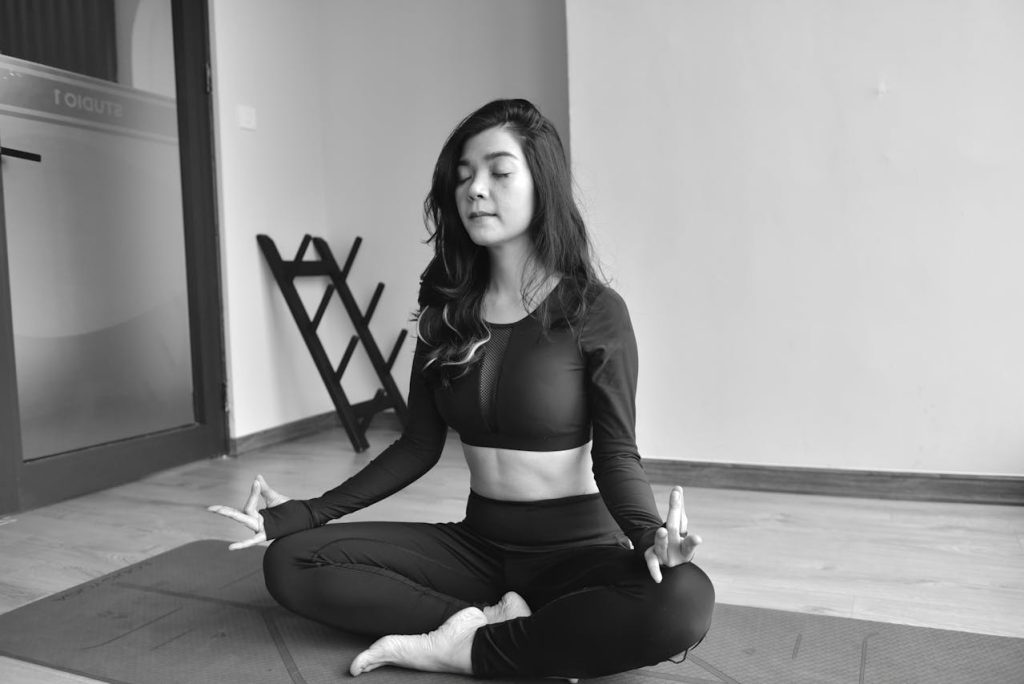
Learn what anxiety loops are, why they occur, and how to break them using proven mindfulness and therapeutic practices. Discover effective tools and how our services support long-term emotional balance.
Overview
In this in-depth guide, readers will learn:
- What anxiety loops are and how they affect the mind and body
- Why these loops repeat and intensify over time
- The science behind anxiety loops in the brain
- The emotional and physical symptoms linked with the cycle
- How mindfulness, grounding, breathwork, and guided meditation interrupt the pattern
- Practical steps they can start using today
- How our professional sessions help clients break free from anxiety loops for good
This post teaches readers not just what anxiety loops are but also how to manage them effectively with tools that restore long-term calm, clarity, and emotional control.
Anxiety Loops: How to Break the Cycle and Restore Inner Calm
Anxiety affects millions of people every year, but what most individuals don’t realize is that anxiety rarely appears as a single thought. Instead, it forms anxiety loops—a repeating internal cycle of worry, fear, physical tension, and intrusive thoughts that seem nearly impossible to stop. These loops can take over your mind, drain your energy, affect your sleep, and disrupt daily functioning.
If you’ve ever felt stuck replaying the same fear, worst-case scenario, or overwhelming thought again and again, you’ve experienced an anxiety loop. Understanding what creates these loops—and how to break them—is the first step toward reclaiming inner balance.
At Mindfulness Meditation Hub, we specialize in guiding individuals through healing practices that interrupt anxiety loops and teach the brain how to self-regulate. This article explains the science, symptoms, and strategies behind breaking the cycle.

What Are Anxiety Loops?
Anxiety loops are repetitive cycles of anxious thoughts and physical stress responses that feed into each other. The loop starts with a trigger—something stressful, uncertain, or uncomfortable—and then spirals into:
Because the brain is wired to protect you, it stays hyper-focused on perceived threats—even when those threats only exist in your thoughts. This creates a feedback loop: anxious thoughts trigger physical tension, and physical tension reinforces the anxious thoughts.
Over time, anxiety loops can become automatic, meaning they activate even without a clear external trigger.
The Science Behind Anxiety Loops
To understand anxiety loops, we must look at how the brain responds to stress.
The Amygdala’s Role
The amygdala is the brain’s alarm system. When it senses danger—real or imagined—it activates the fight-or-flight response. Even a negative memory or hypothetical scenario can trigger the amygdala.
The Prefrontal Cortex Gets Overridden
This is the part of the brain responsible for logic, problem-solving, and decision-making. During anxiety loops, this rational center becomes less active. The emotional brain takes over, making it difficult to think clearly or calm yourself down.
Stress Hormones Reinforce the Loop
Cortisol and adrenaline amplify:
- Racing thoughts
- Restlessness
- Rapid heartbeat
- Overthinking
This biochemical reaction keeps anxiety loops going long after the initial thought or trigger has passed.
Common Symptoms of Anxiety Loops
People often don’t realize they’re stuck in anxiety loops. Here are the most common symptoms:
- Repetitive or intrusive thoughts
- Feeling stuck in “what if” scenarios
- Difficulty concentrating
- Tightness in the chest or stomach
- Insomnia or disrupted sleep
- Constant fatigue
- Muscle tension
- Emotional overwhelm
- Compulsive reassurance seeking
These symptoms are not “in your head”—they’re real physiological responses created by the mind-body connection. When the loop is active, both your mental and physical systems remain on high alert.
Why Anxiety Loops Are So Hard to Break
Anxiety loops feel uncontrollable because the brain becomes conditioned to repeat them. Several factors contribute:
Learned Patterns
The brain learns through repetition. If worry becomes your default response, the brain builds stronger neural pathways that reinforce the habit.
Fear of Uncertainty
People with anxiety loops often feel the need to predict or control the future to feel safe. This creates more worry, not less.
Avoidance Behaviors
Avoiding discomfort—like certain conversations, decisions, or situations—temporarily relieves anxiety but reinforces the loop long-term.
Physical Sensations
Once anxiety causes physical discomfort, the body sends signals back to the brain that something is wrong. This reinforces the cycle mentally and emotionally.
Breaking anxiety loops requires intentional interventions that calm the nervous system, rewrite thought patterns, and retrain the brain.

How to Break Anxiety Loops: Techniques That Work
The good news is that anxiety loops can be interrupted and even completely dissolved with the right approach. Here are evidence-based practices that stop the cycle and restore balance.
1. Mindfulness Practices
Mindfulness helps you observe your thoughts without getting trapped inside them. When you acknowledge the loop rather than fight it, the emotional charge softens.
Try this simple exercise:
- Take a deep breath.
- Notice the thought.
- Label it gently (e.g., “This is an anxiety loop”).
- Release the judgment.
- Bring your attention back to your breath.
Even 10 seconds of mindful presence can interrupt the cycle.
2. Grounding Techniques
Grounding pulls you out of your mind and back into your body by connecting you to the present moment.
A few grounding examples include:
- The 5-4-3-2-1 sensory technique
- Placing your hands under warm water
- Pressing your feet into the floor
- Holding an object with texture
These techniques signal to the brain that you are safe, stopping the anxiety loop from escalating.
3. Breathwork
Intentional breathing resets the nervous system and disrupts anxiety loops by lowering cortisol and activating the body’s relaxation response.
Try the 4-6 breathing method:
- Inhale for 4 seconds
- Exhale for 6 seconds
- Repeat for 2–3 minutes
A longer exhale tells the brain to relax.
4. Guided Meditation
Guided meditations are extremely effective for breaking anxiety loops because they redirect attention, soothe the mind, and relax the body simultaneously.
At Mindfulness Meditation Hub, we specialize in sessions that:
- Calm overactive thoughts
- Teach the brain new patterns
- Reduce physical tension
- Promote emotional resilience
This is one of the fastest ways to bring your mind out of a loop and into a state of grounded clarity.
5. Reframing the Thought Pattern
Cognitive reframing changes your perspective and interrupts the mental repetition of anxiety loops.
Examples of reframes:
- “What if something goes wrong?” → “What if everything goes right?”
- “I can’t handle this.” → “I’ve handled hard things before; I can do this.”
- “This feeling will last forever.” → “This feeling will pass.”
This technique teaches the cognitive brain to re-engage, weakening the emotional loop.
6. Somatic (Body-Based) Release Techniques
Anxiety loops don’t just live in the mind—they get stored in the body.
Techniques like
- Light stretching
- Shaking the arms and legs
- Gentle movement
- Body scans
Help release trapped emotions and tension, breaking the physical part of the loop.
Professional Support: How Our Services Help Break Anxiety Loops
While self-guided tools are helpful, many people need structured support to fully break anxiety loops—especially if they’ve been repeating for months or years.
At Mindfulness Meditation Hub, our programs help clients:
- Identify personal triggers
- Interrupt loops before they escalate
- Build long-term emotional resilience
- Rewire old thought patterns
- Develop a calmer, more grounded nervous system
- Create a reliable daily mindfulness routine
Our guided sessions, personalized meditation practices, and therapeutic techniques provide the structured support individuals need to break free from it and regain control of their lives.
If you’re experiencing persistent worry, overthinking, or emotional overwhelm, guided support can transform your ability to manage stress and restore inner peace.
Final Thought
Anxiety loops can feel overwhelming, exhausting, and impossible to break—but they are not permanent. Once you understand why they occur and how they function, you can begin interrupting the pattern and training your mind toward clarity and calm.
Using mindfulness, grounding, breathwork, and guided meditation, you can gently retrain your brain to respond differently to stress. With consistent practice and the right support, the cycle weakens, and your emotional resilience strengthens.
At Mindfulness Meditation Hub, we’re here to help you break free from it and return to a life filled with peace, balance, and inner strength.
FAQs for Anxiety Loops
What are anxiety loops?
Anxiety loops are repetitive cycles of anxious thoughts and physical symptoms that feed into each other, making it hard to calm down or think clearly.
What causes anxiety loops to start?
They typically start from stress, uncertainty, past trauma, overthinking, or a triggering situation that activates the mind’s fear response.
Are anxiety loops normal?
Yes. Many people experience anxiety loops, and they are a common response when the brain feels overwhelmed or unsafe.
How do anxiety loops affect the brain?
They overactivate the amygdala (fear center) and suppress the prefrontal cortex, making it harder to think logically or problem-solve.
Can anxiety loops be stopped naturally?
Yes. Mindfulness, grounding exercises, breathwork, and guided meditation can interrupt and weaken the loop.
How long do anxiety loops usually last?
They can last minutes, hours, or even days if not interrupted, depending on stress levels and coping strategies.
What are common signs of anxiety loops?
Repetitive thoughts, muscle tension, restlessness, insomnia, worry spirals, and difficulty focusing are top indicators.
What is the fastest way to break an anxiety loop?
Deep, slow breathing combined with grounding techniques is one of the quickest ways to calm the nervous system.
Do anxiety loops get worse over time?
They can if untreated, because the brain forms stronger neural pathways around the repetitive pattern.
Can mindfulness meditation help with anxiety loops?
Absolutely. Mindfulness meditation trains the brain to observe thoughts without reacting to them, stopping the cycle.
When should I seek professional help for anxiety loops?
If the loops interfere with work, relationships, sleep, or daily functioning, professional support is recommended.
Are anxiety loops the same as intrusive thoughts?
Not exactly. Intrusive thoughts can trigger anxiety loops, but loops involve repeated mental and physical responses.
Can lifestyle changes reduce anxiety loops?
Yes. Improving sleep, reducing caffeine, regular movement, and consistent breathwork can significantly reduce loops.
Are anxiety loops related to trauma or past experiences?
They can be. Unresolved emotional patterns, past trauma, or chronic stress often intensify anxiety loops.
How does your service help people break anxiety loops?
Our guided meditation, mindfulness training, and personalized emotional support help calm the nervous system, interrupt the cycle, and build long-term resilience.
Learn Meditation
- How to Practice Meditation: A Step-by-Step Guide for Beginners
- How Do I Start to Meditate? A Complete Beginner’s Guide
- What Do You Do When You Meditate? A Complete Guide
- How to Meditate Daily: A Simple Guide to Building a Lifelong
- Meditation Techniques for Anxiety | Calm Your Mind Naturally
- How to Meditate Effectively: A Step-by-Step Guide for Beginners
- Best Way to Meditate: A Complete Guide for Beginners and Experts
- Mind Success: Unlock Your Full Potential with Proven Techniques
- Stress Meditation: How Mindfulness Helps Reduce Stress
- What Do You Do When You Meditate? A Complete Guide
- Breathing Meditation Techniques for Beginners: A Complete Guide
- How to Meditate Daily: A Simple Guide to Building a Lifelong
- Grief Meditation: A Healing Practice for Emotional Recovery
- 5 Minute Meditation Scripts: Quick & Effective Guided Meditation
- Meditating at Home: Guide to Finding Peace and Balance
- Meditation and Sounds: Boost Mindfulness & Relaxation