

Discover the transformative power of awareness of breath meditation. Learn effective techniques, benefits for mind and body, and how to incorporate this practice into your daily life.
Overview
In today’s fast-paced world, stress and distractions can make it challenging to stay present. Awareness of breath meditation is a simple yet powerful practice that allows individuals to cultivate mindfulness, reduce stress, and enhance overall well-being. In this blog post, readers will learn what awareness of breath meditation is, its numerous benefits, step-by-step techniques, common challenges, and tips for integrating it into daily life. By the end, readers will be equipped to start their own practice confidently and understand why this meditation is one of the most accessible and effective tools for mental clarity and emotional balance.
What is Awareness of Breath Meditation?
Awareness of breath meditation is a mindfulness technique where the practitioner focuses their attention on the natural rhythm of breathing. Unlike other meditation practices that may involve visualization or chanting, this method centers entirely on the inhalation and exhalation process.
The key objective is to become fully present with each breath. By observing the subtle sensations of breathing, practitioners develop mindfulness, enhance self-awareness, and train their minds to stay grounded in the present moment.
Key Characteristics:
- Focused attention on inhalation and exhalation
- Gentle observation without judgment
- Gradual development of mental clarity and calmness
- Applicable anywhere, anytime
Benefits of Awareness of Breath Meditation
Practicing awareness of breath meditation regularly offers a wide range of mental, emotional, and physical benefits. Some of the most notable include:
1. Reduces Stress and Anxiety
Focusing on the breath activates the parasympathetic nervous system, which promotes relaxation and reduces stress hormones. Studies show that even a few minutes of mindful breathing can significantly lower anxiety levels.
2. Improves Mental Clarity and Focus
By training your mind to concentrate on the breath, awareness of breath meditation enhances attention span and cognitive focus, helping you perform better at work or school.
3. Enhances Emotional Regulation
Mindful breathing allows you to observe emotions without reacting impulsively. Over time, this practice improves emotional resilience and self-control.
4. Supports Physical Health
Regular breath awareness can help lower blood pressure, improve heart rate variability, and strengthen the immune system by reducing chronic stress.
5. Promotes Better Sleep
Focusing on the breath before bedtime calms the nervous system, making it easier to fall asleep and stay asleep.
6. Accessible to Everyone
No special equipment or prior experience is required. Whether you’re a beginner or advanced practitioner, awareness of breath meditation is simple yet profoundly effective.
How to Practice Awareness of Breath Meditation
Practicing awareness of breath meditation is straightforward but requires consistency and patience. Here’s a step-by-step guide for beginners:
Step 1: Find a Quiet Space
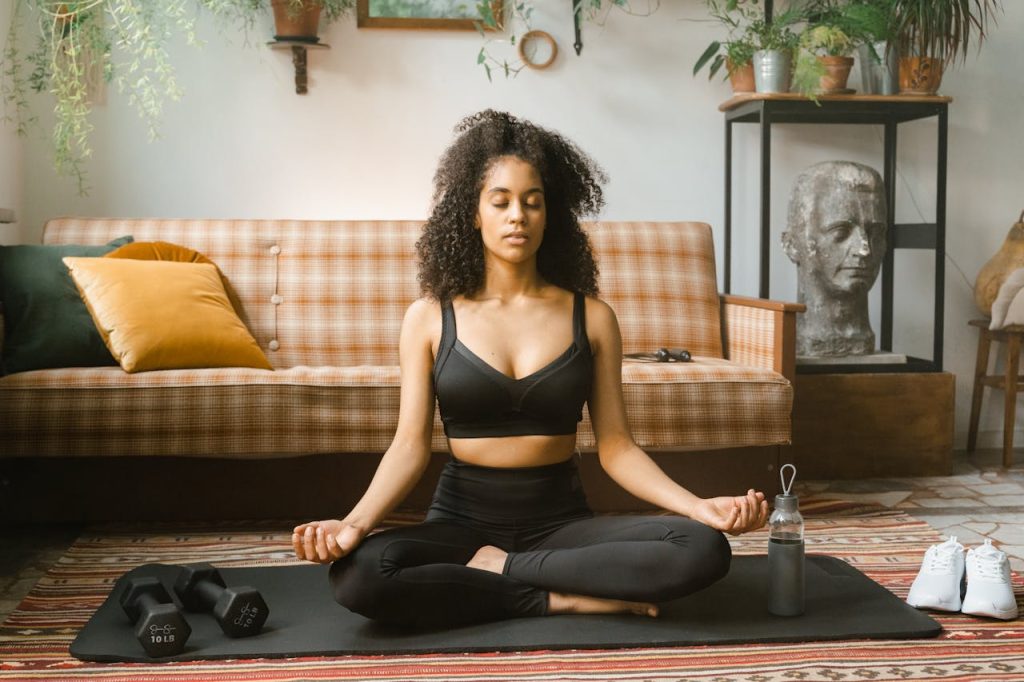
Choose a calm environment where you won’t be disturbed. You can sit on a chair, cushion, or floor, keeping your spine straight but relaxed.
Step 2: Adopt a Comfortable Posture
- Sit with your back upright.
- Place your hands on your knees or lap.
- Relax your shoulders and jaw.
- Close your eyes gently or keep a soft gaze.
Step 3: Focus on Your Breath
Bring attention to the natural flow of your breath. Notice:
- The sensation of air entering your nostrils
- The rise and fall of your chest or abdomen
- The rhythm of inhalation and exhalation
Step 4: Observe Without Judgment
Your mind may wander—this is normal. Gently bring your focus back to your breath each time you notice distractions. The practice is about awareness, not perfection.
Step 5: Start with Short Sessions
- Begin with 5–10 minutes per day
- Gradually increase to 20–30 minutes as you become comfortable.
- Consistency matters more than duration.
Step 6: Integrate Into Daily Life
Even outside formal meditation sessions, you can practice mindful breathing during:
- Commuting
- Work breaks
- Before meals
- Stressful situations
Tips to Deepen Your Practice
- Count your breaths: Slowly count each inhale and exhale to enhance concentration.
- Use guided meditation: Beginners may benefit from audio or video guides to maintain focus.
- Notice sensations: Pay attention to subtle changes in your body and mind as you breathe.
- Be patient: Progress may be gradual, but consistent practice yields long-term benefits.
- Avoid judgment: There is no “right” or “wrong” way; mindfulness is about observation, not control.
Common Challenges and How to Overcome Them
Even simple practices like awareness of breath meditation can present obstacles. Here’s how to address common challenges:
1. Wandering Mind
- Solution: Gently bring attention back to your breath without frustration. Think of it as a “mind workout.”
2. Physical Discomfort
- Solution: Adjust your posture or use a cushion for support. Comfort allows better focus.
3. Impatience or Restlessness
- Solution: Start with shorter sessions and gradually lengthen them. Mindfulness develops over time.
4. Difficulty Staying Consistent
- Solution: Schedule a fixed time daily and treat it as an essential appointment with yourself.
Why Choose Our Guided Awareness of Breath Meditation Services?
At Mindfulness Meditation Hub, we offer expertly designed sessions of awareness of breath meditation tailored for beginners and experienced practitioners alike. Our services provide:
- Step-by-step guidance: Learn the practice correctly from the start.
- Flexible session lengths: From 5-minute quick relief sessions to 30-minute deep practice
- Supportive community: Connect with other mindful practitioners
- Accessible anytime, anywhere: Guided meditations you can follow at home, in the office, or outdoors
- Ongoing resources: Tips, articles, and practices to integrate mindfulness into daily life
With our services, you’ll cultivate a sustainable meditation habit that improves your mental clarity, emotional balance, and overall well-being.
Final Thought
Awareness of breath meditation is a simple yet transformative practice that anyone can incorporate into their daily life. By focusing on the natural rhythm of your breath, you develop mindfulness, reduce stress, improve focus, and enhance overall health.
Whether you’re looking for emotional balance, better sleep, or improved concentration, this practice provides a powerful foundation for holistic well-being. At Mindfulness Meditation Hub, our guided services make it easier than ever to start and maintain a successful meditation practice.
Start today, and experience the profound benefits of being fully present, one breath at a time.
FAQs for Awareness of Breath Meditation
What is awareness of breath meditation?
Awareness of breath meditation is a mindfulness practice where you focus on the natural rhythm of your breathing to cultivate presence, reduce stress, and enhance mental clarity.
How do I start awareness of breath meditation?
Begin by finding a quiet space, adopting a comfortable posture, and gently focusing on the sensations of your inhalation and exhalation. Start with 5–10 minutes per day and gradually increase.
What are the benefits of awareness of breath meditation?
It reduces stress, improves focus, enhances emotional regulation, supports better sleep, and promotes overall well-being.
How long should I meditate each day?
For beginners, 5–10 minutes is ideal. As you progress, you can extend sessions to 20–30 minutes. Consistency matters more than duration.
Can awareness of breath meditation reduce anxiety?
Yes, focusing on your breath activates the parasympathetic nervous system, helping calm the mind and reduce anxiety levels.
Do I need prior experience to practice it?
No, this meditation is beginner-friendly and accessible to anyone. No special equipment or prior experience is required.
Can I practice awareness of breath meditation anywhere?
Yes, you can practice at home, in the office, outdoors, or even during short breaks. The key is focus and mindfulness.
Should I control my breath while meditating?
No, the goal is to observe your natural breath without altering it. Awareness, not control, is the main focus.
What if my mind keeps wandering?
It’s normal for the mind to wander. Gently bring your focus back to your breath each time, without judgment.
Is guided meditation better for beginners?
Yes, guided sessions provide step-by-step instructions and help maintain focus, making it easier for beginners to develop a consistent practice.
How does awareness of breath meditation help with sleep?
Focusing on the breath before bedtime calms the nervous system, reducing racing thoughts and making it easier to fall asleep.
Can children practice awareness of breath meditation?
Yes, children can benefit from mindful breathing, though sessions should be shorter and adapted to their attention span.
How often should I practice to see benefits?
Daily practice, even for a few minutes, produces noticeable benefits. Consistency is more important than session length.
Can awareness of breath meditation improve focus at work or school?
Yes, regular practice trains the mind to remain present, improving concentration, decision-making, and productivity.
Are there any risks or side effects?
Awareness of breath meditation is generally safe for most people. Those with severe anxiety or medical conditions should consult a professional if unsure.
Related Topics
- How to Practice Meditation: A Step-by-Step Guide for Beginners
- How Do I Start to Meditate? A Complete Beginner’s Guide
- What Do You Do When You Meditate? A Complete Guide
- How to Meditate Daily: A Simple Guide to Building a Lifelong
- Meditation Techniques for Anxiety | Calm Your Mind Naturally
- How to Meditate Effectively: A Step-by-Step Guide for Beginners
- Best Way to Meditate: A Complete Guide for Beginners and Experts
- Mind Success: Unlock Your Full Potential with Proven Techniques
- Stress Meditation: How Mindfulness Helps Reduce Stress
- What Do You Do When You Meditate? A Complete Guide
- Breathing Meditation Techniques for Beginners: A Complete Guide
- How to Meditate Daily: A Simple Guide to Building a Lifelong
- Grief Meditation: A Healing Practice for Emotional Recovery
- 5 Minute Meditation Scripts: Quick & Effective Guided Meditation
- Meditating at Home: Guide to Finding Peace and Balance
- Meditation and Sounds: Boost Mindfulness & Relaxation