
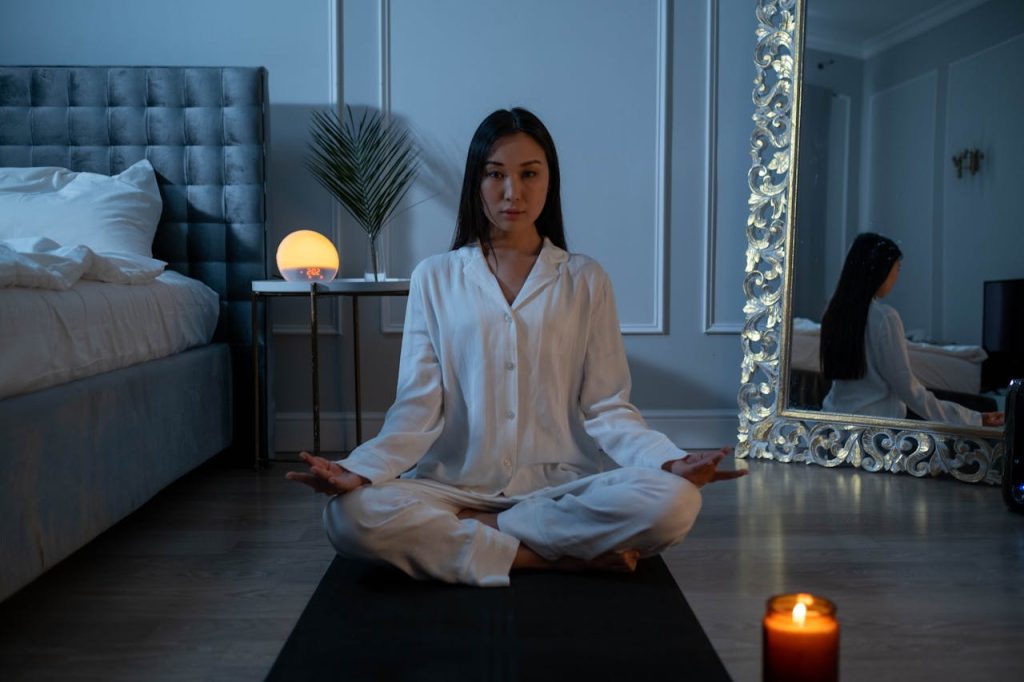
Discover how to begin meditating with simple steps, techniques, and tips for beginners. Learn how meditation reduces stress, improves focus, and supports mental well-being.
Overview
If you’ve ever wondered how to begin meditating but felt unsure where to start, you’re not alone. Meditation can seem intimidating at first, yet it’s one of the most straightforward and most powerful practices for improving mental clarity, emotional balance, and overall well-being.
In this blog, you will learn:
- Why meditation is essential for mental and physical health.
- How to prepare yourself and your space before you begin meditating.
- Easy step-by-step techniques to help you meditate effectively.
- Common challenges beginners face and how to overcome them.
- The benefits you can expect from building a consistent meditation practice.
By the end of this guide, you’ll not only know how to begin meditating, but you’ll also have the confidence to continue your practice for lasting benefits.
Why Meditation Matters
Meditation has been practiced for centuries across many cultures and traditions. Today, science supports its effectiveness in:
- Reducing stress and anxiety.
- Improving focus and concentration.
- Enhancing emotional resilience.
- Supporting better sleep and relaxation.
- Encouraging self-awareness and inner peace.
When you begin meditating, you’re taking an essential step toward cultivating mindfulness and creating a healthier relationship with your thoughts and emotions.
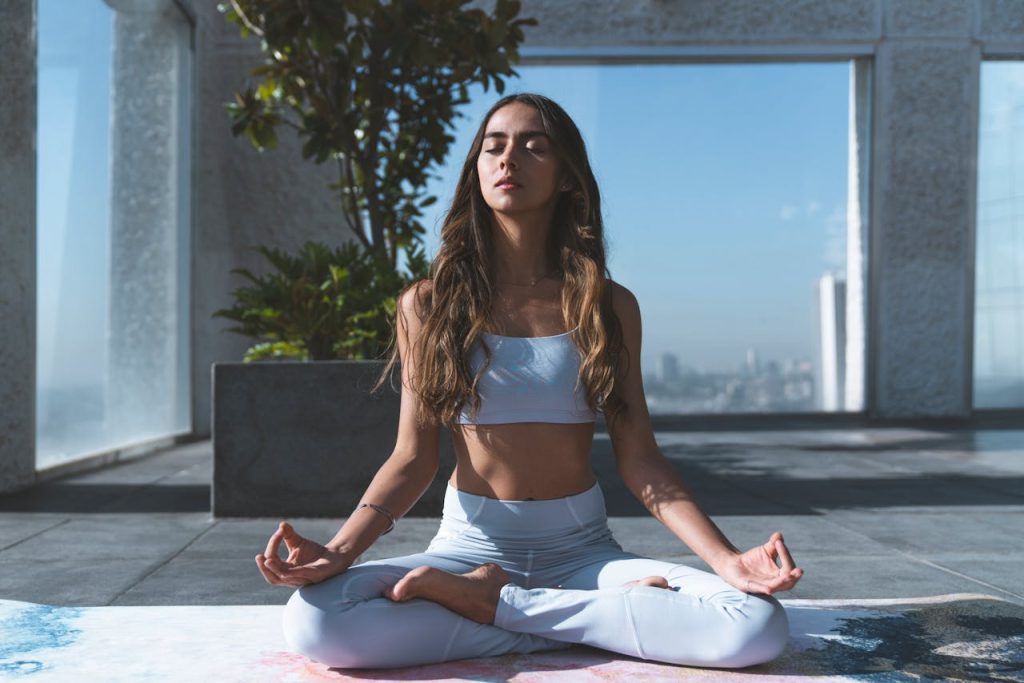
Preparing to Begin Meditating
Before you jump into meditation, preparation is key. Here’s how to set yourself up for success:
1. Choose Your Space
- Find a quiet, comfortable spot where you won’t be disturbed.
- It could be a corner of your bedroom, a chair in your office, or even outdoors.
- Keep it simple—no need for elaborate setups.
2. Decide on Your Posture
- Sit on a chair with feet flat on the floor, or on a cushion, cross-legged.
- Keep your spine straight but relaxed.
- Your hands can rest on your lap or knees.
3. Set a Time Limit
- Beginners should start with just 5–10 minutes.
- Gradually increase the time as you get more comfortable.
4. Remove Distractions
- Silence your phone or put it on airplane mode.
- Let others in your household know you need quiet time.
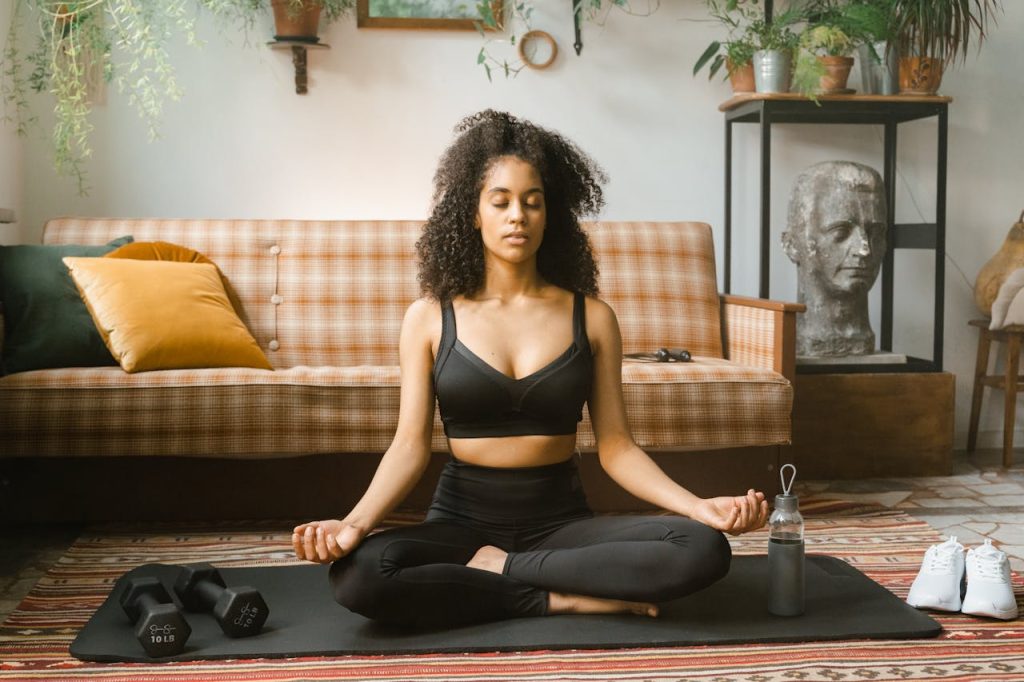
Simple Techniques to Begin Meditating
Here are a few beginner-friendly techniques you can try today:
1. Focus on the Breath
- Close your eyes and bring attention to your breathing.
- Notice the inhale and exhale without trying to control it.
- If your mind wanders, gently bring it back to the breath.
2. Body Scan Meditation
- Starting at your toes, slowly notice sensations in each part of your body.
- Work your way up to your head, relaxing as you go.
- This helps release tension and brings awareness to the present.
3. Guided Meditation
- Listen to a recorded meditation through apps or YouTube.
- A teacher’s voice can help keep you on track, especially when starting.
4. Mindfulness of Thoughts
- Sit quietly and notice your thoughts as they come and go.
- Don’t judge or cling to them—observe.
- This builds awareness of your inner dialogue.
Each of these practices makes it easier to begin meditating in a way that feels natural to you.
Common Challenges Beginners Face
When you first begin meditating, you might experience obstacles. Here’s how to handle them:
- Restlessness: Your body may feel fidgety. Focus on your breath and let the restlessness pass.
- Racing thoughts: It’s normal for the mind to wander. Gently return to your meditation anchor.
- Sleepiness: Try meditating sitting upright instead of lying down. Morning meditation can also help.
- Frustration: Don’t expect perfection. Meditation is about practice, not achievement.
Benefits of Starting a Meditation Practice
Once you begin meditating consistently, you may notice changes in your daily life:
- Stress relief: Meditation helps lower cortisol levels, thereby reducing stress and anxiety.
- Better focus: You’ll find it easier to concentrate at work or school.
- Improved relationships: By becoming calmer, you respond instead of reacting in conflicts.
- Emotional balance: Meditation helps you process feelings with more clarity.
- Enhanced self-awareness: You’ll better understand your patterns, habits, and triggers.
Over time, these benefits compound, making meditation a powerful tool for long-term mental health and wellness.
Tips to Stay Consistent
Consistency is the secret to success when you begin meditating. Use these tips to stay motivated:
- Start small: Just 5 minutes a day is enough at first.
- Pick the same time daily: Morning or evening routines work best.
- Use reminders: Set a phone alarm or keep a journal.
- Join a community: Meditate with friends or join an online group.
- Celebrate progress: Even noticing one calmer moment in your day counts as success.
Why Choose Our Services to Begin Meditating
At Mindfulness Meditation Hub, we provide the guidance and resources you need to start and sustain your practice. Whether you’re a beginner or seeking to deepen your journey, our services include:
- Guided meditation sessions for individuals and groups.
- Personalized meditation coaching tailored to your goals.
- Online resources and tools to help you practice anytime, anywhere.
- Community support so you feel encouraged and connected.
By choosing our services, you’ll gain the structure and accountability to begin meditating and build a meaningful daily practice successfully.
Final Thoughts
Learning how to begin meditating is one of the most valuable investments you can make in yourself. With just a few minutes each day, you can transform stress into calm, distraction into focus, and self-doubt into self-awareness.
Start small, stay consistent, and allow meditation to grow with you. Remember—this isn’t about being perfect, but about showing up for yourself.
At Mindfulness Meditation Hub, we’re here to support you every step of the way. Let us help you cultivate a lifelong meditation practice that fosters balance, peace, and clarity.
Related Topics
Meditation and Sounds: Boost Mindfulness & Relaxation
How to Practice Meditation: A Step-by-Step Guide for Beginners
Meditation Techniques for Anxiety | Calm Your Mind Naturally
Mind Success: Unlock Your Full Potential with Proven Techniques
Stress Meditation: How Mindfulness Helps Reduce Stress
What Do You Do When You Meditate? A Complete Guide
Breathing Meditation Techniques for Beginners: A Complete Guide
How to Meditate Daily: A Simple Guide to Building a Lifelong
Grief Meditation: A Healing Practice for Emotional Recovery
5 Minute Meditation Scripts: Quick & Effective Guided Meditation
Meditating at Home: Guide to Finding Peace and Balance

Frequently Asked Questions About Begin Meditating
Q: What is meditation, and how does it work?
A: Meditation is a practice where you focus your mind to achieve mental clarity, emotional calm, and stress relief. It works by helping you become more aware of your thoughts, emotions, and body, so you can respond mindfully rather than react automatically.
Q: How long should I meditate each day?
A: Start with 5-10 minutes a day, especially if you’re a beginner. As you get more comfortable, you can gradually extend your sessions up to 20–30 minutes or longer, depending on your schedule and goals.
Q: Is it necessary to meditate every day?
A: While daily meditation offers the best results, it’s not mandatory. Try to meditate as consistently as possible. Even a few sessions per week can still bring noticeable benefits.
Q: What are the benefits of meditation?
A: Meditation can reduce stress, improve concentration, increase emotional balance, enhance self-awareness, improve sleep, and promote physical health, such as lowering blood pressure and boosting immunity.
Q: What is mindfulness meditation?
A: Mindfulness meditation is the practice of paying attention to the present moment without judgment. You focus on your breath, your body, or your surroundings, helping cultivate awareness and reduce stress.
Q: Can meditation help with anxiety or depression?
A: Yes, many people find that meditation helps reduce anxiety and symptoms of depression by fostering relaxation, enhancing emotional regulation, and promoting a positive mindset.
Q: What’s the best time of day to meditate?
A: The best time to meditate depends on your schedule. Morning meditation sets a peaceful tone for the day, while evening meditation can help relax your mind before sleep. The key is consistency.
Q: Can I meditate while lying down?
A: Yes, if sitting is uncomfortable, you can lie down. Just be mindful not to fall asleep! A body-scan meditation is great for lying down, especially if you want to relax and release tension.
Q: What should I do if my mind keeps wandering during meditation?
A: It’s normal for the mind to wander. Gently bring your focus back to your breath or point of attention without judgment. Over time, it becomes easier to stay present.
Q: Can beginners use guided meditation?
A: Absolutely! Guided meditations are great for beginners. They provide structure and help you stay focused with clear instructions, making it easier to meditate.
Q: How do I find a good meditation app or recording?
A: Look for apps with positive reviews, a variety of guided sessions, and a focus on mindfulness, relaxation, or specific goals like stress relief. Popular ones include Headspace, Calm, and Insight Timer.
Q: Can meditation help improve focus and concentration?
A: Yes! Meditation trains your brain to focus on one thing at a time, which improves concentration and cognitive performance over time.
Q: Is meditation a religious practice?
A: Meditation can be practiced within various religious traditions, but it is not inherently spiritual. Many people practice it simply for mental clarity and well-being, without a religious context.
Q: How can I overcome distractions while meditating?
A: Create a quiet, comfortable space, turn off your phone, and set a timer to avoid checking the clock. You can also use techniques like focusing on your breath or a mantra to stay grounded.
Q: What if I feel restless or uncomfortable during meditation?
A: Restlessness is typical. Adjust your posture, focus on breathing, or do a gentle body scan. If discomfort persists, consider shorter sessions to gradually build your practice.
Q: Do I need to sit cross-legged to meditate?
A: No, sitting cross-legged is not required. You can meditate while sitting in a chair, lying down, or even standing, as long as you maintain an alert and comfortable posture.
Q: How do I know if I’m meditating correctly?
A: Meditation isn’t about “doing it perfectly.” If you’re focusing on your breath, being present, and gently guiding your mind back when it wanders, you’re doing it right. Over time, you’ll notice improvements in your mental clarity and emotional well-being.
Q: Can children meditate?
A: Yes, children can meditate! Meditation can help kids manage stress, improve focus, and enhance emotional resilience. Simple techniques like breathing exercises or guided meditation stories work well for them.