
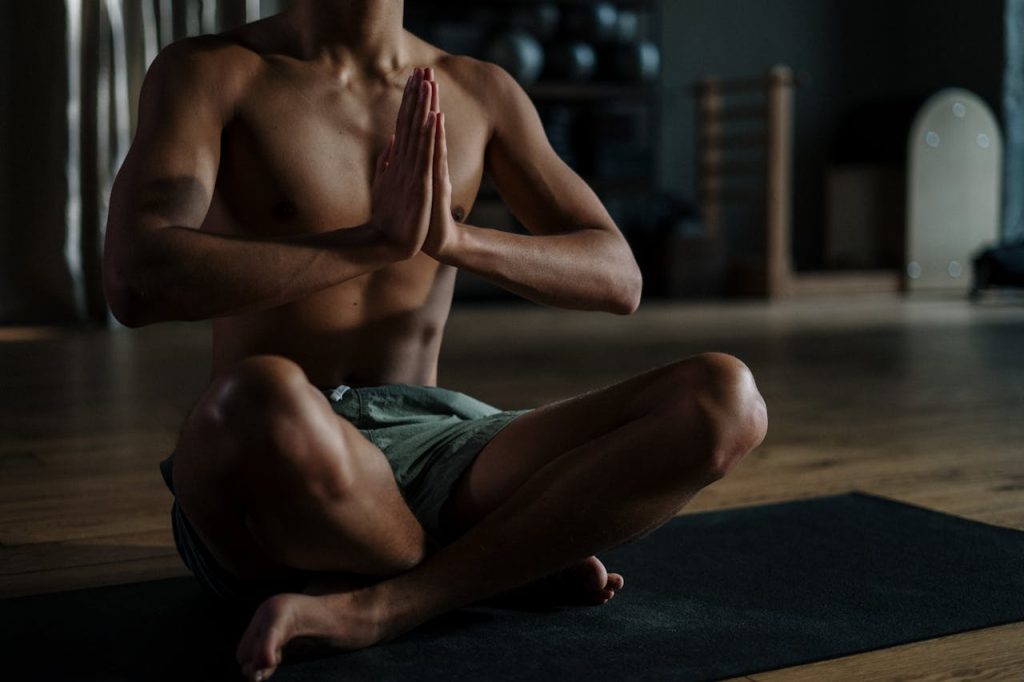
Discover how body scan meditation helps reduce stress, improve sleep, and enhance mindfulness. Learn how to practice it effectively and its proven mental health benefits.
Overview: What You’ll Learn
In this comprehensive blog post, you’ll discover:
- What body scan meditation is and how it works
- The physical, emotional, and psychological benefits of the practice
- A detailed step-by-step guide to practicing body scan meditation at home
- Expert tips to deepen your practice and avoid common pitfalls
- How body scan meditation supports stress management, better sleep, and emotional regulation
Whether new to meditation or seeking to expand your mindfulness toolkit, this post will equip you with everything you need to get started and stay committed.
What Is Body Scan Meditation?
Body scan meditation is a mindfulness practice that involves slowly directing your attention to different parts of your body, typically from head to toe or vice versa. It allows you to become more aware of physical sensations, tension, and stress while fostering a deep sense of relaxation and present-moment awareness.
Unlike some meditations focusing on the breath or visualizations, body scan meditation emphasizes somatic (body-centered) awareness. This technique is widely used in mindfulness-based stress reduction (MBSR) programs and is supported by scientific research for its mental health benefits.
The Benefits of Body Scan Meditation
Practicing body scan meditation regularly can offer a wide range of benefits, including:
1. Stress Reduction
- Helps reduce cortisol levels (the stress hormone)
- Encourages the relaxation response
- Calms the nervous system
2. Improved Sleep
- Releases tension stored in the body before bedtime
- Promotes deeper, more restorative sleep
3. Emotional Regulation
- Increases awareness of emotional patterns
- Reduces reactivity by creating space between stimuli and response
4. Pain Management
- Used in clinical settings to manage chronic pain
- Helps reduce pain intensity by separating sensation from suffering
5. Mindfulness and Presence
- Trains your attention to stay grounded in the present moment
- Increases your ability to notice thoughts and feelings without judgment
Pro Tip: Practicing it, even for just 10 minutes a day, can significantly improve your well-being.
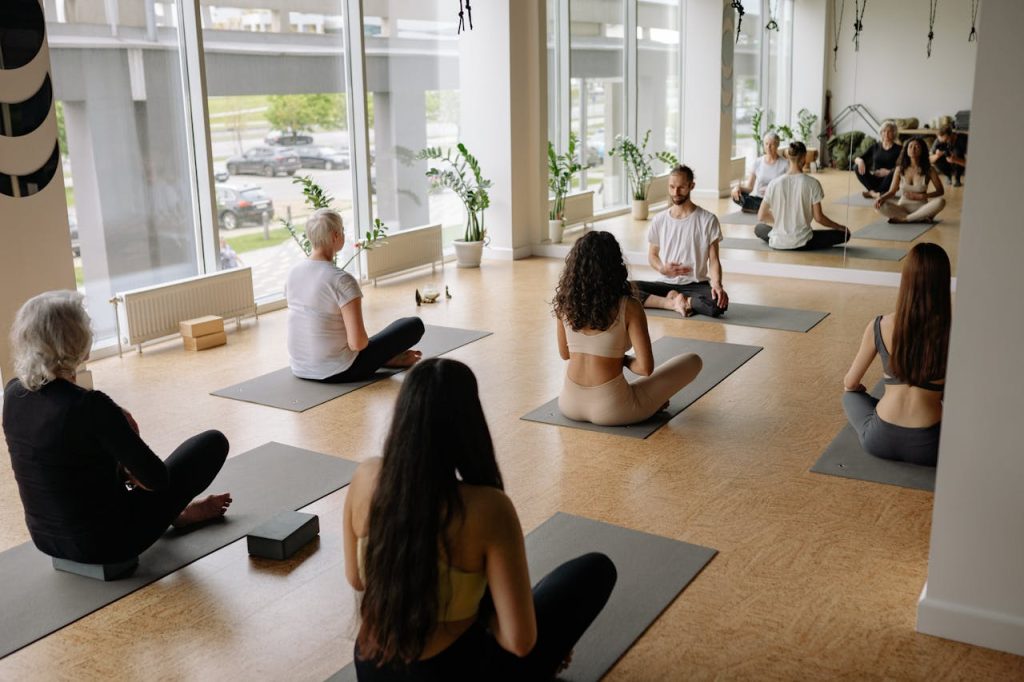
How to Practice Body Scan Meditation: A Step-by-Step Guide
Step 1: Find a Quiet Space
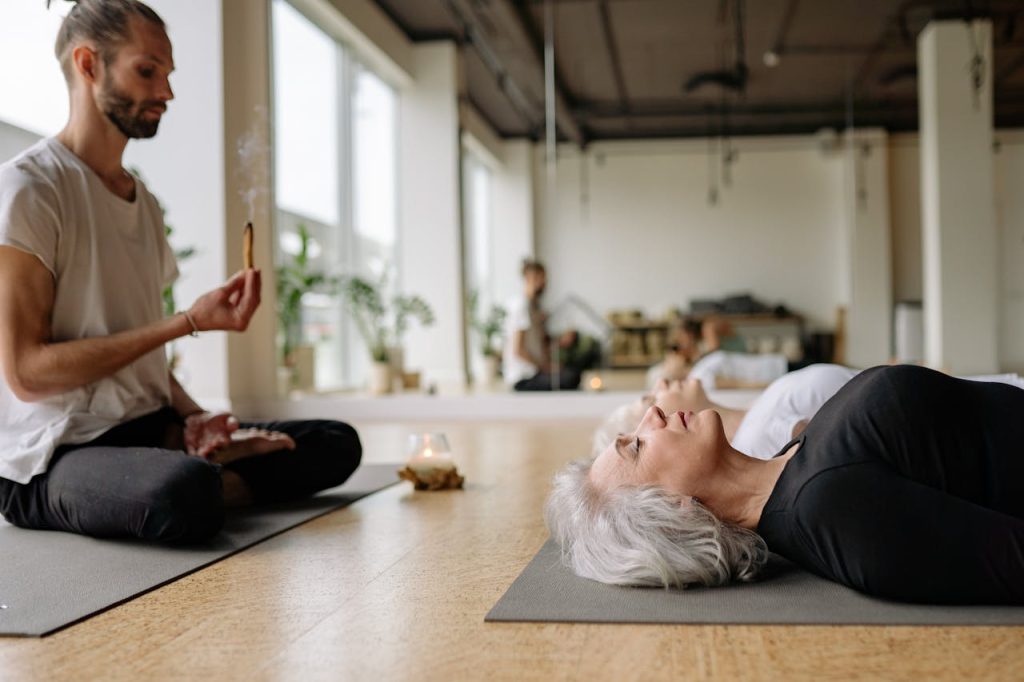
Choose a calm, quiet environment where you won’t be disturbed. You can lie on your back on a mat, bed, or recliner, or sit comfortably in a chair.
Step 2: Set an Intention
Decide how long you’d like to meditate. 10–20 minutes is a great starting point for beginners.
Step 3: Start With the Breath
Close your eyes and take a few deep breaths. Inhale slowly through the nose, and exhale gently through the mouth. This anchors your attention and helps you shift inward.
Step 4: Begin the Scan
Start at the top of your head or your toes. Slowly bring awareness to each body part, one at a time. Notice any:
- Sensations (warmth, tingling, pressure)
- Pain or discomfort
- Tension or relaxation
- Emotional energy
Step 5: Observe Without Judgment
Don’t try to change or fix anything. Acknowledge your feelings and move on.
Step 6: Continue Through the Body
Progress through the body gradually: head, face, neck, shoulders, arms, hands, chest, back, abdomen, hips, thighs, knees, calves, feet.
Step 7: Close With Gratitude
Once the scan is complete, take a few deep breaths and express gratitude for your body and your practice.
How Often Should You Practice Body Scan Meditation?
Consistency is more important than duration. Aim to practice it:
- Daily or 3–5 times a week
- For 10–30 minutes per session
If you’re struggling with stress, anxiety, or insomnia, increasing the frequency may enhance the benefits more quickly.
Who Can Benefit from Body Scan Meditation?
This practice is suitable for:
- Beginners looking to start mindfulness
- Individuals managing anxiety or chronic stress
- People recovering from trauma
- Those dealing with chronic pain
- Anyone wanting to reconnect with their body
Because it’s gentle and adaptable, it is perfect for all experience levels and can be practiced lying down, sitting, or even before sleep.
Common Mistakes to Avoid
While it is simple, these mistakes can limit your progress:
Trying Too Hard to Relax
Relaxation is a result, not the goal. Focus on awareness, and relaxation will follow naturally.
Judging Sensations
Avoid labeling sensations as “good” or “bad.” Just notice what’s present.
Falling Asleep
If you keep dozing off, try practicing sitting upright or earlier in the day.
Expecting Instant Results
Like any mindfulness practice, it takes time and consistency to feel the full benefits.
Why Choose Mindfulness Meditation Hub for Guided Body Scan Meditations?
Mindfulness Meditation Hub offers a wide range of guided body scan meditations to help you relax, release stress, and reconnect with your body. Our sessions are:
- Created by certified mindfulness instructors
- Available in various durations (5 to 30 minutes)
- Suitable for beginners and advanced practitioners alike
- Available on-demand anytime, anywhere
Explore our library of body scan meditations here.
Final Thoughts
Body scan meditation is more than just a relaxation technique — it’s a powerful practice that brings awareness, healing, and presence into your everyday life. Consistent practice can become a cornerstone of your mental and physical wellness routine.
So whether you’re looking to ease tension, sleep better, or pause from a busy world, this practice offers a gentle, accessible path back to yourself.
Related Topics
Meditation and Sounds: Boost Mindfulness & Relaxation
How to Practice Meditation: A Step-by-Step Guide for Beginners
Meditation Techniques for Anxiety | Calm Your Mind Naturally
Mind Success: Unlock Your Full Potential with Proven Techniques
Stress Meditation: How Mindfulness Helps Reduce Stress
What Do You Do When You Meditate? A Complete Guide
Breathing Meditation Techniques for Beginners: A Complete Guide
How to Meditate Daily: A Simple Guide to Building a Lifelong
Grief Meditation: A Healing Practice for Emotional Recovery
5 Minute Meditation Scripts: Quick & Effective Guided Meditation
Meditating at Home: Guide to Finding Peace and Balance
Frequently Asked Questions
Q: What is Body Scan Meditation?
A: Body scan meditation is a mindfulness practice where you focus on each part of your body, starting from the head and moving down to the toes (or vice versa), observing sensations without judgment. It’s used to increase body awareness and relieve stress.
Q: How does Body Scan Meditation help reduce stress?
A: Body scan meditation activates the parasympathetic nervous system, promoting relaxation and reducing the body’s stress response. By focusing on bodily sensations, it can calm the mind, lower cortisol levels, and improve emotional regulation.
Q: Can Body Scan Meditation improve sleep?
A: Yes, body scan meditation can improve sleep quality. Reducing physical tension and calming the mind helps prepare the body for rest, making it easier to fall asleep and enjoy a deeper sleep cycle.
Q: How often should I practice Body Scan Meditation?
A: It’s recommended to practice body scan meditation regularly. Starting with 10–15 minutes daily can help enhance mindfulness and reduce stress. Over time, you can increase the duration as you become more comfortable with the practice.
Q: Is Body Scan Meditation suitable for beginners?
A: Yes, body scan meditation is perfect for beginners. It requires no special equipment or experience, and you can start with a short, guided session. It’s an accessible way to introduce mindfulness into your daily routine.
Q: What should I do if my mind wanders during a Body Scan session?
A: It’s natural for your mind to wander during meditation. Acknowledge the distraction and gently return your focus to your body scan. The goal is not to eliminate distractions but to return to the present moment without judgment.
Q: What are the benefits of Body Scan Meditation for physical health?
A: Body scan meditation can help reduce muscle tension, improve circulation, and lower blood pressure. It’s particularly beneficial for people with chronic pain, as it encourages relaxation and heightens the body’s awareness of areas requiring attention.
Q: Can Body Scan Meditation help with anxiety?
A: Yes, body scan meditation is effective for managing anxiety. It helps ground the mind in the present moment, focusing on physical sensations rather than anxious thoughts, which can calm the nervous system and reduce anxiety levels.
Q: How long should a Body Scan Meditation session last?
A: A typical body scan meditation session lasts between 10–30 minutes. Beginners may start with shorter sessions and gradually extend the duration as they become more comfortable with the practice.
Q: Can Body Scan Meditation be done lying down?
A: Yes, body scan meditation can be practised lying down, which is especially helpful for those with physical discomfort or those who prefer a more relaxed posture. Make sure to lie in a comfortable position, such as on your back, with your arms and legs extended.
Q: What is the role of breathing in Body Scan Meditation?
A: Breathing plays an essential role in body scan meditation. Deep, mindful breathing helps activate the relaxation response in the body and calms the mind, making it easier to stay focused and present throughout the practice.
Q: Can I practice Body Scan Meditation if I have chronic pain?
A: Yes, body scan meditation can be beneficial for those with chronic pain. Increasing body awareness and encouraging relaxation can help manage pain levels and improve the body’s ability to cope with discomfort.
Q: How do I know if Body Scan Meditation is working for me?
A: You may notice reduced stress, improved sleep, and a greater sense of calm or relaxation after practising body scan meditation regularly. Over time, you may also become more aware of your body and its needs, enhancing overall well-being.
Q: Is Body Scan Meditation the same as progressive muscle relaxation?
A: While both practices involve focusing on different parts of the body, body scan meditation emphasises observing sensations without judgment. In contrast, progressive muscle relaxation involves tensing and releasing muscles to promote relaxation. Both can be helpful for stress reduction.
Q: Can Body Scan Meditation help with mindfulness in daily life?
A: Yes, practising body scan meditation can improve your overall mindfulness. It teaches you to tune into your body’s sensations, which can carry over into daily activities, helping you stay present and aware throughout the day.