
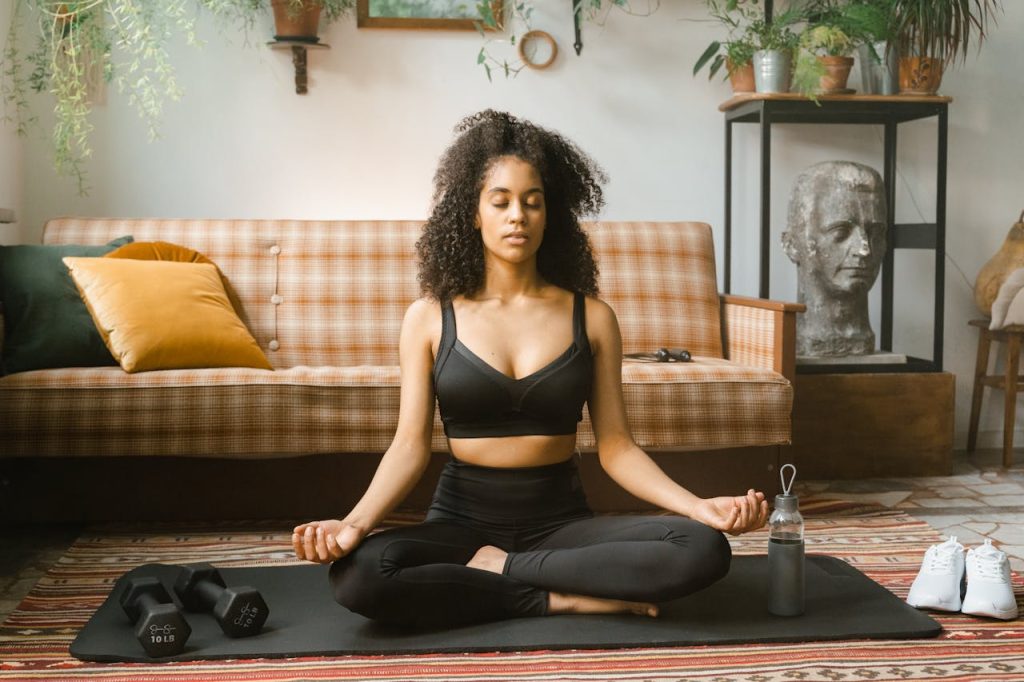
Discover powerful breathing techniques for meditation to reduce stress, improve focus, and deepen your practice. Learn simple, effective methods you can start today.
Overview
In today’s fast-paced world, stress and mental fatigue have become part of everyday life. The good news? Your breath is one of the most powerful tools you have to restore balance. Learning the right breathing techniques for meditation can transform not only your meditation practice but also your overall well-being.
At Mindfulness Meditation Hub, we guide individuals through effective and accessible meditation practices designed for real life. Whether you’re a beginner or looking to deepen your practice, mastering the right breathing techniques for meditation can help you experience greater calm, clarity, and emotional resilience.
Why Breathing Matters in Meditation
Breathing is the foundation of meditation. It serves as an anchor for the mind and a bridge between your body and thoughts.
When you focus on your breath:
- Your nervous system begins to regulate
- Your heart rate stabilizes.
- Stress hormones decrease
- Mental chatter slows down
Proper breathing techniques for meditation help shift your body from “fight or flight” mode into “rest and digest” mode. This is where healing, clarity, and emotional balance happen.
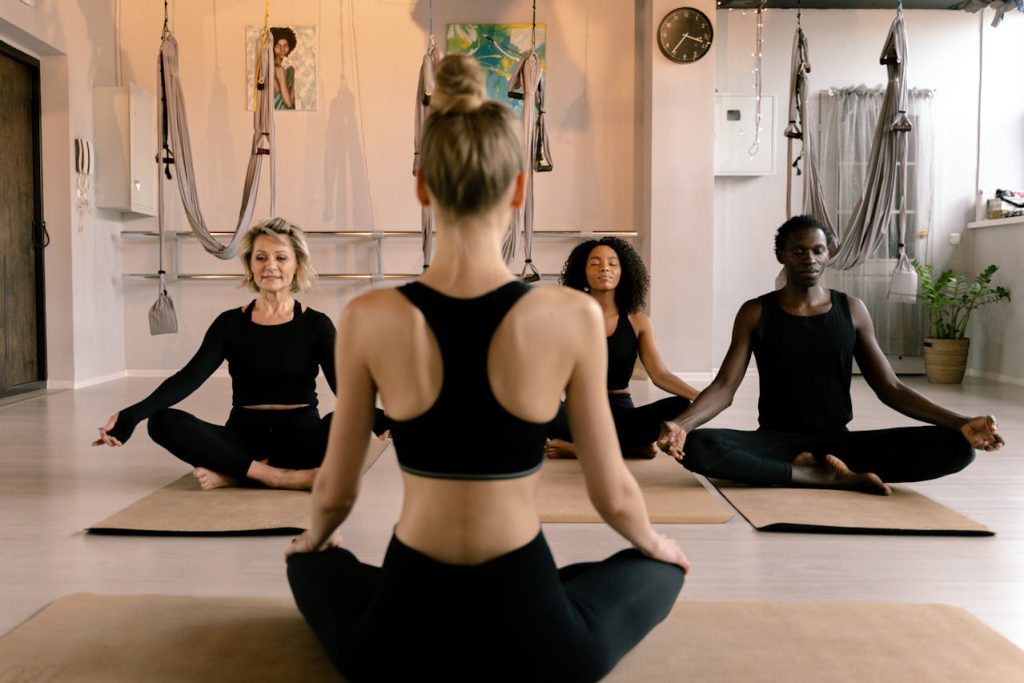
The Science Behind Breathing and Relaxation
Your breath directly influences your autonomic nervous system.
There are two primary branches:
- Sympathetic Nervous System – Activates stress response
- Parasympathetic Nervous System – Promotes relaxation and recovery
Slow, controlled breathing activates the parasympathetic system, helping you:
This is why structured breathing techniques for meditation are so effective. They are not just spiritual tools—they are scientifically supported methods for mental and physical well-being.
7 Powerful Breathing Techniques for Meditation
Let’s explore the most effective and beginner-friendly breathing techniques for meditation that we teach and guide through our sessions.
1. Diaphragmatic Breathing (Belly Breathing)
What It Is
This foundational method involves breathing deeply into the diaphragm instead of shallow chest breathing.
How to Practice
- Sit comfortably or lie down.
- Place one hand on your chest and one on your belly.
- Inhale slowly through your nose, letting your belly rise.
- Exhale slowly through your mouth.
- Repeat for 5–10 minutes.
Benefits
- Reduces stress quickly
- Improves oxygen flow
- Builds awareness for deeper meditation
This is often the first of many breathing techniques for meditation we recommend to beginners.
2. Box Breathing (4-4-4-4 Technique)
What It Is
A structured breathing method used by athletes and professionals to enhance focus.
How to Practice
- Inhale for 4 counts
- Hold for 4 counts
- Exhale for 4 counts
- Hold for 4 counts
- Repeat for several rounds
Benefits
- Improves concentration
- Calms nervous energy
- Enhances mental clarity
Box breathing is one of the most balanced breathing techniques for meditation when you need both calm and alertness.
3. 4-7-8 Breathing
What It Is
A rhythmic breathing pattern designed to reduce anxiety and promote sleep.
How to Practice
- Inhale through your nose for 4 counts.
- Hold your breath for 7 counts.
- Exhale slowly for 8 counts
- Repeat 4–6 cycles
Benefits
- Promotes deep relaxation
- Supports better sleep
- Reduces racing thoughts
If stress or insomnia is your concern, this is one of the most effective breathing techniques for meditation to try.
4. Alternate Nostril Breathing (Nadi Shodhana)
What It Is
A traditional yogic breathing method that balances energy channels in the body.
How to Practice
- Close your right nostril with your thumb.
- Inhale through the left nostril.
- Close the left nostril and exhale through the right.
- Inhale through the right.
- Switch and exhale through the left.
- Continue alternating.
Benefits
- Balances left and right brain activity
- Reduces anxiety
- Improves focus
Among advanced breathing techniques for meditation, this one is powerful for emotional balance.
5. Equal Breathing (Sama Vritti)
What It Is
Inhale and exhale for the same number of counts.
How to Practice
- Inhale for 5 counts
- Exhale for 5 counts
- Continue for 5–10 minutes
Benefits
- Stabilizes mood
- Creates rhythm and flow
- Strengthens breath control
This technique is excellent for maintaining steady meditation sessions.
6. Ocean Breath (Ujjayi Breath)
What It Is
A breath that creates a soft ocean-like sound in the throat.
How to Practice
- Inhale slowly through the nose.
- Slightly constrict the throat
- Exhale slowly with the same throat control
Benefits
- Enhances focus
- Builds internal heat
- Deepens awareness
Ocean breath is commonly used in yoga but is also highly effective in breathing techniques for meditation practice.
7. Guided Breath Awareness
Sometimes, the simplest technique is mindful observation.
How to Practice
- Sit comfortably
- Close your eyes
- Observe your natural breathing
- Do not change it—just notice.
Benefits
- Strengthens mindfulness
- Builds mental clarity
- Supports emotional awareness
At Mindfulness Meditation Hub, our guided sessions often incorporate structured breathing techniques for meditation combined with breath awareness for maximum benefit.
How to Choose the Right Breathing Technique for You
Different goals require different approaches.
If You Want to:
- Reduce anxiety → Try 4-7-8 breathing
- Improve focus → Practice box breathing
- Sleep better → Use slow diaphragmatic breathing
- Balance emotions → Try alternate nostril breathing
- Build meditation depth → Use guided breath awareness
The key is consistency. The best breathing techniques for meditation are the ones you practice regularly.
Common Mistakes to Avoid
Even simple practices can be less effective if done incorrectly.
Avoid:
- Forcing your breath
- Breathing too quickly
- Sitting in an uncomfortable posture
- Expecting instant results
- Skipping regular practice
Meditation is a skill. Like any skill, breathing techniques for meditation improve over time.
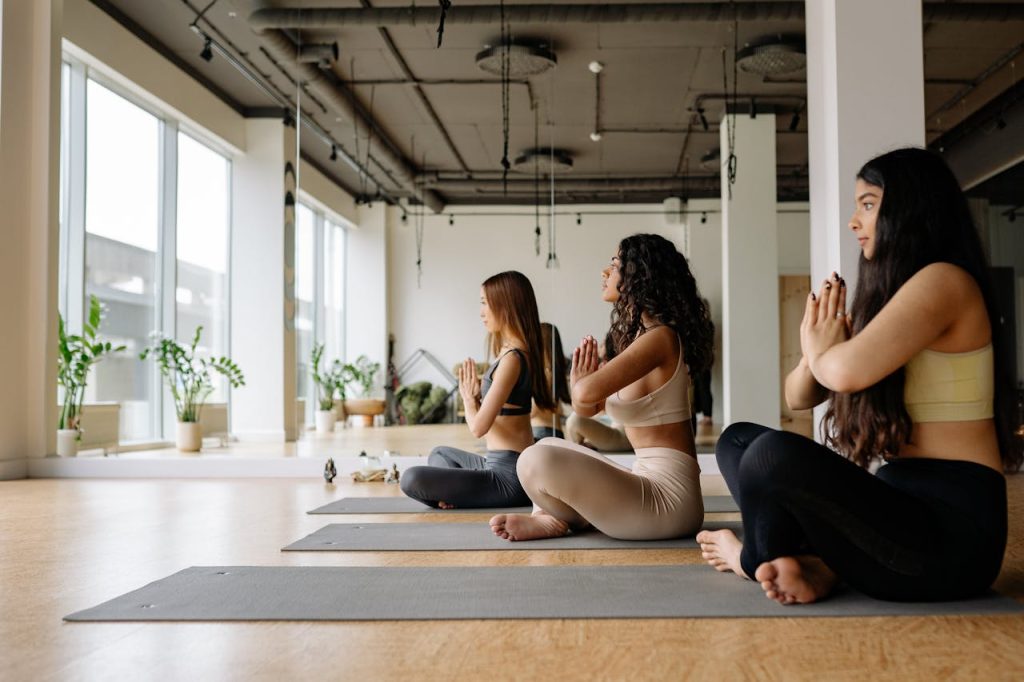
How Guided Meditation Enhances Breathing Practice
While self-practice is powerful, guided meditation provides structure and support.
Benefits of guided sessions include:
- Step-by-step instructions
- Proper pacing
- Reduced distraction
- Emotional guidance
- Increased accountability
Our meditation programs integrate proven breathing techniques for meditation with mindfulness training to help you build a sustainable and enjoyable practice.
Creating a Daily Breathing Routine
To experience real transformation, consistency is essential.
Start With:
- 5–10 minutes per day
- A quiet, comfortable space
- A simple breathing method
- A realistic schedule
Over time, increase duration and explore different breathing techniques for meditation to discover what resonates most with you.
Long-Term Benefits of Breath-Focused Meditation
When practiced consistently, breathing meditation can lead to:
- Improved emotional regulation
- Stronger focus and productivity
- Reduced stress and burnout
- Better sleep quality
- Enhanced overall mental clarity
Breath is always available to you—anytime, anywhere.
Final Thoughts: Breathe Your Way to Balance
Your breath is more than just air moving in and out of your body. It is a gateway to calm, clarity, and inner strength. Mastering effective breathing techniques for meditation can dramatically enhance your well-being and transform how you handle daily challenges.
Whether you’re just starting or looking to deepen your mindfulness journey, structured breathing techniques for meditation are a simple yet powerful tool for lasting change.
At Mindfulness Meditation Hub, we offer guided sessions and expert-led practices designed to help you breathe better, meditate deeper, and live more mindfully.
FAQs for Breathing Techniques for Meditation
What are breathing techniques for meditation?
Breathing techniques for meditation are structured methods of controlling or observing the breath to enhance focus, relaxation, and mindfulness during meditation practice.
Why are breathing techniques important in meditation?
Breathing techniques help calm the nervous system, reduce stress, improve concentration, and anchor the mind, making meditation more effective and enjoyable.
Which breathing technique is best for beginners?
Diaphragmatic (belly) breathing and simple breath awareness are the best breathing techniques for meditation beginners because they are easy to learn and highly effective.
How long should I practice breathing techniques for meditation?
Start with 5–10 minutes daily. As you become more comfortable, you can gradually extend your meditation sessions to 15–20 minutes.
Can breathing techniques reduce anxiety?
Yes. Slow, controlled breathing techniques for meditation activate the parasympathetic nervous system, which helps lower anxiety and promote relaxation.
What is the 4-7-8 breathing technique?
The 4-7-8 method involves inhaling for 4 seconds, holding for 7 seconds, and exhaling for 8 seconds. It is one of the most effective breathing techniques for meditation to reduce stress and improve sleep.
Is box breathing good for meditation?
Yes. Box breathing (4-4-4-4 technique) improves focus and emotional control, making it a powerful breathing technique for meditation and daily stress management.
Can I meditate without controlling my breath?
Yes. Breath awareness meditation allows you to observe your natural breathing without changing it. This is one of the simplest breathing techniques for meditation.
How do breathing techniques improve focus?
Controlled breathing increases oxygen flow to the brain and reduces mental distractions, which enhances concentration and mental clarity.
Are breathing techniques safe for everyone?
Most breathing techniques for meditation are safe for healthy individuals. However, people with respiratory conditions should consult a healthcare professional before trying advanced breath control methods.
How often should I practice breathing meditation?
For best results, practice daily. Consistency with breathing techniques for meditation leads to long-term mental and emotional benefits.
Can breathing meditation help with sleep?
Yes. Slow breathing techniques, such as 4-7-8 breathing, can calm the nervous system and make it easier to fall asleep naturally.
What is the difference between mindful breathing and deep breathing?
Mindful breathing focuses on awareness of the breath, while deep breathing emphasizes intentionally slowing and deepening each breath. Both are effective breathing techniques for meditation.
Do guided meditations include breathing techniques?
Yes. Many guided meditation sessions incorporate structured breathing techniques for meditation to help participants relax and focus more effectively.
How long does it take to see results from breathing meditation?
Some benefits, like reduced stress, can be felt immediately. Long-term improvements in focus and emotional balance typically develop with consistent practice over several weeks.
Related Topics
- How to Practice Meditation: A Step-by-Step Guide for Beginners
- How Do I Start to Meditate? A Complete Beginner’s Guide
- What Do You Do When You Meditate? A Complete Guide
- How to Meditate Daily: A Simple Guide to Building a Lifelong
- Meditation Techniques for Anxiety | Calm Your Mind Naturally
- How to Meditate Effectively: A Step-by-Step Guide for Beginners
- Best Way to Meditate: A Complete Guide for Beginners and Experts
- Mind Success: Unlock Your Full Potential with Proven Techniques
- Stress Meditation: How Mindfulness Helps Reduce Stress
- What Do You Do When You Meditate? A Complete Guide
- Breathing Meditation Techniques for Beginners: A Complete Guide
- How to Meditate Daily: A Simple Guide to Building a Lifelong
- Grief Meditation: A Healing Practice for Emotional Recovery
- 5 Minute Meditation Scripts: Quick & Effective Guided Meditation
- Meditating at Home: Guide to Finding Peace and Balance
- Meditation and Sounds: Boost Mindfulness & Relaxation