
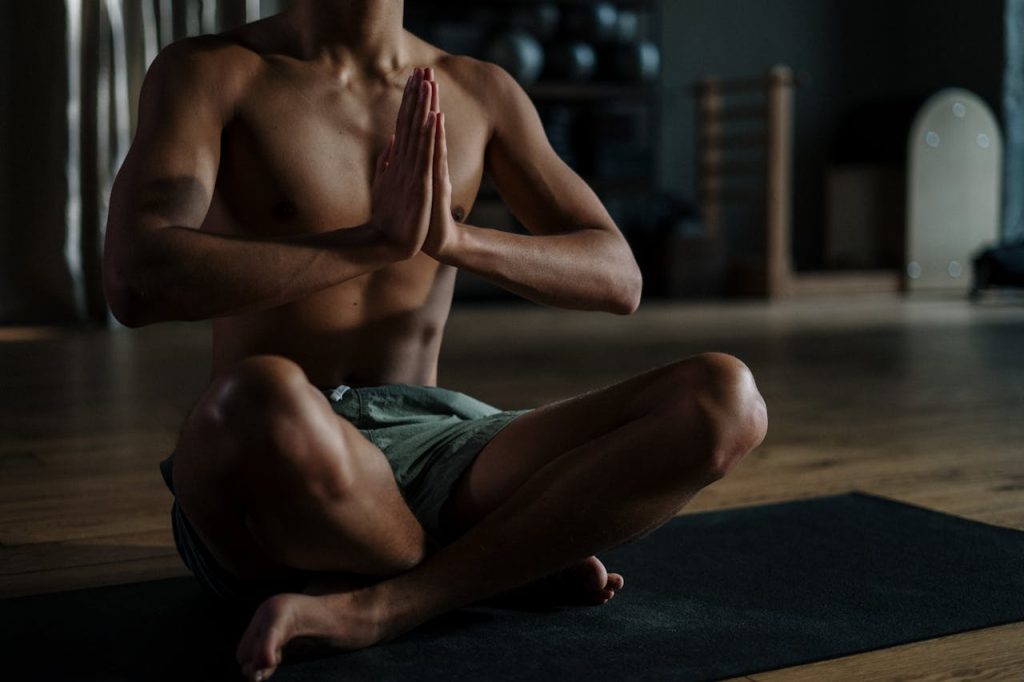
Discover the correct way to meditate with this step-by-step guide. Learn techniques, posture, breathing, and tips to build a consistent mindfulness practice.
Overview
Meditation has become one of the most powerful tools for improving mental clarity, reducing stress, and enhancing overall well-being. Yet, one of the most common questions people ask is, ‘What is the correct way to meditate?’
The truth is, meditation isn’t about perfection—it’s about consistency, awareness, and learning the right approach that works for you. In this guide, we’ll break down the correct way to meditate, step by step, so you can build a practice that truly transforms your mind and life.
What Does the “Correct Way to Meditate” Really Mean?
Before diving into techniques, it’s important to understand that the correct way to meditate isn’t about rigid rules. Instead, it’s about:
- Being present in the moment
- Observing your thoughts without judgement
- Developing awareness and inner calm
There are many meditation styles, but the foundation remains the same: attention and awareness.
Preparing for Meditation
Create the Right Environment
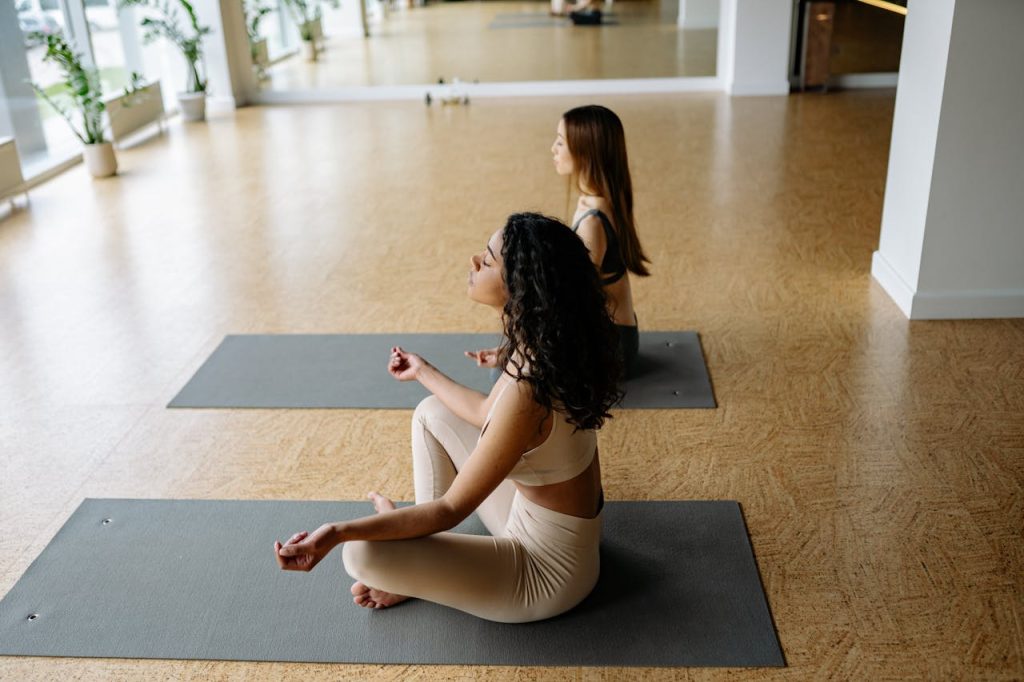
The first step in learning the correct way to meditate is setting up a peaceful space.
Tips for your environment:
- Choose a quiet place with minimal distractions.
- Use soft lighting or natural light
- Sit on a cushion, chair, or yoga mat
- Optional: light incense or play calming sounds
You don’t need a perfect setup—just a space where you feel comfortable and relaxed.
Choose the Right Time
Consistency matters more than timing, but certain moments work better:
- Early morning (best for clarity and focus)
- Before bed (helps relaxation and sleep)
- During breaks (reduces stress during the day)
The correct way to meditate includes making it part of your daily routine.
The Correct Meditation Posture
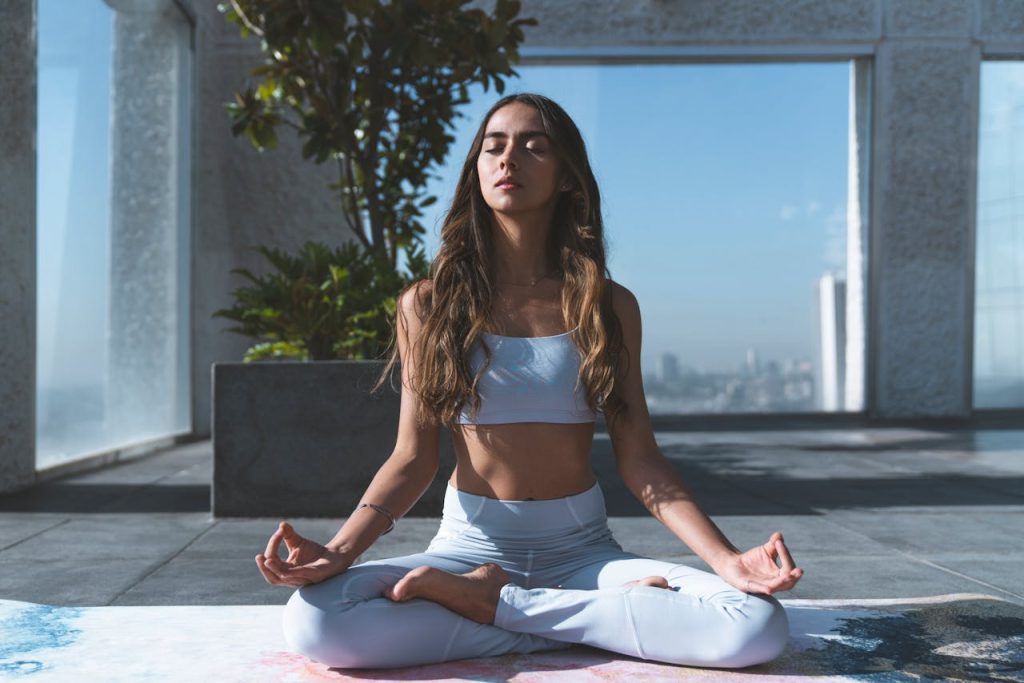
Posture plays a key role in meditation. You don’t need to sit cross-legged unless it feels comfortable.
Ideal Posture Guidelines:
- Keep your back straight but relaxed
- Rest your hands on your knees or lap.
- Relax your shoulders
- Keep your chin slightly tucked
- Close your eyes or keep a soft gaze
Options for sitting:
- Cross-legged on the floor
- On a meditation cushion
- Sitting on a chair with feet flat on the ground
The correct way to meditate is maintaining a posture that is both stable and comfortable.
Focus on Your Breath
Breathing is the foundation of meditation.
Simple Breathing Technique:
- Inhale slowly through your nose.
- Exhale gently through your mouth or nose
- Focus on the sensation of your breath
- Notice your chest or belly rising and falling
If your mind wanders (and it will), gently bring your attention back to your breath.
This is one of the most essential aspects of the correct way to meditate.
Managing Thoughts During Meditation
A common misconception is that meditation means stopping your thoughts. That’s not true.
What to Do When Thoughts Arise:
- Acknowledge the thought
- Don’t judge or engage with it
- Let it pass like a cloud
- Return your focus to your breath
The correct way to meditate involves observing thoughts—not fighting them.
How Long Should You Meditate?
Start small and build gradually.
Recommended durations:
- Beginners: 5–10 minutes daily
- Intermediate: 15–20 minutes
- Advanced: 30+ minutes
Consistency matters more than duration. Practising the correct way to meditate regularly is more effective than occasional long sessions.
Step-by-Step: The Correct Way to Meditate
Here’s a simple routine you can follow:
Step 1: Get Comfortable
Sit in a relaxed position with a straight back.
Step 2: Close Your Eyes
Gently close your eyes or soften your gaze.
Step 3: Focus on Your Breath
Pay attention to each inhale and exhale.
Step 4: Observe Your Thoughts
Let thoughts come and go without attachment.
Step 5: Return to the Breath
Whenever distracted, gently refocus.
Step 6: End Slowly
After your session, open your eyes slowly and take a moment before moving.
This structured approach reflects the correct way to meditate for both beginners and experienced practitioners.
Common Mistakes to Avoid
Even with the best intentions, many people struggle due to avoidable mistakes.
Mistakes to Watch Out For:
- Trying to “empty” your mind completely
- Being too hard on yourself
- Sitting in an uncomfortable position
- Expecting instant results
- Skipping practice due to a busy schedule
Understanding these pitfalls helps you stay aligned with the correct way to meditate.
Benefits of Practising Meditation Correctly
When you follow the correct way to meditate, the benefits are profound:
Mental Benefits:
Physical Benefits:
Emotional Benefits:
Building a Consistent Meditation Habit
Consistency is the key to success.
Tips to Stay Consistent:
- Set a fixed time each day
- Start with short sessions
- Use reminders or apps
- Track your progress
- Join a meditation community
The correct way to meditate becomes easier when it’s part of your daily routine.
Different Meditation Techniques You Can Try
While breath awareness is the foundation, you can explore other methods:
Popular Techniques:
- Mindfulness Meditation: Focus on the present moment
- Body Scan Meditation: Bring awareness to each part of your body.
- Loving-Kindness Meditation: Cultivate compassion and positivity
- Guided Meditation: Follow a teacher or audio guidance.
Each method still follows the correct way to meditate—awareness, presence, and non-judgement.
Final Thoughts: Your Meditation Journey Starts Now
Learning the correct way to meditate is not about mastering a technique overnight. It’s about showing up, being present, and allowing yourself to grow over time.
You don’t need perfection—you need patience and consistency.
Whether you’re meditating for stress relief, clarity, or personal growth, the key is to start small and stay committed. Over time, meditation becomes less of a practice and more of a way of life.
FAQs for Correct Way to Meditate
What is the correct way to meditate for beginners?
The correct way to meditate for beginners is to sit comfortably, focus on your breath, and gently bring your attention back whenever your mind wanders. Start with short sessions and build consistency over time.
How long should I meditate each day?
Beginners can start with 5–10 minutes daily and gradually increase to 15–30 minutes. Consistency matters more than duration when practicing the correct way to meditate.
Do I need to sit cross-legged to meditate properly?
No, you don’t need to sit cross-legged. The correct way to meditate is to choose any position that keeps your back straight and body relaxed, including sitting on a chair.
Can I meditate lying down?
Yes, you can meditate lying down, especially for relaxation or sleep. However, sitting upright is often recommended for staying alert and practicing the correct way to meditate effectively.
What should I focus on during meditation?
The most common focus is your breath. You can also focus on body sensations, sounds, or a mantra. The correct way to meditate is to maintain gentle awareness of your chosen focus.
Is it normal for my mind to wander during meditation?
Yes, it’s completely normal. The correct way to meditate is not to stop thoughts but to notice them and gently return your focus without judgment.
What is the best time of day to meditate?
Early morning and evening are popular times, but the best time is whenever you can be consistent. The correct way to meditate includes building a routine that fits your schedule.
Do I need complete silence to meditate?
No, complete silence is not necessary. You can meditate with background noise or calming music. The correct way to meditate is to remain aware and focused despite distractions.
How do I know if I am meditating correctly?
If you are focusing your attention, observing your thoughts, and returning to your breath when distracted, you are practicing the correct way to meditate.
Can meditation help reduce stress and anxiety?
Yes, regular practice using the correct way to meditate can significantly reduce stress, improve emotional balance, and promote relaxation.
Should I use guided meditation or practice on my own?
Both are effective. Guided meditation is helpful for beginners, while solo practice builds independence. The correct way to meditate depends on your comfort and goals.
How long does it take to see results from meditation?
Some people notice benefits within a few days, while deeper changes may take weeks. Practicing the correct way to meditate consistently leads to long-term results.
What should I do if I feel restless during meditation?
Acknowledge the restlessness without reacting to it. The correct way to meditate is to observe the feeling and gently bring your focus back to your breath.
Can I meditate without closing my eyes?
Yes, you can keep your eyes slightly open with a soft gaze. The correct way to meditate is about awareness, not whether your eyes are open or closed.
Is meditation a religious practice?
Meditation is not tied to any one religion. It is a universal practice for mental clarity and well-being. The correct way to meditate can be practiced by anyone regardless of beliefs.
Related Topics
- How to Practice Meditation: A Step-by-Step Guide for Beginners
- How Do I Start to Meditate? A Complete Beginner’s Guide
- What Do You Do When You Meditate? A Complete Guide
- How to Meditate Daily: A Simple Guide to Building a Lifelong
- Meditation Techniques for Anxiety | Calm Your Mind Naturally
- How to Meditate Effectively: A Step-by-Step Guide for Beginners
- Best Way to Meditate: A Complete Guide for Beginners and Experts
- Mind Success: Unlock Your Full Potential with Proven Techniques
- Stress Meditation: How Mindfulness Helps Reduce Stress
- What Do You Do When You Meditate? A Complete Guide
- Breathing Meditation Techniques for Beginners: A Complete Guide
- How to Meditate Daily: A Simple Guide to Building a Lifelong
- Grief Meditation: A Healing Practice for Emotional Recovery
- 5 Minute Meditation Scripts: Quick & Effective Guided Meditation
- Meditating at Home: Guide to Finding Peace and Balance
- Meditation and Sounds: Boost Mindfulness & Relaxation