
Learn how to cultivate gratitude daily with practical tips and exercises. Boost your happiness, strengthen relationships, and improve mental well-being through the power of gratitude.
Overview
In this article, readers will discover the importance of cultivating gratitude and how it can positively transform every aspect of their lives. They will learn actionable strategies to practice gratitude daily, overcome challenges in maintaining a grateful mindset, and understand the science behind why gratitude works. Whether they are beginners or experienced in mindfulness practices, this guide will provide practical steps, tips, and exercises to integrate gratitude into their daily routine.
Cultivate Gratitude: Practical Ways to Transform Your Life
Gratitude is more than just saying “thank you.” It is a powerful mindset that can shift your focus from what’s lacking to what is abundant in your life. Learning how to cultivate gratitude can improve mental health, strengthen relationships, enhance personal growth, and boost overall well-being. In this post, we’ll explore why gratitude matters and provide practical steps to make it a daily practice.
Why Cultivating Gratitude is Essential
Gratitude is linked to numerous psychological and physical benefits. Studies have shown that people who regularly practice gratitude experience:
- Improved mental health: Reducing stress, anxiety, and depression.
- Enhanced emotional resilience: Helping you cope with challenges.
- Better relationships: Appreciation strengthens bonds with friends, family, and colleagues.
- Increased happiness: Focusing on positivity fosters contentment and joy.
By choosing to cultivate gratitude, you are intentionally shifting your attention toward the positive aspects of life, which allows you to experience more fulfillment and satisfaction.
How to Cultivate Gratitude Daily
The key to developing gratitude is consistency. Here are practical strategies to integrate gratitude into your daily routine:
1. Keep a Gratitude Journal
Writing down things you are grateful for each day can reinforce a positive mindset.
Tips for journaling:
- List at least three things daily, from small moments to major achievements.
- Reflect on why you are thankful for them.
- Include people, experiences, and personal qualities that bring you joy.
2. Practice Mindful Appreciation
Mindfulness and gratitude go hand in hand. Being present allows you to recognize the beauty in everyday moments.
Ways to practice mindful gratitude:
- Take a few minutes each day to notice nature, sounds, or scents around you.
- Focus on one positive aspect of your day before bed.
- Reflect on a personal accomplishment without judgment.
3. Express Gratitude to Others
Acknowledging the contributions of others strengthens relationships and spreads positivity.
Methods to express gratitude:
- Send thank-you notes or messages.
- Verbally acknowledge someone’s help or kindness.
- Share appreciation publicly, like in a team meeting or social setting.
4. Use Gratitude Prompts
Sometimes, it’s hard to know what to be grateful for. Gratitude prompts can guide your thinking.
Examples of prompts:
- What made me smile today?
- Who had a positive impact on my life recently?
- What challenges helped me grow?
5. Turn Challenges into Opportunities
Gratitude doesn’t mean ignoring difficulties. It’s about finding lessons and silver linings.
Tips for reframing challenges:
- Reflect on personal growth from setbacks.
- Focus on the support and resources that helped you navigate problems.
- Appreciate small wins, even in tough times.
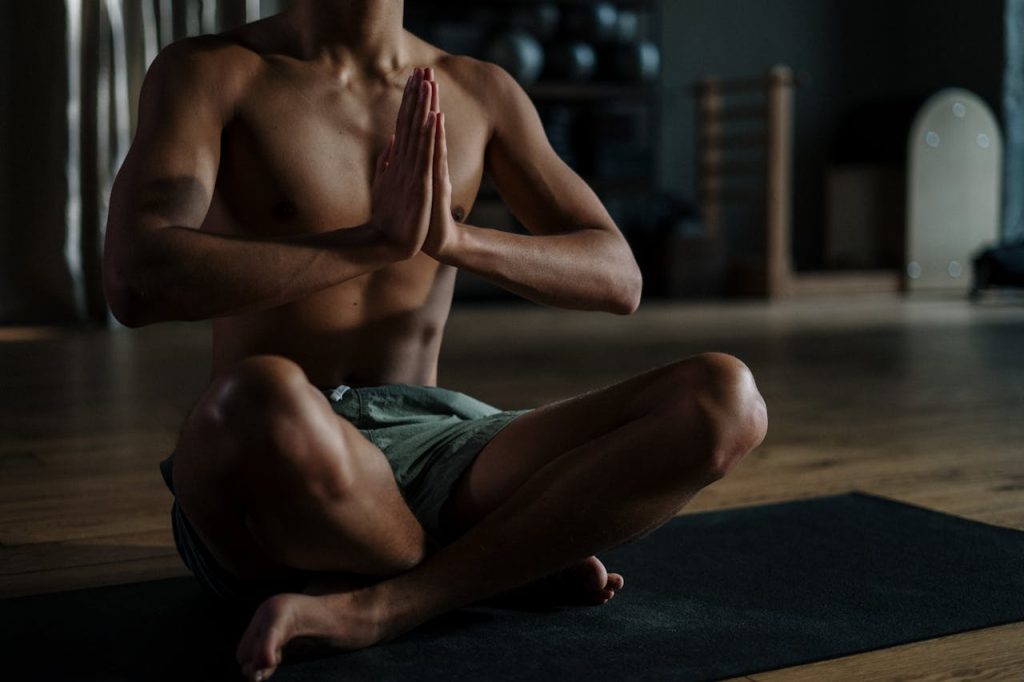
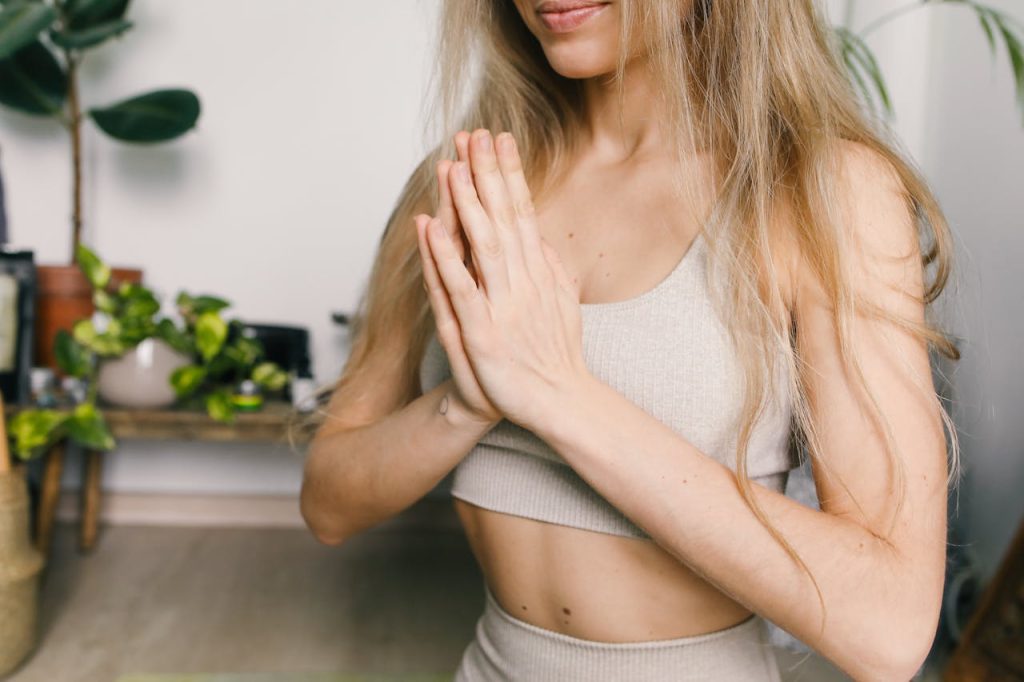
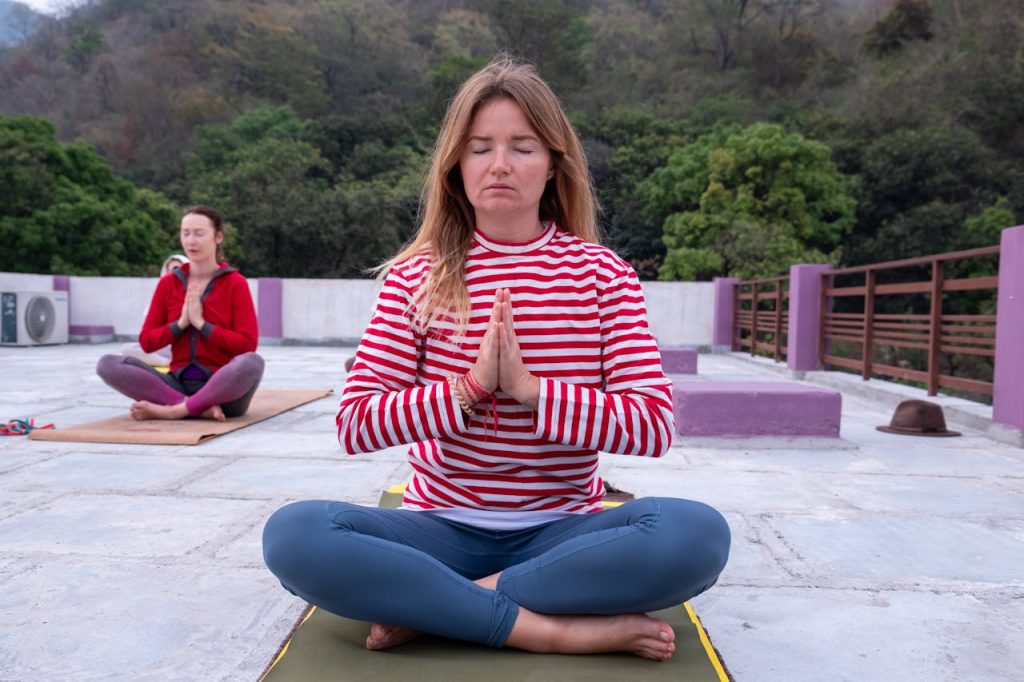
6. Meditate with Gratitude
Meditation can enhance your awareness of things to be grateful for.
Simple gratitude meditation:
- Sit quietly and take deep breaths.
- Visualize people, experiences, or things you are thankful for.
- Feel the emotion of gratitude and let it fill your body and mind.
Common Mistakes to Avoid When Cultivating Gratitude
Even with the best intentions, people sometimes struggle with gratitude. Here are common pitfalls and how to avoid them:
- Focusing only on big events: Small daily moments matter. Appreciate little joys.
- Comparing yourself to others: Gratitude is personal; avoid measuring your life against others.
- Being forced or insincere: Genuine gratitude comes from heartfelt recognition, not obligation.
- Ignoring negative emotions: Acknowledge challenges but seek lessons or growth in them.
The Science Behind Gratitude
Research in psychology has highlighted the impact of gratitude on brain function and overall health:
- Neuroplasticity: Practicing gratitude regularly strengthens brain pathways for positive thinking.
- Reduced cortisol: Gratitude practices can lower stress hormone levels.
- Improved sleep: Reflecting on gratitude before bed enhances sleep quality.
- Increased dopamine and serotonin: These “feel-good” chemicals promote happiness and motivation.
Knowing the science reinforces that cultivating gratitude is not just a feel-good activity—it actively improves mental and physical health.
How Our Services Can Help You Cultivate Gratitude
At Mindfulness Meditation Hub, we offer guided meditation and mindfulness programs specifically designed to help you cultivate gratitude in your daily life. Our services include:
- Guided gratitude meditations: Short or extended sessions for beginners and advanced practitioners.
- Mindfulness courses: Step-by-step programs to integrate gratitude into your routine.
- Live sessions with expert instructors: Interactive guidance to deepen your practice.
- Resources and prompts: Journals, articles, and exercises to reinforce your gratitude practice.
By joining our community, you gain tools and support to consistently cultivate gratitude, making it a natural and transformative part of your lifestyle.
Tips to Make Gratitude a Habit
Consistency is key when building a gratitude practice. Here’s how to make it stick:
- Set a daily reminder to pause and reflect.
- Incorporate gratitude into morning or bedtime routines.
- Combine gratitude with other habits, like exercise or journaling.
- Track your progress to see how your mindset evolves over time.
Final Thought
Learning to cultivate gratitude is a lifelong journey that can profoundly enhance your mental, emotional, and social well-being. By practicing gratitude daily, expressing it to others, meditating, and reframing challenges, you can transform how you experience life.
At Mindfulness Meditation Hub, we provide the tools, guidance, and resources to make gratitude an achievable, rewarding part of your life. Start today, and experience the difference a grateful mindset can bring.
FAQs for Cultivate Gratitude
What does it mean to cultivate gratitude?
Cultivating gratitude means intentionally focusing on the positive aspects of your life and appreciating them regularly. It’s about developing a mindset of thankfulness rather than taking things for granted.
Why is cultivating gratitude important for mental health?
Practicing gratitude has been linked to reduced stress, anxiety, and depression. It helps shift your focus from negative thoughts to positive experiences, improving overall emotional well-being.
How can I start a gratitude journal?
Start by writing down at least three things you are thankful for each day. Reflect on why you are grateful for them and include people, experiences, or personal qualities that bring you joy.
How long does it take to see benefits from practicing gratitude?
Most people notice improvements in mood and perspective within a few weeks of consistent practice. Long-term benefits, such as improved relationships and resilience, develop over months of regular practice.
Can gratitude help me deal with difficult situations?
Yes. Gratitude helps you reframe challenges by focusing on lessons learned or support received, turning setbacks into growth opportunities.
What are some simple ways to cultivate gratitude daily?
You can keep a gratitude journal, practice mindful appreciation, meditate on things you’re thankful for, express thanks to others, or use daily gratitude prompts.
How does gratitude improve relationships?
Expressing appreciation strengthens bonds, encourages reciprocity, and fosters a positive environment, making relationships more meaningful and supportive.
Is meditation necessary to cultivate gratitude?
While meditation can enhance your awareness and focus on gratitude, it’s not necessary. Simple daily reflection, journaling, or expressing thanks to others can also be effective.
Can children learn to cultivate gratitude?
Absolutely. Teaching children to notice positive things, express thanks, and reflect on their experiences helps them develop emotional intelligence and resilience from an early age.
How does gratitude affect physical health?
Research shows gratitude can lower stress hormones, improve sleep, reduce inflammation, and even strengthen the immune system, contributing to better overall health.
What are some gratitude prompts I can use?
Examples include: “What made me smile today?”, “Who positively impacted my life recently?”, or “What challenge taught me an important lesson?”
How do I maintain gratitude when life feels stressful?
Focus on small positives, acknowledge support systems, reflect on personal growth, and practice mindful breathing or meditation to center yourself during stressful times.
Can I cultivate gratitude at work?
Yes. You can express appreciation to colleagues, recognize achievements, reflect on positive aspects of your workday, and maintain a gratitude journal to enhance workplace satisfaction.
How is gratitude linked to happiness?
Gratitude shifts your attention to the positive aspects of life, increases dopamine and serotonin levels, and promotes contentment, all of which contribute to higher happiness levels.
Can gratitude become a habit?
Yes. By consistently practicing gratitude through journaling, reflection, meditation, or expressing thanks, it becomes a natural and lasting habit over time.
Learn Meditation
- How to Practice Meditation: A Step-by-Step Guide for Beginners
- How Do I Start to Meditate? A Complete Beginner’s Guide
- What Do You Do When You Meditate? A Complete Guide
- How to Meditate Daily: A Simple Guide to Building a Lifelong
- Meditation Techniques for Anxiety | Calm Your Mind Naturally
- How to Meditate Effectively: A Step-by-Step Guide for Beginners
- Best Way to Meditate: A Complete Guide for Beginners and Experts
- Mind Success: Unlock Your Full Potential with Proven Techniques
- Stress Meditation: How Mindfulness Helps Reduce Stress
- What Do You Do When You Meditate? A Complete Guide
- Breathing Meditation Techniques for Beginners: A Complete Guide
- How to Meditate Daily: A Simple Guide to Building a Lifelong
- Grief Meditation: A Healing Practice for Emotional Recovery
- 5 Minute Meditation Scripts: Quick & Effective Guided Meditation
- Meditating at Home: Guide to Finding Peace and Balance
- Meditation and Sounds: Boost Mindfulness & Relaxation