
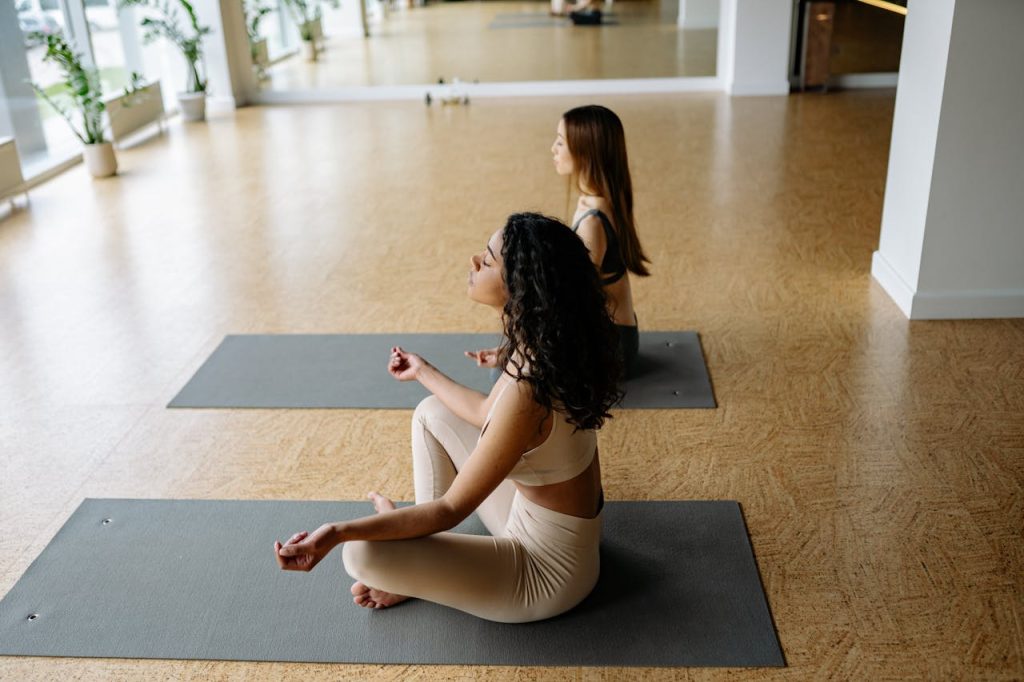
Discover how to define gratefulness, its importance in daily life, and practical ways to cultivate it. Learn how gratitude can improve your mental health, relationships, and overall well-being.
Overview
In this blog post, readers will learn how to define gratefulness, understand its psychological and emotional benefits, and explore practical strategies to incorporate gratitude into daily life. By the end, you’ll see how cultivating gratitude can improve your mental clarity, strengthen relationships, and enhance overall happiness.
What Does It Mean to Define Gratefulness?
To define gratefulness is to understand it as more than just saying “thank you”. Gratefulness is a deep sense of appreciation and acknowledgement for the positive aspects of life, including people, experiences, and even challenges. It is an attitude that focuses on abundance rather than scarcity.
In simple terms, gratefulness is
- Recognising the value of what you have
- Acknowledging the efforts of others
- Embracing life’s small and big moments with thankfulness
It differs from casual gratitude, which can be superficial. Gratefulness is intentional, reflective, and transformative.
Why Defining Gratefulness Matters
Defining gratefulness is the first step in consciously practising it. When you understand what gratitude truly means, it helps you:
- Enhance Mental Health: Gratitude reduces stress, anxiety, and depressive thoughts by focusing on positive experiences.
- Improve Relationships: Grateful people are more likely to appreciate others, leading to stronger personal and professional connections.
- Boost Resilience: Gratefulness helps you see challenges as opportunities to learn and grow.
- Increase Happiness: Studies show that people who practice gratitude regularly report higher life satisfaction and joy.
By defining gratefulness clearly, you set the foundation for a lifestyle that attracts positivity and emotional balance.
The Psychology Behind Gratefulness
Research in positive psychology emphasises the powerful role of gratefulness in emotional well-being. Psychologists define it as a recognition and acknowledgement of good things in life, even when circumstances are challenging.
Key insights from research:
- Grateful individuals have better sleep quality, lower blood pressure, and reduced stress hormones.
- Journaling or reflecting on gratitude increases dopamine and serotonin, the “feel-good” neurotransmitters.
- Gratitude interventions improve empathy and reduce aggression in social interactions.
Understanding the science behind gratitude strengthens your ability to define gratefulness in practical and actionable ways.
How to Cultivate Gratefulness in Daily Life
Knowing how to define gratefulness is only the first step; the next is incorporating it into your daily habits. Here are practical strategies:
1. Keep a Gratitude Journal.
- Write down 3–5 things you’re grateful for each day.
- Include both big and small moments, such as a sunny day, a kind gesture, or personal achievements.
2. Practice Mindful Appreciation
- Pause during your day to notice positive experiences.
- Be mindful of your surroundings, relationships, and even your emotions.
3. Express Gratitude to Others
- Say thank you genuinely to friends, family, or colleagues.
- Write letters of appreciation or send thoughtful messages.
4. Reflect on Challenges with Gratitude
- Identify lessons learned from difficult situations.
- Acknowledge how past hardships have helped you grow.
5. Create a Gratitude Ritual
- Start or end your day with a few minutes of reflection.
- Meditate on what you value most in your life.
By practising these methods consistently, gratefulness becomes an integral part of your mindset.
Gratefulness vs. Gratitude: Understanding the Difference
While often used interchangeably, defining gratefulness goes a step deeper than gratitude:
| Aspect | Gratitude | Gratefulness |
|---|---|---|
| Focus | Thanking someone or something | Deep appreciation for life overall |
| Depth | Often situational | Long-term mindset |
| Effect | Short-term positive feelings | Sustained emotional well-being |
Recognizing this distinction helps you define gratefulness in a holistic way, making it a permanent attitude rather than a temporary feeling.
Benefits of Practising Gratefulness
Incorporating gratefulness into your life has profound effects. Here’s what science and experience tell us:
1. Emotional Well-Being
- Reduces negative emotions like envy and resentment
- Promotes optimism and positive thinking
2. Physical Health
- Improves sleep quality and duration
- Lowers stress levels and strengthens immunity
3. Stronger Relationships
- Enhances empathy and social support
- Encourages acts of kindness and generosity
4. Career and Productivity
- Boosts motivation and job satisfaction
- Fosters better teamwork and communication
5. Personal Growth
- Increases resilience and adaptability
- Encourages reflection and self-awareness
By understanding these benefits, you can see why defining gratefulness is crucial for personal transformation.
Gratefulness Practices Around the World
Different cultures approach gratitude in unique ways. Exploring these perspectives helps broaden your understanding of how to define gratefulness universally:
- Buddhism: Mindful gratitude for the present moment and all living beings.
- Christianity: Giving thanks through prayer and reflection.
- Native American Traditions: Daily appreciation of nature and interconnectedness.
- Japanese Culture (Ikigai): Gratitude as part of a purpose-driven life.
These examples show that gratefulness is not just a personal practice but also a universal value that connects humanity.
Overcoming Challenges to Gratefulness
Sometimes it’s hard to feel grateful, especially during tough times. Here’s how to overcome common obstacles:
- Negative Mindset: Focus on what you can appreciate, even if it’s small.
- Comparison with Others: Stop comparing your life; celebrate your own journey.
- Busyness: Schedule dedicated time for reflection to maintain consistency.
- Expectations: Let go of expectations and accept life as it is.
Acknowledging these challenges helps you define gratefulness realistically and practise it authentically.
Final Thought
To define gratefulness is to embrace a mindful and intentional attitude of appreciation. It is more than just saying “thank you”—it is recognising the richness of life, valuing experiences, and cultivating joy through acknowledgement of both big and small blessings.
By learning how to define gratefulness, practising it daily, and understanding its benefits, you can transform your mental, emotional, and social well-being. Gratitude is a skill, a mindset, and a lifestyle that anyone can develop with patience and intention.
Start your journey today by reflecting on the blessings in your life, expressing appreciation to others, and keeping a mindful journal. Your life will not only feel richer but also more connected and purposeful.
FAQs for Define Gratefulness
What does it mean to define gratefulness?
Defining gratefulness means recognizing and appreciating the positive aspects of life, including people, experiences, and personal growth. It goes beyond casual thankfulness and reflects a deep, intentional mindset.
How can I define gratefulness in my daily life?
You can define gratefulness by acknowledging small and big blessings, practicing mindfulness, keeping a gratitude journal, and expressing appreciation to others consistently.
What is the difference between gratefulness and gratitude?
Gratitude is often situational and momentary, like saying thank you, while gratefulness is a long-term mindset that encompasses a deep appreciation for life as a whole.
Why is it important to define gratefulness?
Defining gratefulness helps improve mental health, strengthen relationships, boost resilience, and increase overall happiness by focusing on positive experiences.
How does gratefulness improve mental health?
Gratefulness reduces stress, anxiety, and depressive thoughts by promoting positive thinking and helping you focus on what’s going well in your life.
Can defining gratefulness strengthen relationships?
Yes, expressing genuine gratitude and appreciation fosters empathy, understanding, and stronger bonds with friends, family, and colleagues.
What are some simple ways to practice gratefulness daily?
- Keep a gratitude journal
- Reflect on positive moments
- Express thanks to others
- Meditate on your blessings
- Create daily gratitude rituals
How does gratefulness affect physical health?
Practicing gratefulness can improve sleep quality, reduce stress hormones, lower blood pressure, and boost immunity.
Can defining gratefulness help during difficult times?
Absolutely. Gratefulness helps you focus on lessons and growth opportunities, making it easier to cope with challenges and build resilience.
What role does mindfulness play in defining gratefulness?
Mindfulness enhances your awareness of the present moment, allowing you to fully appreciate life’s experiences and develop a deeper sense of gratefulness.
Are there cultural differences in practicing gratefulness?
Yes, different cultures emphasize gratitude in unique ways, such as through meditation, prayer, reflection, or appreciation of nature, showing it is a universal value.
How can children learn to define gratefulness?
Children can learn by modeling gratitude, practicing daily thankfulness, keeping a simple journal, and discussing the importance of appreciating others and life’s small joys.
Can gratefulness increase happiness and life satisfaction?
Yes, people who regularly practice gratefulness report higher levels of happiness, optimism, and overall life satisfaction.
How do I maintain gratefulness during stressful periods?
Focus on small positive aspects, reflect on past successes, express appreciation to loved ones, and practice mindfulness to stay grounded and grateful.
What is the long-term impact of defining gratefulness?
Over time, defining gratefulness fosters emotional balance, stronger relationships, better mental and physical health, increased resilience, and a deeper appreciation for life.
Related Topics
- How to Practice Meditation: A Step-by-Step Guide for Beginners
- How Do I Start to Meditate? A Complete Beginner’s Guide
- What Do You Do When You Meditate? A Complete Guide
- How to Meditate Daily: A Simple Guide to Building a Lifelong
- Meditation Techniques for Anxiety | Calm Your Mind Naturally
- How to Meditate Effectively: A Step-by-Step Guide for Beginners
- Best Way to Meditate: A Complete Guide for Beginners and Experts
- Mind Success: Unlock Your Full Potential with Proven Techniques
- Stress Meditation: How Mindfulness Helps Reduce Stress
- What Do You Do When You Meditate? A Complete Guide
- Breathing Meditation Techniques for Beginners: A Complete Guide
- How to Meditate Daily: A Simple Guide to Building a Lifelong
- Grief Meditation: A Healing Practice for Emotional Recovery
- 5 Minute Meditation Scripts: Quick & Effective Guided Meditation
- Meditating at Home: Guide to Finding Peace and Balance
- Meditation and Sounds: Boost Mindfulness & Relaxation