
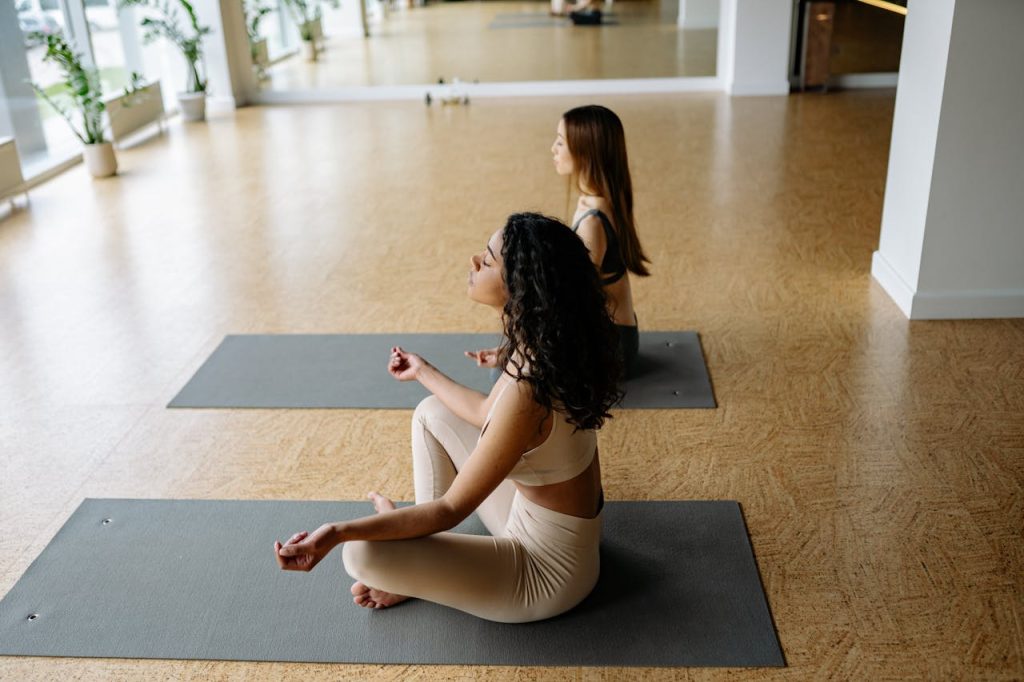
Learn how to meditate daily with simple, proven mindfulness techniques. Discover benefits, step-by-step guidance, and practical tips to build a peaceful mind and reduce stress naturally.
Overview
In this guide, you will learn everything you need to confidently start your mindfulness journey and understand how to meditate in a practical, simple way. This blog is designed for beginners as well as anyone struggling to maintain consistency in meditation practice.
By the end of this article, you will understand:
- What it really means to meditate in daily life
- The mental, emotional, and physical benefits of meditation
- Step-by-step instructions to start meditating correctly
- Common mistakes beginners make (and how to avoid them)
- Different meditation styles you can try
- How to integrate mindfulness into your routine
- How guided support from Mindfulness Meditation Hub can help
If you’ve ever wondered whether you are doing meditation correctly or how to make it a daily habit, this guide will give you clarity and direction.
Why Learning to Meditate Matters
In today’s fast-paced world, stress, distraction, and mental fatigue are common. Many people hear about meditation but struggle with the question: How do I actually meditate?
The truth is, meditation is not about perfection. It’s about awareness. When you do meditate, you are training your mind to stay present, calm, and focused—without judgment.
You don’t need special equipment, religious beliefs, or hours of free time. Even a few minutes daily can make a meaningful difference.
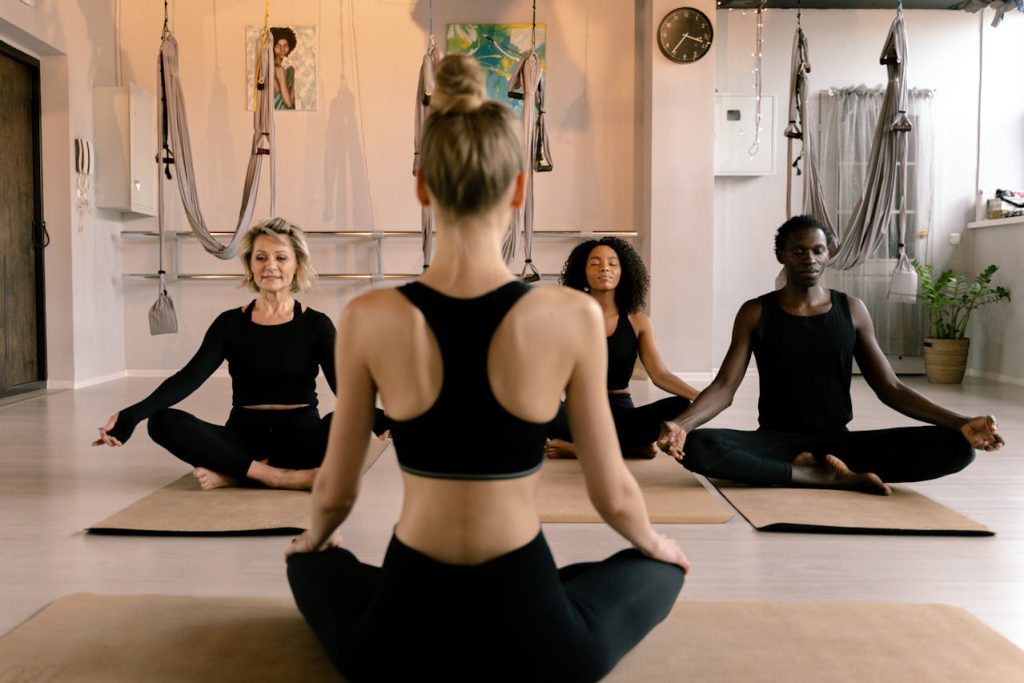
What Does “Do Meditate” Really Mean?
The phrase “do meditate” simply refers to the act of practicing meditation. However, many beginners misunderstand it.
To meditate means
- Sitting or being still with intention
- Focusing your attention (often on breath or thoughts)
- Observing without reacting or judging
- Returning focus whenever the mind wanders
It is not about emptying your mind completely. Instead, it is about awareness of the present moment.
When people say they “can’t do meditation,” they usually expect their mind to become silent. In reality, meditation is the practice of noticing when your mind is noisy and gently bringing it back.
Benefits When You Do Meditate Regularly
There are powerful physical and mental benefits when you make a habit of meditating daily.
Mental Benefits
- Reduces anxiety and overthinking
- Improves focus and concentration
- Helps manage stress more effectively
- Enhances emotional stability
Physical Benefits
- Lowers blood pressure
- Improves sleep quality
- Reduces stress-related fatigue
- Supports immune system health
Emotional Benefits
When you consistently do meditate, your brain gradually learns to respond to stress more calmly instead of reacting automatically.
How to Meditate: A Step-by-Step Guide
If you are a beginner, here is a simple method to help you meditate correctly.
Step 1: Find a Quiet Space
Choose a comfortable place where you won’t be disturbed.
Step 2: Sit Comfortably
Sit on a chair or floor with your back relaxed but straight.
Step 3: Focus on Your Breath
Close your eyes and observe your natural breathing. Don’t change it—just notice it.
Step 4: Observe Thoughts Without Judgment
Thoughts will come. That is normal. Simply notice them and return your focus to breathing.
Step 5: Start Small
Begin with 5–10 minutes. Consistency matters more than duration.
Step 6: Repeat Daily
To truly benefit, make it a habit to meditate every day.
Common Mistakes When You Do Meditate
Many beginners give up too early because they make simple mistakes.
Expecting a “blank mind”
Meditation is not about stopping thoughts.
Being inconsistent
Doing it once in a while won’t give strong results.
Getting frustrated easily
Mind wandering is part of the process.
Sitting too long at the beginning
Start small and gradually increase time.
When you understand these mistakes, it becomes easier to meditate correctly and enjoy the process.
Different Ways to Meditate
There is no single way to meditate. You can explore different styles and find what works best for you.
Mindfulness Meditation
Focus on breath, thoughts, and present-moment awareness.
Guided Meditation
Listen to instructions that help you stay focused.
Visualization Meditation
Imagine peaceful scenes like nature or light.
Loving-Kindness Meditation
Focus on feelings of compassion and kindness toward yourself and others.
Trying different methods helps you better understand how to meditate in a way that feels natural.
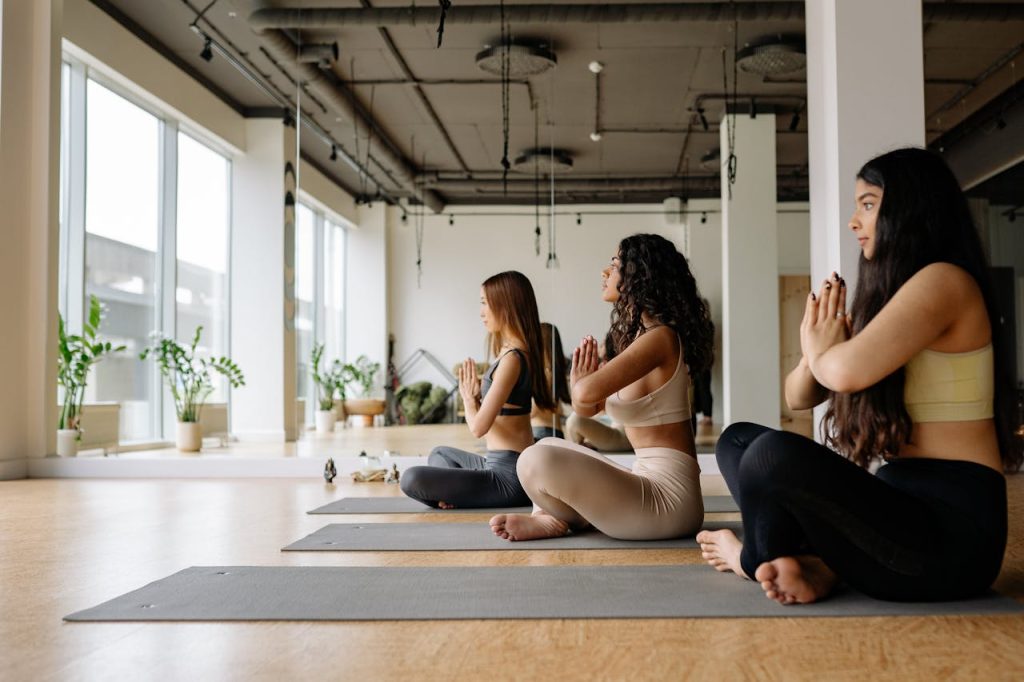
How to Make Doing Meditate a Daily Habit
Building consistency is the key to success.
Here are practical tips:
- Set a fixed time (morning or night)
- Use reminders on your phone
- Start with just 5 minutes daily
- Pair it with an existing habit (like brushing teeth)
- Keep your space simple and distraction-free.
Even busy people can meditate if they integrate it into their routine instead of treating it as an extra task.
Real-Life Impact of Doing Meditate Practice
When you consistently meditate, you may notice the following:
- You react less emotionally to stressful situations.
- You become more patient in daily life.
- Your focus improves at work or in study
- You sleep more peacefully.
- You feel more present in conversations.
These small changes gradually transform your overall quality of life.
How Mindfulness Meditation Hub Can Help You
At Mindfulness Meditation Hub, we make it easier for beginners to learn how to meditate properly.
Our platform provides:
- Beginner-friendly meditation guides
- Step-by-step mindfulness instructions
- Practical techniques for stress relief
- Educational content for daily practice
- Support for building long-term consistency
Whether you are completely new or trying to improve your practice, our resources are designed to guide you gently and effectively.
If you struggle with motivation or don’t know where to start, our structured approach can help you confidently meditate every day.
Final Thoughts
Learning how to meditate is one of the most powerful steps you can take toward mental clarity and emotional balance. It is not about perfection—it is about practice.
Even a few minutes each day can reshape how you think, feel, and respond to life.
Start small. Stay consistent. And remember—every time you sit down to meditate, you are training your mind to become calmer, stronger, and more focused.
FAQs for Do Meditate
What does it mean to do meditate?
It means practicing mindfulness by focusing your attention, usually on your breath or present moment awareness, while observing thoughts without judgment.
How do I start to do meditate as a beginner?
Start by sitting comfortably, closing your eyes, and focusing on your breathing for 5–10 minutes daily in a quiet space.
How long should I do meditate each day?
Beginners should start with 5–10 minutes daily and gradually increase the duration as comfort improves.
Can I do meditate even if my mind keeps wandering?
Yes, mind wandering is normal. The practice is gently bringing your focus back to your breath each time it drifts.
What is the best time to do meditate?
Morning is ideal because the mind is calm, but you can do meditate anytime that fits your schedule.
Do I need silence to do meditate properly?
Silence helps, but it is not required. You can do meditate in a quiet environment or even with soft background sounds.
How quickly can I see results from do meditate practice?
Some people feel calmer after a few sessions, but long-term benefits usually appear after consistent daily practice.
Is it normal to feel sleepy while I do meditate?
Yes, especially at the beginning. It may indicate fatigue or deep relaxation. Try sitting upright to stay alert.
Can I do meditate lying down?
Yes, but sitting is recommended to avoid falling asleep during practice.
What should I focus on when I do meditate?
Most beginners focus on breathing, but you can also focus on sounds, sensations, or guided instructions.
Do I need a teacher to do meditate?
No, you can start on your own using guides or apps, but a teacher or structured program can help improve your practice.
Why is it hard for me to do meditate consistently?
Lack of routine, distractions, and unrealistic expectations are common reasons. Starting small helps build consistency.
Can children or teenagers do meditate?
Yes, meditation is safe and beneficial for all age groups when practiced in a simple, guided way.
Does do meditate help with stress and anxiety?
Yes, regular meditation helps calm the mind, reduce stress levels, and improve emotional control over time.
What is the easiest way to make do meditate a habit?
Set a fixed daily time, start with a few minutes, and attach it to an existing habit like waking up or bedtime.
Related Topics
- How to Practice Meditation: A Step-by-Step Guide for Beginners
- How Do I Start to Meditate? A Complete Beginner’s Guide
- What Do You Do When You Meditate? A Complete Guide
- How to Meditate Daily: A Simple Guide to Building a Lifelong
- Meditation Techniques for Anxiety | Calm Your Mind Naturally
- How to Meditate Effectively: A Step-by-Step Guide for Beginners
- Best Way to Meditate: A Complete Guide for Beginners and Experts
- Mind Success: Unlock Your Full Potential with Proven Techniques
- Stress Meditation: How Mindfulness Helps Reduce Stress
- What Do You Do When You Meditate? A Complete Guide
- Breathing Meditation Techniques for Beginners: A Complete Guide
- How to Meditate Daily: A Simple Guide to Building a Lifelong
- Grief Meditation: A Healing Practice for Emotional Recovery
- 5 Minute Meditation Scripts: Quick & Effective Guided Meditation
- Meditating at Home: Guide to Finding Peace and Balance
- Meditation and Sounds: Boost Mindfulness & Relaxation