
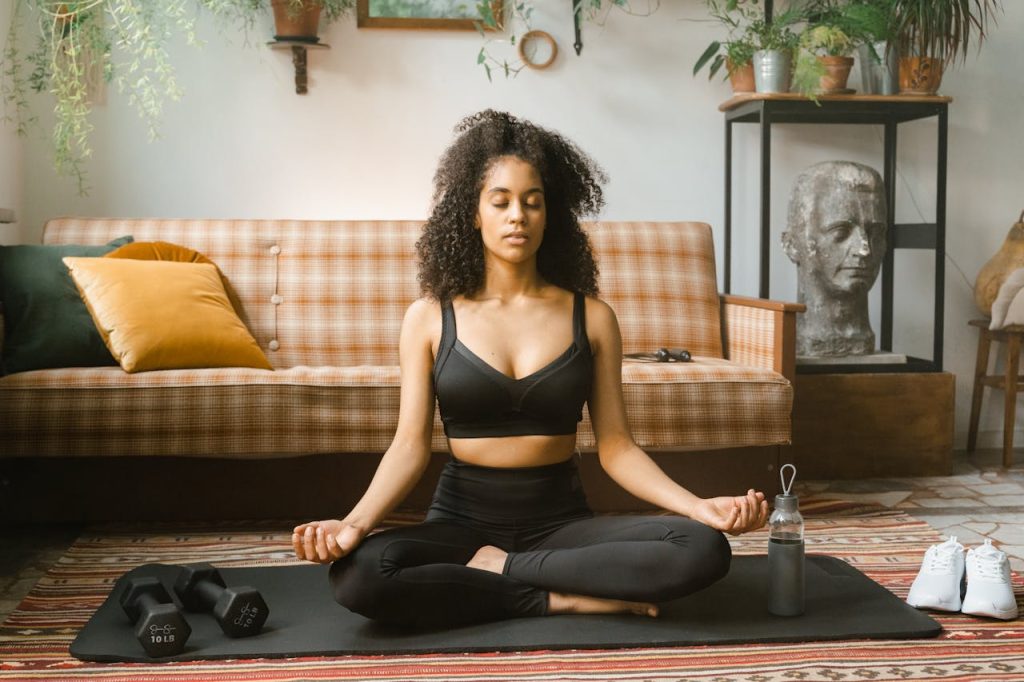
Discover how to exercise gratitude daily to boost happiness, reduce stress, and improve emotional well-being. Learn practical tips, exercises, and real-life strategies for a mindful, grateful life.
Overview
In this blog post, readers will learn the importance of cultivating gratitude, how exercising gratitude can improve mental and physical health, and practical steps to make gratitude a daily habit. By the end of the post, readers will understand simple exercises to foster appreciation in everyday life, tools to track their gratitude journey, and the transformative benefits of a grateful mindset.
Exercise Gratitude: Transform Your Mindset and Life
Gratitude is more than just saying “thank you”. It is a powerful practice that shapes the way we perceive the world, manage stress, and interact with others. By choosing to exercise gratitude, you can intentionally focus on the positive aspects of life, leading to increased happiness, resilience, and emotional balance.
While many people think gratitude is a feeling, it is actually a skill that can be developed and strengthened through daily practice. Just like exercising your muscles, exercising gratitude regularly makes it stronger and more natural over time.
Why You Should Exercise Gratitude
Exercising gratitude is not just a feel-good activity; it has proven benefits backed by science. Here’s why making gratitude a habit matters:
1. Improves Mental Health
Focusing on what you are grateful for helps reduce negative emotions such as envy, resentment, and frustration. Studies have shown that people who exercise gratitude regularly report:
- Lower levels of stress and depression
- Greater life satisfaction
- Improved optimism and positivity
2. Strengthens Relationships
Gratitude is a social emotion. Expressing appreciation for others:
- Builds trust and connection
- Encourages supportive behaviours
- Enhances personal and professional relationships
3. Boosts Physical Health
Gratitude can even improve your physical health. Benefits include:
- Better sleep quality
- Reduced inflammation and stress hormones
- Stronger immune system
4. Increases Resilience
By exercising gratitude, you shift your focus from what’s going wrong to what’s going right. This helps you:
- Cope with challenges more effectively
- Recover from setbacks faster
- Build a positive mindset
How to Exercise Gratitude Daily
The key to experiencing the full benefits of gratitude is consistency. Here are practical exercises you can integrate into your daily life:
1. Keep a Gratitude Journal.
Writing down what you are thankful for is a classic and effective way to exercise gratitude. Tips for journaling:
- Write 3–5 things you are grateful for each day.
- Be specific; instead of “I’m grateful for my friends,” write “I’m grateful for Sarah’s thoughtful call today.”
- Reflect on why each item is meaningful
2. Practice Mindful Appreciation
Mindfulness and gratitude work hand-in-hand. Take time to notice the positive aspects of your day:
- Pause and savour small moments like a morning coffee or a walk in the park
- Focus on sensory details—what you see, hear, and feel
- Internalise the experience and acknowledge its value
3. Express Gratitude to Others
Vocalising your gratitude strengthens relationships and spreads positivity. Some ideas include:
- Saying “thank you” sincerely in person
- Sending a note or text expressing appreciation
- Sharing gratitude publicly, like during meetings or social media posts
4. Visual Gratitude Cues
Visual reminders can trigger a grateful mindset:
- Place sticky notes with gratitude prompts around your home or workspace.
- Use phone notifications to remind yourself to pause and reflect.
- Create a gratitude board with images and quotes that inspire appreciation
5. Gratitude Meditation
Meditation enhances emotional awareness and reinforces gratitude:
- Focus on the people, experiences, or things you are thankful for
- Combine deep breathing with reflective thoughts
- Meditate for 5–10 minutes daily to build a habit
6. Gratitude Jar Exercise
This is a fun and interactive exercise for individuals or families:
- Write down things you are grateful for on small pieces of paper.
- Place them in a jar
- Review the notes weekly or monthly to remind yourself of positive moments.
Integrating Gratitude into Your Routine
To make gratitude a sustainable habit, integrate it into your daily life naturally:
- Morning Ritual: Start your day by identifying one thing you are grateful for.
- Evening Reflection: End the day by listing moments that brought joy or comfort.
- Mindful Breaks: During work or study breaks, pause and focus on positive aspects of your environment.
- Acts of Kindness: Engage in small acts of kindness and acknowledge your impact on others.
Consistency is key. By exercising gratitude daily, it becomes a mindset rather than just an activity.
Overcoming Challenges in Exercising Gratitude
It’s common to struggle with gratitude, especially during stressful or challenging times. Here are tips to stay committed:
- Start Small: Begin with 1–2 items a day to avoid feeling overwhelmed.
- Be Honest: Focus on genuine appreciation rather than forcing positivity.
- Reframe Challenges: Look for lessons or silver linings in difficult situations.
- Seek Support: Share your gratitude practice with friends or family for accountability.
Remember, exercising gratitude is a skill that improves with practice, not perfection.
Benefits of Making Gratitude a Lifestyle
By making gratitude a daily habit, you’ll notice:
- Increased happiness and life satisfaction
- Reduced stress and anxiety
- Deeper connections with friends, family, and colleagues
- Greater resilience in facing challenges
- Enhanced overall well-being and mindfulness
Gratitude shifts your perspective from scarcity to abundance, allowing you to appreciate the richness of life.
Final Thought: Start Exercising Gratitude Today
Exercising gratitude is a simple yet powerful tool to transform your mindset and your life. By incorporating journaling, mindful appreciation, expressing thanks, and meditation, you can cultivate a more positive, resilient, and fulfilling life.
Start today with just a few minutes of reflection or by expressing thanks to someone around you. The more you practise, the more natural gratitude becomes—and the greater your overall well-being.
Takeaway: Gratitude isn’t just a feeling; it’s a practice that can be strengthened over time. The benefits of exercising gratitude touch every aspect of life—from mental and physical health to relationships and personal growth.
FAQs for Exercise Gratitude
What does it mean to exercise gratitude?
Exercising gratitude means actively practicing appreciation for the positive aspects of your life, rather than waiting for gratitude to happen naturally. It involves conscious reflection, journaling, or expressing thanks to others.
Why is exercising gratitude important for mental health?
Regularly exercising gratitude helps reduce stress, anxiety, and depressive thoughts while improving overall emotional well-being and life satisfaction.
How often should I exercise gratitude?
Daily practice is ideal, even if it’s just a few minutes. Consistency strengthens the habit and maximizes its benefits.
Can exercising gratitude improve physical health?
Yes! Studies show that people who regularly practice gratitude experience better sleep, lower blood pressure, and reduced stress-related inflammation.
What are some simple ways to exercise gratitude?
You can keep a gratitude journal, meditate on things you appreciate, express thanks to others, or create visual reminders like gratitude boards or jars.
Can children learn to exercise gratitude?
Absolutely. Simple activities like sharing daily gratitude at dinner or creating a gratitude jar can help children develop appreciation and mindfulness.
How does gratitude affect relationships?
Expressing gratitude strengthens relationships by fostering trust, kindness, and mutual appreciation, making interactions more positive and meaningful.
Is gratitude the same as positive thinking?
Not exactly. Gratitude focuses on acknowledging and appreciating what is already present, while positive thinking often emphasizes optimism about future outcomes.
How long does it take to feel the benefits of exercising gratitude?
Some benefits, like improved mood, can be noticed within days, while long-term changes in mindset and resilience may take several weeks of consistent practice.
Can I exercise gratitude during difficult times?
Yes. Gratitude during challenges helps reframe experiences, build resilience, and find small positive aspects even in stressful situations.
Should I write down my gratitude or just think about it?
Writing down your gratitude, such as in a journal, strengthens the practice, helps you reflect more deeply, and makes it easier to track progress over time.
What is a gratitude journal and how do I use it?
A gratitude journal is a notebook where you record things you are thankful for daily. Include specific details and reasons to make the practice more meaningful.
Can meditation help me exercise gratitude?
Yes. Gratitude meditation combines mindfulness with appreciation, allowing you to focus on positive experiences, relationships, and personal growth.
How can I make exercising gratitude a habit?
Integrate it into daily routines, start small, use reminders, and share your practice with others for accountability. Consistency is key.
Are there any tools to support exercising gratitude?
Yes. Tools like gratitude apps, journals, guided meditations, and visual cues like sticky notes or jars can enhance your daily gratitude practice.
Related Topics
- How to Practice Meditation: A Step-by-Step Guide for Beginners
- How Do I Start to Meditate? A Complete Beginner’s Guide
- What Do You Do When You Meditate? A Complete Guide
- How to Meditate Daily: A Simple Guide to Building a Lifelong
- Meditation Techniques for Anxiety | Calm Your Mind Naturally
- How to Meditate Effectively: A Step-by-Step Guide for Beginners
- Best Way to Meditate: A Complete Guide for Beginners and Experts
- Mind Success: Unlock Your Full Potential with Proven Techniques
- Stress Meditation: How Mindfulness Helps Reduce Stress
- What Do You Do When You Meditate? A Complete Guide
- Breathing Meditation Techniques for Beginners: A Complete Guide
- How to Meditate Daily: A Simple Guide to Building a Lifelong
- Grief Meditation: A Healing Practice for Emotional Recovery
- 5 Minute Meditation Scripts: Quick & Effective Guided Meditation
- Meditating at Home: Guide to Finding Peace and Balance
- Meditation and Sounds: Boost Mindfulness & Relaxation