
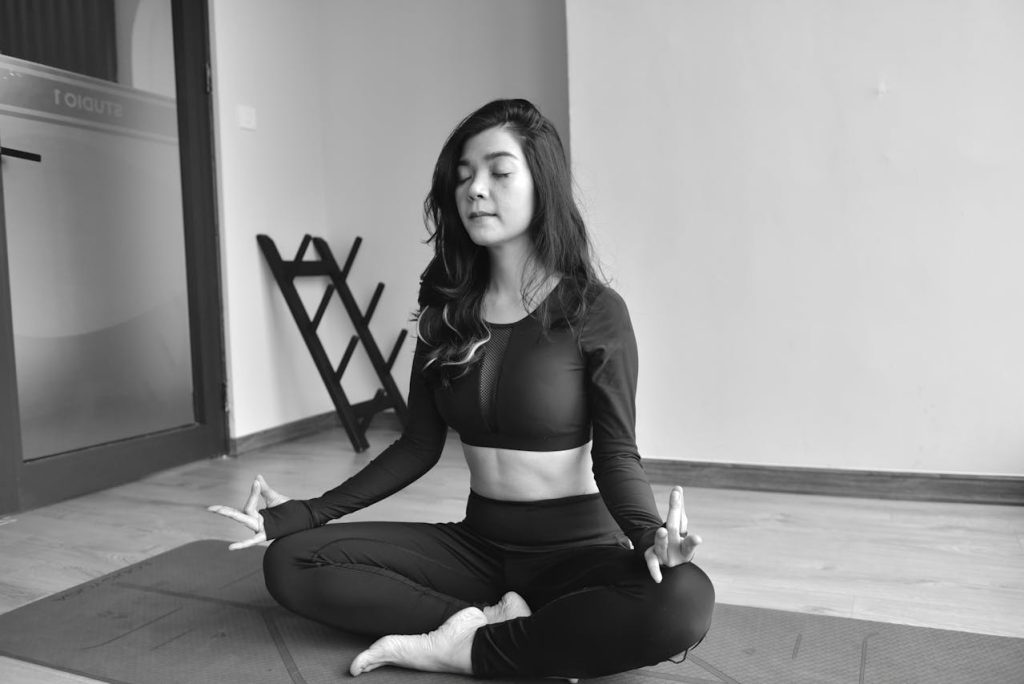
Explaining meditation in simple terms. Learn what meditation is, how it works, its benefits, and how to start your practice today for a calmer, healthier mind.
Overview
If you’ve ever wondered what meditation really is or how it works, this guide is for you. In this article, we will be explaining meditation in a clear, practical, and beginner-friendly way.
By the end of this post, you will learn:
- What meditation actually means
- How meditation works on your mind and body
- The science-backed benefits of meditation
- Different types of meditation practices
- Step-by-step instructions to start meditating
- Tips to build a consistent meditation habit
Whether you’re completely new or trying to deepen your practice, this guide will give you everything you need to understand and begin your journey.
What Is Meditation? (Explaining Meditation Simply)
At its core, meditation is the practice of training your mind to focus and redirect your thoughts. It’s not about emptying your mind or stopping thoughts completely—rather, it’s about becoming more aware of them.
When explaining meditation, it’s helpful to think of it as mental exercise. Just like physical workouts strengthen your body, meditation strengthens your mind.
Key Elements of Meditation:
- Focus (on breath, sound, or sensation)
- Awareness (observing thoughts without judgment)
- Presence (staying in the current moment)
Meditation has been practiced for thousands of years across different cultures, but today, it’s widely used for improving mental health, reducing stress, and enhancing overall well-being.
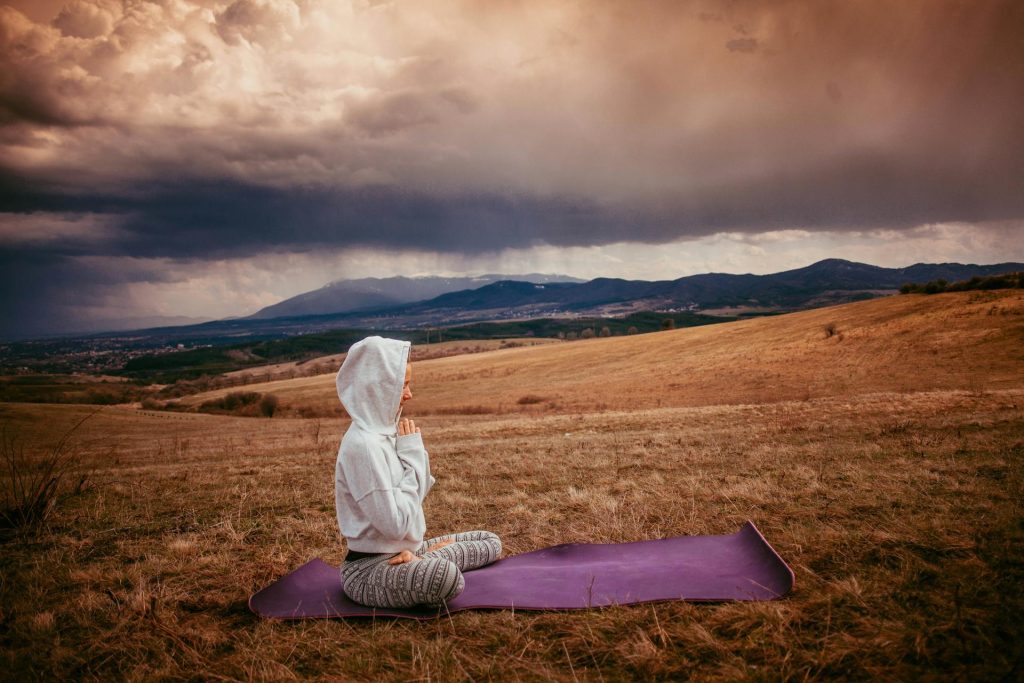
How Does Meditation Work?
When explaining meditation, understanding how it affects the brain is essential.
Meditation works by:
- Slowing down your thought patterns
- Reducing overactivity in the brain’s stress centers
- Increasing focus and emotional control
What Happens in Your Brain:
- The amygdala (stress center) becomes less reactive
- The prefrontal cortex (decision-making area) becomes stronger
- Brain waves shift into a calmer, more relaxed state
This is why regular meditation can make you feel calmer, more focused, and emotionally balanced.
Top Benefits of Meditation
A big part of explaining meditation is understanding why so many people practice it daily.
Mental Benefits:
- Reduces stress and anxiety
- Improves focus and concentration
- Enhances emotional stability
- Promotes better sleep
Physical Benefits:
Emotional & Lifestyle Benefits:
Even just 10 minutes a day can create noticeable improvements over time.
Different Types of Meditation
When explaining meditation, it’s important to know that there isn’t just one way to practice. Here are some popular types:
1. Mindfulness Meditation
Focuses on being present in the moment and observing thoughts without judgment.
2. Guided Meditation
You follow a voice or audio that leads you through the process.
3. Breathing Meditation
Focuses entirely on your breath to calm the mind.
4. Loving-Kindness Meditation
Encourages compassion toward yourself and others.
5. Body Scan Meditation
Involves paying attention to different parts of your body to release tension.
Each type serves a different purpose, but all contribute to mental clarity and peace.
How to Start Meditating (Step-by-Step Guide)
If you’re new, explaining meditation without showing how to start would be incomplete. Here’s a simple method:
Step 1: Find a Quiet Space
Choose a place where you won’t be disturbed.
Step 2: Sit Comfortably
You don’t need a special pose—just sit in a relaxed position.
Step 3: Focus on Your Breath
Pay attention to your breathing—inhale and exhale slowly.
Step 4: Notice Your Thoughts
Your mind will wander—that’s normal. Simply bring your focus back to your breath.
Step 5: Start Small
Begin with 5–10 minutes a day and gradually increase.
Common Misconceptions About Meditation
When explaining meditation, clearing up myths is important:
“I need to stop thinking”
Truth: Thoughts are natural. Meditation is about observing them.
“Meditation is only for spiritual people”
Truth: Anyone can practice meditation, regardless of beliefs.
“I don’t have time”
Truth: Even a few minutes daily is enough to see benefits.
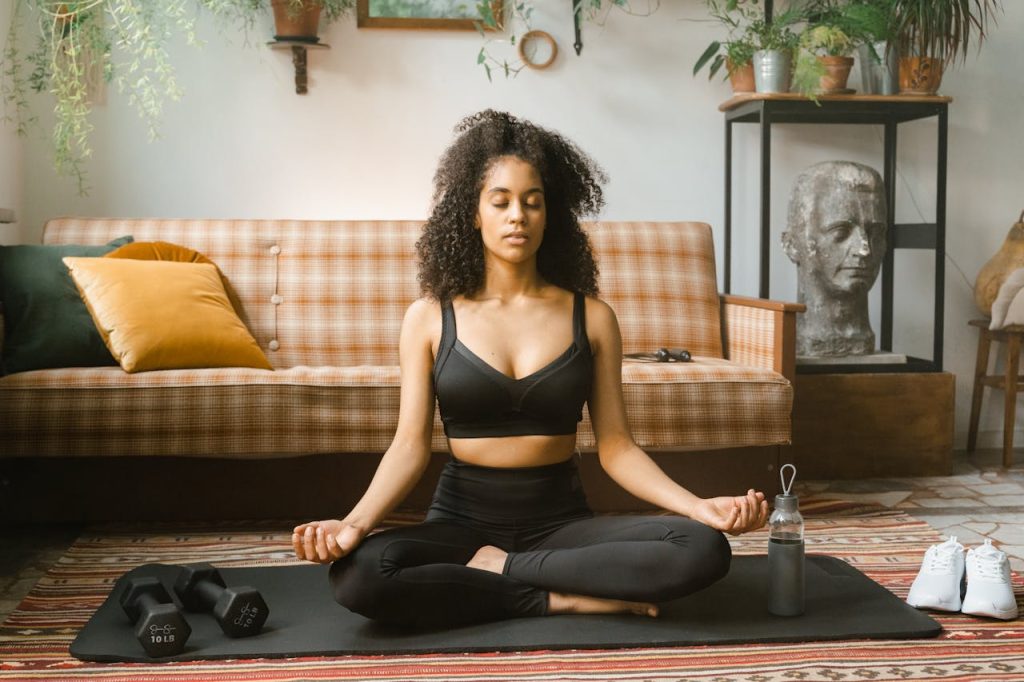
Tips to Build a Consistent Meditation Habit
Consistency is key. Here’s how to stay on track:
- Set a specific time each day
- Start with short sessions
- Use guided meditation if needed
- Be patient with yourself
- Track your progress
Pro Tip:
Pair meditation with an existing habit, like after waking up or before bed.
Why Meditation Matters in Today’s World
In a fast-paced, digital world, stress and distraction are everywhere. That’s why explaining meditation has become more important than ever.
Meditation helps you:
- Disconnect from constant noise
- Reconnect with yourself
- Improve mental clarity
- Handle challenges with calmness
It’s not just a practice—it’s a life skill.
How Our Platform Supports Your Meditation Journey
At Mindfulness Meditation Hub, we are dedicated to explaining meditation in the most simple, practical, and effective way possible.
We offer:
- Beginner-friendly guides
- Step-by-step meditation techniques
- Expert-backed insights
- Resources for building daily habits
Our goal is to make meditation accessible to everyone, no matter where you are in your journey.
Final Thoughts
Explaining meditation isn’t just about defining it—it’s about helping you experience it.
Meditation is one of the most powerful tools you can use to:
- Reduce stress
- Improve focus
- Enhance your overall well-being
The best part? You don’t need any special skills to start. Just a few minutes a day can transform your mindset and your life.
Start small, stay consistent, and allow yourself to grow.
FAQs for Explaining Meditation
What is meditation in simple terms?
Meditation is a mental practice that involves focusing your attention and becoming more aware of your thoughts, feelings, and surroundings to achieve a calm and clear state of mind.
Why is explaining meditation important for beginners?
Explaining meditation helps beginners understand that it’s not about stopping thoughts but learning how to observe them, making the practice more approachable and less intimidating.
How does meditation help reduce stress?
Meditation calms the nervous system, lowers cortisol levels, and helps you respond to stress more effectively rather than reacting impulsively.
How long should a beginner meditate daily?
Beginners can start with 5–10 minutes per day and gradually increase the duration as they become more comfortable with the practice.
Can anyone learn meditation?
Yes, meditation is for everyone. Regardless of age, background, or experience, anyone can learn and benefit from meditation.
What is the best time to meditate?
The best time to meditate is whenever it fits your routine. Many people prefer morning for clarity or evening for relaxation.
Do I need special equipment to meditate?
No, you don’t need any special equipment. A quiet space and a comfortable position are enough to begin meditation.
Is it normal for the mind to wander during meditation?
Yes, it’s completely normal. Meditation is about gently bringing your focus back when your mind wanders.
What are the main benefits of meditation?
Meditation improves focus, reduces stress, enhances emotional well-being, and promotes better sleep and overall health.
What is mindfulness meditation?
Mindfulness meditation involves focusing on the present moment and observing thoughts and sensations without judgment.
Can meditation improve sleep quality?
Yes, regular meditation helps calm the mind and relax the body, making it easier to fall asleep and stay asleep.
How quickly can I see results from meditation?
Some people feel calmer after just one session, but consistent practice over weeks brings more noticeable and lasting benefits.
What should I focus on during meditation?
You can focus on your breath, body sensations, a word (mantra), or guided instructions depending on your preferred method.
Is meditation a religious practice?
Meditation has roots in spiritual traditions, but it is widely practiced today as a secular tool for mental and emotional well-being.
How can I stay consistent with meditation?
Set a daily schedule, start small, use guided sessions, and remind yourself of the benefits to build a lasting habit.
Related Topics
- How to Practice Meditation: A Step-by-Step Guide for Beginners
- How Do I Start to Meditate? A Complete Beginner’s Guide
- What Do You Do When You Meditate? A Complete Guide
- How to Meditate Daily: A Simple Guide to Building a Lifelong
- Meditation Techniques for Anxiety | Calm Your Mind Naturally
- How to Meditate Effectively: A Step-by-Step Guide for Beginners
- Best Way to Meditate: A Complete Guide for Beginners and Experts
- Mind Success: Unlock Your Full Potential with Proven Techniques
- Stress Meditation: How Mindfulness Helps Reduce Stress
- What Do You Do When You Meditate? A Complete Guide
- Breathing Meditation Techniques for Beginners: A Complete Guide
- How to Meditate Daily: A Simple Guide to Building a Lifelong
- Grief Meditation: A Healing Practice for Emotional Recovery
- 5 Minute Meditation Scripts: Quick & Effective Guided Meditation
- Meditating at Home: Guide to Finding Peace and Balance
- Meditation and Sounds: Boost Mindfulness & Relaxation