
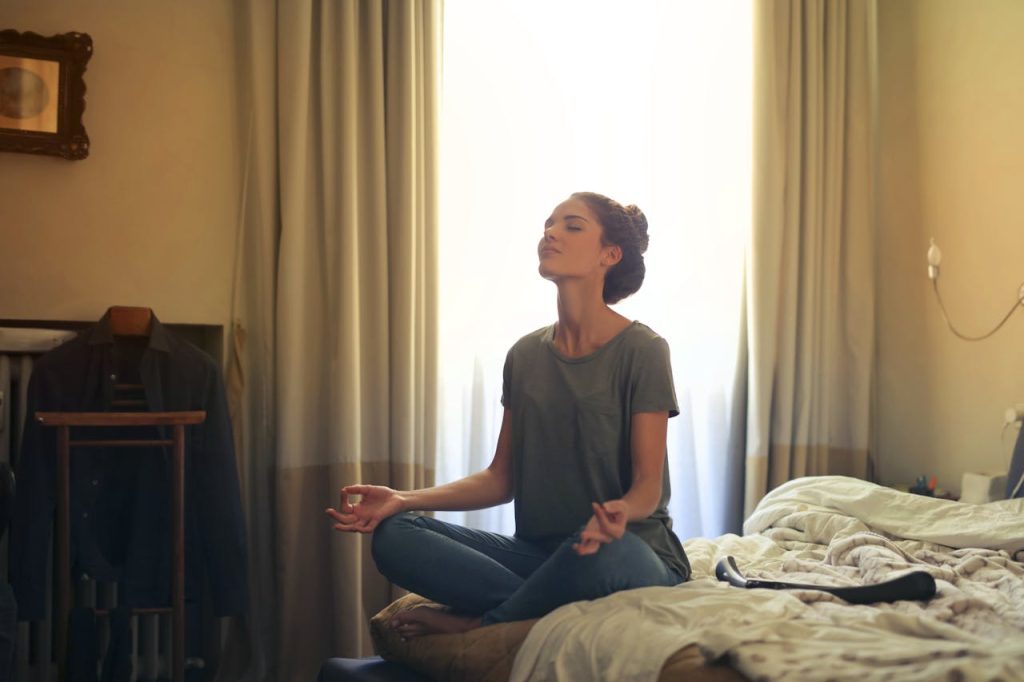
Discover powerful and science-backed facts about meditation, including benefits, techniques, and myths. Learn how meditation can improve mental clarity, reduce stress, and enhance overall well-being.
Overview
In this comprehensive guide on facts about meditation, you’ll discover how meditation truly works, its proven benefits, and why millions of people worldwide practice it daily. Whether you’re a beginner or someone looking to deepen your practice, this article will help you understand:
- The science behind meditation
- Surprising and lesser-known facts
- Mental, emotional, and physical benefits
- Common myths vs. reality
- Practical ways to start meditating
By the end, you’ll have a clear understanding of how meditation can positively impact your life—and why it’s more than just sitting quietly.
What Is Meditation?
Meditation is a mental practice that involves focusing your mind, increasing awareness, and achieving a state of calm and clarity. While often associated with spirituality, meditation is widely used today for mental health, stress reduction, and personal growth.
Understanding key facts about meditation helps remove confusion and makes it easier to start your journey.
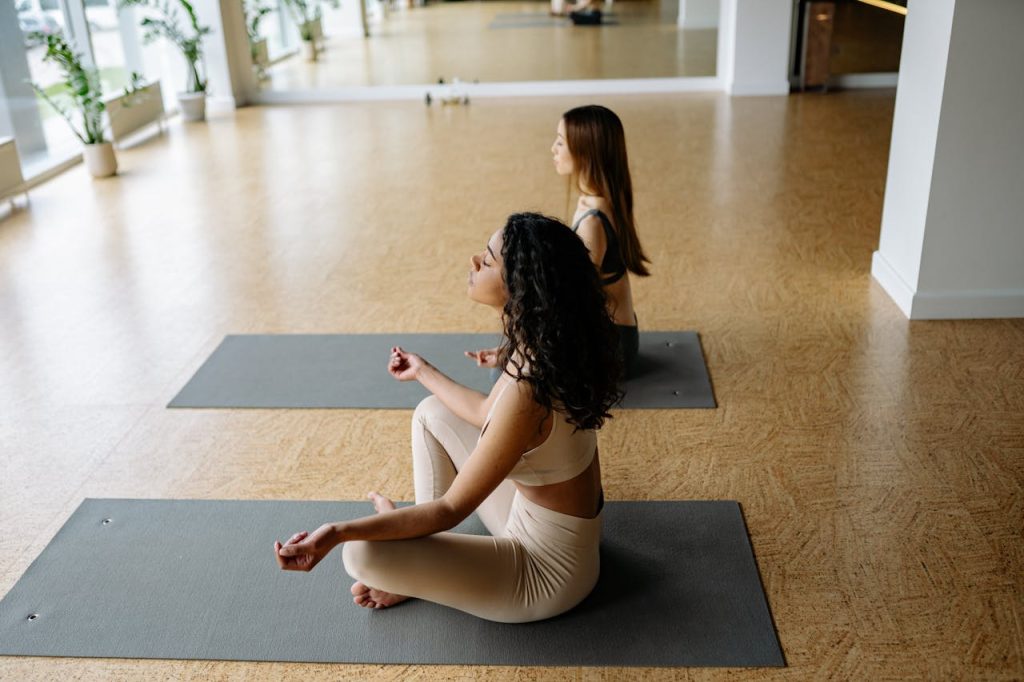
25 Powerful Facts About Meditation
1. Meditation Changes Your Brain
One of the most fascinating facts about meditation is that it can physically change your brain. Studies show it increases gray matter in areas related to memory, learning, and emotional regulation.
2. It Reduces Stress Significantly
Meditation lowers cortisol (the stress hormone), helping you feel calmer and more relaxed.
3. It Improves Heart Health
Regular meditation can lower blood pressure and reduce the risk of heart disease.
4. Meditation Enhances Sleep Quality
People who meditate often fall asleep faster and experience deeper sleep.
5. It Boosts Focus and Concentration
Meditation trains your mind to stay present, improving productivity and attention span.
6. It Improves Emotional Well-Being
Another important fact about meditation is its ability to increase positive emotions and reduce anxiety.
7. Meditation Helps Manage Anxiety
Mindfulness meditation helps you observe thoughts without reacting to them.
8. You Don’t Need Hours to Meditate
Even 5–10 minutes daily can deliver noticeable benefits.
9. Meditation Has Been Practiced for Thousands of Years
It originated in ancient cultures but remains highly relevant today.
10. It Enhances Self-Awareness
Meditation helps you understand your thoughts, habits, and behaviors.
11. Meditation Can Improve Creativity
By calming the mind, meditation allows new ideas to emerge.
12. It May Slow Aging
Some studies suggest meditation may slow cellular aging.
13. Meditation Rewires Negative Thinking
One of the most powerful facts about meditation is that it helps break negative thought patterns.
14. There Are Many Types of Meditation
Examples include:
15. It Helps Reduce Depression Symptoms
Meditation supports mental health alongside therapy and lifestyle changes.
16. Meditation Promotes Inner Peace
It helps you detach from chaos and find calm within.
17. It Improves Memory
Meditation enhances cognitive function and recall ability.
18. It Builds Mental Resilience
Practicing regularly makes you better at handling challenges.
19. Consistency Matters More Than Duration
Short daily sessions are more effective than long occasional ones.
20. Meditation Improves Overall Well-Being
It supports both mental and physical health.
21. You Can Meditate Anywhere
At home, at work, or even while walking.
22. Silence Is Not Required
You can meditate with music or guided sessions.
23. It Helps You Stay Present
Meditation trains your mind to focus on the present moment.
24. Meditation Is Not About “Stopping Thoughts”
One of the biggest facts about meditation is that it’s about observing thoughts—not eliminating them.
25. Anyone Can Practice Meditation
No special skills or experience required.
Common Myths About Meditation
Understanding myths is essential when exploring facts about meditation.
Myth 1: Meditation Is Only for Spiritual People
Truth: It’s widely used for mental health and productivity.
Myth 2: You Must Empty Your Mind
Truth: Meditation is about awareness, not emptiness.
Myth 3: It Takes Years to See Results
Truth: Benefits can appear within days or weeks.
Myth 4: Meditation Is Time-Consuming
Truth: Even a few minutes daily is effective.
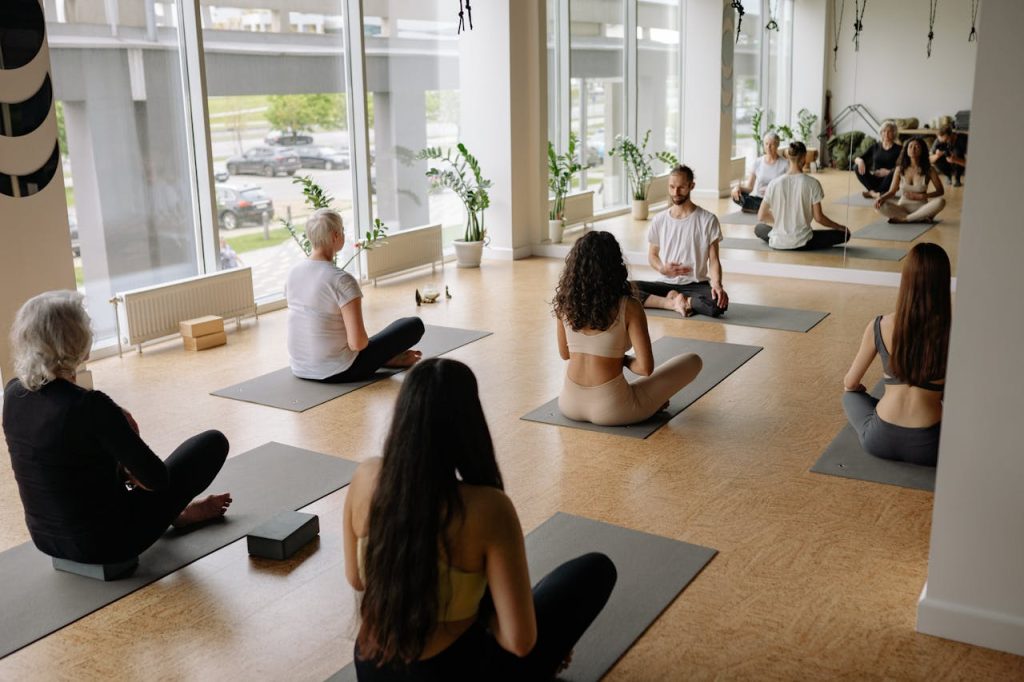
How to Start Meditation (Beginner Guide)
If these facts about meditation inspired you, here’s how to begin:
Step-by-Step Guide
- Find a quiet space
- Sit comfortably
- Close your eyes
- Focus on your breath
- Notice thoughts without judgment
- Practice for 5–10 minutes daily
Tips for Success
- Start small and stay consistent
- Don’t judge your thoughts
- Use guided meditation if needed
- Be patient with yourself
Benefits of Meditation
Here’s a quick summary of benefits supported by these facts about meditation:
Mental Benefits
Physical Benefits
Emotional Benefits
Why Meditation Matters in Today’s World
In today’s fast-paced environment, stress and distractions are constant. These facts about meditation show why it’s more important than ever:
- Helps manage digital overload
- Improves work-life balance
- Enhances clarity in decision-making
- Supports mental health naturally
Final Thoughts
These powerful facts about meditation prove that it’s not just a trend—it’s a life-changing practice backed by science and experience. Whether you want to reduce stress, improve focus, or simply feel more at peace, meditation offers a simple yet powerful solution.
The best part? You don’t need special equipment, a lot of time, or prior experience. Just a few minutes a day can start transforming your mind and life.
FAQs for Facts About Meditation
What are some important facts about meditation?
Meditation is a simple mental practice that improves focus, reduces stress, and enhances overall well-being. One of the key facts about meditation is that even a few minutes daily can create noticeable mental and emotional benefits.
How does meditation work?
Meditation works by training your mind to focus and redirect thoughts. It helps calm the nervous system and reduces stress hormones, making you feel more relaxed and balanced.
How long should I meditate as a beginner?
Beginners can start with 5–10 minutes daily. One of the most practical facts about meditation is that consistency matters more than duration.
Can meditation really reduce stress?
Yes, meditation is scientifically proven to lower cortisol levels, which reduces stress and promotes relaxation.
Do I need to sit in a specific position to meditate?
No, you can sit, lie down, or even walk. Comfort is more important than posture when starting meditation.
Is meditation linked to religion?
While meditation has roots in spiritual traditions, it is now widely practiced for mental health and wellness without any religious connection.
What is the best time to meditate?
You can meditate anytime, but many people prefer mornings for clarity or evenings for relaxation.
Can meditation improve sleep?
Yes, meditation helps calm the mind and body, making it easier to fall asleep and improve sleep quality.
What happens if my mind keeps wandering?
This is completely normal. One of the key facts about meditation is that the goal is not to stop thoughts but to observe them without judgment.
How long does it take to see results from meditation?
Some people notice benefits within a few days, while deeper changes may take weeks of consistent practice.
Can meditation help with anxiety?
Yes, meditation helps you manage anxiety by increasing awareness and reducing overthinking.
Is guided meditation better than silent meditation?
Both are effective. Beginners often find guided meditation easier, while experienced users may prefer silent practice.
Can meditation improve focus and productivity?
Yes, meditation trains your brain to concentrate better, leading to improved productivity and mental clarity.
Do I need any tools or apps to meditate?
No, meditation requires no special tools. However, apps and guided sessions can help beginners stay consistent.
Can anyone practice meditation?
Yes, meditation is for everyone regardless of age, lifestyle, or experience level. One of the most universal facts about meditation is its accessibility to all.
Related Topics
- How to Practice Meditation: A Step-by-Step Guide for Beginners
- How Do I Start to Meditate? A Complete Beginner’s Guide
- What Do You Do When You Meditate? A Complete Guide
- How to Meditate Daily: A Simple Guide to Building a Lifelong
- Meditation Techniques for Anxiety | Calm Your Mind Naturally
- How to Meditate Effectively: A Step-by-Step Guide for Beginners
- Best Way to Meditate: A Complete Guide for Beginners and Experts
- Mind Success: Unlock Your Full Potential with Proven Techniques
- Stress Meditation: How Mindfulness Helps Reduce Stress
- What Do You Do When You Meditate? A Complete Guide
- Breathing Meditation Techniques for Beginners: A Complete Guide
- How to Meditate Daily: A Simple Guide to Building a Lifelong
- Grief Meditation: A Healing Practice for Emotional Recovery
- 5 Minute Meditation Scripts: Quick & Effective Guided Meditation
- Meditating at Home: Guide to Finding Peace and Balance
- Meditation and Sounds: Boost Mindfulness & Relaxation