
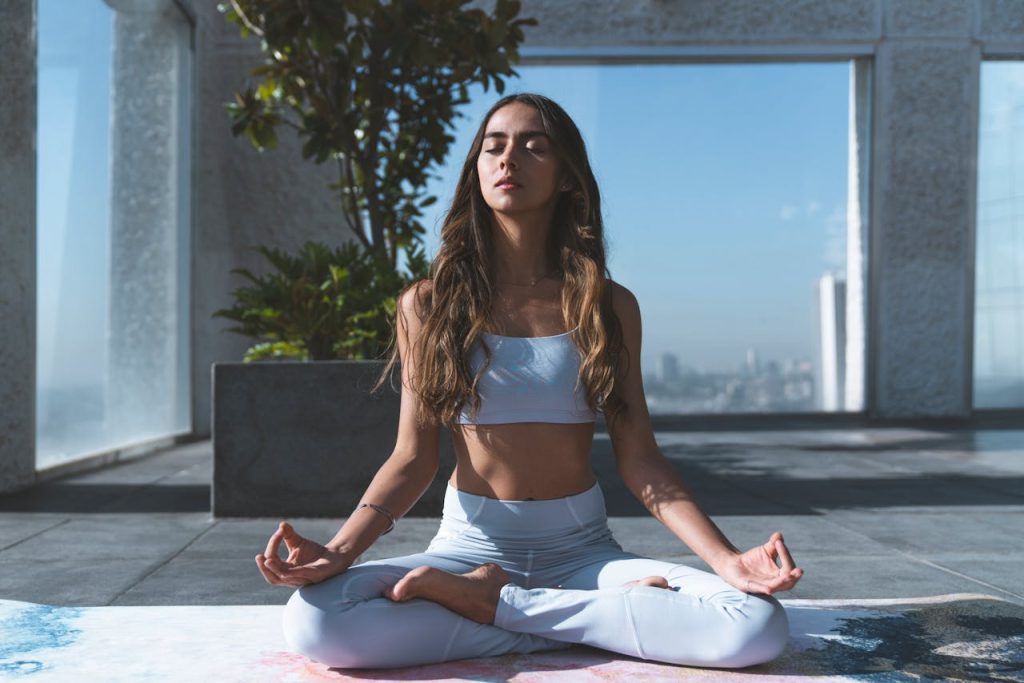
Discover the most important facts of meditation, how it transforms your mind and body, and why millions practice it daily. Learn scientifically proven benefits and how our guided sessions can support your wellness journey.
Overview
In this comprehensive guide, you will learn the most important facts of meditation, including its scientific benefits, how it affects the brain, why it improves emotional well-being, and how it supports physical health. You’ll also discover how meditation helps with stress, anxiety, productivity, sleep, and daily mindfulness. At the end of this post, you’ll know exactly why meditation is one of the most transformative wellness practices—and how Mindfulness Meditation Hub can support your journey with guided meditations and personalized resources.
Powerful Facts of Meditation Everyone Should Know
Meditation has become one of the most widely practiced wellness tools in the world—and for good reason. With millions of practitioners and decades of research supporting its effectiveness, meditation has proven benefits for mental, emotional, and physical health. Whether you’re a beginner or someone who has practiced before, understanding the facts of meditation can help you appreciate this ancient practice on a deeper level.
In this article, we’ll explore the top facts of meditation, what science says about its benefits, and how you can begin your own meditation journey today.
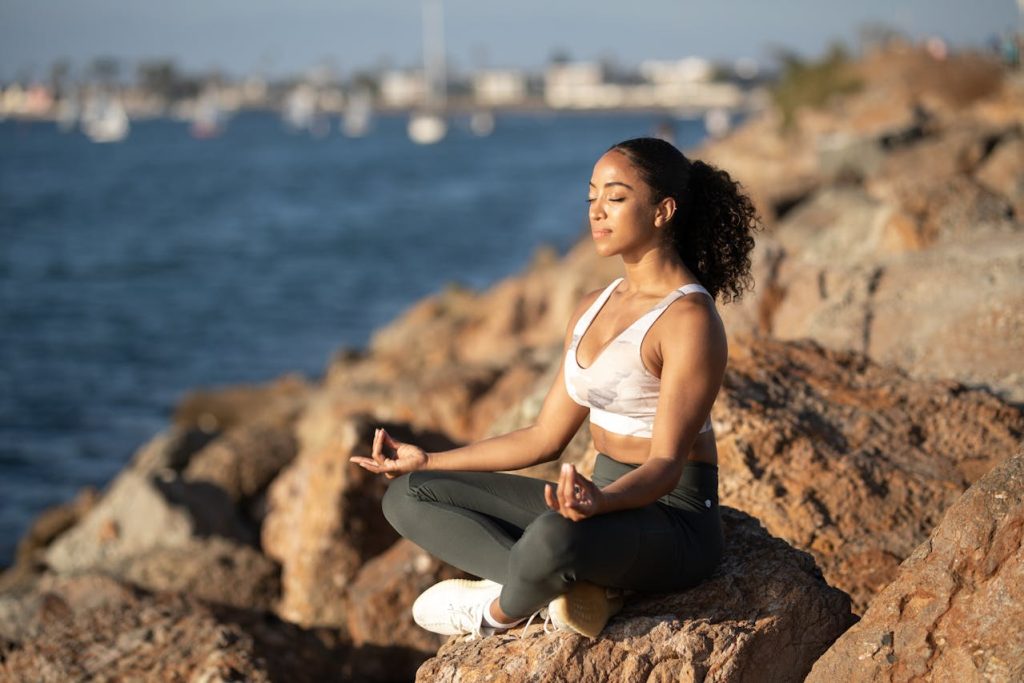
1. Meditation Rewires the Brain Through Neuroplasticity
One of the most fascinating facts of meditation is that it physically changes the structure of your brain. Research shows that meditation strengthens neural pathways responsible for emotional regulation, memory, focus, and decision-making.
Key Brain Changes From Meditation
- Increased gray matter in the hippocampus (memory and learning)
- Reduced amygdala activity (the fear and stress response center)
- Strengthened prefrontal cortex (focus and self-control)
- Improved connectivity throughout the brain
These changes explain why consistent meditation leads to long-term emotional and mental health improvements.
2. Meditation Reduces Stress at the Biological Level
One of the most well-known facts of meditation is its ability to reduce stress. Even a few minutes a day can lower cortisol levels, release muscle tension, and calm the nervous system.
How Meditation Reduces Stress
- Slows breathing and heart rate
- Activates the parasympathetic nervous system
- Lowers cortisol and adrenaline
- Shifts the body from “fight or flight” to “rest and digest”
This is why meditation is recommended for anyone dealing with chronic stress, burnout, or anxiety.
3. Meditation Improves Sleep Quality Naturally
If you struggle with falling asleep or staying asleep, meditation may be the solution you’ve been missing. Among the important facts of meditation, this one is particularly meaningful for those with insomnia.
Benefits of Meditation for Sleep
- Helps quiet racing thoughts
- Regulates melatonin production
- Reduces nighttime stress and restlessness
- Supports a deeper, more restorative sleep cycle
Many practitioners find that guided sleep meditations help them drift off faster and stay asleep longer.
4. Meditation Enhances Emotional Well-Being
Another powerful fact of meditation is its ability to support emotional resilience. It helps individuals regulate emotions, respond instead of react, and process difficult feelings more calmly.
Emotional Benefits of Meditation
- Reduced symptoms of anxiety and depression
- Increased feelings of happiness and inner peace
- Improved emotional intelligence
- Enhanced self-awareness and self-acceptance
Meditation teaches you to observe your emotions without judgment, making it easier to move through them.
5. Meditation Boosts Focus and Mental Clarity
One of the top facts of meditation backed by research is that it significantly improves attention and concentration.
Cognitive Benefits
- Improved mental clarity
- Greater productivity and task focus
- Enhanced decision-making
- Increased creativity and problem-solving
This is why meditation is popular among entrepreneurs, students, athletes, and professionals who want to perform at their best.
6. Meditation Supports Physical Health and Immunity
Meditation is not just for the mind—it also affects the body. Studies show that regular meditation boosts immune system function and supports overall physical well-being.
Physical Benefits
- Reduced inflammation
- Lower blood pressure
- Improved cardiovascular health
- Faster recovery from illness
- Better hormone balance
These facts of meditation reveal that the practice offers benefits far beyond mental health.
7. Meditation Helps You Stay Grounded in the Present Moment
With our busy lives and constant digital distractions, mindfulness practices are more important than ever. A critical fact of meditation is that it trains your mind to stay in the present instead of worrying about the future or dwelling on the past.
Benefits of Present-Moment Awareness
- Greater appreciation for life
- Reduced mental clutter
- Less overwhelm and worry
- Increased contentment and gratitude
The more you practice, the more natural mindfulness becomes.

8. Meditation Is Accessible to Everyone—Anywhere, Anytime
One of the simplest facts of meditation is that anyone can do it. You don’t need expensive equipment, a special room, or years of experience.
Meditation Is for Everyone
- Beginners
- Busy professionals
- Students
- Parents
- Seniors
- Those dealing with stress or emotional challenges
Whether you meditate for 3 minutes or 30, consistency matters more than duration.
9. Different Types of Meditation Offer Unique Benefits
Many people don’t realize that meditation comes in many forms. Exploring the different styles can help you discover what resonates most deeply.
Popular Meditation Styles
- Mindfulness meditation
- Breathwork meditation
- Loving-kindness (Metta) meditation
- Body-scan meditation
- Guided meditation
- Mantra meditation
- Walking meditation
- Visualization meditation
At Mindfulness Meditation Hub, we offer a wide variety of guided meditations so you can choose the style that best supports your goals.
10. Meditation Is More Effective When Guided by Experts
While anyone can meditate on their own, guided meditation offers structure, support, and expert insight—especially helpful for beginners.
Why Guided Meditation Works
- Helps reduce confusion and frustration
- Provides step-by-step direction
- Keeps you focused
- Makes it easier to stay consistent
- Offers emotional and mental support
Our platform gives you access to skilled teachers, live sessions, and user-friendly guided practices to make meditation easy and effective.
How Mindfulness Meditation Hub Supports Your Practice
Since meditation can be life-changing, our mission is to make it accessible to everyone. At Mindfulness Meditation Hub, we offer:
What You’ll Find on Our Platform
- A large library of guided meditations
- Sessions from experienced teachers
- Live meditation classes
- Mindfulness music and sound healing
- Beginner-friendly practices
- Meditations for sleep, stress relief, focus, and healing
Whether you’re new to meditation or looking to deepen your practice, our resources are designed to help you grow mindfully and confidently.
Final Thoughts: The Facts of Meditation Speak for Themselves
When you look at all the powerful facts of meditation, it’s clear why millions of people practice it every day. Meditation improves mental clarity, emotional balance, physical wellness, and spiritual connection. And with the right guidance, anyone can experience these benefits.
If you’re ready to start your meditation journey, Mindfulness Meditation Hub is here to support you with expert-led sessions, accessible tools, and a community dedicated to your well-being.
FAQs for Facts of Meditation
What are the most important facts of meditation?
Meditation improves mental clarity, reduces stress, enhances emotional balance, and supports overall physical well-being.
How long should I meditate each day to see results?
Even 5–10 minutes daily can lead to noticeable benefits, though 15–20 minutes is ideal for deeper results.
Is meditation scientifically proven?
Yes, many studies show that meditation affects brain structure, reduces cortisol, and improves sleep and emotional health.
Can beginners easily start meditation?
Absolutely. Guided meditations are ideal for beginners because they provide step-by-step support.
What type of meditation is best for stress relief?
Mindfulness meditation and breath-focused meditation are the most effective for reducing stress and calming the mind.
How does meditation help with anxiety?
Meditation reduces overthinking, slows down the nervous system, and trains the brain to respond calmly to stressors.
Is meditation the same as mindfulness?
Not exactly. Meditation is a structured practice, while mindfulness is the moment-to-moment awareness you can use anytime.
Can meditation improve sleep quality?
Yes. Many people use guided sleep meditations to fall asleep faster and stay asleep longer.
Do I need a special place or equipment to meditate?
No. Meditation can be done anywhere—sitting on a chair, the floor, or even lying down.
Can meditation really change the brain?
Yes. Through neuroplasticity, meditation increases gray matter and strengthens areas responsible for focus, memory, and emotional regulation.
How long does it take to feel the benefits of meditation?
Some people feel calmer after their first session. Consistent practice for 2–4 weeks brings more lasting benefits.
Is guided meditation better than meditating alone?
Guided meditation is easier for beginners because it provides structure, direction, and expert support.
Can meditation help with physical health?
Yes. Meditation lowers blood pressure, supports immunity, reduces inflammation, and improves heart health.
What’s the best time of day to meditate?
Morning is ideal for clarity, but evening meditation helps with relaxation and sleep. Choose the time that feels natural for you.
Can meditation improve focus and productivity?
Absolutely. Meditation strengthens the prefrontal cortex, helping you concentrate longer and work more efficiently.
Related Topics
- How to Practice Meditation: A Step-by-Step Guide for Beginners
- How Do I Start to Meditate? A Complete Beginner’s Guide
- What Do You Do When You Meditate? A Complete Guide
- How to Meditate Daily: A Simple Guide to Building a Lifelong
- Meditation Techniques for Anxiety | Calm Your Mind Naturally
- How to Meditate Effectively: A Step-by-Step Guide for Beginners
- Best Way to Meditate: A Complete Guide for Beginners and Experts
- Mind Success: Unlock Your Full Potential with Proven Techniques
- Stress Meditation: How Mindfulness Helps Reduce Stress
- What Do You Do When You Meditate? A Complete Guide
- Breathing Meditation Techniques for Beginners: A Complete Guide
- How to Meditate Daily: A Simple Guide to Building a Lifelong
- Grief Meditation: A Healing Practice for Emotional Recovery
- 5 Minute Meditation Scripts: Quick & Effective Guided Meditation
- Meditating at Home: Guide to Finding Peace and Balance
- Meditation and Sounds: Boost Mindfulness & Relaxation