
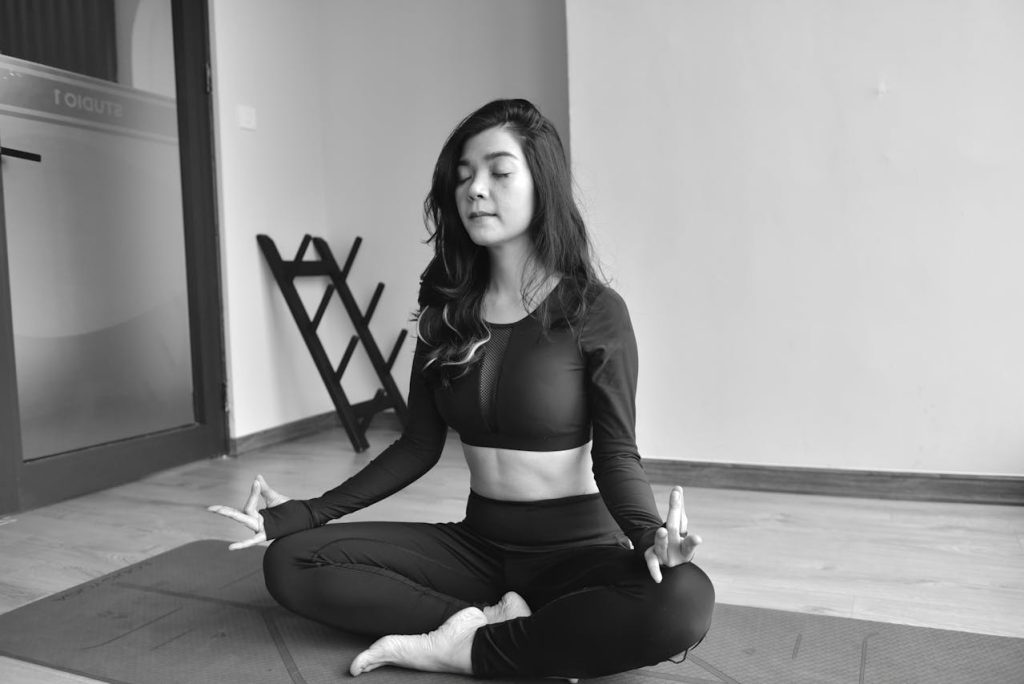
Learn how to feel gratitude in everyday life using simple mindfulness techniques. Discover practical exercises that help you feel gratitude, reduce stress, and build a more positive mindset.
Overview
In today’s fast-paced world, it’s easy to focus on what’s missing rather than appreciating what we already have. Deadlines, responsibilities, and constant digital distractions often pull our attention away from the present moment. Yet one powerful practice can shift this mindset entirely: learning how to feel gratitude.
Gratitude is more than just saying “thank you.” It’s a deep emotional awareness that helps you recognize the value of life’s experiences—both big and small. When you truly feel gratitude, you cultivate a sense of calm, resilience, and emotional well-being.
Through mindfulness and intentional practice, anyone can learn to feel gratitude more often and integrate it into daily life. This guide will show you practical techniques to help you build a meaningful gratitude practice that supports mental clarity, emotional balance, and long-term happiness.
Understanding What It Means to Feel Gratitude
Gratitude is often misunderstood as a polite response or social habit. In reality, it is a powerful emotional state that arises when we recognize the goodness in our lives.
To truly feel gratitude, you must shift your awareness toward appreciation. Instead of focusing on problems, you intentionally notice positive aspects of life—such as relationships, opportunities, personal growth, or even small everyday moments.
When people learn to feel gratitude, they often notice improvements in their emotional outlook. Gratitude encourages optimism and strengthens a sense of connection with the world around us.
Key elements of genuine gratitude include:
- Awareness of positive experiences
- Appreciation for people and circumstances
- A sense of humility and interconnectedness
- Mindful recognition of the present moment
Mindfulness meditation practices are particularly effective at helping people slow down and recognize these aspects of life.
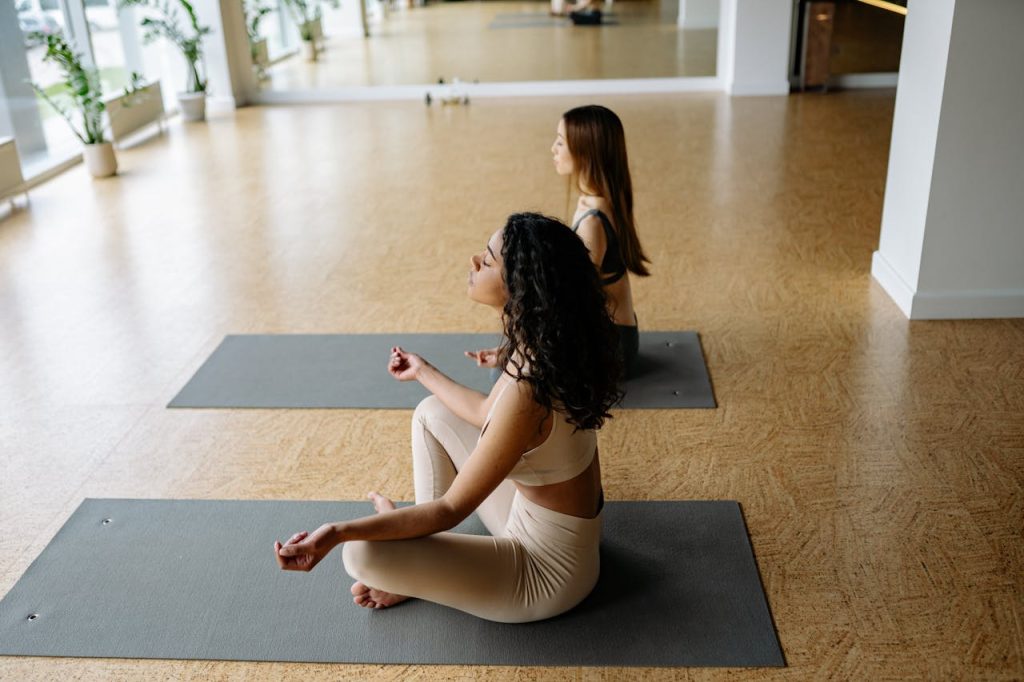
Why Learning to Feel Gratitude Is Important
Modern psychology increasingly recognizes the importance of gratitude for mental health and emotional resilience. Studies consistently show that people who regularly feel gratitude experience greater life satisfaction.
Gratitude changes the way the brain processes experiences. Instead of focusing on stress and negativity, the mind begins to identify opportunities for appreciation.
Benefits of practicing gratitude include:
- Reduced stress and anxiety
- Improved emotional resilience
- Better relationships
- Increased happiness and life satisfaction
- Greater sense of purpose and meaning
When individuals learn to feel gratitude regularly, they often develop a healthier perspective on challenges and setbacks.
The Connection Between Mindfulness and Gratitude
Mindfulness is the practice of paying attention to the present moment without judgment. It encourages awareness, clarity, and acceptance of our experiences.
When mindfulness and gratitude are combined, they create a powerful emotional shift. Mindfulness helps you notice positive experiences that you might otherwise overlook, making it easier to feel gratitude.
For example, mindfulness can help you appreciate the following:
- The warmth of sunlight during a morning walk
- The comfort of a quiet moment of reflection
- A meaningful conversation with a friend
- The simple act of breathing deeply
These small experiences often become powerful sources of gratitude when we slow down enough to recognize them.
Simple Daily Practices to Help You Feel Gratitude
Developing gratitude doesn’t require complicated rituals. Small, consistent practices can gradually train your mind to notice and appreciate the good in your life.
Here are several effective techniques to help you feel gratitude more consistently.
1. Start a gratitude journal.
One of the most effective ways to cultivate gratitude is writing down things you appreciate each day.
Try writing three things every evening that made you feel thankful. These can be simple experiences, such as:
- A supportive conversation
- A beautiful sunset
- Completing an important task
Over time, this practice trains your brain to naturally feel gratitude throughout the day.
2. Practice Mindful Breathing with Gratitude
Mindful breathing is a simple meditation technique that encourages calm and awareness.
To combine breathing with gratitude:
- Sit comfortably and close your eyes.
- Take slow, deep breaths.
- With each breath, focus on something you appreciate.
This practice helps you slow down and intentionally feel gratitude in the present moment.
3. Express Appreciation to Others
Gratitude becomes even more powerful when shared with others.
Consider expressing appreciation by:
- Writing a thank-you message
- Complimenting someone sincerely
- Acknowledging the support of friends or family
When you express gratitude outwardly, it deepens your ability to feel gratitude internally.
4. Practice Gratitude During Difficult Moments
It may seem counterintuitive, but challenging experiences can also become opportunities for gratitude.
Difficult moments often teach valuable lessons, encourage personal growth, or reveal inner strength. By reflecting on these aspects, you may still find ways to feel gratitude even in adversity.
This perspective helps build emotional resilience and balance.
Mindfulness Exercises That Strengthen Gratitude
Mindfulness meditation practices are powerful tools for cultivating appreciation and awareness.
Body Awareness Meditation
This practice involves gently scanning your body and noticing sensations without judgment.
While doing this meditation, take moments to appreciate:
- The ability to breathe
- The strength of your body
- The calmness of stillness
Through awareness, it becomes easier to feel gratitude for aspects of life that often go unnoticed.
Gratitude Reflection Meditation
This meditation focuses specifically on cultivating appreciation.
Steps to follow:
- Sit comfortably and relax your body.
- Bring to mind a person or experience that brings joy.
- Reflect on why it matters to you.
- Allow yourself to fully feel gratitude for that experience.
Practicing this meditation regularly helps deepen emotional awareness and appreciation.
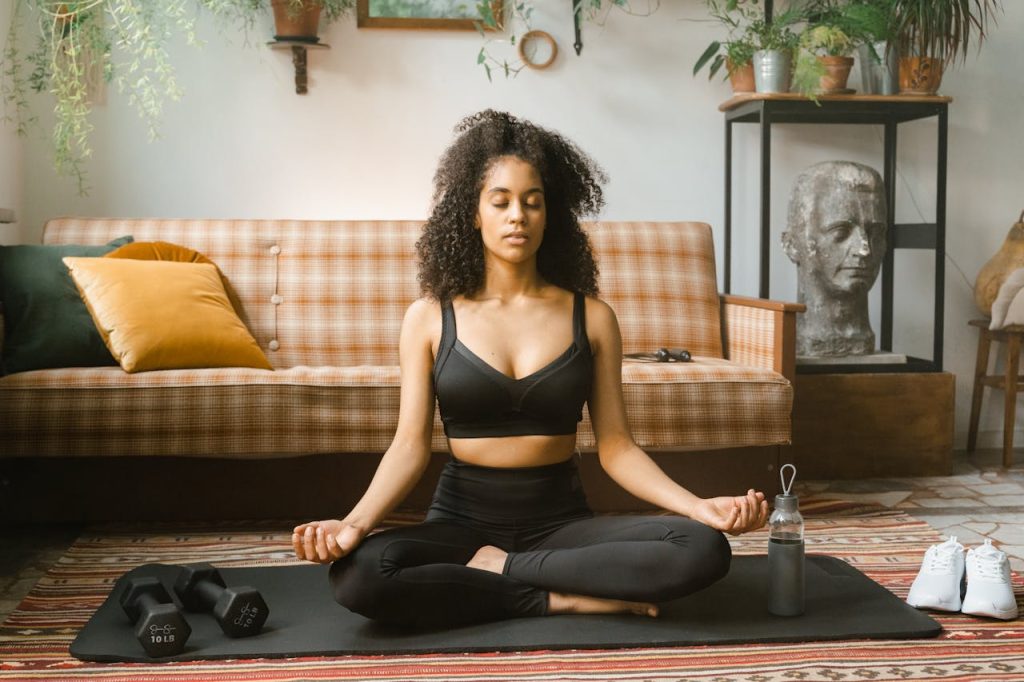
How Gratitude Improves Emotional Well-Being
Developing a gratitude practice does more than improve mood—it can transform the way you experience life.
When people regularly feel gratitude, they tend to:
- React to stress more calmly
- Maintain stronger relationships
- Experience greater emotional balance
- Develop a more positive outlook
Gratitude encourages the mind to focus on possibility rather than limitation. This shift in perspective often leads to greater confidence and clarity.
Creating a Long-Term Gratitude Habit
Consistency is key when building any mindfulness practice.
To maintain a regular gratitude habit:
- Set aside a few minutes daily for reflection.
- Use reminders such as journal prompts
- Combine gratitude with meditation practices.
- Reflect on positive experiences before sleeping
Over time, these small habits help your mind naturally feel gratitude more often without effort.
The Transformative Power of Gratitude
Gratitude may seem like a simple concept, but its impact can be profound. Learning how to feel gratitude regularly can transform your mental and emotional well-being.
By combining mindfulness practices with intentional reflection, you can cultivate a deeper appreciation for everyday life.
The journey toward gratitude doesn’t require perfection—it simply begins with awareness. Every moment you pause to notice something meaningful is an opportunity to feel gratitude.
FAQs for Feel Gratitude
What does it mean to feel gratitude?
To feel gratitude means recognizing and appreciating the positive aspects of your life. It involves acknowledging the people, experiences, and opportunities that bring value and meaning to your daily life.
Why is it important to feel gratitude every day?
Learning to feel gratitude every day helps improve emotional well-being, reduces stress, and encourages a more positive mindset. Daily gratitude practice also strengthens relationships and promotes overall happiness.
How can mindfulness help you feel gratitude?
Mindfulness encourages present-moment awareness, helping you notice positive experiences that might otherwise be overlooked. When you practice mindfulness regularly, it becomes easier to feel gratitude for everyday moments.
What are simple ways to feel gratitude daily?
Simple ways to feel gratitude include keeping a gratitude journal, expressing appreciation to others, reflecting on positive experiences, and practicing mindful breathing.
Can meditation help you feel gratitude?
Yes, meditation can help you feel gratitude by slowing down your thoughts and allowing you to focus on meaningful experiences, relationships, and moments of appreciation.
How does gratitude affect mental health?
Practicing gratitude improves mental health by reducing anxiety, increasing optimism, and encouraging emotional balance. When people consistently feel gratitude, they often experience greater life satisfaction.
What is a gratitude journal?
A gratitude journal is a simple tool where you write down things you are thankful for each day. This habit helps train your mind to naturally feel gratitude and focus on positive experiences.
How long does it take to develop a gratitude habit?
Most people begin to notice changes within a few weeks of practicing gratitude daily. Consistent reflection and mindfulness exercises help the brain learn to feel gratitude more naturally over time.
Can gratitude reduce stress?
Yes. When you learn to feel gratitude, your mind shifts away from negative thoughts and stressors, helping you feel calmer and more emotionally balanced.
Is gratitude part of mindfulness practice?
Gratitude is often integrated into mindfulness practices. Mindfulness helps you become aware of positive moments, making it easier to feel gratitude for everyday experiences.
What are the emotional benefits of gratitude?
People who regularly feel gratitude often experience improved mood, stronger emotional resilience, greater happiness, and a deeper sense of purpose.
How can beginners start practicing gratitude?
Beginners can start by writing three things they appreciate each day, practicing mindful breathing, and reflecting on positive experiences that help them feel gratitude.
Can gratitude improve relationships?
Yes. Expressing appreciation and learning to feel gratitude for the people in your life strengthens relationships and fosters deeper emotional connections.
What is a gratitude meditation?
Gratitude meditation is a mindfulness exercise where you focus on people, experiences, or aspects of life that make you feel gratitude, allowing you to fully appreciate them.
How often should you practice gratitude?
Gratitude can be practiced daily. Even a few minutes each day dedicated to reflection or mindfulness can help you consistently feel gratitude and build a positive mindset.
Related Topics
- How to Practice Meditation: A Step-by-Step Guide for Beginners
- How Do I Start to Meditate? A Complete Beginner’s Guide
- What Do You Do When You Meditate? A Complete Guide
- How to Meditate Daily: A Simple Guide to Building a Lifelong
- Meditation Techniques for Anxiety | Calm Your Mind Naturally
- How to Meditate Effectively: A Step-by-Step Guide for Beginners
- Best Way to Meditate: A Complete Guide for Beginners and Experts
- Mind Success: Unlock Your Full Potential with Proven Techniques
- Stress Meditation: How Mindfulness Helps Reduce Stress
- What Do You Do When You Meditate? A Complete Guide
- Breathing Meditation Techniques for Beginners: A Complete Guide
- How to Meditate Daily: A Simple Guide to Building a Lifelong
- Grief Meditation: A Healing Practice for Emotional Recovery
- 5 Minute Meditation Scripts: Quick & Effective Guided Meditation
- Meditating at Home: Guide to Finding Peace and Balance
- Meditation and Sounds: Boost Mindfulness & Relaxation