
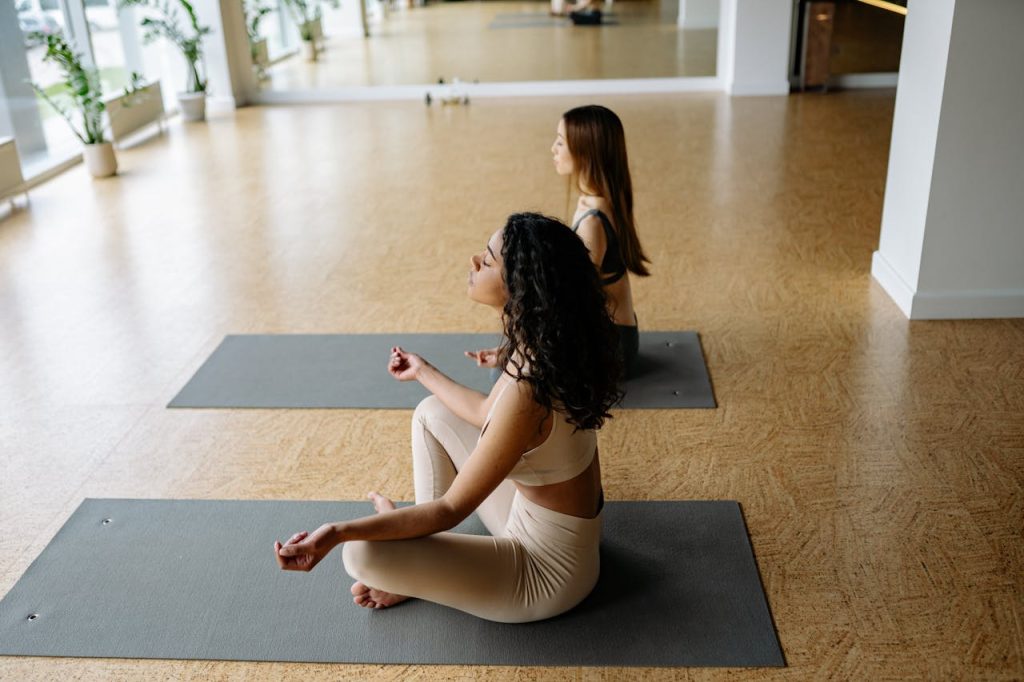
Learn how to find gratitude in your daily life with practical tips, mindfulness exercises, and strategies to boost happiness, reduce stress, and live with more appreciation.
Overview
In this blog, readers will learn how to find gratitude in their daily lives and why it matters for mental, emotional, and physical well-being. We’ll cover actionable strategies, mindfulness exercises, and lifestyle practices that help cultivate gratitude consistently. By the end, readers will understand how gratitude can transform perspective, enhance relationships, and promote overall happiness. This post is designed for anyone—beginners or experienced mindfulness practitioners—seeking to enrich their daily life with more appreciation and positivity.
What Does It Mean to Find Gratitude?
Gratitude is more than saying “thank you” or acknowledging a kind gesture. It is a conscious awareness of the positive aspects of life, even amidst challenges. When you learn to find gratitude, you shift your focus from what’s lacking to what’s present, fostering emotional resilience and overall well-being.
Science supports the benefits of gratitude. Research shows that individuals who regularly practise gratitude:
- Experience lower stress levels
- Sleep better and feel more rested
- Maintain stronger social connections
- Exhibit higher levels of happiness and life satisfaction
By understanding and applying gratitude in everyday life, anyone can cultivate a mindset that leads to long-term emotional health.
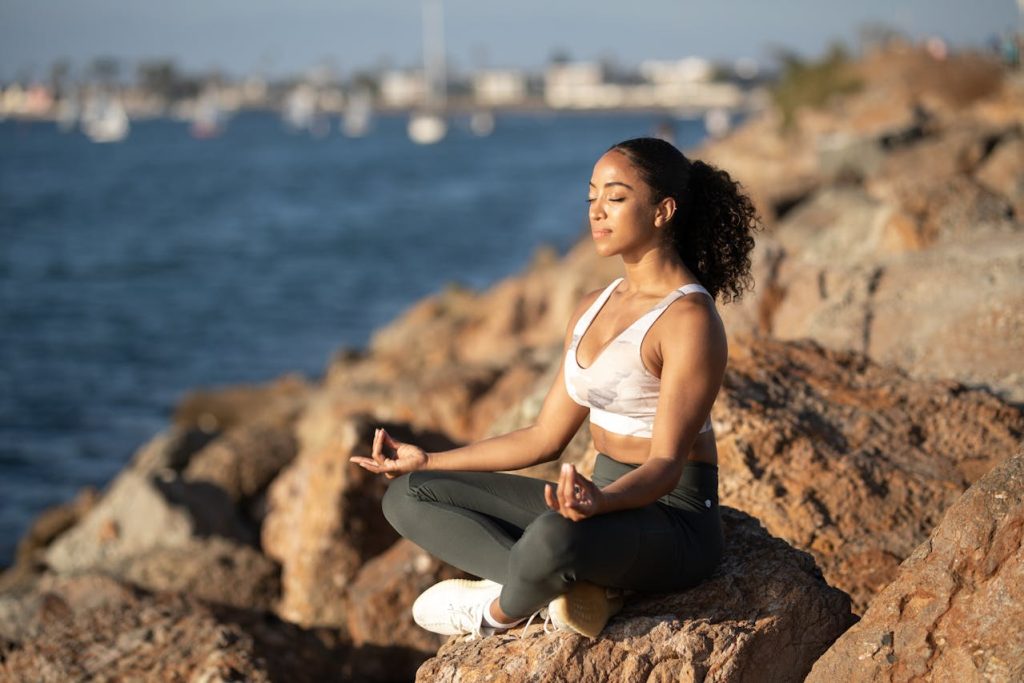
Why You Should Make Gratitude a Daily Practice
Integrating gratitude into your daily routine offers both psychological and physical benefits:
Psychological Benefits
- Improved mood: Gratitude shifts your attention from negative experiences to positive ones.
- Reduced anxiety and depression: Reflecting on what you’re grateful for can decrease negative thought patterns.
- Increased resilience: Gratitude helps you cope with life’s challenges by highlighting the support and opportunities around you.
Physical Benefits
- Better sleep: Practising gratitude before bed can improve sleep quality.
- Boosted immunity: Positive emotions from gratitude may enhance immune function.
- Lower blood pressure: A grateful mindset can reduce stress and support cardiovascular health.
Practising gratitude consistently doesn’t have to be complicated. Below, we’ll explore practical strategies to help you find gratitude every day.
How to Find Gratitude in Everyday Life
Learning to find gratitude is a skill that improves with practice. Here are actionable methods to get started:
1. Keep a Gratitude Journal
Writing down what you’re thankful for helps reinforce positive thinking.
- Dedicate 5–10 minutes daily to jot down 3–5 things you are grateful for.
- Include small moments, such as a kind gesture, a sunny day, or a good meal.
- Over time, this practice rewires your brain to notice positives naturally.
2. Practise Mindful Gratitude
Mindfulness is a powerful way to fully experience gratitude.
- Spend a few minutes each day in silent reflection, focusing on what brings you joy.
- Engage all senses: notice the smells, sights, and feelings associated with the things you appreciate.
- Mindful gratitude can make ordinary moments feel extraordinary.
3. Express Gratitude to Others
Sharing your appreciation strengthens relationships and reinforces your own gratitude.
- Say “thank you” sincerely to family, friends, or coworkers.
- Write a note or send a message expressing why you value someone.
- Acts of gratitude create a ripple effect, spreading positivity.
4. Reframe Challenges
Even difficult situations can provide reasons to feel thankful.
- Ask yourself what lessons or growth opportunities a challenge offers.
- Focus on the aspects of a problem that are within your control.
- Shifting perspective allows you to find gratitude even in adversity.
5. Use Gratitude Reminders
Visual cues help keep gratitude top of mind:
- Place sticky notes with thankful reminders around your home or workspace.
- Use smartphone apps to prompt daily gratitude reflections.
- Incorporate gratitude into routines, like mealtime or before bed.
Gratitude Exercises You Can Try Today
Practical exercises make it easier to find gratitude consistently:
The “Three Good Things” Exercise
- Each night, write down three positive experiences from your day.
- Reflect on why these events happened and what they mean to you.
Gratitude Letter
- Write a letter to someone who has had a positive impact on your life.
- Even if you don’t send it, articulating your gratitude strengthens your mindset.
The Gratitude Walk
- Take a walk and consciously notice things you appreciate: nature, people, sounds, or sensations.
- Focus fully on the experience to cultivate mindful gratitude.
Morning Intention Setting
- Start each day by identifying something you are grateful for and why.
- Use it as a foundation for your mindset throughout the day.
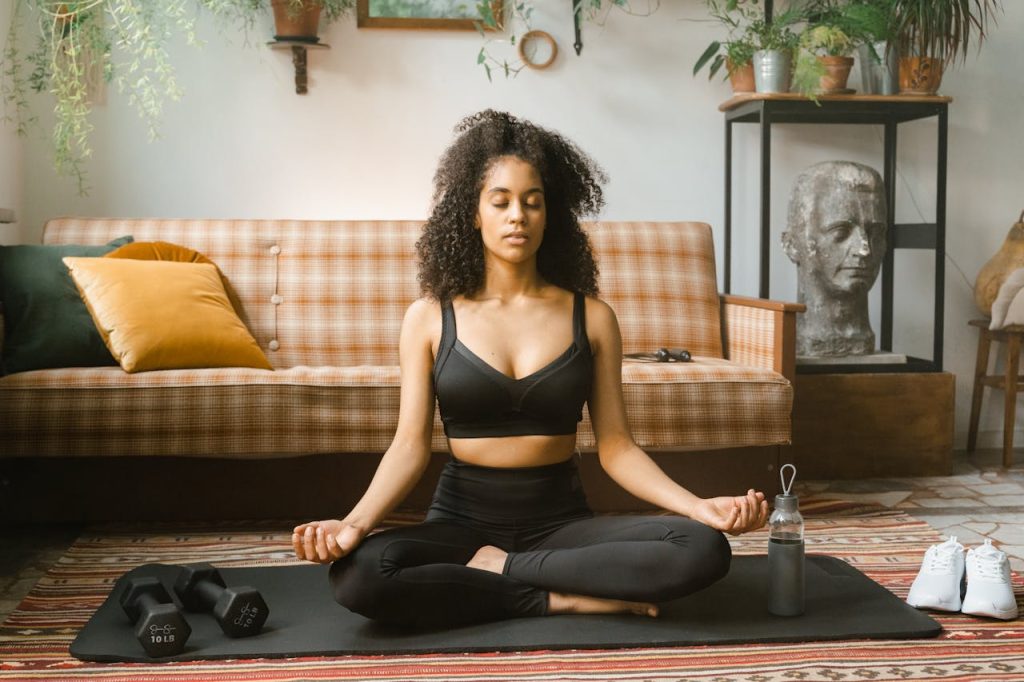
How Gratitude Impacts Your Relationships
When you find gratitude, it positively affects your interactions:
- Encourages empathy and reduces aggression
- Increases feelings of connection and support
- Strengthens long-term bonds with family, friends, and colleagues
By appreciating others and acknowledging their efforts, you not only improve relationships but also deepen your own sense of fulfilment.
The Role of Gratitude in Mindfulness and Meditation
Mindfulness practices complement gratitude perfectly:
- Meditation helps you slow down and focus on the present moment, highlighting what you value.
- Guided gratitude meditations can intensify feelings of appreciation.
- Incorporating gratitude into mindfulness routines helps sustain emotional balance and long-term mental health.
At Mindfulness Meditation Hub, we offer guided exercises and resources to help you find gratitude during meditation, creating a holistic approach to wellness.
Tips for Making Gratitude a Lifestyle
To make gratitude more than a fleeting thought, consider these strategies:
- Consistency is key: Commit to at least one gratitude practice daily.
- Be specific: Rather than general statements like “I’m grateful for my life”, identify exact events, people, or moments.
- Celebrate small wins: Appreciating minor achievements builds momentum.
- Reflect regularly: Weekly or monthly reflections can deepen gratitude awareness.
- Combine with other wellness habits: Gratitude complements exercise, healthy eating, and mindfulness.
Final Thought: Transform Your Life by Learning to Find Gratitude
Finding gratitude is a transformative practice that nurtures mental, emotional, and physical health. By integrating gratitude into your daily life, you can:
- Shift perspective from scarcity to abundance
- Strengthen relationships
- Improve overall happiness and well-being
Whether through journaling, mindfulness, expressing appreciation, or reframing challenges, there are countless ways to find gratitude in your life. Start small, stay consistent, and watch how this simple yet powerful practice changes your outlook on the world.
Remember: gratitude is not just a feeling—it’s a habit you can cultivate. Begin today, and let appreciation guide your journey toward a more mindful and fulfilling life.
FAQs for Find Gratitude
What does it mean to find gratitude?
Finding gratitude means consciously recognizing and appreciating the positive aspects of your life, no matter how small.
Why is it important to practice gratitude daily?
Daily gratitude enhances mental well-being, reduces stress, improves sleep, and strengthens relationships.
How can I start finding gratitude as a beginner?
Start with simple practices like keeping a gratitude journal, saying “thank you” more often, or reflecting on three positive things each day.
Can gratitude improve mental health?
Yes, regular gratitude practice has been shown to reduce symptoms of anxiety and depression while increasing overall happiness.
How does gratitude affect relationships?
Expressing gratitude fosters empathy, strengthens connections, and promotes mutual appreciation in personal and professional relationships.
What are some quick ways to find gratitude during a busy day?
Notice small moments of joy, practice mindful breathing, or send a brief note of appreciation to someone.
Is it necessary to meditate to practice gratitude?
No, meditation is optional. However, mindfulness meditation can deepen your awareness and enhance feelings of gratitude.
How can I find gratitude in difficult situations?
Focus on lessons learned, personal growth, and the support you receive from others to uncover gratitude even in challenges.
What are the best exercises to cultivate gratitude?
Exercises include gratitude journaling, writing gratitude letters, taking gratitude walks, and reflecting on daily wins.
Can children learn to find gratitude?
Absolutely! Simple practices like bedtime gratitude reflections or drawing things they appreciate can teach children gratitude from an early age.
How often should I practice gratitude to see benefits?
Daily practice is ideal, even if it’s just a few minutes, to form a lasting mindset shift.
Does finding gratitude help with stress management?
Yes, gratitude shifts focus from worries to positive experiences, reducing stress and promoting emotional balance.
Can gratitude improve physical health?
Practicing gratitude can lead to better sleep, lower blood pressure, and improved immune function.
How do I stay consistent with gratitude practice?
Set reminders, integrate gratitude into daily routines, and start with small, manageable exercises to build a sustainable habit.
What is the difference between gratitude and appreciation?
Gratitude focuses on recognizing what you have or receive, while appreciation is broader and can include acknowledging value or beauty in people, experiences, or nature.
Related Topics
- How to Practice Meditation: A Step-by-Step Guide for Beginners
- How Do I Start to Meditate? A Complete Beginner’s Guide
- What Do You Do When You Meditate? A Complete Guide
- How to Meditate Daily: A Simple Guide to Building a Lifelong
- Meditation Techniques for Anxiety | Calm Your Mind Naturally
- How to Meditate Effectively: A Step-by-Step Guide for Beginners
- Best Way to Meditate: A Complete Guide for Beginners and Experts
- Mind Success: Unlock Your Full Potential with Proven Techniques
- Stress Meditation: How Mindfulness Helps Reduce Stress
- What Do You Do When You Meditate? A Complete Guide
- Breathing Meditation Techniques for Beginners: A Complete Guide
- How to Meditate Daily: A Simple Guide to Building a Lifelong
- Grief Meditation: A Healing Practice for Emotional Recovery
- 5 Minute Meditation Scripts: Quick & Effective Guided Meditation
- Meditating at Home: Guide to Finding Peace and Balance
- Meditation and Sounds: Boost Mindfulness & Relaxation