
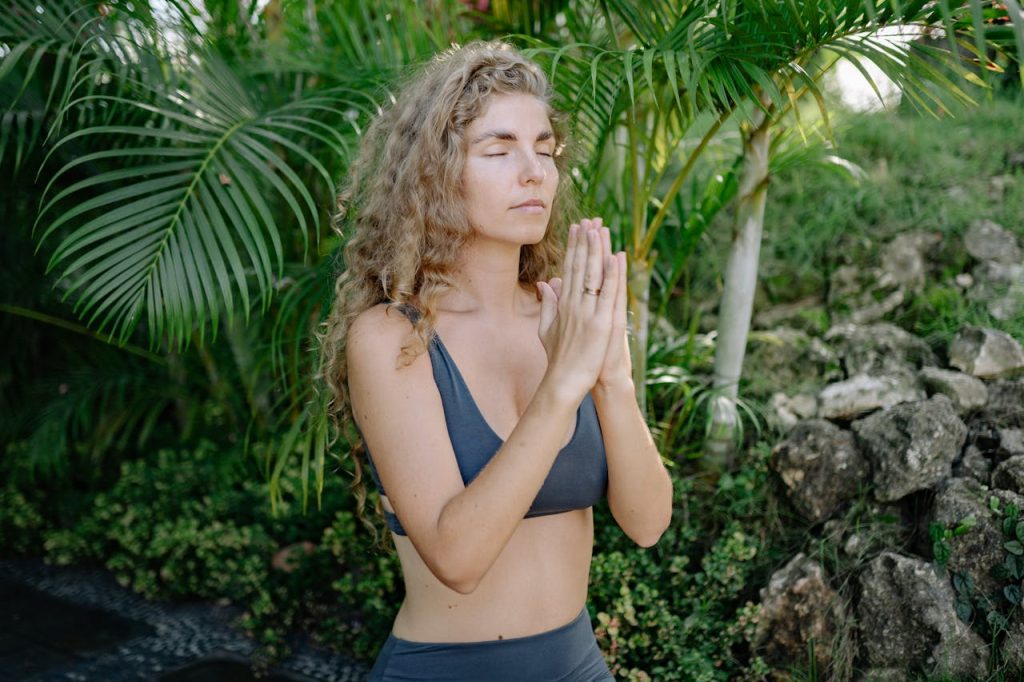
Discover the power of garden meditation to reduce stress, improve focus, and reconnect with nature. Learn techniques, benefits, and how to start your own mindful outdoor practice today.
Overview
In today’s fast-paced world, finding moments of stillness can feel almost impossible. That’s where garden meditation comes in—a simple yet powerful practice that blends mindfulness with the natural environment.
In this guide, you’ll learn:
- What garden meditation is and why it’s so effective
- The mental, emotional, and physical benefits of meditating outdoors
- Step-by-step techniques to start your own practice
- Tips to create a calming meditation garden at home
- Common mistakes to avoid for better results
Whether you’re a beginner or someone looking to deepen your mindfulness practice, this blog will give you practical tools to reconnect with yourself through nature.
What Is Garden Meditation?
Garden meditation is a mindfulness practice performed in a natural outdoor setting—such as a garden, park, or green space. Unlike traditional indoor meditation, it incorporates the sights, sounds, and sensations of nature to deepen awareness and relaxation.
Instead of blocking out distractions, garden meditation encourages you to embrace them:
- The sound of birds chirping
- The feeling of sunlight on your skin
- The gentle movement of leaves in the wind
These natural elements become anchors for your attention, making meditation feel more organic and less forced.
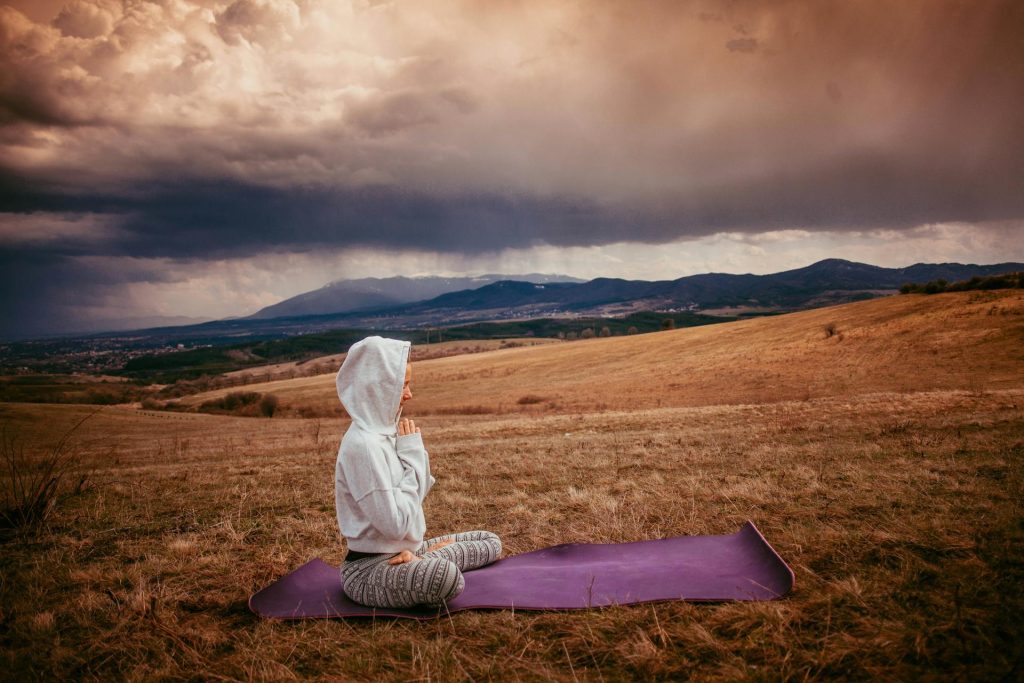
Why Garden Meditation Is So Powerful
Practicing garden meditation offers a unique combination of mindfulness and nature therapy. This synergy amplifies the benefits compared to indoor meditation.
Key Benefits
Nature has a calming effect on the nervous system. When combined with mindfulness, garden meditation helps lower cortisol levels and promote relaxation.
Being surrounded by natural elements helps reset your attention span. Many people find garden meditation easier to maintain because it feels less restrictive.
3. Enhances Emotional Well-Being
Regular practice can lead to:
- Increased positivity
- Better emotional balance
- Reduced negative thinking
Spending time outdoors during garden meditation can
- Improve vitamin D levels
- Support better sleep
- Encourage gentle physical movement
5. Deepens Mind-Body Connection
The sensory experience of nature makes it easier to stay present, helping you reconnect with your body and breath.
How to Practice Garden Meditation (Step-by-Step)
Starting a garden meditation practice doesn’t require special tools or experience. Follow these simple steps:
Step 1: Choose the Right Space
Pick a quiet outdoor area such as the following:
- Your backyard garden
- A local park
- A peaceful green corner
Make sure it feels safe and comfortable.
Step 2: Get Comfortable
You can:
- Sit on a chair or cushion
- Lie on the grass
- Stand barefoot on the أرض (grounding)
Comfort is key for effective garden meditation.
Step 3: Focus on Your Breath
Begin with slow, deep breathing:
- Inhale through your nose
- Exhale through your mouth
Let your breath anchor your attention.
Step 4: Engage Your Senses
This is where garden meditation becomes unique:
- Notice the colors of flowers
- Listen to natural sounds
- Feel the breeze or sunlight
Allow your senses to guide your awareness.
Step 5: Let Thoughts Pass Naturally
Don’t fight distractions. Instead:
- Acknowledge them
- Gently return your focus to nature.
This is a core principle of garden meditation.
Step 6: End with Gratitude
Take a moment to appreciate your surroundings and how you feel. This reinforces the positive effects of your practice.
Creating Your Own Meditation Garden
If you want to make garden meditation a daily habit, consider designing a dedicated space at home.
Elements of a Meditation Garden
- Plants and Flowers: Choose calming greenery like lavender or jasmine.
- Seating Area: A bench, cushion, or mat
- Water Features: Small fountains for soothing sounds
- Natural Paths: Stone or wooden walkways
- Shade and Light Balance: Trees or umbrellas for comfort
Tips for Designing Your Space
- Keep it simple and clutter-free
- Use natural materials
- Add personal touches like stones or wind chimes
Your meditation garden should feel like a sanctuary—inviting you to return to your garden meditation practice regularly.
Best Times for Garden Meditation
Timing can enhance your experience. While garden meditation can be done anytime, these moments are especially powerful:
- Early Morning: शांत, fresh, and energizing
- Sunset: Calm and reflective
- After Rain: Refreshing and grounding
Choose a time that fits your routine to build consistency.
Common Mistakes to Avoid
Even though garden meditation is simple, beginners often make a few mistakes:
Trying to “Clear” the Mind Completely
Meditation isn’t about stopping thoughts—it’s about observing them.
Choosing Noisy or Distracting Environments
While nature sounds are helpful, excessive noise can break focus.
Being Inconsistent
Like any habit, garden meditation requires regular practice for lasting benefits.
Overcomplicating the Process
Keep it simple. You don’t need elaborate rituals to benefit.
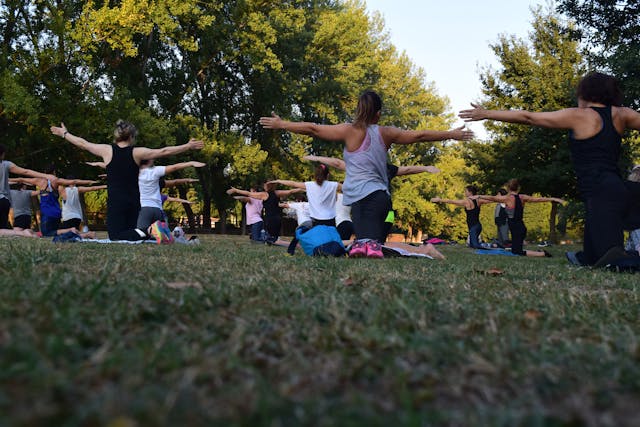
Garden Meditation for Beginners vs. Advanced Practitioners
For Beginners
- Start with 5–10 minutes
- Focus on breathing and basic awareness
- Use guided sessions if needed
For Advanced Practitioners
- Extend sessions to 20–30 minutes
- Practice walking meditation in the garden
- Explore deeper mindfulness techniques
No matter your level, garden meditation adapts to your journey.
How Garden Meditation Transforms Daily Life
The real beauty of garden meditation is that its effects extend beyond your practice.
You May Notice:
- Increased patience
- Better decision-making
- Improved relationships
- Greater appreciation for simple moments
Over time, mindfulness becomes a natural part of your daily routine—not just something you do during meditation.
Why Choose Garden Meditation as a Lifestyle Practice
Unlike other forms of meditation, garden meditation feels less like a task and more like a natural experience.
It combines:
- Mindfulness
- Nature therapy
- Gentle self-care
This makes it easier to stay consistent and actually enjoy the process.
Final Thoughts
Garden meditation is more than just sitting quietly outdoors—it’s a powerful way to reconnect with yourself and the world around you.
By integrating this practice into your daily routine, you can:
- Reduce stress
- Improve focus
- Enhance emotional well-being
The best part? You don’t need anything fancy to get started. Just step outside, breathe, and allow nature to guide your awareness.
FAQs for Garden Meditation
What is garden meditation?
Garden meditation is a mindfulness practice done outdoors in a natural setting where you focus on your breath, senses, and surroundings to achieve calm and awareness.
How is garden meditation different from indoor meditation?
Unlike indoor meditation, garden meditation uses natural elements like wind, birds, and sunlight to help deepen focus and relaxation.
Can beginners practice garden meditation?
Yes, garden meditation is perfect for beginners because it is simple, natural, and doesn’t require advanced meditation skills.
How long should a garden meditation session be?
Beginners can start with 5–10 minutes, while experienced practitioners may extend garden meditation to 20–30 minutes or longer.
What is the best time for garden meditation?
Early morning or sunset are ideal times for garden meditation because the environment is usually calm and peaceful.
Do I need a special garden for garden meditation?
No, you don’t need a special garden. Any outdoor space like a backyard, balcony, or park can be used for garden meditation.
What should I focus on during garden meditation?
During garden meditation, focus on your breath, sounds of nature, body sensations, and the present moment.
Can garden meditation reduce stress?
Yes, garden meditation is known to reduce stress by calming the nervous system and lowering anxiety levels through exposure to nature.
What should I wear for garden meditation?
Wear comfortable, loose clothing that allows you to relax and sit or move freely during garden meditation.
Is garden meditation scientifically proven?
Studies on mindfulness and nature therapy suggest that practices like garden meditation can improve mental well-being and reduce stress.
Can I listen to music during garden meditation?
It is better to avoid artificial music and instead focus on natural sounds like birds, wind, and water during garden meditation.
How often should I practice garden meditation?
For best results, practicing garden meditation daily or at least 3–5 times a week is recommended.
Do I need experience to start garden meditation?
No experience is needed. Garden meditation is beginner-friendly and can be started anytime with simple breathing awareness.
What are the benefits of garden meditation?
Garden meditation improves mental clarity, reduces stress, enhances emotional balance, and strengthens your connection with nature.
Can garden meditation improve sleep?
Yes, regular garden meditation can help improve sleep quality by calming the mind and reducing nighttime stress and overthinking.
Related Topics
- How to Practice Meditation: A Step-by-Step Guide for Beginners
- How Do I Start to Meditate? A Complete Beginner’s Guide
- What Do You Do When You Meditate? A Complete Guide
- How to Meditate Daily: A Simple Guide to Building a Lifelong
- Meditation Techniques for Anxiety | Calm Your Mind Naturally
- How to Meditate Effectively: A Step-by-Step Guide for Beginners
- Best Way to Meditate: A Complete Guide for Beginners and Experts
- Mind Success: Unlock Your Full Potential with Proven Techniques
- Stress Meditation: How Mindfulness Helps Reduce Stress
- What Do You Do When You Meditate? A Complete Guide
- Breathing Meditation Techniques for Beginners: A Complete Guide
- How to Meditate Daily: A Simple Guide to Building a Lifelong
- Grief Meditation: A Healing Practice for Emotional Recovery
- 5 Minute Meditation Scripts: Quick & Effective Guided Meditation
- Meditating at Home: Guide to Finding Peace and Balance
- Meditation and Sounds: Boost Mindfulness & Relaxation