
Discover the power of a gratefulness exercise to improve your mental health, reduce stress, and cultivate positivity. Learn practical exercises you can do daily to transform your mindset.
Overview
In this blog post, readers will learn how practicing a gratefulness exercise can improve mental health, enhance daily happiness, and strengthen relationships. We’ll cover the science behind gratitude, provide actionable exercises, and explain how to incorporate gratitude into daily life for lasting benefits. By the end of this article, readers will have practical tools to start a personal gratitude practice and understand why it matters.
Gratefulness Exercise: The Key to a Positive Mindset
Gratitude is more than saying “thank you.” A gratefulness exercise is a structured way to focus on what you appreciate in your life, boosting mental clarity, happiness, and emotional resilience. Scientific studies show that people who regularly practice gratitude experience less stress, better sleep, and stronger social connections.
Whether you’re struggling with daily stress, seeking to improve relationships, or simply wanting to enhance overall well-being, a gratefulness exercise can be transformative.
The Science Behind Gratefulness
Understanding why gratitude works can motivate you to practice it consistently. Here’s what research shows:
- Improves mental health: Studies indicate that people who practice gratitude experience lower levels of depression and anxiety.
- Enhances physical health: Gratitude is linked to better sleep, reduced blood pressure, and improved immune function.
- Strengthens relationships: Expressing appreciation helps build trust and connection with friends, family, and colleagues.
- Boosts resilience: Gratitude can help you cope with challenges and view stressful situations with a more positive perspective.
By incorporating a simple gratefulness exercise into your routine, you can experience these benefits firsthand.
Simple Gratefulness Exercises You Can Do Daily
Here are practical exercises to cultivate gratitude. These activities are easy to implement and can take as little as five minutes a day.
1. Gratitude Journal
One of the most popular gratefulness exercises is keeping a gratitude journal. Each day:
- Write down 3-5 things you are grateful for.
- Be specific — instead of “I’m grateful for my family,” try “I’m grateful for my sister helping me finish my project today.”
- Reflect on why these things matter to you.
Over time, this practice trains your brain to notice the positive aspects of life, even during stressful days.
2. Gratitude Meditation
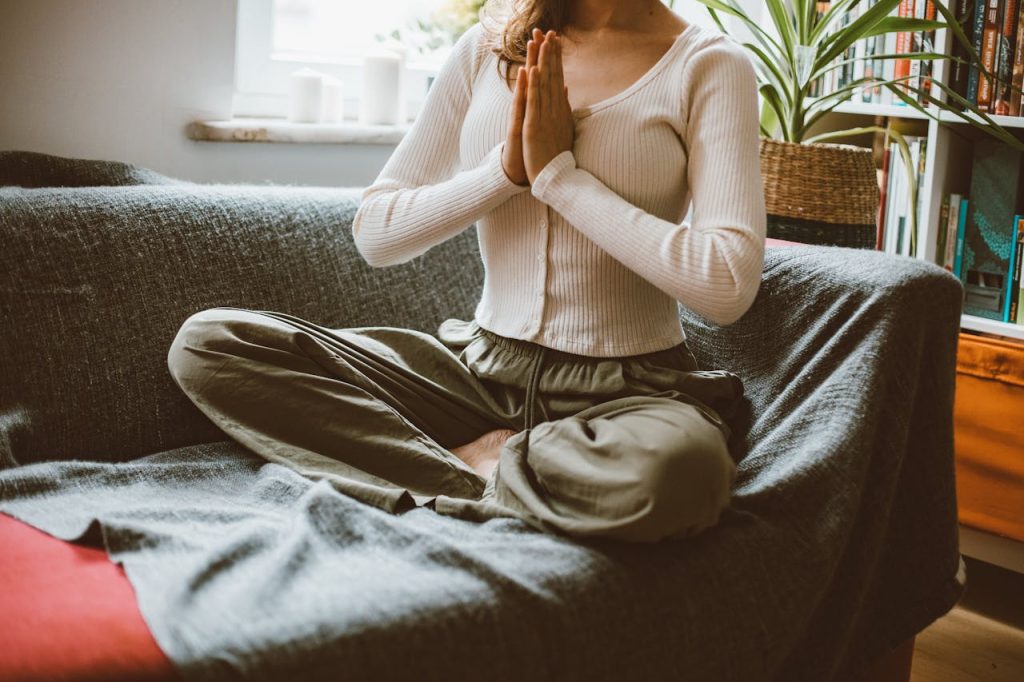
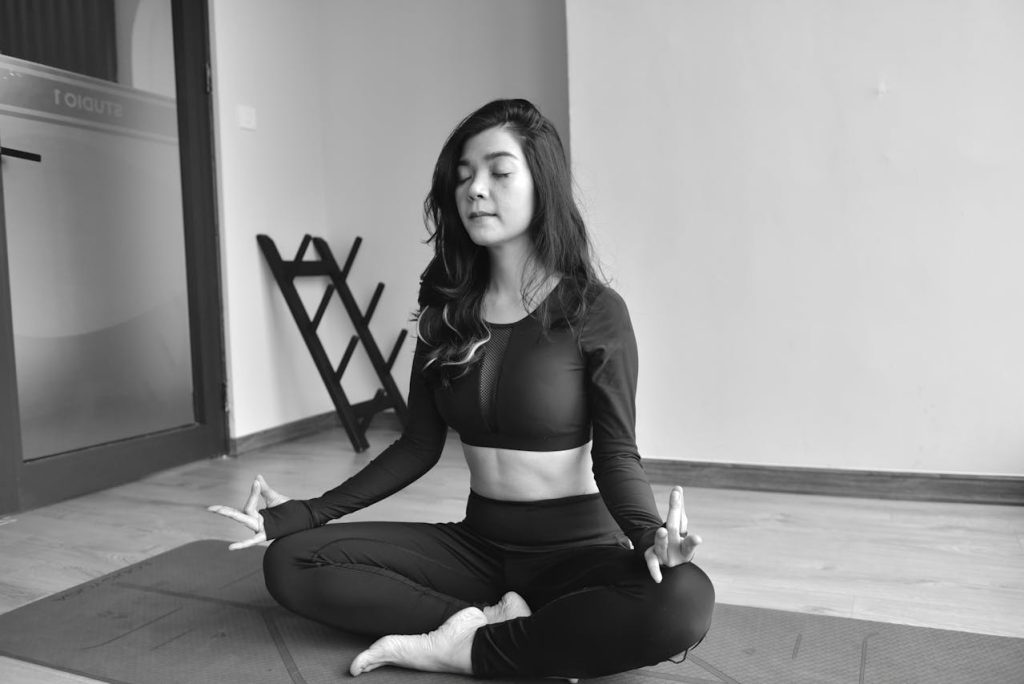
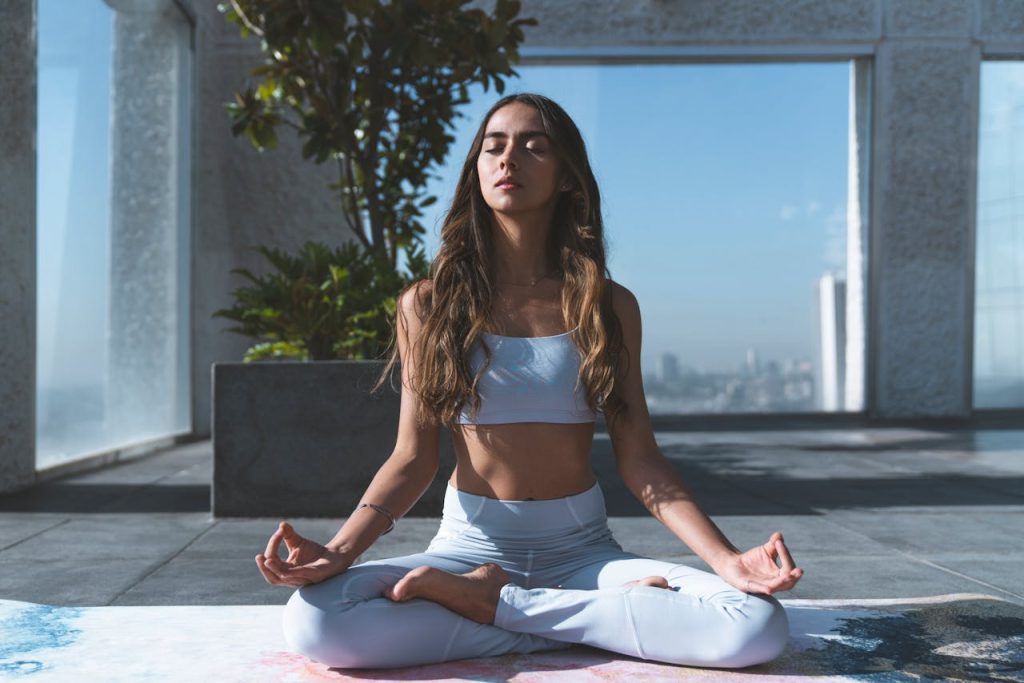
Gratitude meditation is a mindfulness practice focusing on appreciation. To practice:
- Sit comfortably in a quiet space.
- Close your eyes and take deep breaths.
- Reflect on things, people, or experiences you are thankful for.
- Feel the positive emotions associated with your gratitude.
- End with a mental note of appreciation for yourself.
Even five minutes of this daily can shift your mindset and reduce negative thinking.
3. Gratitude Letters
Expressing gratitude directly to others can strengthen your relationships and increase happiness. Here’s how to do it:
- Choose someone who has positively impacted your life.
- Write a letter explaining why you appreciate them and how they’ve influenced you.
- Deliver it personally, send it by mail, or read it to them.
This gratefulness exercise not only benefits you but also brings joy to the recipient.
4. Daily Reflection
Before bed, reflect on your day and identify at least one thing you’re grateful for.
- Ask yourself: “What made me smile today?”
- Note moments of kindness, achievements, or personal growth.
- Focus on even small positives — gratitude doesn’t have to be monumental to matter.
Daily reflection reinforces positive thinking and makes it easier to notice blessings in everyday life.
Tips for Making Gratefulness Exercises a Habit
Consistency is key. Here’s how to make gratitude a natural part of your routine:
- Schedule a specific time: Morning or evening works best.
- Start small: Begin with 2-3 minutes per day and gradually extend your practice.
- Combine with other routines: Practice gratitude while brushing your teeth or during your commute.
- Use reminders: Sticky notes, phone alarms, or digital apps can prompt your gratitude exercises.
- Be authentic: Focus on things you genuinely appreciate to avoid a robotic practice.
By creating a structured approach, a gratefulness exercise becomes a habit, leading to long-term mental and emotional benefits.
Benefits of Practicing Gratefulness Exercise
Engaging in gratitude exercises regularly can significantly enhance your life. Key benefits include the following:
- Enhanced positivity: Your brain becomes more focused on positive experiences.
- Reduced stress: Gratitude shifts your perspective from what’s lacking to what’s abundant.
- Improved sleep: Reflecting on gratitude before bed promotes relaxation and better sleep quality.
- Stronger relationships: Showing appreciation fosters deeper connections and empathy.
- Boosted self-esteem: Recognizing your blessings encourages self-acceptance and contentment.
How Our Services Can Help You
At Mindfulness Meditation Hub, we offer guided sessions and resources for practicing a gratefulness exercise:
- Personalized meditation programs to cultivate gratitude.
- Step-by-step journals and exercises designed for busy lifestyles.
- Virtual workshops and retreats focused on mindfulness and emotional wellness.
Our programs are tailored for beginners and advanced practitioners, helping you make gratitude a natural, lasting part of your life.
Final Thought
A gratefulness exercise is more than a daily task — it’s a powerful tool for transforming your mindset and improving your mental, emotional, and physical well-being. By incorporating gratitude into your daily routine through journaling, meditation, reflection, or letters, you can:
- Reduce stress and anxiety
- Strengthen relationships
- Increase happiness and positivity
- Improve sleep and overall health
Start today with even a five-minute practice, and experience how gratitude can change your life.
FAQs for Gratefulness Exercise
What is a gratefulness exercise?
A gratefulness exercise is a practice that helps you focus on the positive aspects of your life, enhancing happiness, emotional well-being, and mental clarity.
Why is a gratefulness exercise important?
Practicing gratitude regularly can reduce stress, improve relationships, and boost overall life satisfaction by shifting your focus from negative thoughts to positive experiences.
How often should I do a gratefulness exercise?
You can practice a gratefulness exercise daily, ideally in the morning or evening. Even 5–10 minutes a day can provide lasting benefits.
Can children benefit from a gratefulness exercise?
Yes! Children who practice gratitude develop better emotional regulation, empathy, and positive thinking, helping them build a strong foundation for mental well-being.
What are some examples of a gratefulness exercise?
Examples include keeping a gratitude journal, practicing gratitude meditation, writing gratitude letters, and reflecting daily on things you appreciate.
How long does it take to see benefits from a gratefulness exercise?
Many people notice improved mood and reduced stress within a few weeks of consistent practice, while long-term benefits grow over months of daily practice.
Can a gratefulness exercise improve my relationships?
Yes. Expressing gratitude strengthens bonds with family, friends, and colleagues, fostering deeper connections and mutual respect.
Is a gratefulness exercise only for positive events?
No. Gratitude can be practiced even during challenges by focusing on lessons learned, personal growth, or small moments of joy despite difficulties.
How do I start a gratefulness exercise if I’m busy?
Start small by taking 2–5 minutes to write or reflect on one thing you’re grateful for, or combine it with daily routines like morning coffee or bedtime reflection.
Can I combine a gratefulness exercise with meditation?
Absolutely. Gratitude meditation is a powerful gratefulness exercise that combines mindfulness and appreciation to calm the mind and enhance positivity.
What should I write in a gratitude journal?
Include specific events, people, or experiences that made a positive impact, along with why they matter to you. Aim for 3–5 entries per day.
Can a gratefulness exercise improve mental health?
Yes. Regular practice is linked to reduced anxiety, lower stress levels, and improved emotional resilience, making it a valuable tool for mental wellness.
How does a gratefulness exercise affect sleep?
Reflecting on gratitude before bed can calm the mind, reduce negative thoughts, and promote deeper, more restful sleep.
Can a gratefulness exercise help at work?
Yes. Practicing gratitude at work improves focus, boosts morale, reduces stress, and enhances teamwork and collaboration.
What is the best time to do a gratefulness exercise?
The best times are in the morning to start your day positively or in the evening to reflect on and appreciate your day’s experiences.
Related Topics
- How to Practice Meditation: A Step-by-Step Guide for Beginners
- How Do I Start to Meditate? A Complete Beginner’s Guide
- What Do You Do When You Meditate? A Complete Guide
- How to Meditate Daily: A Simple Guide to Building a Lifelong
- Meditation Techniques for Anxiety | Calm Your Mind Naturally
- How to Meditate Effectively: A Step-by-Step Guide for Beginners
- Best Way to Meditate: A Complete Guide for Beginners and Experts
- Mind Success: Unlock Your Full Potential with Proven Techniques
- Stress Meditation: How Mindfulness Helps Reduce Stress
- What Do You Do When You Meditate? A Complete Guide
- Breathing Meditation Techniques for Beginners: A Complete Guide
- How to Meditate Daily: A Simple Guide to Building a Lifelong
- Grief Meditation: A Healing Practice for Emotional Recovery
- 5 Minute Meditation Scripts: Quick & Effective Guided Meditation
- Meditating at Home: Guide to Finding Peace and Balance
- Meditation and Sounds: Boost Mindfulness & Relaxation