

Discover how gratitude and appreciation transform mental clarity, emotional balance, and overall well-being. Learn daily practices, meditation techniques, and mindful tools to build a life rooted in gratitude and appreciation.
Overview
In today’s fast-paced world, it’s easy to focus on what’s missing instead of what’s present. Many people chase achievement, success, or validation—yet still feel disconnected or overwhelmed. This is where gratitude and appreciation become transformative.
Gratitude appreciation is more than simply saying “thank you.” It is a mindful, intentional awareness of the good in your life—from small everyday comforts to meaningful relationships and personal growth.
At Mindfulness Meditation Hub, we help individuals cultivate gratitude and appreciation through structured mindfulness practices, guided meditation, and practical tools that support emotional resilience and clarity.
What Is Gratitude Appreciation?
Gratitude appreciation is the conscious act of recognizing and valuing the positive aspects of your life—both big and small.
While gratitude is often described as a feeling, grateful appreciation is a practice. It involves:
- Acknowledging what you have
- Reflecting on the source of goodness in your life
- Expressing thanks internally or externally
- Developing awareness of present-moment blessings
Unlike toxic positivity, grateful appreciation does not ignore hardship. Instead, it creates balance by allowing space for both challenges and appreciation.
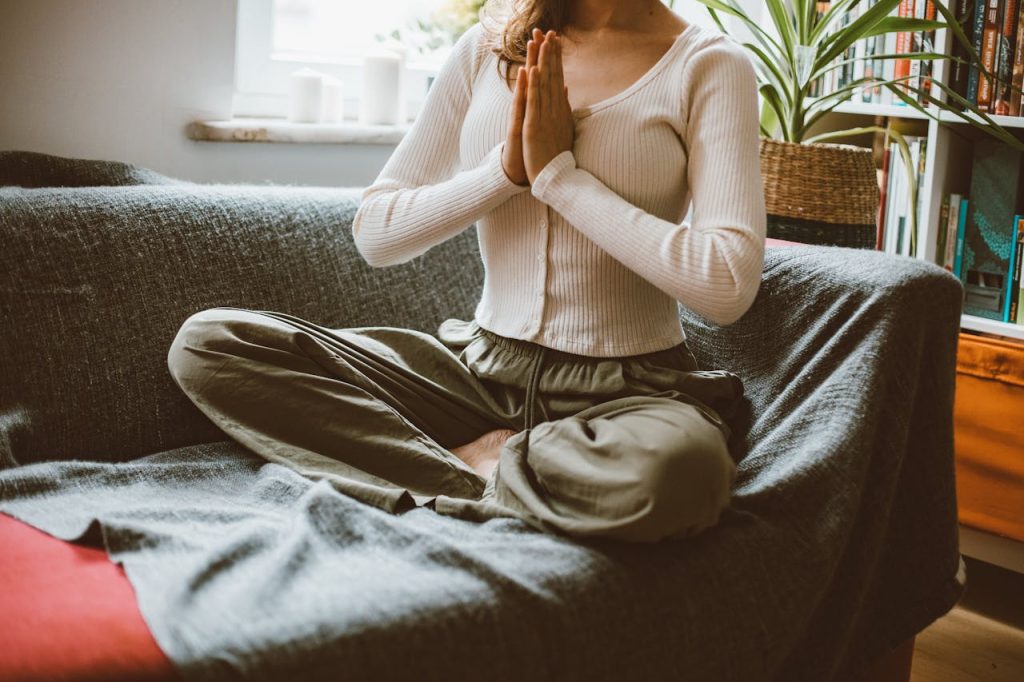
Why Gratitude and Appreciation Matter for Mental Health
Research consistently shows that practicing gratitude improves psychological well-being. But beyond studies, the lived experience of gratitude and appreciation is deeply grounding.
Emotional Benefits
- Reduced stress and anxiety
- Improved mood stability
- Greater emotional regulation
- Increased optimism
- Lower levels of resentment
When you practice gratitude and appreciation regularly, your brain gradually shifts from scarcity thinking to abundance awareness.
Cognitive Benefits
By training your mind to notice what is working instead of what is lacking, gratitude and appreciation strengthen neural pathways associated with positivity and calm.
The Connection Between Mindfulness and Gratitude Appreciation
Gratitude and appreciation thrive in awareness. You cannot appreciate what you do not notice.
Mindfulness meditation teaches you to:
- Slow down
- Observe without judgment
- Anchor attention in the present moment
- Become aware of thoughts and emotions
When mindfulness is practiced consistently, it naturally enhances gratitude and appreciation. You begin noticing:
- The warmth of sunlight
- The comfort of your breath
- The support of loved ones
- The progress you’ve made
At Mindfulness Meditation Hub, we integrate gratitude and appreciation into guided meditation sessions to deepen emotional awareness and cultivate inner peace.
Daily Practices to Strengthen Gratitude and Appreciation
Building gratitude and appreciation doesn’t require dramatic life changes. It begins with small, intentional habits.
1. Morning Gratitude Reflection
Before checking your phone, reflect on three things you appreciate. They can be simple:
- A restful night’s sleep
- A supportive family member
- A new opportunity today
This anchors your mindset in gratitude and appreciation before stress enters your day.
2. Gratitude Journaling
Writing strengthens awareness. Spend 5–10 minutes daily noting:
- What went well today
- A lesson learned
- Someone who positively impacted you
Over time, your journal becomes evidence of growth and blessings.
3. Gratitude Meditation Practice
During meditation, bring attention to:
- Your breath
- Your body
- Your environment
- A person or experience you’re thankful for
Allow yourself to fully feel appreciation without rushing the moment. This deepens your gratitude and appreciation beyond intellectual acknowledgment.
4. Express Appreciation Directly
Tell someone why you appreciate them. Specificity matters.
Instead of “Thanks for everything,” try:
“I appreciate how you always listen when I need to talk.”
This strengthens both gratitude, appreciation, and connection.
5. Evening Reflection
Before sleep, ask yourself:
- What made today meaningful?
- What challenge taught me something?
- Where did I experience support?
Ending your day with gratitude and appreciation promotes restful sleep and emotional balance.
How Gratitude and Appreciation Transform Relationships
One of the most powerful outcomes of grateful appreciation is relational growth.
When you intentionally acknowledge the positive traits of others:
- Communication improves
- Conflicts de-escalate faster
- Trust strengthens
- Emotional intimacy increases
Gratitude and appreciation shift focus from criticism to recognition. Over time, this changes relational dynamics in families, friendships, and workplaces.
Practicing appreciation doesn’t mean ignoring issues. It means creating a foundation of respect and value from which healthy conversations can occur.
Overcoming Common Barriers to Gratitude Appreciation
Many people struggle to maintain consistency. Common obstacles include:
“I Don’t Have Anything to Be Grateful For.”
Often, this belief arises during stressful periods. Start extremely small:
- Clean water
- Access to learning
- The ability to breathe deeply
Gratitude and appreciation begin with awareness, not perfection.
“It Feels Forced.”
Like any new habit, gratitude and appreciation may feel unnatural at first. That’s normal. Over time, repeated practice rewires your thinking patterns.
“I Forget to Practice.”
Attach gratitude and appreciation to existing habits:
- After brushing your teeth
- Before meals
- During your commute
- Before checking email
Consistency creates transformation.
The Science Behind Gratitude and Appreciation
Neurologically, gratitude and appreciation activate brain regions associated with dopamine and serotonin—neurotransmitters linked to happiness and well-being.
Studies also suggest gratitude practices:
- Lower cortisol (stress hormone)
- Improve sleep quality
- Strengthen immune response
- Increase long-term life satisfaction
When integrated with mindfulness meditation, these benefits amplify.
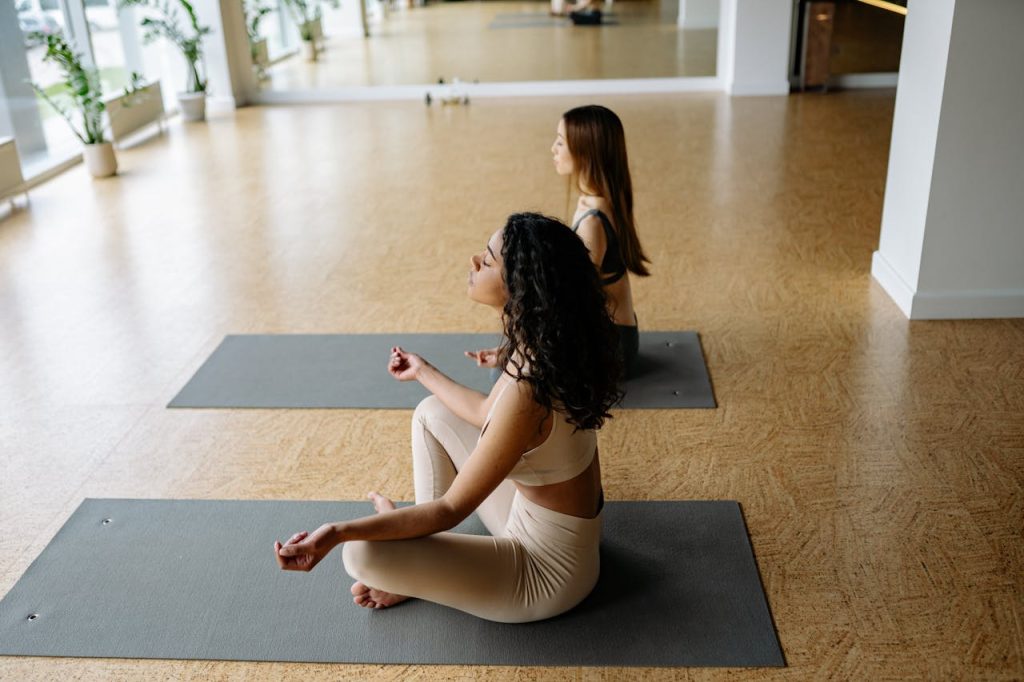
How Our Programs Support Gratitude and Appreciation
At Mindfulness Meditation Hub, we offer structured mindfulness and meditation guidance designed to cultivate gratitude and appreciation naturally.
Our offerings include:
- Guided gratitude meditation sessions
- Mindfulness training modules
- Reflection exercises
- Daily awareness practices
- Supportive educational resources
We focus on practical, sustainable growth—not quick fixes. Our approach helps you integrate gratitude and appreciation into everyday life, so it becomes second nature rather than an occasional exercise.
Whether you are new to mindfulness or deepening your journey, our tools are designed to meet you where you are.
Long-Term Impact of Practicing Gratitude and Appreciation
With consistent effort, gratitude and appreciation lead to:
- Greater emotional resilience
- Improved self-esteem
- Enhanced personal relationships
- Increased productivity
- A deeper sense of fulfillment
Most importantly, it changes how you experience life.
Instead of constantly striving for “more,” you begin noticing what is already meaningful.
That shift alone can transform your inner world.
Building a Sustainable Gratitude Appreciation Practice Routine
To make gratitude and appreciation part of your identity:
- Keep practices simple
- Stay consistent
- Avoid perfectionism
- Combine journaling with meditation
- Reflect weekly on personal growth
Sustainable change comes from repetition, not intensity.
Start small. Stay steady.
Final Thoughts: Living a Life Rooted in Gratitude and Appreciation
Gratitude appreciation is not a trend—it is a foundational skill for emotional well-being.
In a culture that emphasizes comparison and achievement, gratitude and appreciation invite you to slow down, reflect, and reconnect with what truly matters.
Through mindful awareness and intentional practice, you can reshape your mental landscape.
At Mindfulness Meditation Hub, we are committed to guiding you through that transformation—helping you cultivate gratitude and appreciation in ways that feel authentic, practical, and deeply meaningful.
If you’re ready to strengthen your emotional resilience, enhance your relationships, and experience greater peace, begin your gratitude and appreciation journey today.
FAQs for Gratitude Appreciation
What is gratitude appreciation and how is it different from simple gratitude?
Gratitude appreciation goes beyond saying “thank you.” It is a mindful, intentional practice of recognizing, valuing, and reflecting on the positive aspects of your life. While gratitude may be a spontaneous emotion, gratitude appreciation is a consistent habit that deepens awareness and emotional balance.
How can gratitude appreciation improve mental health?
Gratitude appreciation supports mental health by reducing stress, increasing positive thinking, and strengthening emotional resilience. Regular practice can help shift your mindset away from negativity and toward a more balanced, optimistic outlook.
Can gratitude appreciation reduce anxiety and stress?
Yes. Studies and mindfulness practices show that gratitude appreciation lowers stress hormones and promotes calm thinking. When you focus on what is working in your life, your nervous system responds with greater relaxation and stability.
How often should I practice gratitude appreciation?
For best results, practice gratitude appreciation daily. Even five minutes in the morning or before bed can create noticeable changes over time. Consistency matters more than duration.
What are simple ways to start a gratitude appreciation routine?
You can begin by:
- Writing three things you appreciate each morning
- Practicing a short gratitude meditation
- Expressing appreciation directly to someone
- Reflecting on positive moments before sleep
Small daily habits build long-term gratitude appreciation.
Does gratitude appreciation really change the brain?
Yes. Practicing gratitude appreciation activates areas of the brain associated with dopamine and serotonin, which are linked to happiness and emotional regulation. Over time, this strengthens positive neural pathways.
Can gratitude appreciation improve relationships?
Absolutely. When you consistently acknowledge and express appreciation, communication improves and trust deepens. Gratitude appreciation shifts focus from criticism to recognition, which strengthens emotional bonds.
What if gratitude appreciation feels forced or unnatural?
It’s normal for gratitude appreciation to feel unfamiliar at first. Like any new habit, it becomes more natural with repetition. Start small and focus on genuine, specific moments of appreciation.
Is gratitude appreciation helpful during difficult times?
Yes. Gratitude appreciation does not ignore challenges; it creates balance. Even in hardship, identifying small positives can build resilience and emotional strength without dismissing real struggles.
Can children and teenagers practice gratitude appreciation?
Yes. Gratitude appreciation can benefit all age groups. Simple reflection exercises or family gratitude discussions can help young people develop emotional awareness and positive thinking patterns.
How does mindfulness support gratitude appreciation?
Mindfulness enhances awareness of the present moment. When you slow down and observe your experiences without judgment, gratitude appreciation naturally grows because you begin noticing everyday blessings.
What is the connection between gratitude appreciation and self-esteem?
Gratitude appreciation helps you recognize your progress, strengths, and supportive relationships. This awareness strengthens self-worth and reduces comparison-based thinking.
Can gratitude appreciation improve sleep quality?
Yes. Practicing gratitude appreciation before bed can calm racing thoughts and reduce stress, making it easier to fall asleep and experience more restful sleep.
How long does it take to see results from gratitude appreciation?
Some people notice mood improvements within a few days. However, consistent gratitude appreciation over several weeks leads to deeper emotional and cognitive benefits.
How can Mindfulness Meditation Hub help me build gratitude appreciation?
Mindfulness Meditation Hub provides guided meditation sessions, structured mindfulness exercises, and practical tools designed to strengthen gratitude appreciation in daily life. Our approach helps you develop sustainable habits that support long-term emotional well-being.
Related Topics
- How to Practice Meditation: A Step-by-Step Guide for Beginners
- How Do I Start to Meditate? A Complete Beginner’s Guide
- What Do You Do When You Meditate? A Complete Guide
- How to Meditate Daily: A Simple Guide to Building a Lifelong
- Meditation Techniques for Anxiety | Calm Your Mind Naturally
- How to Meditate Effectively: A Step-by-Step Guide for Beginners
- Best Way to Meditate: A Complete Guide for Beginners and Experts
- Mind Success: Unlock Your Full Potential with Proven Techniques
- Stress Meditation: How Mindfulness Helps Reduce Stress
- What Do You Do When You Meditate? A Complete Guide
- Breathing Meditation Techniques for Beginners: A Complete Guide
- How to Meditate Daily: A Simple Guide to Building a Lifelong
- Grief Meditation: A Healing Practice for Emotional Recovery
- 5 Minute Meditation Scripts: Quick & Effective Guided Meditation
- Meditating at Home: Guide to Finding Peace and Balance
- Meditation and Sounds: Boost Mindfulness & Relaxation