
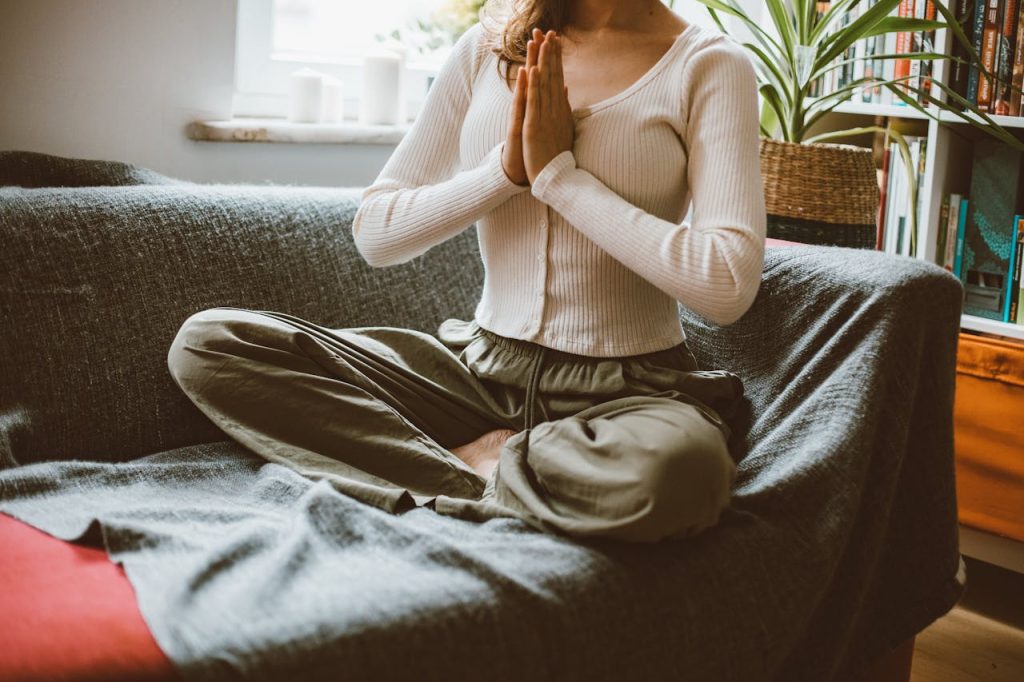
Discover the power of your gratitude point and learn how to activate it daily for emotional balance, stress relief, and mindful living. Start your transformation today with expert guidance.
Overview
In today’s fast-paced world, stress and overwhelm have become part of daily life. Many people are searching for a simple yet powerful way to reconnect with themselves and cultivate lasting peace. One transformative concept gaining attention in mindfulness practice is the gratitude point—a powerful internal shift that allows you to refocus your awareness on appreciation rather than lack.
At Mindfulness Meditation Hub, we guide individuals toward sustainable emotional wellness through practical mindfulness tools—and learning how to activate your gratitude point is one of the most impactful practices we offer.
What Is a Gratitude Point?
Your gratitude point is the mental and emotional state you access when you intentionally shift your awareness toward appreciation. Think of it as a reset button—a conscious pause where you choose gratitude over frustration, awareness over reactivity.
It’s not about ignoring life’s challenges. Instead, it’s about anchoring your mind to something positive, even in difficult moments.
For example:
- When you feel stressed, your gratitude point might be appreciating your breath.
- During conflict, it may be recognizing the opportunity for growth.
- In moments of uncertainty, it could be acknowledging your strength and resilience.
Your gratitude point is always available — it simply requires intention and practice.

The Science Behind Gratitude and Emotional Wellness
Research consistently shows that gratitude practices improve mental and emotional health. Studies in positive psychology reveal that consistent gratitude exercises can:
- Reduce stress and anxiety
- Improve sleep quality
- Increase overall life satisfaction
- Strengthen emotional resilience
- Enhance relationships
When you activate your gratitude point, you stimulate neural pathways associated with positivity and emotional regulation. Over time, this rewires your brain to respond more calmly and constructively to stress.
Gratitude shifts your nervous system from fight-or-flight mode to rest-and-restore mode. This physiological change supports better focus, clearer thinking, and deeper emotional stability.
Why Your Gratitude Point Matters More Than Ever
Modern life exposes us to constant stimulation — social media comparisons, work pressure, and information overload. Without mindful awareness, it’s easy to focus on what’s missing rather than what’s present.
Your gratitude point becomes a grounding anchor. It:
- Interrupts negative thought spirals
- Brings awareness back to the present moment
- Encourages emotional regulation
- Cultivates a mindset of abundance
Rather than waiting for perfect circumstances, you learn to create emotional balance from within.
How to Identify Your Personal Gratitude Point
Everyone’s gratitude point looks slightly different. The key is discovering what consistently brings you back to appreciation.
Ask yourself:
- What small daily moments make me feel peaceful?
- What do I often overlook but deeply value?
- Who in my life supports or inspires me?
- What ability, strength, or opportunity am I grateful for?
Your gratitude point might be
- Morning sunlight through your window
- A supportive friend
- Your health
- The ability to learn and grow
- A simple cup of coffee
The goal is not grandeur — it’s awareness.
How to Activate Your Gratitude Point: Step-by-Step Practice
Here’s a simple mindfulness exercise we teach to help you activate your gratitude point consistently:
1. Pause and Breathe
Take three slow, deep breaths. Bring your attention to your body and surroundings.
2. Name One Thing
Identify one thing — big or small — you genuinely appreciate in this moment.
3. Feel It Fully
Don’t just think it. Feel it. Notice how appreciation feels in your chest, stomach, or face.
4. Stay for 20 Seconds
Allow yourself to remain in that grateful state for at least 20 seconds. This helps reinforce positive neural connections.
5. Repeat daily.
Practice accessing your gratitude point at least once a day—ideally in the morning or before bed.
With consistency, this process becomes automatic.
Advanced Gratitude Point Techniques
Once you’re comfortable with the basics, you can deepen your practice.
Gratitude Journaling
Write down three gratitude points each day. Over time, you’ll train your brain to scan for positives automatically.
Gratitude in Difficult Moments
Challenge yourself to find a gratitude point during stressful experiences. For example:
- What is this situation teaching me?
- How am I growing because of this?
Gratitude Meditation
Guided meditation strengthens your ability to sustain your gratitude point for longer periods. At Mindfulness Meditation Hub, we offer structured practices designed to help you:
Common Challenges and How to Overcome Them
“I Don’t Feel Grateful”
It’s normal. Gratitude is a practice, not a constant state. Start small. Even acknowledging that you have the opportunity to grow is a valid gratitude point.
“It Feels Forced”
That’s okay at first. Consistency turns effort into habit. Over time, your gratitude point will feel more natural and authentic.
“Life Is Too Stressful Right Now.”
This is often when your gratitude point is most needed. It doesn’t eliminate stress — it balances it.
The Long-Term Benefits of Strengthening Your Gratitude Point
When practiced regularly, activating your gratitude point leads to:
- Greater emotional resilience
- Increased patience
- Healthier communication
- Reduced reactivity
- Stronger self-awareness
- Improved overall well-being
Over time, gratitude becomes less of an exercise and more of a default mindset.
How We Help You Cultivate Your Gratitude Point
At Mindfulness Meditation Hub, we don’t just teach theory — we provide structured support to help you integrate your gratitude point into daily life.
Our offerings include:
- Guided gratitude meditations
- Step-by-step mindfulness programs
- Emotional regulation techniques
- Stress reduction strategies
- Practical exercises for busy lifestyles
We understand that transformation requires guidance, accountability, and consistency. That’s why our programs are designed to make activating your gratitude point simple, sustainable, and deeply impactful.
Bringing Your Gratitude Point into Everyday Life
You don’t need hours of meditation to benefit. Try integrating your gratitude point into:
- Morning routines
- Mealtime reflections
- Work breaks
- Evening wind-down rituals
- Conversations with loved ones
When gratitude becomes woven into ordinary moments, life begins to feel richer and more meaningful.
Final Thoughts: Your Gratitude Point Is Always Within Reach
Your gratitude point is not something you have to earn or search for externally. It already exists within you. The key is remembering to access it.
When you consistently activate your gratitude point, you shift from surviving your days to truly experiencing them. You build emotional strength, deepen relationships, and cultivate a lasting sense of peace.
If you’re ready to strengthen your gratitude point and create meaningful change in your life, our guided programs at Mindfulness Meditation Hub are here to support you every step of the way.
FAQs for Gratitude Point
What is a gratitude point in mindfulness practice?
A gratitude point is a conscious mental and emotional shift where you focus on appreciation instead of stress, lack, or negativity. It acts as an anchor that brings you back to calm awareness and emotional balance.
How does activating a gratitude point improve mental health?
Activating your gratitude point helps regulate your nervous system, reduce stress, and reframe negative thought patterns. Over time, it strengthens emotional resilience and supports a more positive outlook on life.
How often should I practice my gratitude point?
Ideally, you should activate your gratitude point daily. Even one to three intentional moments of gratitude each day can significantly improve emotional well-being.
Can a gratitude point help reduce anxiety?
Yes. Focusing on your gratitude point shifts your attention away from anxious thoughts and toward appreciation, helping calm the mind and reduce emotional overwhelm.
Is a gratitude point the same as gratitude journaling?
Not exactly. Gratitude journaling is a tool that can help you identify your gratitude point, but the gratitude point itself is the emotional state of appreciation you intentionally access.
How long does it take to feel results from practicing a gratitude point?
Some people notice immediate emotional relief, while long-term changes typically develop with consistent daily practice over several weeks.
Can beginners easily learn to activate a gratitude point?
Absolutely. A gratitude point practice is simple and accessible. Beginners can start by identifying one small thing they appreciate each day.
What if I struggle to feel grateful during difficult times?
During challenging moments, your gratitude point may be smaller — such as being grateful for your breath or the opportunity to learn from the situation. Starting small is perfectly valid.
Does practicing a gratitude point improve relationships?
Yes. When you regularly activate your gratitude point, you become more patient, understanding, and appreciative of others, which naturally strengthens relationships.
Can children and teens practice a gratitude point?
Yes. A gratitude point practice is adaptable for all ages. Teaching young people to focus on appreciation can support emotional development and resilience.
How is a gratitude point different from positive thinking?
Positive thinking often focuses on optimism about outcomes, while a gratitude point centers on appreciating what already exists in the present moment.
Should I practice my gratitude point in the morning or at night?
Both are beneficial. Morning practice sets a positive tone for the day, while evening reflection helps reinforce appreciation before sleep.
Can meditation help strengthen my gratitude point?
Yes. Guided meditation enhances your ability to sustain your gratitude point for longer periods and deepens emotional awareness.
What are common mistakes when practicing a gratitude point?
Common mistakes include forcing emotions, expecting instant transformation, or focusing only on big achievements instead of small daily blessings.
How can I make my gratitude point practice consistent?
Create simple habits such as pairing your gratitude point with daily routines — like brushing your teeth, drinking coffee, or going to bed — to make it a natural part of your day.
Related Topics
- How to Practice Meditation: A Step-by-Step Guide for Beginners
- How Do I Start to Meditate? A Complete Beginner’s Guide
- What Do You Do When You Meditate? A Complete Guide
- How to Meditate Daily: A Simple Guide to Building a Lifelong
- Meditation Techniques for Anxiety | Calm Your Mind Naturally
- How to Meditate Effectively: A Step-by-Step Guide for Beginners
- Best Way to Meditate: A Complete Guide for Beginners and Experts
- Mind Success: Unlock Your Full Potential with Proven Techniques
- Stress Meditation: How Mindfulness Helps Reduce Stress
- What Do You Do When You Meditate? A Complete Guide
- Breathing Meditation Techniques for Beginners: A Complete Guide
- How to Meditate Daily: A Simple Guide to Building a Lifelong
- Grief Meditation: A Healing Practice for Emotional Recovery
- 5 Minute Meditation Scripts: Quick & Effective Guided Meditation
- Meditating at Home: Guide to Finding Peace and Balance
- Meditation and Sounds: Boost Mindfulness & Relaxation