

Discover the transformative power of having gratitude. Learn practical tips, exercises, and strategies to cultivate gratitude daily and improve your mental, emotional, and physical well-being.
Overview
In this blog post, readers will explore the concept of having gratitude and how it can positively influence every area of life. The post will cover:
- The meaning and importance of gratitude
- Scientific and psychological benefits of gratitude
- Practical ways to cultivate gratitude daily
- How gratitude improves relationships, mental health, and overall happiness
By the end, readers will have actionable strategies to incorporate gratitude into their everyday life, ultimately boosting well-being and life satisfaction.
Understanding the Power of Having Gratitude
Gratitude is more than saying “thank you”. It is a mindful practice of recognising the positive aspects of life, whether big or small. Having gratitude means consciously appreciating people, experiences, and moments that bring value to your life.
Research shows that people who actively practise gratitude experience better mental health, stronger relationships, and even improved physical well-being. In essence, gratitude is a simple yet powerful tool to transform how we perceive the world.
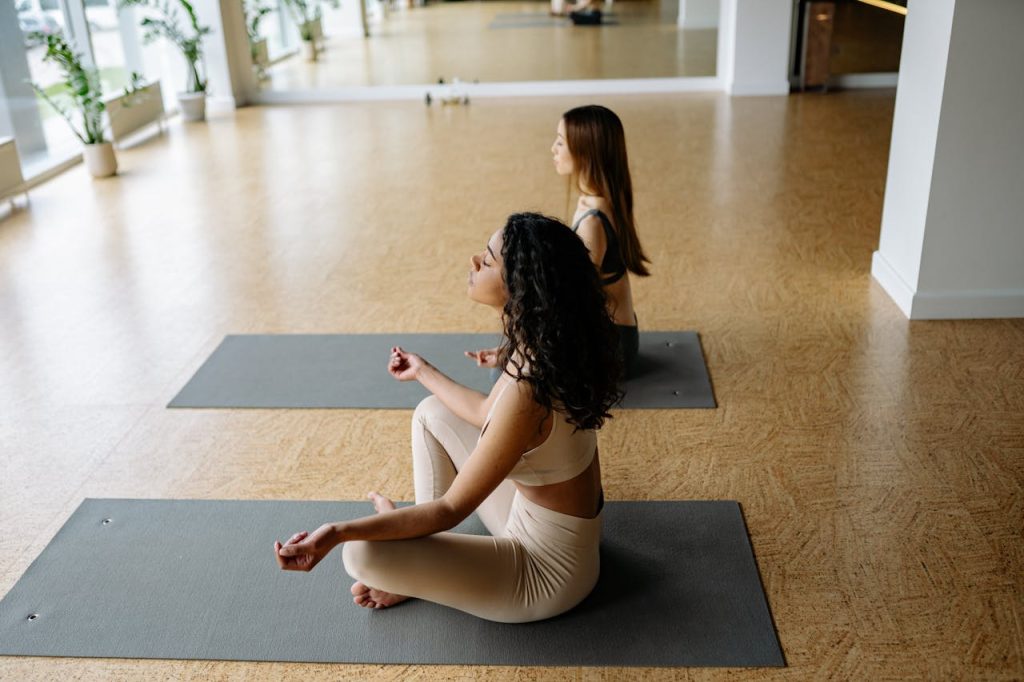
The Benefits of Having Gratitude
Practising gratitude consistently can bring profound changes. Here are some of the top benefits of having gratitude:
1. Improves Mental Health
Gratitude reduces negative emotions like envy, resentment, and frustration. People who regularly focus on gratitude report higher levels of happiness and life satisfaction.
2. Enhances Emotional Resilience
Those who practise gratitude cope better with stress and adversity. Having gratitude allows you to focus on positive aspects even during challenging times, fostering emotional resilience.
3. Strengthens Relationships
Expressing gratitude towards friends, family, and colleagues strengthens bonds. People feel valued and appreciated, leading to deeper, more meaningful connections.
4. Boosts Physical Health
Studies suggest that people who cultivate gratitude experience better sleep, lower blood pressure, and improved immune system function. Gratitude encourages a healthier lifestyle and mindset.
5. Encourages Mindfulness
Having gratitude naturally promotes mindfulness—the ability to be present and fully engaged in the current moment. Mindful gratitude allows you to notice and savour the beauty in everyday life.
How to Cultivate the Habit of Having Gratitude
While some people may feel grateful naturally, for most, gratitude is a skill that requires consistent practice. Here are practical ways to cultivate having gratitude:
1. Keep a Gratitude Journal
Write down 3–5 things you are grateful for each day. Reflect on experiences, people, and moments that brought joy or learning. Over time, this practice trains your brain to focus on the positive.
2. Express Appreciation to Others
Send a note, call, or verbally thank someone who made a difference in your life. Acknowledging others not only strengthens relationships but also reinforces your own sense of gratitude.
3. Practise Mindful Gratitude
Take a moment each day to reflect on what you have instead of focusing on what you lack. Mindful gratitude can be done during meditation, walks, or even daily chores.
4. Use Gratitude Reminders
Place sticky notes, phone reminders, or visual cues around your environment that prompt you to pause and reflect on what you are grateful for.
5. Transform Challenges into Gratitude Opportunities
Even difficult experiences offer lessons. By finding something to appreciate in challenges, you practise resilience and deepen your understanding of gratitude.
Gratitude Practices You Can Start Today
Here are some simple exercises to integrate having gratitude into your daily life:
- Morning Gratitude: Each morning, think of one thing you are grateful for before starting your day.
- Gratitude Walks: While walking, notice things around you—the sky, nature, or acts of kindness—and feel gratitude for them.
- Gratitude Meditation: Spend 5–10 minutes visualising people or experiences you appreciate and silently say thank you.
- Gratitude Jar: Write small notes of appreciation and collect them in a jar. Review them when you need a positivity boost.
- Express Thanks: At least once a day, tell someone why you are grateful for them.
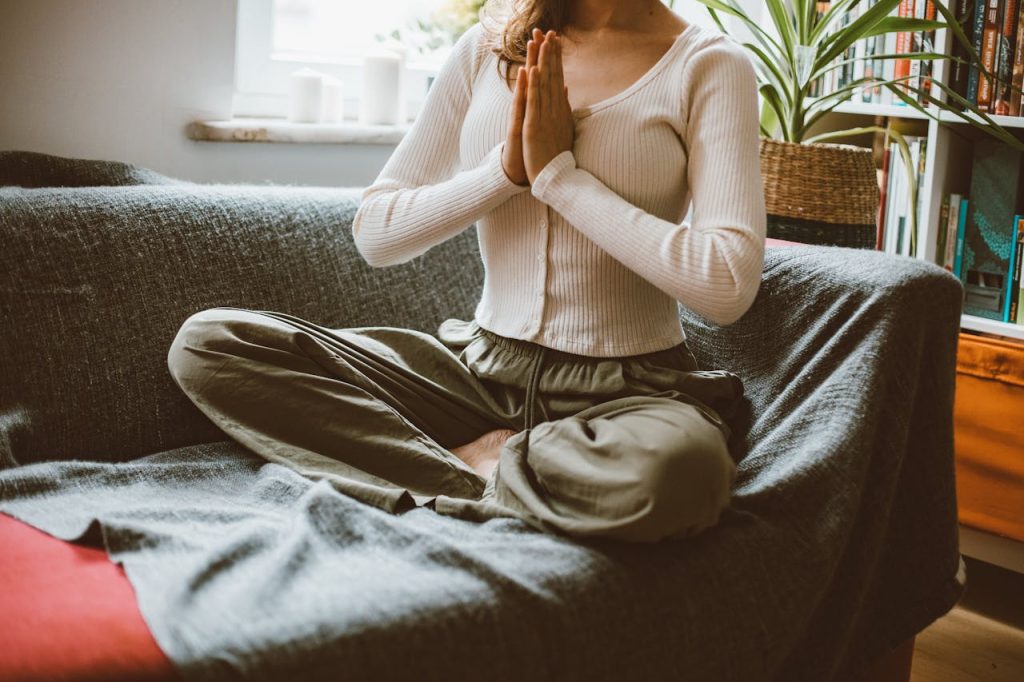
The Science Behind Having Gratitude
Research consistently highlights the benefits of having gratitude. Psychologists like Dr Robert Emmons have found that grateful individuals are:
- Happier and more optimistic
- Less likely to experience depression or anxiety
- More socially connected and empathetic
Gratitude triggers the release of dopamine and serotonin—neurotransmitters responsible for happiness and well-being. Over time, this rewires the brain to notice and focus on positive experiences.
How Having Gratitude Transforms Your Life
Incorporating gratitude into daily life can lead to lasting transformation:
- Enhanced Emotional Intelligence: You become more aware of your emotions and how they affect others.
- Improved Sleep: Reflecting on gratitude before bed reduces negative thoughts and promotes relaxation.
- Increased Resilience: Gratitude helps you bounce back faster from adversity.
- Greater Life Satisfaction: People who regularly practise gratitude feel more fulfilled and content.
Offering Guidance on Having Gratitude
At Mindfulness Meditation Hub, we help individuals explore the power of having gratitude through guided meditations, articles, and practical exercises. Our resources are designed to:
- Teach the science and psychology behind gratitude
- Provide step-by-step exercises for daily practice
- Support emotional and mental well-being
- Help build long-term habits that transform life
Whether you are a beginner or experienced in mindfulness, our guidance can help you embrace gratitude fully and naturally.
Final Thoughts
Having gratitude is more than a fleeting emotion—it’s a lifestyle. By incorporating gratitude into your daily routine, you can improve mental, emotional, and physical well-being. It strengthens relationships, enhances resilience, and brings a sense of peace and fulfilment.
Start small, stay consistent, and watch how gratitude transforms your life. Remember, even the simplest act of appreciation can create a ripple effect of positivity that impacts yourself and everyone around you.
FAQs for Having Gratitude
What does having gratitude mean?
Having gratitude means consciously recognizing and appreciating the positive aspects of your life, including people, experiences, and opportunities.
Why is having gratitude important for mental health?
Practicing gratitude reduces negative emotions, increases happiness, and helps manage stress and anxiety.
How can I practice having gratitude daily?
Daily practices include keeping a gratitude journal, expressing thanks to others, mindful reflection, and gratitude meditation.
Can having gratitude improve my relationships?
Yes, expressing gratitude strengthens bonds, increases empathy, and fosters deeper, more meaningful connections with others.
What are the physical benefits of having gratitude?
Gratitude can improve sleep quality, lower blood pressure, enhance immunity, and support overall physical wellness.
How does having gratitude help with stress?
Gratitude shifts focus from problems to positives, helping you handle stress more effectively and build emotional resilience.
Can children learn the habit of having gratitude?
Absolutely. Teaching children to notice and appreciate positive experiences fosters emotional intelligence and long-term well-being.
How long does it take to feel the benefits of having gratitude?
Many people notice improvements in mood and relationships within a few weeks of consistent gratitude practice.
What is the difference between having gratitude and being thankful?
Being thankful is often a momentary expression, while having gratitude is a continuous practice of appreciating life’s positives.
How can mindfulness enhance having gratitude?
Mindfulness encourages presence and awareness, making it easier to notice and fully appreciate positive moments.
Can having gratitude help with anxiety or depression?
Yes, gratitude practices have been shown to reduce symptoms of anxiety and depression by promoting positive thinking and emotional balance.
What is a gratitude journal, and how does it work?
A gratitude journal is a tool where you write down things you are grateful for daily, training your mind to focus on positive experiences.
How can I express gratitude to people who have impacted my life?
You can express gratitude through verbal appreciation, thank-you notes, thoughtful gestures, or spending quality time with them.
Can having gratitude improve workplace performance?
Yes, gratitude fosters better teamwork, communication, and employee satisfaction, which can improve overall workplace productivity.
Are there any scientific studies supporting the benefits of having gratitude?
Yes, research by psychologists like Dr. Robert Emmons shows that gratitude improves mental health, emotional resilience, relationships, and physical well-being.
Related Topics
- How to Practice Meditation: A Step-by-Step Guide for Beginners
- How Do I Start to Meditate? A Complete Beginner’s Guide
- What Do You Do When You Meditate? A Complete Guide
- How to Meditate Daily: A Simple Guide to Building a Lifelong
- Meditation Techniques for Anxiety | Calm Your Mind Naturally
- How to Meditate Effectively: A Step-by-Step Guide for Beginners
- Best Way to Meditate: A Complete Guide for Beginners and Experts
- Mind Success: Unlock Your Full Potential with Proven Techniques
- Stress Meditation: How Mindfulness Helps Reduce Stress
- What Do You Do When You Meditate? A Complete Guide
- Breathing Meditation Techniques for Beginners: A Complete Guide
- How to Meditate Daily: A Simple Guide to Building a Lifelong
- Grief Meditation: A Healing Practice for Emotional Recovery
- 5 Minute Meditation Scripts: Quick & Effective Guided Meditation
- Meditating at Home: Guide to Finding Peace and Balance
- Meditation and Sounds: Boost Mindfulness & Relaxation