
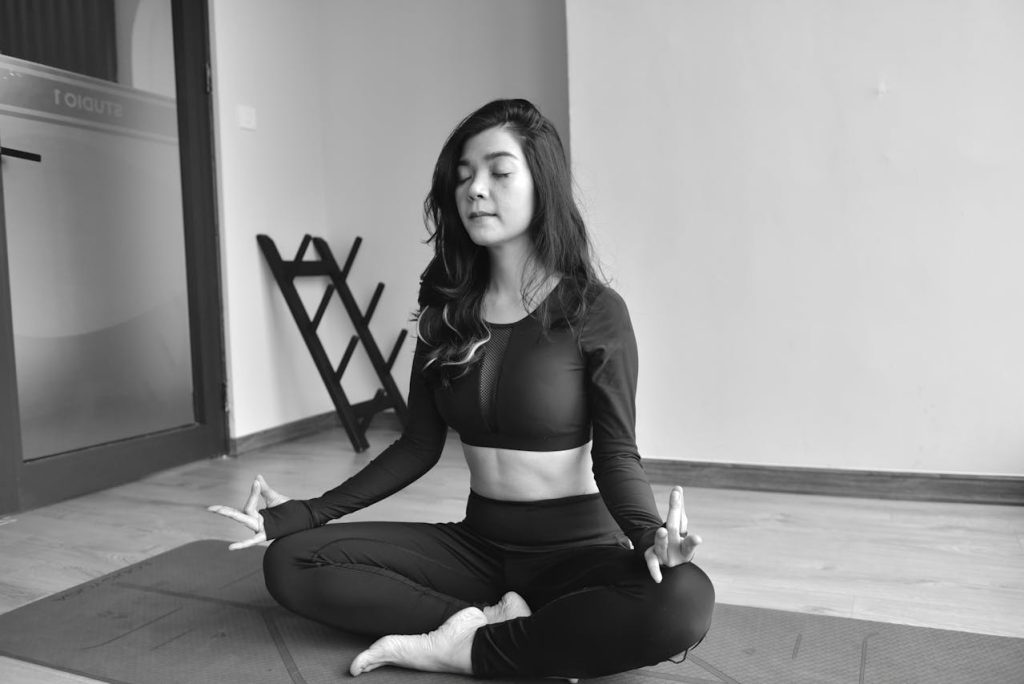
Learn how to do meditation at home with this complete beginner-friendly guide. Discover simple meditation techniques, benefits, breathing exercises, and daily mindfulness tips to reduce stress and improve mental wellness.
Overview
In today’s fast-paced world, stress, anxiety, and mental exhaustion have become part of everyday life. Many people are now searching for natural ways to improve their emotional well-being and create inner peace. One of the most effective and accessible solutions is meditation.
If you’ve ever wondered how to do meditation at home, this guide is designed specifically for you. You do not need expensive equipment, a special room, or years of experience to begin. Meditation can be practiced right from the comfort of your home with just a few minutes each day.
In this article, readers will learn:
- What meditation really is
- Why meditation is important for mental wellness
- How to meditate at home step-by-step
- Easy meditation techniques for beginners
- Common mistakes to avoid
- Tips for creating a successful meditation routine
- How mindfulness can improve daily life
By the end of this guide, you’ll feel confident enough to start your own meditation journey at home.
What Is Meditation?
Meditation is a mental practice that helps train your mind to focus, relax, and become more aware of the present moment. It has been practiced for thousands of years across many cultures and traditions.
Today, meditation is widely used for the following:
- Stress management
- Better concentration
- Emotional balance
- Improved sleep
- Anxiety reduction
- Personal growth
When people ask how to meditate at home, they are usually looking for a simple and practical way to quiet the mind and feel more peaceful.
The good news is that meditation is not complicated. Anyone can start, regardless of age or experience level.
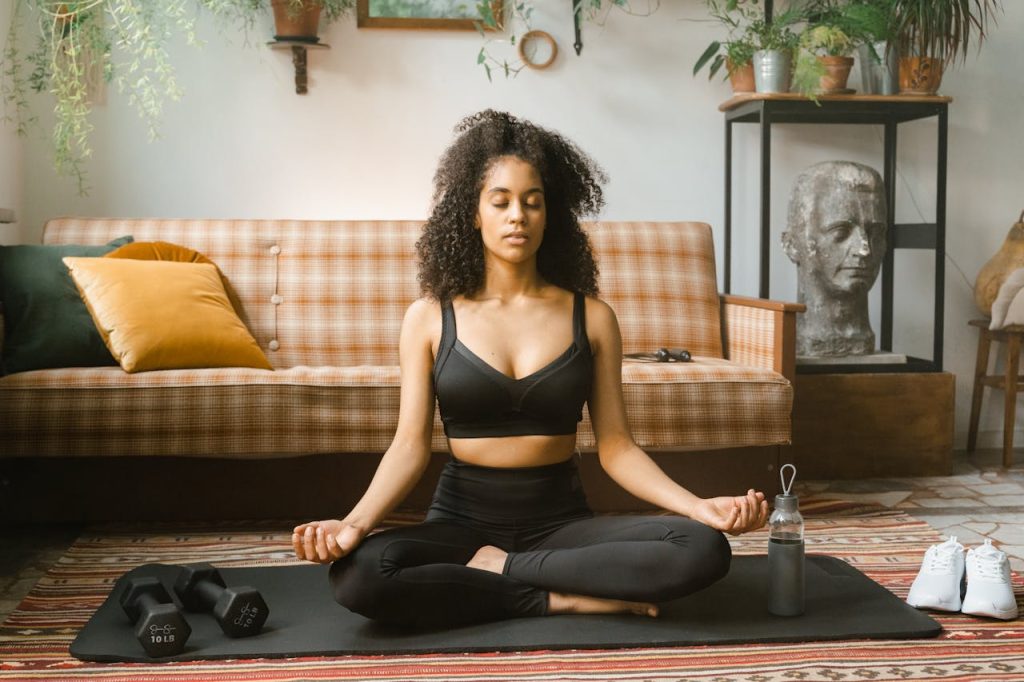
Benefits of Meditation at Home
Before learning how to do meditation at home, it’s important to understand why so many people are incorporating meditation into their daily lives.
1. Reduces Stress and Anxiety
Meditation helps calm the nervous system and reduces the production of stress hormones. Just a few minutes of mindful breathing can make a significant difference in your mood.
2. Improves Focus and Concentration
Regular meditation trains the brain to stay present and focused. This can improve productivity at work, at school, or in daily tasks.
3. Promotes Better Sleep
Many people struggle with racing thoughts at night. Meditation relaxes the mind and body, helping you sleep more peacefully.
4. Enhances Emotional Well-Being
Meditation encourages self-awareness and emotional balance, making it easier to handle difficult situations calmly.
5. Supports Physical Health
Studies suggest meditation may help lower blood pressure, improve heart health, and strengthen the immune system.
Learning how to do meditation at home can become one of the most valuable habits for both mental and physical wellness.
How to Meditate at Home: Step-by-Step Guide
Starting meditation at home is easier than most people think. Follow these simple steps to begin your practice.
Step 1: Choose a Quiet Space
Find a peaceful area where you will not be interrupted. It doesn’t need to be a dedicated meditation room.
Good options include:
- Your bedroom
- Living room corner
- Balcony
- Garden
- Quiet office space
The goal is to create an environment where you feel calm and comfortable.
Step 2: Sit Comfortably
One common misconception about meditation is that you must sit in complicated poses. That is not true.
You can:
- Sit on a chair
- Sit cross-legged on the floor
- Use a meditation cushion
- Even lie down if necessary
Keep your spine relaxed but upright.
When learning how to do meditation at home, comfort is important because discomfort can become a distraction.
Step 3: Focus on Your Breathing
Breathing is the foundation of many meditation practices.
Try this:
- Close your eyes gently.
- Take a slow, deep breath in
- Exhale slowly
- Focus on the sensation of breathing
If your mind wanders, gently return your attention to your breath without judgment.
Step 4: Start Small
You do not need to meditate for an hour.
Beginners should start with:
- 5 minutes daily
- Then gradually increase to 10–20 minutes
Consistency matters more than duration.
Many people searching how to do meditation at home give up because they try to do too much too quickly.
Step 5: Practice Daily
Meditation works best when it becomes part of your routine.
Good times to meditate include:
- Early morning
- Before bedtime
- During lunch breaks
- After work
Daily practice helps build mindfulness naturally over time.
Easy Meditation Techniques for Beginners
There are many different meditation styles. Here are some beginner-friendly methods you can try at home.
Mindfulness Meditation
This is one of the most popular techniques.
How it works:
- Focus on the present moment
- Observe thoughts without judgment
- Return attention to breathing
Mindfulness meditation is excellent for beginners learning how to do meditation at home.
Guided Meditation
Guided meditation involves listening to an instructor or audio guide.
Benefits include:
- Easy to follow
- Helps beginners stay focused
- Reduces distractions
Many people enjoy guided meditation because it provides structure and support.
Body Scan Meditation
In this practice, you mentally focus on different parts of your body.
Steps:
- Start from your toes
- Slowly move upward
- Notice sensations without judgment
This technique promotes deep relaxation and body awareness.
Loving-Kindness Meditation
This meditation focuses on compassion and positive emotions.
You silently repeat phrases such as the following:
- “May I be happy?”
- “May I be healthy?”
- “May others be peaceful.”
It’s a powerful practice for emotional healing and self-care.
Common Mistakes Beginners Make
Learning how to do meditation at home takes patience. Here are common mistakes to avoid.
Expecting Instant Results
Meditation is a gradual process. Benefits develop over time with regular practice.
Trying to Stop Thoughts Completely
Meditation does not mean having zero thoughts. The goal is to observe thoughts without becoming attached to them.
Being Too Hard on Yourself
Some days your mind will feel busy. That is completely normal.
Skipping Practice
Consistency is key. Even 5 minutes daily is better than meditating once a week for an hour.
How to Create a Relaxing Meditation Environment
Your environment can enhance your meditation experience.
Consider adding:
- Soft lighting
- Comfortable cushions
- Calm background music
- Essential oils or candles
- Minimal distractions
A calming atmosphere makes it easier to stay focused while practicing how to do meditation at home.
Meditation and Mindfulness in Daily Life
Meditation is not only about sitting quietly. Mindfulness can be practiced throughout the day.
Mindful Eating
Pay attention to:
- Taste
- Texture
- Smell
- Chewing slowly
Mindful Walking
Focus on:
- Your footsteps
- Breathing
- Surroundings
Mindful Listening
Give your full attention during conversations instead of multitasking.
These small habits help bring meditation into real-life situations.
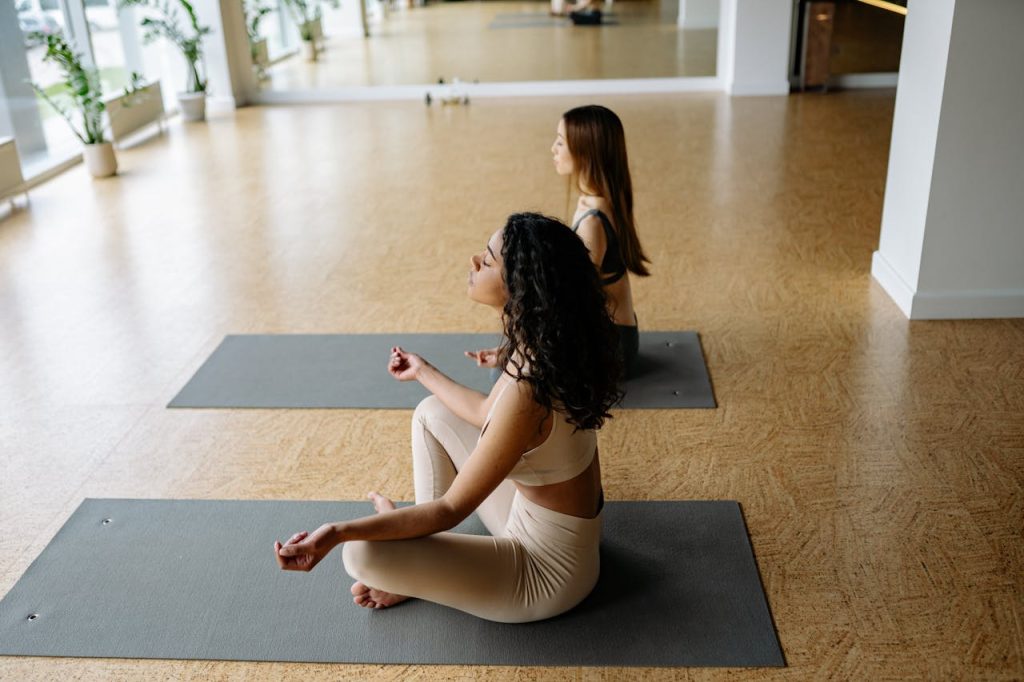
How Long Does It Take to See Results?
Many beginners ask when they will start noticing changes.
Some benefits can appear within days, including:
- Reduced stress
- Improved mood
- Better relaxation
Long-term benefits often develop after consistent practice over several weeks or months.
The important thing is staying committed to your journey of learning how to do meditation at home.
Why Home Meditation Is Becoming So Popular
More people are choosing meditation at home because it offers the following:
- Convenience
- Privacy
- Flexibility
- Low cost
- Comfort
You can meditate anytime that fits your schedule without traveling to a studio or class.
Home meditation also allows you to create a personal wellness routine tailored to your lifestyle.
Tips to Stay Consistent With Meditation
Building a lasting meditation habit can take time. These tips can help.
Set a Daily Reminder
Use your phone or calendar to remind yourself to meditate.
Create a Dedicated Space
Even a small corner can become your meditation area.
Be Patient With Yourself
Progress is not always immediate.
Celebrate Small Wins
Every meditation session counts, even short ones.
Practicing how to meditate at home regularly can slowly transform your mental clarity and emotional well-being.
Final Thoughts
Meditation is one of the simplest yet most powerful tools for improving mental, emotional, and physical wellness. The best part is that anyone can start practicing from home without special equipment or experience.
By learning how to do meditation at home, you are taking an important step toward a calmer, healthier, and more balanced life.
Remember:
- Start small
- Stay consistent
- Be patient with yourself.
- Focus on progress, not perfection
Over time, meditation can become a peaceful daily ritual that supports every area of your life.
Whether your goal is stress relief, emotional balance, better sleep, or mindfulness, meditation at home offers a practical and effective solution for long-term wellness.
FAQs for How Do Meditation at Home
What is the best way to start meditation at home?
The best way to start meditation at home is by choosing a quiet space, sitting comfortably, and focusing on your breathing for a few minutes each day.
How long should beginners meditate at home?
Beginners can start with 5 to 10 minutes daily and gradually increase their meditation time as they become more comfortable.
Do I need special equipment for meditation at home?
No, you do not need special equipment. A quiet environment and a comfortable seating position are enough to begin meditating.
Can meditation help reduce stress and anxiety?
Yes, meditation is widely known for helping reduce stress, calm anxiety, and improve emotional balance.
What time of day is best for meditation?
Many people prefer meditating in the morning for mental clarity, while others choose nighttime to relax before sleep.
How do meditation at home if my mind keeps wandering?
It is normal for the mind to wander during meditation. Simply bring your attention back to your breath without judging yourself.
Is guided meditation good for beginners?
Yes, guided meditation is excellent for beginners because it provides step-by-step instructions and helps maintain focus.
Can meditation improve sleep quality?
Regular meditation can help relax the mind and body, making it easier to fall asleep and improve sleep quality.
How often should I meditate at home?
Daily meditation is ideal, even if it is only for a few minutes. Consistency is more important than duration.
What should I focus on during meditation?
Most beginners focus on their breathing, body sensations, or calming words and affirmations during meditation.
Can children practice meditation at home?
Yes, meditation can be beneficial for children by improving focus, emotional control, and relaxation.
Is it okay to meditate while lying down?
Yes, you can meditate while lying down, especially if sitting feels uncomfortable, but staying awake and alert is important.
How long does it take to see meditation results?
Some people notice benefits within a few days, while deeper mental and emotional improvements may take several weeks of consistent practice.
What are the most popular meditation techniques for beginners?
Mindfulness meditation, guided meditation, breathing meditation, and body scan meditation are popular beginner-friendly techniques.
Why is meditation becoming popular for mental wellness?
Meditation is becoming popular because it offers a natural, effective, and accessible way to reduce stress and improve overall well-being.
Related Topics
- How to Practice Meditation: A Step-by-Step Guide for Beginners
- How Do I Start to Meditate? A Complete Beginner’s Guide
- What Do You Do When You Meditate? A Complete Guide
- How to Meditate Daily: A Simple Guide to Building a Lifelong
- Meditation Techniques for Anxiety | Calm Your Mind Naturally
- How to Meditate Effectively: A Step-by-Step Guide for Beginners
- Best Way to Meditate: A Complete Guide for Beginners and Experts
- Mind Success: Unlock Your Full Potential with Proven Techniques
- Stress Meditation: How Mindfulness Helps Reduce Stress
- What Do You Do When You Meditate? A Complete Guide
- Breathing Meditation Techniques for Beginners: A Complete Guide
- How to Meditate Daily: A Simple Guide to Building a Lifelong
- Grief Meditation: A Healing Practice for Emotional Recovery
- 5 Minute Meditation Scripts: Quick & Effective Guided Meditation
- Meditating at Home: Guide to Finding Peace and Balance
- Meditation and Sounds: Boost Mindfulness & Relaxation