
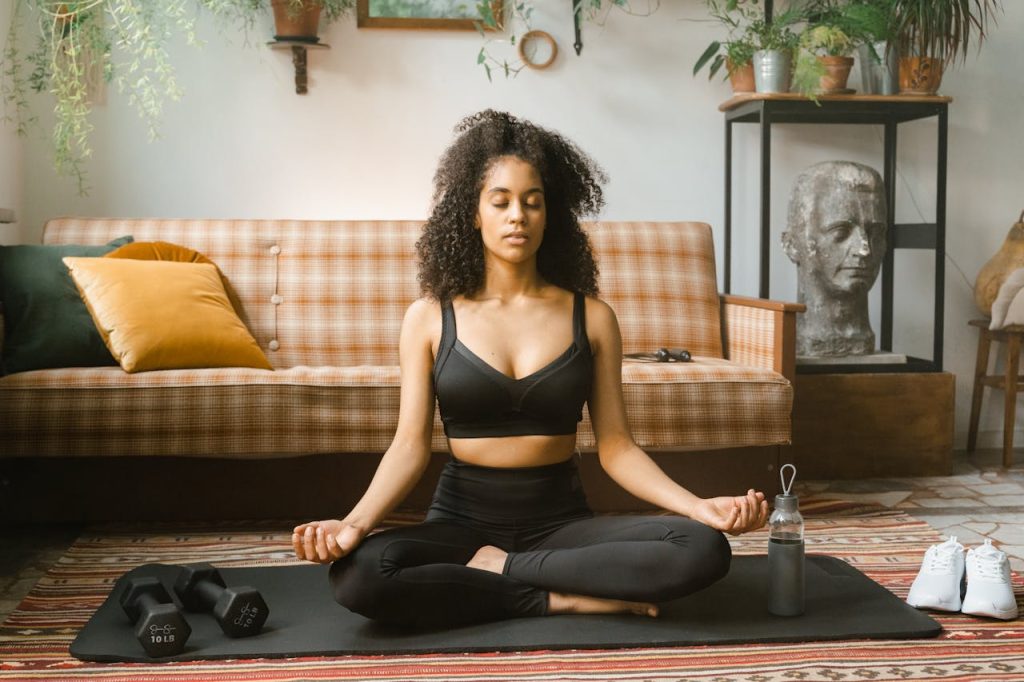
Learn how to meditate with our step-by-step beginner’s guide. Discover techniques, benefits, tips, and common mistakes to deepen your mindfulness practice today.
Overview
If you’re wondering how to meditate, you’re not alone. Meditation is a practice that can transform your mental, emotional, and physical well-being. In this blog post, we will guide you step-by-step on how to meditate effectively, whether you’re a complete beginner or looking to deepen your practice. You’ll learn different meditation techniques, how to prepare your mind and body, the benefits of daily meditation, and practical tips to stay consistent. By the end of this article, you’ll feel confident in starting your own meditation journey and reaping its long-term rewards.
What is meditation?
Meditation is a mental exercise that involves focusing your mind, calming your thoughts, and bringing awareness to the present moment. It’s not about “stopping thoughts” but learning how to observe them without judgment. Meditation can take many forms, from mindfulness meditation to guided sessions, loving-kindness practices, or even movement-based meditations like yoga.
Key Points:
- Meditation helps manage stress and anxiety.
- It enhances mental clarity and focus.
- Regular practice promotes emotional balance and resilience.
Why Learn How Do You Meditate?
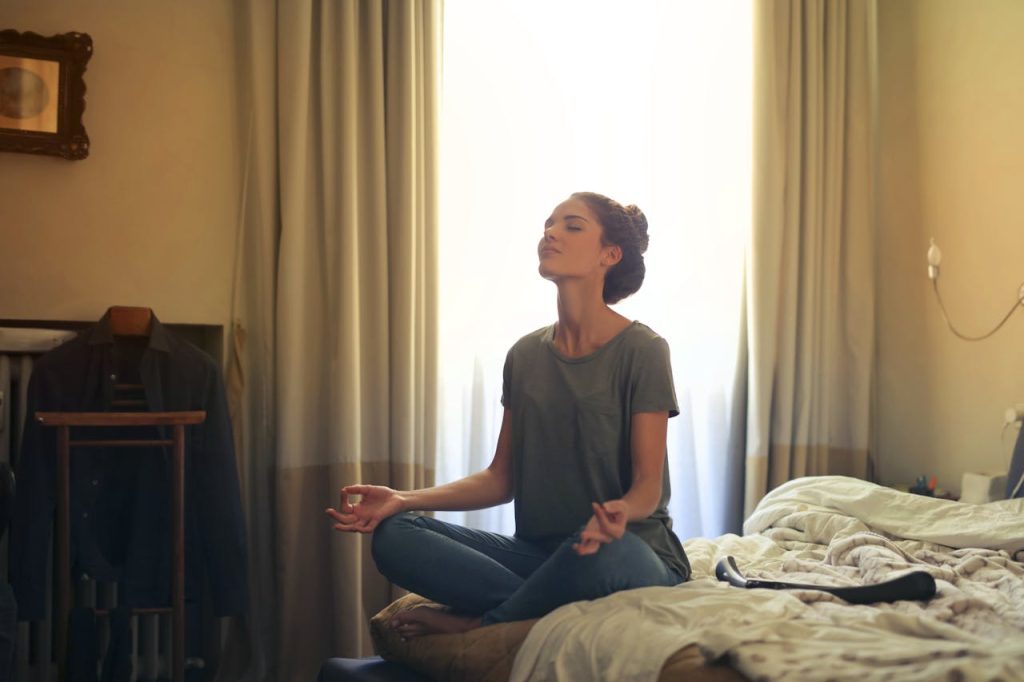
Understanding how to meditate is essential because meditation is more than just sitting quietly. It’s a skill that requires guidance and practice. Benefits of meditation include:
- Stress Reduction: Meditation lowers cortisol levels, helping you feel calmer.
- Improved Focus: Regular practice enhances attention and concentration.
- Better Sleep: Mindfulness techniques can reduce insomnia and promote restful sleep.
- Emotional Health: Meditation encourages self-awareness, helping you manage emotions effectively.
- Physical Health: Some studies suggest meditation can lower blood pressure and boost immunity.
Preparing to Meditate
Before diving into how to meditate, preparation is key. Follow these steps to create a conducive environment:
- Choose a Quiet Space: Pick a spot free from distractions, whether at home, outdoors, or in a quiet office corner.
- Wear Comfortable Clothing: Loose clothing ensures relaxation without physical discomfort.
- Set a Time Limit: Beginners can start with 5–10 minutes, gradually increasing to 20–30 minutes.
- Decide on a Posture: Sit cross-legged on a cushion or a chair, or lie down if necessary. Keep your back straight.
- Optional Aids: Use a meditation timer, calming music, or guided sessions if needed.
Step-by-Step Guide: How Do You Meditate?
Here’s a simple step-by-step approach for beginners:
Step 1: Focus on Your Breath
Breathing is central to meditation. Pay attention to your inhale and exhale. Notice the rise and fall of your chest or abdomen. If your mind wanders, gently bring it back to your breath.
Step 2: Observe Your Thoughts
Thoughts will come. Meditation is not about suppressing them but observing without judgment. Imagine your thoughts as clouds passing in the sky.
Step 3: Body Scan Technique
Bring awareness to different parts of your body, from your toes to your head. Notice any tension or discomfort and allow it to release.
Step 4: Use a Mantra or Focus Word
Repeating a word or phrase silently can enhance focus. Examples include “peace,” “calm,” or “I am present.”
Step 5: Guided Meditation (Optional)
If you’re unsure how to meditate alone, use guided meditations via apps, online videos, or audio sessions. They provide instructions, timing, and focus cues.
Step 6: Finish Slowly
Before ending, take a few deep breaths, gently stretch, and open your eyes slowly. Reflect on how you feel.
Popular Meditation Techniques
Depending on your goals, you can explore different meditation styles:
1. Mindfulness Meditation
Focus on the present moment, observing thoughts and sensations without judgment.
2. Loving-Kindness Meditation
Cultivate compassion for yourself and others by silently repeating phrases like “May I be happy, may I be safe.”
3. Body Scan Meditation
Increase body awareness by mentally scanning for tension and consciously relaxing muscles.
4. Breath Awareness Meditation
Concentrate solely on breathing patterns to improve focus and calm the mind.
5. Guided Visualization
Visualize peaceful scenes or desired outcomes to reduce stress and boost positivity.
Common Mistakes to Avoid
Learning how to meditate can be challenging for beginners. Avoid these pitfalls:
- Expecting Immediate Results: Meditation is a practice; benefits develop over time.
- Judging Your Mind: Thoughts will wander; this is natural.
- Being Inconsistent: Regular practice is more important than duration.
- Overcomplicating Techniques: Start simple before exploring advanced methods.
- Forcing Relaxation: Meditation is about awareness, not forcing calmness.
Tips for a Successful Meditation Practice
- Start Small: 5–10 minutes daily is enough to build a habit.
- Create a Routine: Meditate at the same time each day for consistency.
- Use Technology Wisely: Meditation apps and online sessions can guide beginners.
- Track Your Progress: Journaling after sessions can improve self-awareness.
- Be Patient: Mindfulness grows gradually; celebrate small improvements.
How Do You Meditate Anywhere?
Meditation isn’t limited to a cushion or quiet room. You can practice anywhere:
- During a commute (if not driving)
- Before bed for better sleep
- During lunch breaks for stress relief
- In nature while walking or sitting
Portable techniques like mindful breathing or short body scans can be done in just a few minutes.
How Mindfulness Meditation Hub Can Help
At Mindfulness Meditation Hub, we offer guided meditations, live sessions, and resources tailored to beginners and advanced practitioners. Whether you’re asking how to meditate for stress relief, better focus, or emotional well-being, we provide:
- Thousands of guided sessions from expert teachers
- Step-by-step tutorials and video guides
- Community support for consistent practice
- Free and accessible resources for all skill levels
By joining our community, you’ll have the guidance and tools needed to make meditation a daily habit and experience lasting benefits.
Final Thought
Understanding how to meditate is the first step toward a calmer, more focused, and healthier life. By starting with small, consistent sessions, observing your breath, and exploring different techniques, meditation can become a transformative part of your routine. Remember, it’s not about perfection but progress.
With resources like Mindfulness Meditation Hub, learning to meditate becomes simple, guided, and accessible for everyone. Start today, and unlock the benefits of mindfulness for your mind, body, and soul.
FAQs for How Do U Meditate
What is meditation?
Meditation is a mental practice that focuses on calming the mind, increasing awareness, and improving emotional and physical well-being.
How do u meditate if you’re a beginner?
Start with short sessions (5–10 minutes), focus on your breath, and observe thoughts without judgment. Gradually increase duration as you get comfortable.
Do I need a special place to meditate?
No, but a quiet, comfortable space free from distractions helps beginners focus and relax.
Can meditation help reduce stress?
Yes, meditation lowers stress hormones, calms the mind, and promotes emotional balance.
How long should a meditation session last?
Beginners can start with 5–10 minutes daily and gradually work up to 20–30 minutes for optimal benefits.
Can I meditate lying down?
Yes, but be mindful of falling asleep. Sitting upright with a straight back is recommended for alertness.
What is mindfulness meditation?
Mindfulness meditation involves observing thoughts, feelings, and sensations without judgment while staying present in the moment.
How often should I meditate?
Daily practice is ideal, even if it’s just a few minutes. Consistency is more important than duration.
Can meditation improve sleep?
Yes, mindfulness and breathing exercises can reduce insomnia and promote restful sleep.
Do I need to use a mantra during meditation?
Not necessarily. A mantra can help focus the mind, but simply observing your breath is enough for beginners.
Can kids or teenagers meditate?
Yes, meditation can help young people improve focus, emotional regulation, and reduce stress.
How do I deal with distractions while meditating?
Acknowledge distractions without judgment and gently bring your focus back to your breath or meditation object.
Can meditation help with anxiety?
Yes, regular meditation has been shown to reduce symptoms of anxiety and promote emotional stability.
Is guided meditation better for beginners?
Guided meditation provides step-by-step instructions and can be very helpful for beginners who are unsure how to start.
How do I know if I’m meditating correctly?
Meditation is about practice, not perfection. If you feel calmer, more focused, or more aware, you’re doing it correctly.
Related Topics
- How to Practice Meditation: A Step-by-Step Guide for Beginners
- How Do I Start to Meditate? A Complete Beginner’s Guide
- What Do You Do When You Meditate? A Complete Guide
- How to Meditate Daily: A Simple Guide to Building a Lifelong
- Meditation Techniques for Anxiety | Calm Your Mind Naturally
- How to Meditate Effectively: A Step-by-Step Guide for Beginners
- Best Way to Meditate: A Complete Guide for Beginners and Experts
- Mind Success: Unlock Your Full Potential with Proven Techniques
- Stress Meditation: How Mindfulness Helps Reduce Stress
- What Do You Do When You Meditate? A Complete Guide
- Breathing Meditation Techniques for Beginners: A Complete Guide
- How to Meditate Daily: A Simple Guide to Building a Lifelong
- Grief Meditation: A Healing Practice for Emotional Recovery
- 5 Minute Meditation Scripts: Quick & Effective Guided Meditation
- Meditating at Home: Guide to Finding Peace and Balance
- Meditation and Sounds: Boost Mindfulness & Relaxation