
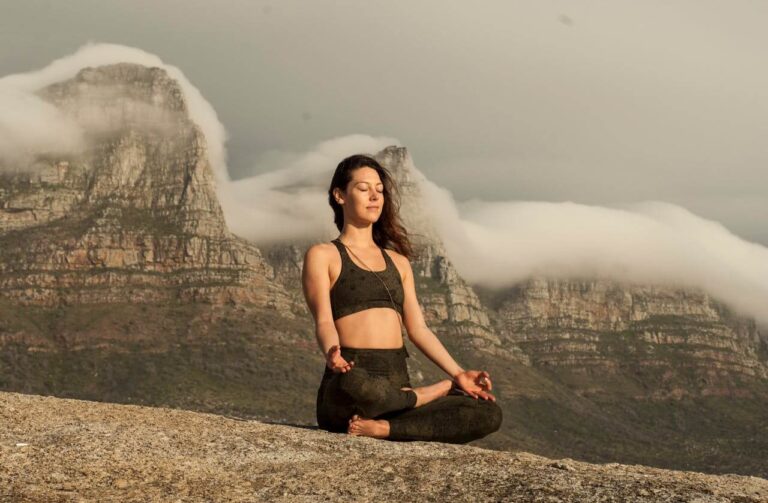
Learn how to meditate with our step-by-step guide. Discover techniques, benefits, and tips for beginners to start a successful meditation practice today.
Overview
Meditation is a powerful practice that promotes relaxation, focus, and inner peace. But if you’re new to mindfulness, you might ask, how does one meditate? This guide will walk you through practical techniques, common mistakes, and tips to integrate meditation into your daily life. By the end of this post, you’ll understand how to meditate effectively, the benefits you can expect, and how to make meditation a sustainable habit.
What is meditation?
Meditation is more than just sitting quietly—it’s a mental practice that helps you focus your mind, reduce stress, and achieve a sense of calm. Traditionally rooted in spiritual and religious traditions, meditation has become widely recognized for its health benefits, including mental clarity, emotional balance, and improved overall well-being.
Meditation can take many forms:
- Mindfulness meditation—Focusing on your breath and observing thoughts without judgment.
- Guided meditation—Listening to a teacher or recording for step-by-step guidance.
- Mantra meditation—Repeating a word or phrase to focus the mind.
- Body scan meditation – Paying attention to sensations in different parts of the body.
- Loving-kindness meditation—cultivating feelings of compassion and empathy.
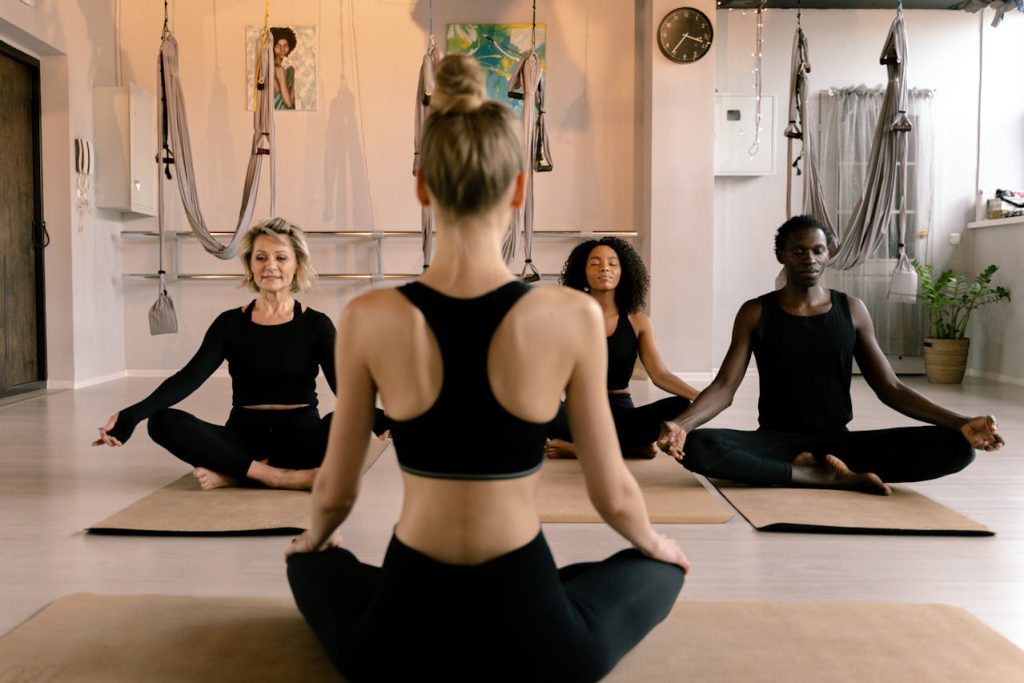
Why People Ask, “How Does One Meditate?”
For beginners, meditation can feel intimidating. Many wonder if they’re doing it correctly or if there’s a right or wrong way to meditate. Understanding the basics and having a structured approach can remove confusion and make meditation an enjoyable, consistent habit.
Some common beginner questions include:
- Do I need to sit cross-legged?
- How long should I meditate?
- What if I can’t stop my thoughts?
- How do I stay consistent with meditation?
This guide answers all these questions and more.
Step-by-Step Guide: How Does One Meditate?
1. Find a Quiet Space
Choose a calm environment where you won’t be disturbed. This could be a corner of your home, a quiet park, or even a dedicated meditation room. The goal is to reduce distractions so you can focus inward.
2. Get Comfortable
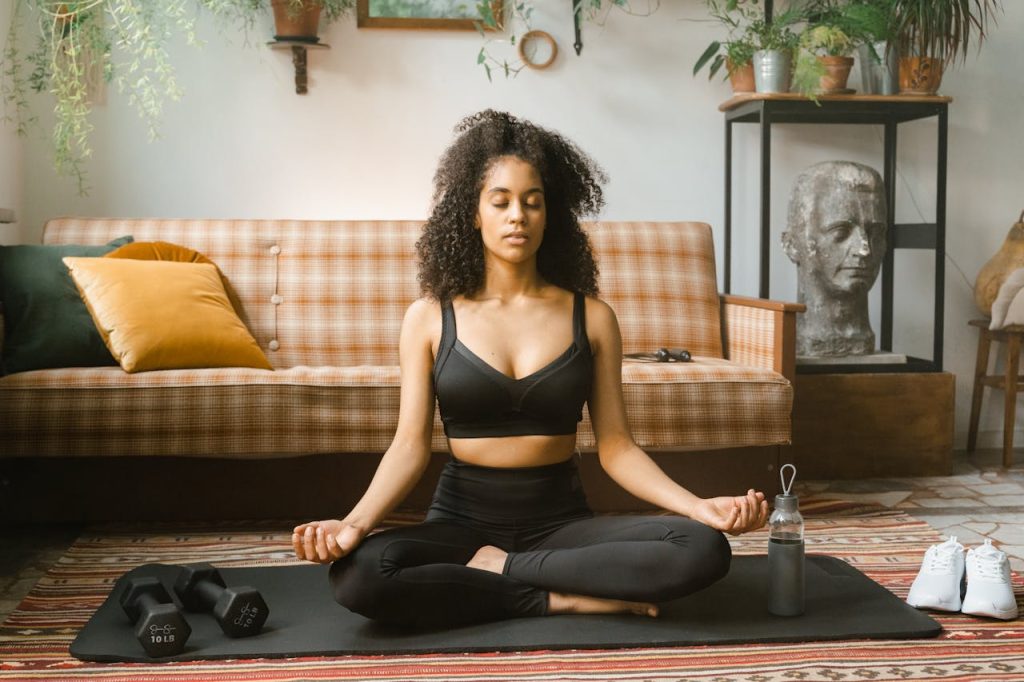
Sit or lie down in a comfortable position. You don’t have to sit cross-legged if it’s uncomfortable—any position where your back is straight and your body is relaxed will work. You can use a chair, cushion, or yoga mat.
3. Set a Time Limit
Start with small sessions of 5–10 minutes and gradually increase the duration as you become more comfortable. Using a timer ensures you won’t be distracted by constantly checking the clock.
4. Focus on Your Breath
Close your eyes and take slow, deep breaths. Notice the sensation of air entering and leaving your nostrils or the rise and fall of your chest. Breath awareness is a simple yet effective way to anchor your mind.
5. Observe Your Thoughts
It’s natural for your mind to wander. Instead of judging yourself, simply notice your thoughts and gently bring your focus back to your breath. Meditation is about observation, not control.
6. Try Guided Meditation
If you’re unsure how to meditate on your own, start with guided meditation. Many apps and websites, like Mindfulness Meditation Hub, offer free guided sessions for beginners.
7. Practice Regularly
Consistency is key. Aim to meditate daily—even 5 minutes a day can produce noticeable benefits. Over time, meditation becomes easier, and the benefits compound.
Tips for Successful Meditation
- Be patient with yourself—meditation is a skill that takes time to develop.
- Avoid overthinking—Meditation is about experience, not perfection.
- Create a routine—Meditate at the same time each day to build a habit.
- Use a meditation journal—Track your feelings and progress over time.
- Combine techniques—Experiment with mindfulness, mantra, and guided meditation to find what works best.
Benefits of Meditation
Understanding how one meditates is not just about technique; it’s also about why meditation matters. Here are some key benefits:
- Reduces Stress and Anxiety: Meditation lowers cortisol levels, helping you manage daily stress.
- Improves Focus and Concentration: Regular practice enhances attention span and cognitive function.
- Enhances Emotional Health: Meditation promotes self-awareness, empathy, and a positive outlook.
- Promotes Better Sleep: Relaxation techniques help you fall asleep faster and enjoy deeper rest.
- Supports Physical Health: Meditation can reduce blood pressure, improve immunity, and decrease inflammation.
Common Challenges Beginners Face
Even with guidance, beginners may encounter obstacles. Recognizing these challenges can help you overcome them:
- Restless Mind: Thoughts will come and go. Accept them without judgment.
- Physical Discomfort: Adjust your posture or use cushions. Don’t strain yourself.
- Impatience: Meditation benefits accumulate over time. Commit to regular practice.
- Expecting Immediate Results: Mindfulness is a long-term investment in mental and emotional health.
Integrating Meditation Into Daily Life
Meditation doesn’t have to be limited to a quiet room or a specific time of day. You can practice mindfulness anytime:
- Morning Routine: Start your day with 5–10 minutes of meditation to set a positive tone.
- Work Breaks: Use short mindfulness sessions to reduce stress and boost focus.
- Evening Relaxation: Meditate before bed to unwind and promote restful sleep.
- Mindful Activities: Incorporate mindfulness into walking, eating, or chores.
Final Thought
Meditation is an accessible and powerful tool for improving mental, emotional, and physical well-being. By understanding how one meditates, following step-by-step techniques, and practicing regularly, anyone can experience the transformative benefits of mindfulness. Remember, meditation is not about perfection—it’s about presence, awareness, and creating a peaceful mind.
If you’re ready to start, explore guided meditation sessions, create a daily routine, and gradually expand your practice. Your journey toward calm, clarity, and inner peace begins today.
FAQs for How Does One Meditate
What is meditation and why is it important?
Meditation is a practice of focusing the mind to achieve mental clarity, emotional calm, and physical relaxation. It’s important because it reduces stress, improves concentration, and promotes overall well-being.
How does one meditate for the first time?
To start meditating, find a quiet space, sit comfortably, focus on your breath, observe your thoughts without judgment, and start with short sessions of 5–10 minutes.
Can anyone learn how to meditate?
Yes, meditation is accessible to everyone. With consistent practice and guidance, anyone can learn to meditate regardless of age or experience.
How long should a beginner meditate each day?
Beginners can start with 5–10 minutes daily and gradually increase the duration as they become more comfortable with the practice.
Do I need to sit cross-legged to meditate?
No, sitting cross-legged is not necessary. You can meditate sitting on a chair, lying down, or in any comfortable position with a straight spine.
What should I do if my mind keeps wandering?
It’s normal for the mind to wander. Gently bring your attention back to your breath or chosen focus point without judgment.
How does one meditate using guided meditation?
Guided meditation involves listening to a teacher or recording that provides step-by-step instructions, which can help beginners stay focused and learn techniques easily.
Can meditation help reduce stress and anxiety?
Yes, meditation lowers cortisol levels and promotes relaxation, which helps reduce stress, anxiety, and emotional tension.
How does one meditate in a busy or noisy environment?
Focus on your breath or use noise-canceling headphones with guided meditation. Even short sessions in a busy environment can be effective.
Are there different types of meditation?
Yes, common types include mindfulness meditation, loving-kindness meditation, body scan meditation, mantra meditation, and guided meditation.
How does one meditate for better sleep?
Focus on slow, deep breathing, relax your muscles progressively, and use guided sleep meditations to calm your mind before bedtime.
Can meditation improve focus and productivity?
Yes, regular meditation enhances attention, concentration, and mental clarity, which can improve productivity in daily tasks.
How often should one meditate to see benefits?
Daily practice is recommended, even if it’s just 5–10 minutes. Benefits accumulate over time, including reduced stress, better focus, and improved emotional health.
What are common mistakes beginners make when meditating?
Common mistakes include forcing thoughts, trying too hard to empty the mind, sitting in uncomfortable positions, and expecting immediate results.
How does one meditate without guidance?
Sit comfortably, focus on your breath, notice thoughts without judgment, and gently redirect your attention whenever your mind wanders. Practice consistently to develop your own meditation rhythm.
Related Topics
- How to Practice Meditation: A Step-by-Step Guide for Beginners
- How Do I Start to Meditate? A Complete Beginner’s Guide
- What Do You Do When You Meditate? A Complete Guide
- How to Meditate Daily: A Simple Guide to Building a Lifelong
- Meditation Techniques for Anxiety | Calm Your Mind Naturally
- How to Meditate Effectively: A Step-by-Step Guide for Beginners
- Best Way to Meditate: A Complete Guide for Beginners and Experts
- Mind Success: Unlock Your Full Potential with Proven Techniques
- Stress Meditation: How Mindfulness Helps Reduce Stress
- What Do You Do When You Meditate? A Complete Guide
- Breathing Meditation Techniques for Beginners: A Complete Guide
- How to Meditate Daily: A Simple Guide to Building a Lifelong
- Grief Meditation: A Healing Practice for Emotional Recovery
- 5 Minute Meditation Scripts: Quick & Effective Guided Meditation
- Meditating at Home: Guide to Finding Peace and Balance
- Meditation and Sounds: Boost Mindfulness & Relaxation