
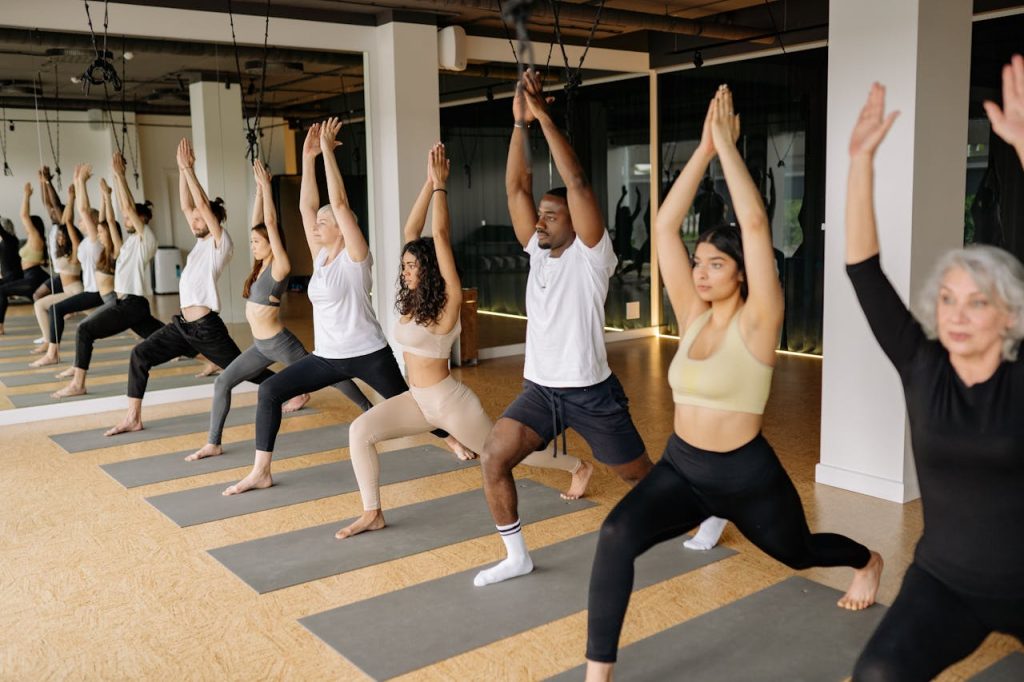
If you’ve searched for how meditate properly, you are probably not looking for vague spiritual advice. You want a clear method that helps you sit down, calm your mind, breathe with purpose, and feel like you are actually doing it right. The truth is, meditation does not require a perfect mind, a silent home, or years of practice. It requires a simple structure, patience, and the right guidance. Whether you are starting for stress relief, better focus, emotional balance, or deeper self-awareness, a proper meditation practice can become one of the most grounding parts of your day.
Why Meditation Feels Difficult at First
Most beginners assume meditation should feel peaceful immediately. Then they sit down, close their eyes, and realise their mind is louder than ever.
That does not mean you are failing. It means you are noticing.
Meditation is not about forcing your thoughts to disappear. It is about changing your relationship with those thoughts. Instead of chasing every idea, worry, memory, or distraction, you learn to observe them and gently return to the present moment.
This is why mindfulness meditation is such a practical starting point. It teaches awareness without pressure. You are not trying to become someone else. You are learning how to be present with yourself.
Common beginner experiences include:
- Feeling restless after one or two minutes
- Wondering whether your breathing is “right”
- Getting distracted by sounds or body sensations
- Thinking too much
- Feeling sleepy
- Expecting fast results
- Judging yourself for not being calm enough
These are all normal. A strong meditation practice is built through repetition, not perfection.
How Meditate Properly Starts With the Right Mindset
Before you focus on posture or breathing techniques, start with the right mindset. Meditation works best when you approach it as a skill, not a test.
You would not expect to become physically fit after one workout. In the same way, you should not expect total inner peace after one session. The benefits of meditation often develop gradually as your mind and body learn the rhythm of stillness.
A helpful mindset sounds like this:
“I am here to practise, not perform.”
That one sentence can change everything. It removes the pressure to have a perfect experience. Some sessions will feel calm. Others may feel scattered. Both count.
The secret to how meditate properly is learning to return. Provide for the breath. Return to the body. Return to the present moment. Every time you notice you have drifted away and come back, you are meditating.
Choose a Simple Meditation Space
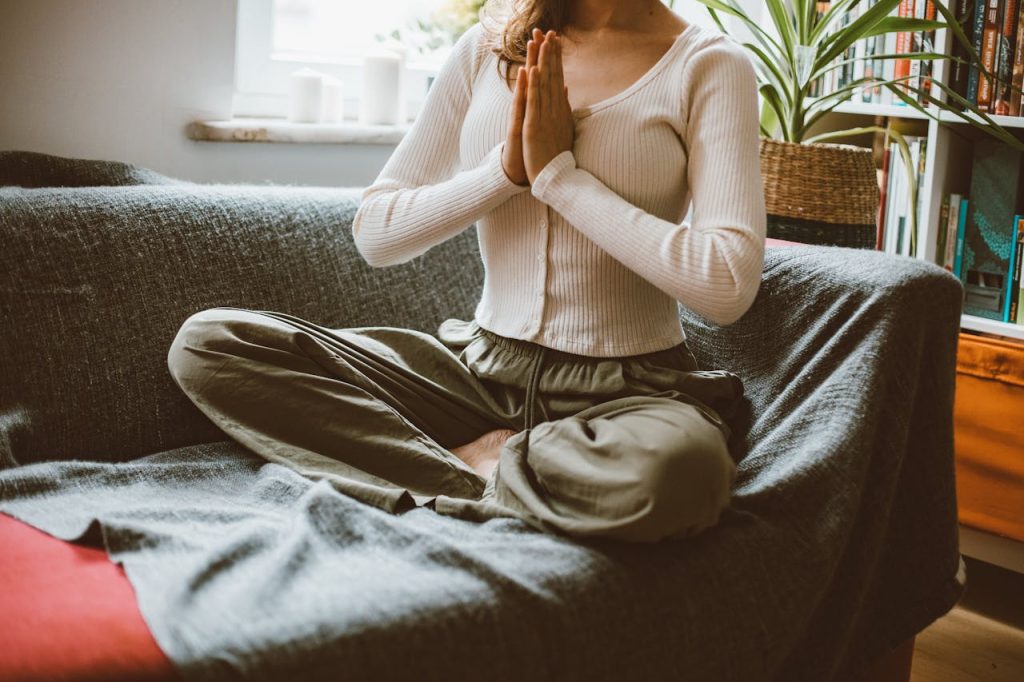
Your environment does not need to look like a studio. You do not need candles, incense, special cushions, or complete silence. Those things can help, but they are not required.
Choose a space that feels clean, comfortable, and easy to use. The easier it is to begin, the more likely you are to stay consistent.
A good meditation space may be:
- A quiet corner of your bedroom
- A chair near a window
- A cushion on the floor
- A spot in your office before work
- A peaceful outdoor area
- A parked car before walking into work
The goal is to reduce friction. If you have to rearrange your entire room every time, you will probably skip the practice. Keep it simple.
Make Your Space Feel Intentional
Even a small ritual can help your brain recognise that it is time to slow down.
You might:
- Put your phone on silent
- Dim the lights
- Sit in the same place daily
- Use a timer
- Take three deep breaths before starting
- Keep a journal nearby for after the session
These small cues create consistency. Over time, your body begins to associate that space with calm.
Find a Comfortable Meditation Posture
Posture matters, but not in the rigid way many people imagine. You do not have to sit cross-legged on the floor if that hurts your knees, hips, or back. A proper meditation posture should help you feel both relaxed and alert.
You can meditate:
- Sitting in a chair
- Sitting on a cushion
- Kneeling with support
- Lying down, if you are not likely to fall asleep
- Standing, for short grounding practices
- Walking slowly, if seated meditation feels difficult
For most beginners, sitting in a chair is the easiest option.
Basic Seated Posture
Try this:
- Sit with your feet flat on the floor.
- Keep your spine upright but not stiff.
- Relax your shoulders.
- Rest your hands on your thighs or in your lap.
- Let your chin drop slightly.
- Soften your jaw.
- Close your eyes or lower your gaze.
Your body should feel awake but not tense. If pain shows up, adjust. Meditation is not about enduring discomfort to prove discipline. It is about creating enough stability for the mind to settle.
A Step-by-Step Method for How Meditate Properly
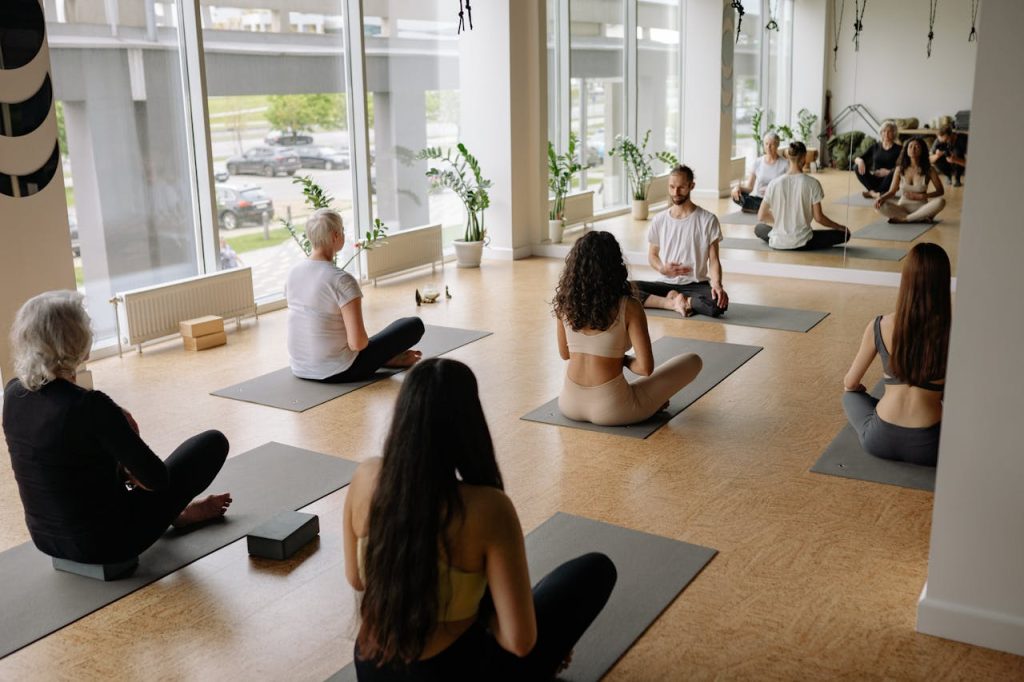
This simple method works well for beginners and can also support experienced meditators who want to return to basics.
Step 1: Set a Clear Intention
Before you begin, quietly name why you are practising.
Your intention could be:
- “I want to feel grounded.”
- “I want to slow down.”
- “I want to respond with more patience today.”
- “I want to reconnect with my breath.”
- “I want to create five minutes of quiet.”
An intention gives your meditation practice direction without turning it into a goal you must achieve.
Step 2: Start With Three Deep Breaths
Take a slow inhale through your nose. Let your belly or ribs expand. Then exhale gently through your nose or mouth.
Repeat this three times.
This helps shift your attention away from the rush of the day and into your body. It also signals to your nervous system that you are safe enough to slow down.
Step 3: Let Your Breathing Become Natural
After the first few deep breaths, stop controlling your breath. Let it return to its natural rhythm.
Notice where you feel it most clearly:
- At the nostrils
- In the chest
- In the belly
- In the ribs
- In the throat
Choose one place as your anchor. This anchor gives your attention somewhere steady to rest.
Step 4: Notice When the Mind Wanders
Your mind will wander. It may think about dinner, emails, relationships, deadlines, memories, plans, or random songs.
That is not a problem. Wandering is part of the practice.
When you notice a thought, silently label it as “thinking” and return to your breath. No frustration. No drama. Just return.
This gentle return is the heart of mindfulness.
Step 5: End Slowly
When the timer ends, do not jump up immediately. Take one final breath. Notice your body. Feel your feet, hands, face, and shoulders.
Then open your eyes.
This helps you carry the calm into the next part of your day instead of leaving it behind on the cushion.
How Long Should You Meditate?
Beginners often think they need 30 or 60 minutes to benefit. That expectation can make meditation feel intimidating.
Start smaller.
A realistic beginner plan:
- Week 1: 3 minutes daily
- Week 2: 5 minutes daily
- Week 3: 7–10 minutes daily
- Week 4: 10–15 minutes daily
Consistency matters more than length. Five minutes every day is usually more useful than one long session once a week.
If your schedule is busy, attach meditation to something you already do. Practise after brushing your teeth, before morning coffee, during lunch, or before bed.
Breathing Techniques That Support Meditation
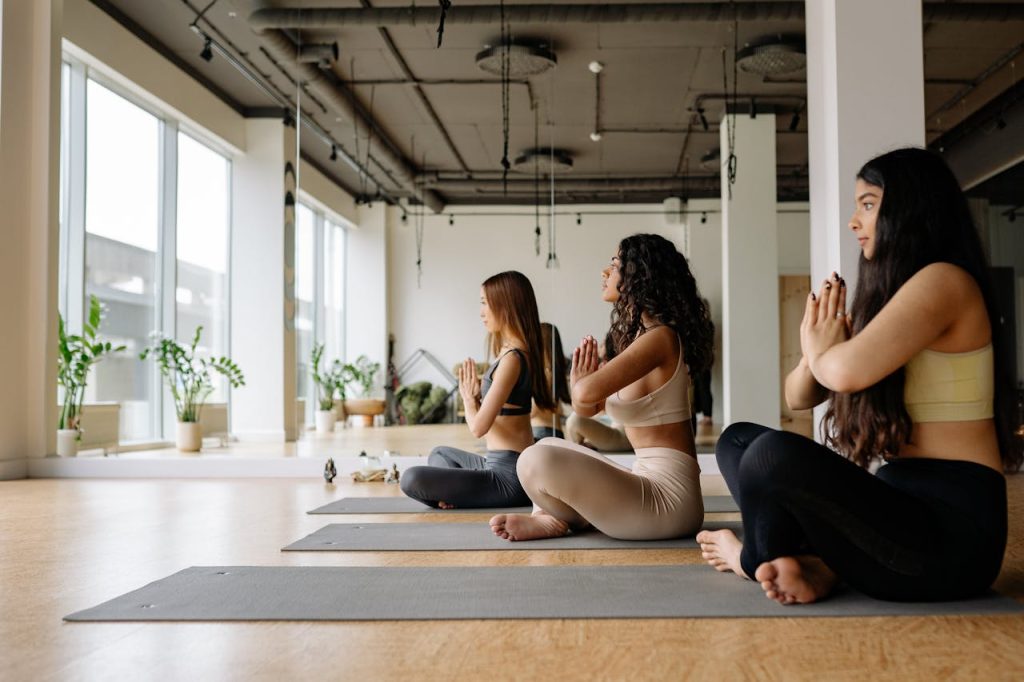
Breath awareness is one of the easiest ways to build focus. Your breath is always present, which makes it a reliable anchor.
Here are three beginner-friendly breathing techniques.
Box Breathing
Box breathing is structured and calming.
Try this rhythm:
- Inhale for 4 counts
- Hold for 4 counts
- Exhale for 4 counts
- Hold for 4 counts
Repeat for one to three minutes.
This technique can be useful before a stressful meeting, difficult conversation, or bedtime.
4-6 Breathing
This method lengthens the exhale, which may help the body settle.
Try this:
- Inhale for 4 counts
- Exhale for 6 counts
Repeat gently. Do not strain. If six counts feels too long, use four and five.
Natural Breath Awareness
This is the simplest technique.
Do not change your breath. Just observe it.
Notice:
- The temperature of the air
- The movement of the body
- The beginning of each inhale
- The pause between breaths
- The release of each exhale
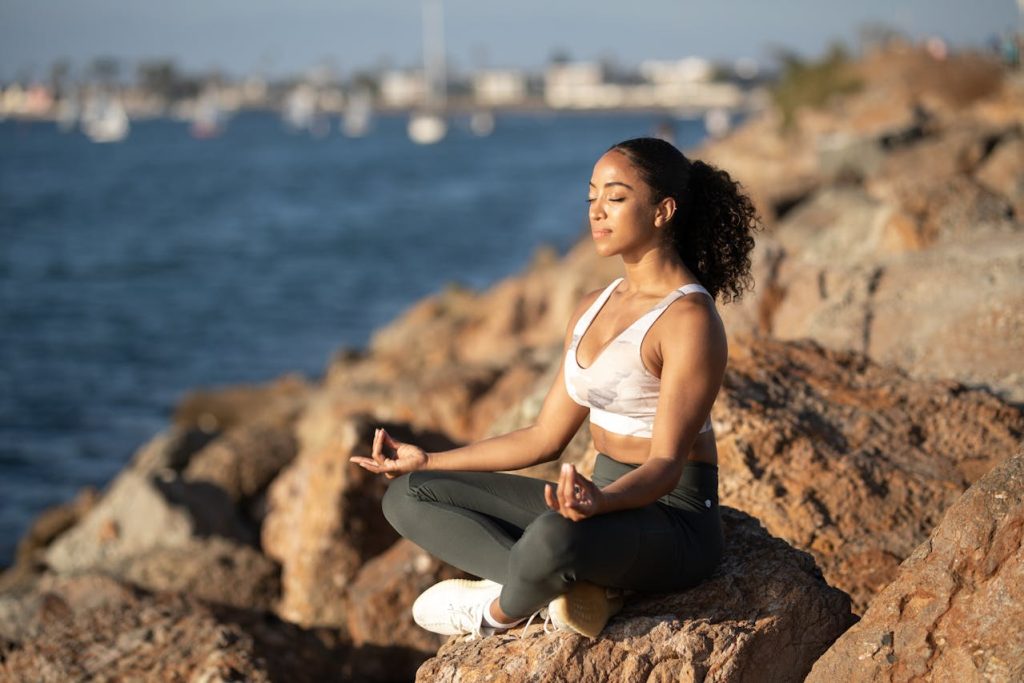
Natural breath awareness is excellent for daily meditation because it teaches patience and presence.
Common Mistakes That Block Progress
Learning how meditate properly also means knowing what not to overthink. Many beginners stop because they believe they are doing it wrong, when they are simply meeting normal challenges.
Mistake 1: Trying to Stop All Thoughts
Thoughts are not the enemy. The goal is not mental silence. The goal is awareness.
When thoughts appear, notice them and return to the breath. That is the practice.
Mistake 2: Meditating Only When Stressed
Meditation can help during stress, but it becomes more powerful when practised regularly. Think of it as mental training. You build steadiness before you need it.
Mistake 3: Expecting Every Session to Feel Peaceful
Some sessions feel calm. Others feel messy. Both are useful.
A restless session can teach patience. A sleepy session can teach awareness. A peaceful session can teach gratitude.
Mistake 4: Sitting Too Long Too Soon
Starting with 20 minutes may sound impressive, but it can create resistance. Begin with a time you can repeat easily.
Mistake 5: Judging Yourself
Self-judgement tightens the mind. Curiosity softens it.
Instead of saying, “I am bad at this,” try, “What am I noticing today?”
Guided Meditation vs Silent Meditation
Both guided and silent meditation can be valuable.
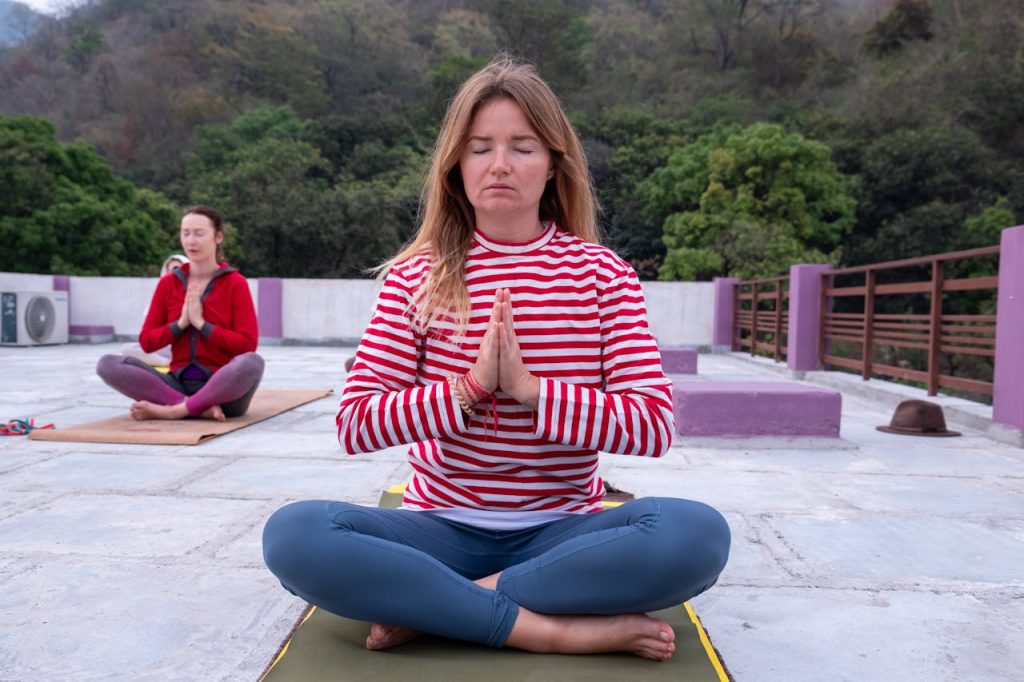
Guided meditation is helpful when you want structure. A teacher or recording leads you through breathing, body awareness, visualisation, or reflection. This is especially useful for beginners who feel unsure about what to do.
Silent meditation gives you space to practise independently. It helps you build trust in your own awareness.
Many people benefit from combining both. For example:
- Use guided meditation three days a week
- Practise silent breath awareness two days a week
- Try a longer session on the weekend
- Use short breathing exercises during stressful moments
Our service is designed to support people who want more than random online tips. We help you build a meditation routine that feels personal, realistic, and sustainable.
Meditation for Stress, Focus, and Emotional Balance
People often begin meditation because they want relief. They feel overwhelmed, distracted, tense, reactive, or disconnected.
A regular meditation practice may support:
- A calmer response to stress
- Better emotional awareness
- Improved focus
- More patience
- Stronger self-control
- Better sleep routines
- A deeper sense of inner steadiness
Meditation does not remove life’s responsibilities. However, it can change how you meet them.
Instead of reacting immediately, you create a little space. In that space, you can breathe, choose, and respond more wisely.
How to Build a Daily Meditation Habit
A habit becomes easier when it is specific. Do not simply say, “I will meditate more.” Decide when, where, and for how long.
Try this formula:
“I will meditate for five minutes after I make my morning coffee.”
That is clear and realistic.
Make It Easy to Begin
Keep your practice simple:
- Same time
- Same place
- Same timer
- Same basic technique
- No pressure to be perfect
The easier the habit, the more likely it will last.
Track the Feeling, Not Just the Time
After each session, ask yourself:
- Do I feel more aware?
- Did I pause before reacting today?
- Did I notice my breath during stress?
- Did I return to the practice even when distracted?
These signs matter. Meditation progress is not always dramatic. Often, it appears in small daily shifts.
When Personal Guidance Helps
Many people can start meditation alone, but personal guidance can make the process smoother. A teacher, coach, or structured meditation programme can help you understand what is normal, adjust your technique, and stay consistent.
Guidance is especially useful if you:
- Feel unsure where to start
- Struggle with racing thoughts
- Need accountability
- Want a personalised practice
- Prefer live support
- Want meditation for stress management
- Need help building a routine
- Feel stuck after trying apps or videos
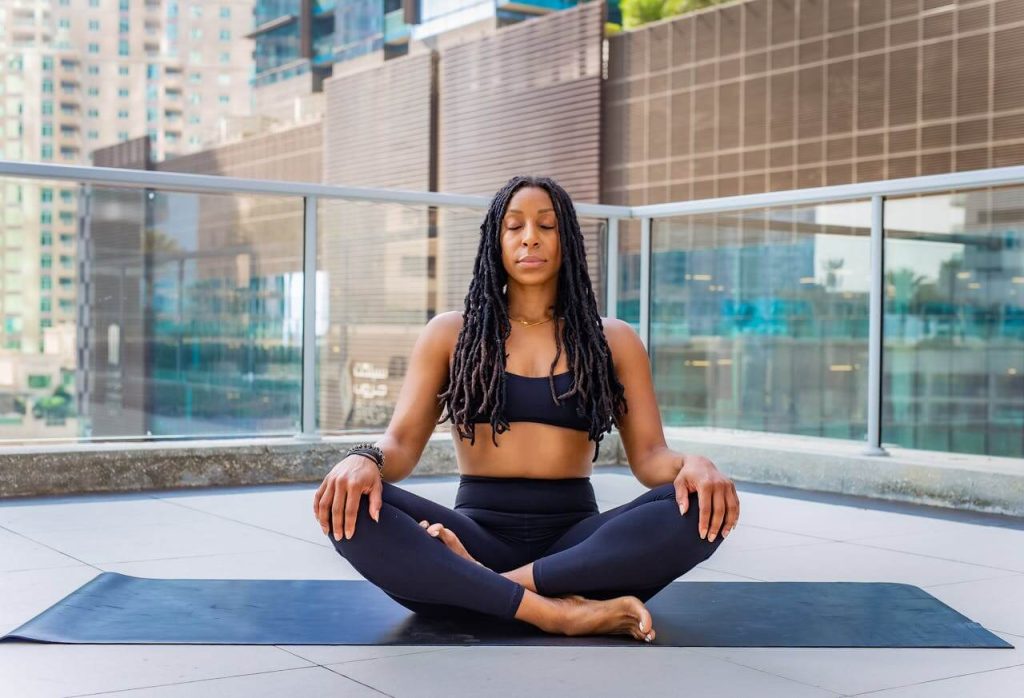
This is where our service can support you. We offer a clear, beginner-friendly approach that helps you practise with confidence, not confusion. Instead of leaving you to guess, we guide you through posture, breathwork, mindfulness, and practical daily routines.
A Simple 7-Day Beginner Meditation Plan
Use this mini-plan to begin today.
Day 1: Breath Awareness
Sit for three minutes and notice your natural breath.
Day 2: Body Scan
Move your attention slowly from your feet to your head, noticing tension without forcing it away.
Day 3: Counted Breathing
Inhale for four counts and exhale for six counts for five minutes.
Day 4: Mindfulness of Sound
Sit quietly and notice sounds around you without judging them.
Day 5: Thought Labelling
When thoughts appear, label them gently as “thinking” and return to the breath.
Day 6: Gratitude Reflection
After five minutes of breathing, name three things you appreciate.
Day 7: Silent Sitting
Sit for five to ten minutes using your breath as your anchor.
This plan gives you variety without becoming complicated. After one week, repeat the practices you enjoyed most.
Final Tips for a Better Practice
To make meditation feel more natural, remember these simple principles:
- Start small and stay consistent.
- Choose comfort over perfect posture.
- Let thoughts come and go.
- Return to the breath without judgement.
- Use guided meditation when you need support.
- Practise before stress builds, not only during crisis.
- Keep your routine realistic.
- Celebrate showing up.
Meditation is not about escaping life. It is about being present enough to live it with more clarity.
Ready to Begin With Support?
If you are ready to learn how meditate properly, our guided meditation service can help you build a calm, steady, and realistic practice from the ground up. We make meditation approachable, structured, and personal, so you do not have to figure it out alone.
Book a session today and start creating a meditation routine that supports your mind, your energy, and your everyday life.
Related Topics
- How to Practice Meditation: A Step-by-Step Guide for Beginners
- How Do I Start to Meditate? A Complete Beginner’s Guide
- What Do You Do When You Meditate? A Complete Guide
- How to Meditate Daily: A Simple Guide to Building a Lifelong
- Meditation Techniques for Anxiety | Calm Your Mind Naturally
- How to Meditate Effectively: A Step-by-Step Guide for Beginners
- Best Way to Meditate: A Complete Guide for Beginners and Experts
- Mind Success: Unlock Your Full Potential with Proven Techniques
- Stress Meditation: How Mindfulness Helps Reduce Stress
- What Do You Do When You Meditate? A Complete Guide
- Breathing Meditation Techniques for Beginners: A Complete Guide
- How to Meditate Daily: A Simple Guide to Building a Lifelong
- Grief Meditation: A Healing Practice for Emotional Recovery
- 5 Minute Meditation Scripts: Quick & Effective Guided Meditation
- Meditating at Home: Guide to Finding Peace and Balance
- Meditation and Sounds: Boost Mindfulness & Relaxation