
Learn practical ways to appreciate nature and bring mindfulness into your daily life. Discover tips, exercises, and benefits that reconnect you with the natural world.
Overview
In this blog post, readers will learn how to appreciate nature deeply, using mindfulness and intentional observation. The article will cover practical strategies, mental and emotional benefits, and simple daily exercises that help individuals reconnect with the natural world. By the end of this post, readers will understand why taking time to notice the environment enhances mental clarity, reduces stress, and promotes overall well-being.
How to Appreciate Nature: A Mindful Approach to Reconnecting with the Outdoors
In today’s fast-paced digital world, it’s easy to forget the simple joys around us. Nature offers a perfect escape from stress, but many people pass through forests, parks, or even their backyards without truly noticing their surroundings. Learning how to appreciate nature can transform daily life, improve mental health, and deepen your connection with the world.
Why We Should Appreciate Nature
Taking the time to appreciate nature is not just a feel-good activity—it has measurable mental and physical benefits. Studies have shown that spending time outdoors can:
- Reduce stress and anxiety
- Improve focus and attention
- Boost mood and creativity
- Strengthen immune function
- Encourage a sense of interconnectedness with the environment
By practicing mindfulness in nature, you not only observe your surroundings but also cultivate gratitude and awareness. This process strengthens your mental resilience and helps you live more intentionally by fostering a deeper connection to the environment and enhancing your overall well-being.
Simple Ways to Appreciate Nature Daily
You don’t have to travel to a national park to enjoy nature. Here are practical ways to bring mindfulness and appreciation into your everyday life:
1. Practice Mindful Observation
Focus on small details around you. Notice the color of leaves, the sound of birds, or the texture of tree bark. Mindful observation allows you to fully appreciate nature, enhancing your sensory awareness and grounding your thoughts in the present moment.
2. Take a Daily Walk Outdoors.
Whether it’s a 10-minute walk around your neighborhood or a hike in a local park, stepping outside helps you connect with the natural environment. Leave your phone behind, slow your pace, and immerse yourself in the surroundings.
3. Journal Your Experiences
Write down what you see, hear, and feel during your time outside. Recording your observations helps solidify your mindfulness practice and allows you to reflect on the beauty of everyday nature.
4. Engage Your Senses Fully
Use all five senses when outside. Feel the breeze on your skin, listen to the rustling of leaves, smell the flowers or fresh air, and notice patterns or textures. Engaging multiple senses deepens your ability to appreciate nature.
5. Practice Gratitude for the Environment
Take a moment to mentally thank nature for its gifts. Recognizing the value of clean air, green spaces, and wildlife encourages a positive mindset and strengthens your connection to the outdoors.
Mindful Activities to Reconnect with Nature
In addition to simple daily exercises, there are structured activities that encourage mindfulness in nature:
Forest Bathing (Shinrin-Yoku)
Originating in Japan, forest bathing involves immersing yourself in the forest environment to reduce stress and enhance well-being. It’s less about hiking and more about slowly walking, observing, and breathing deeply in nature.
Benefits:
- Lowers cortisol levels (stress hormone).
- Enhances mood
- Improves immune function
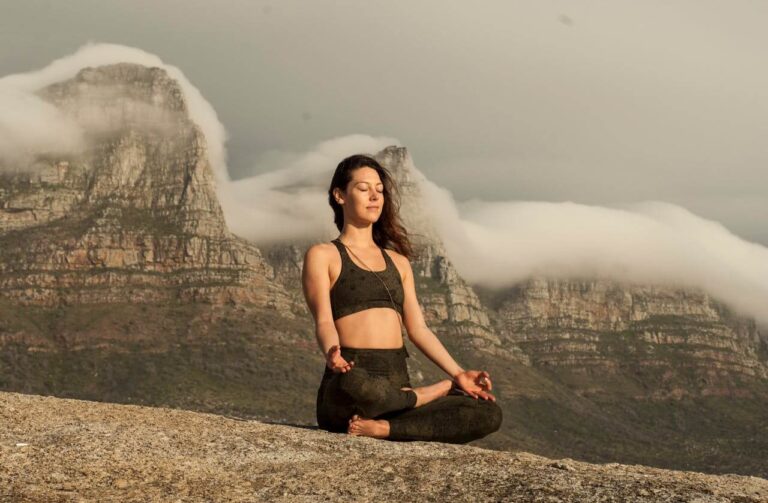
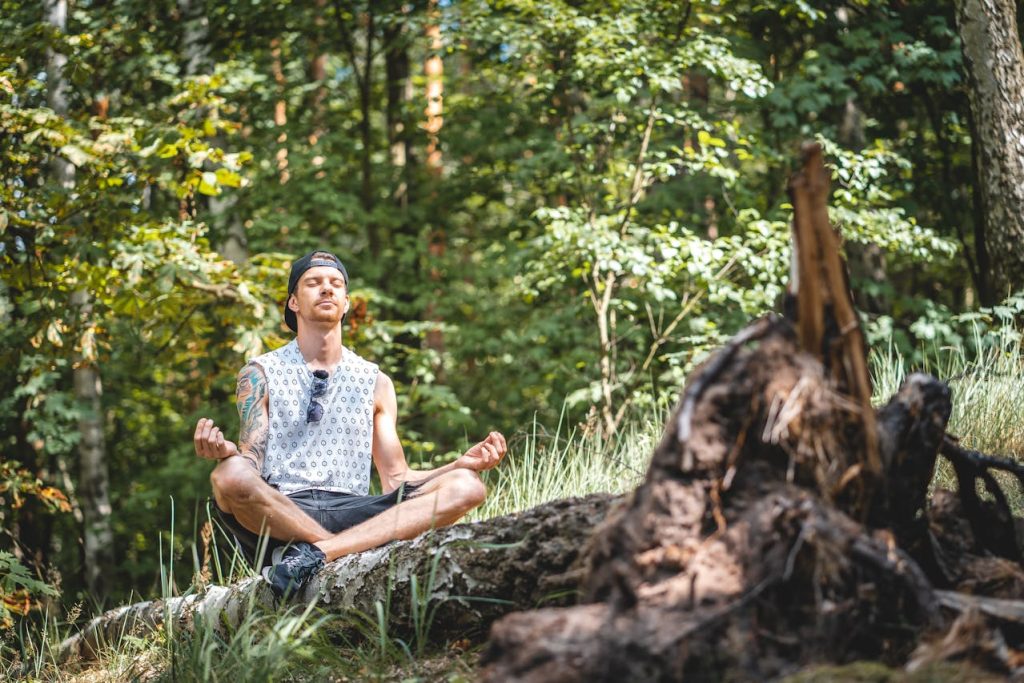
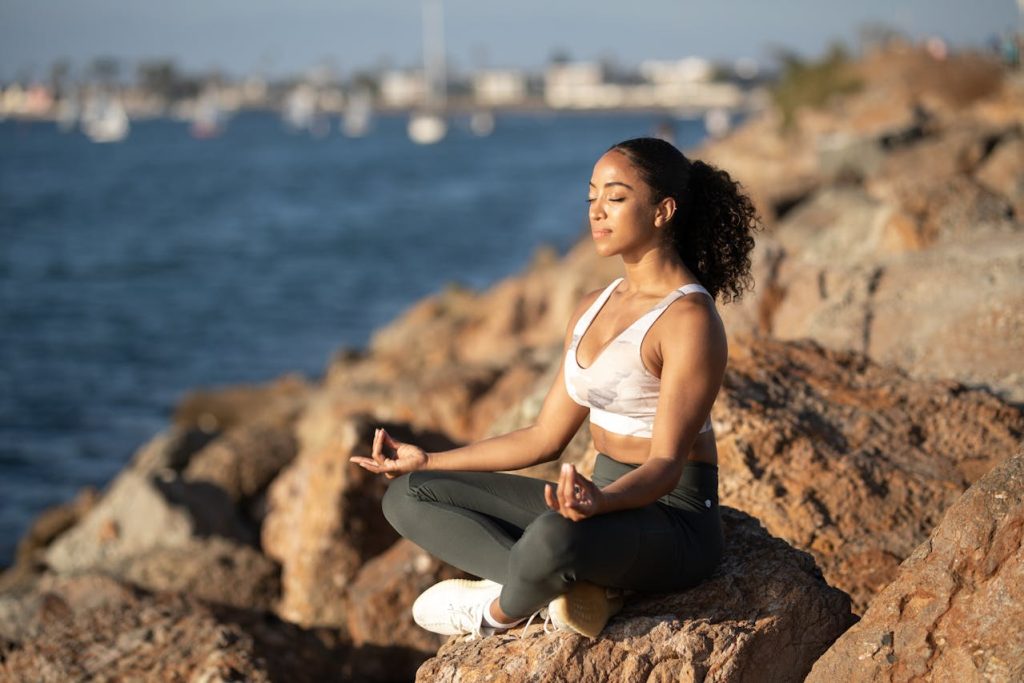
Nature Meditation
Find a quiet outdoor spot, sit comfortably, and focus on natural sounds or visual elements. Allow your thoughts to settle as you observe your environment without judgment.
Tips:
- Choose a location with minimal distractions.
- Set a timer for 5–20 minutes
- Focus on your breath or sounds around you
Mindful Gardening
Gardening is an excellent way to connect with nature intentionally. Planting, watering, and nurturing plants fosters patience and mindfulness.
Benefits:
- Encourages physical activity
- Reduces anxiety
- Promotes a sense of accomplishment
How Appreciating Nature Boosts Mental Health
The act of observing and valuing nature can have profound psychological effects. Here’s why:
- Reduces Stress: Time outdoors helps lower cortisol and blood pressure.
- Enhances Focus: Nature exposure restores attention and reduces mental fatigue.
- Improves Emotional Resilience: Regular connection with natural settings enhances mood stability.
- Encourages Mindfulness: Mindful interaction with nature strengthens present-moment awareness.
When you intentionally appreciate nature, you are training your mind to slow down, notice details, and embrace calm—a practice that can carry into daily routines.
How to Make Nature a Part of Your Routine
Consistency is key. Here are ways to integrate nature into your daily life:
- Morning Rituals: Watch the sunrise or step outside to breathe fresh air.
- Commute Mindfulness: Walk or bike to work when possible, noticing your surroundings.
- Weekend Nature Outings: Visit parks, lakes, or hiking trails with intention.
- Digital Detox: Limit screen time while outdoors to fully absorb nature’s presence.
Even small actions, like observing a tree outside your window, contribute to a meaningful practice of appreciating nature.
Teaching Children to Appreciate Nature
Introducing kids to nature helps develop empathy, curiosity, and mindfulness. Tips include:
- Go on scavenger hunts
- Encourage observation of insects and plants
- Create a nature journal together
- Discuss the importance of environmental conservation.
Teaching children early not only strengthens their connection with the outdoors but also instills lifelong mindfulness habits.
Combining Technology and Nature Mindfully
Technology doesn’t have to separate us from nature. Mindful use can enhance the experience:
- Use apps to identify plants or birds
- Capture photos mindfully, appreciating details rather than rushing
- Track meditation or forest bathing sessions to reflect on progress
The key is intentional engagement—avoid distractions and prioritize present-moment awareness.
Final Thoughts
Learning to appreciate nature is more than a hobby—it’s a practice that nurtures your mind, body, and spirit. Mindful observation, structured activities, and consistent routines help you reconnect with the natural world, reduce stress, and improve overall well-being.
Start small: step outside, notice the details, and let yourself experience the present moment. With dedication, your relationship with nature can become a cornerstone of mindfulness and holistic wellness.
FAQs for How to Appreciate Nature
What does it mean to truly appreciate nature?
Appreciating nature means observing, valuing, and connecting with the environment around you, whether it’s plants, animals, or natural landscapes, with mindfulness and gratitude.
How can I appreciate nature in my daily life?
You can appreciate nature daily by taking mindful walks, observing your surroundings, journaling experiences, or engaging your senses fully in outdoor environments.
What are the mental health benefits of appreciating nature?
Spending time in nature reduces stress, improves mood, enhances focus, and promotes emotional resilience, helping you maintain overall well-being.
Can children learn to appreciate nature?
Yes! Children can learn to appreciate nature through scavenger hunts, nature journaling, observing wildlife, and spending intentional time outdoors.
What is mindful observation in nature?
Mindful observation is paying close attention to details like sounds, textures, colors, and patterns in your environment, helping you fully appreciate nature.
How does forest bathing help me appreciate nature?
Forest bathing, or Shinrin-Yoku, encourages slow, mindful immersion in a forest, which enhances your awareness and deepens your ability to appreciate nature.
Can technology help me appreciate nature?
When used mindfully, technology can support nature appreciation through apps that identify plants or birds, photography, or tracking outdoor meditation sessions.
How does appreciating nature reduce stress?
Engaging with natural surroundings lowers cortisol levels, calms the nervous system, and restores attention, making you feel more relaxed and centered.
Is gardening a way to appreciate nature?
Yes, mindful gardening allows you to connect with plants, nurture growth, and observe natural processes, which strengthens your appreciation of nature.
How long should I spend outdoors to appreciate nature?
Even short sessions of 10–20 minutes outdoors can help you reconnect, but longer periods like a forest walk or hiking provide deeper mindfulness benefits.
How can I make nature a consistent part of my routine?
Incorporate daily or weekly outdoor activities like walks, meditation, or mindful observation, and schedule them as part of your lifestyle.
What are simple ways to practice gratitude for nature?
You can practice gratitude by mentally acknowledging the gifts of fresh air, greenery, wildlife, and the beauty around you while spending time outdoors.
Can appreciating nature improve focus and creativity?
Yes, research shows that mindful engagement with nature restores attention and stimulates creative thinking, enhancing problem-solving skills.
Is it necessary to go far from home to appreciate nature?
No, you can appreciate nature even in your backyard, local parks, or neighborhood streets by observing plants, birds, and natural patterns around you.
How can I teach others to appreciate nature?
Lead by example, share mindfulness exercises, plan outdoor activities together, and encourage observation and gratitude for the environment.
Related Topics
- How to Practice Meditation: A Step-by-Step Guide for Beginners
- How Do I Start to Meditate? A Complete Beginner’s Guide
- What Do You Do When You Meditate? A Complete Guide
- How to Meditate Daily: A Simple Guide to Building a Lifelong
- Meditation Techniques for Anxiety | Calm Your Mind Naturally
- How to Meditate Effectively: A Step-by-Step Guide for Beginners
- Best Way to Meditate: A Complete Guide for Beginners and Experts
- Mind Success: Unlock Your Full Potential with Proven Techniques
- Stress Meditation: How Mindfulness Helps Reduce Stress
- What Do You Do When You Meditate? A Complete Guide
- Breathing Meditation Techniques for Beginners: A Complete Guide
- How to Meditate Daily: A Simple Guide to Building a Lifelong
- Grief Meditation: A Healing Practice for Emotional Recovery
- 5 Minute Meditation Scripts: Quick & Effective Guided Meditation
- Meditating at Home: Guide to Finding Peace and Balance
- Meditation and Sounds: Boost Mindfulness & Relaxation