
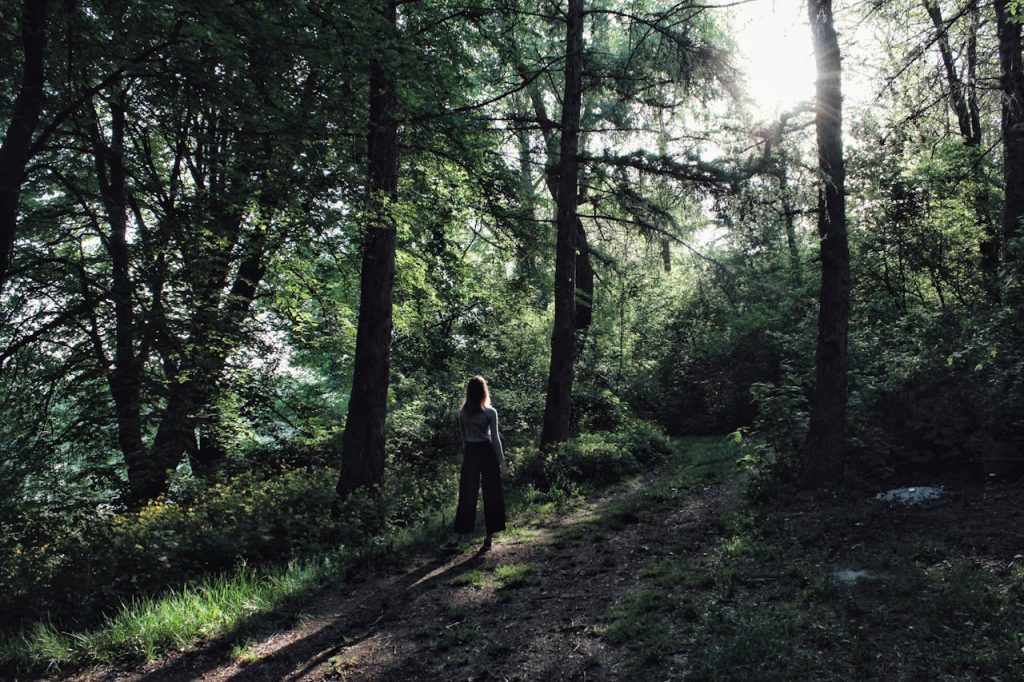
Learn how to do walking meditation step-by-step. Discover the benefits, techniques, and tips to practice mindful walking and bring calm, clarity, and balance into your daily life.
Overview
In today’s fast-paced world, many people struggle to find time for meditation. Sitting quietly for long periods can feel difficult for beginners. That’s where walking meditation becomes a powerful alternative. It combines movement with mindfulness, allowing you to meditate while walking.
If you’re wondering how to do walking meditation, the good news is that it’s simple, natural, and accessible to anyone. Whether you’re walking in a park, in your backyard, or even indoors, mindful walking can help you slow down, reconnect with your body, and bring calm awareness into your life.
Walking meditation is widely practiced in mindfulness traditions and is often recommended for people who find it challenging to sit still during meditation.
What Is Walking Meditation?
Walking meditation is a form of mindfulness practice where you focus your awareness on the experience of walking. Instead of walking quickly to reach a destination, you move slowly and deliberately while paying attention to your breath, body movements, and surroundings.
The goal is not exercise or speed but presence and awareness.
During this practice, you become mindful of:
- Each step you take
- The sensation of your feet touching the ground
- Your breathing rhythm
- The movement of your body
When learning how to do walking meditation, the key is to bring your full attention to the present moment.
This form of meditation is often used in mindfulness retreats and meditation centers because it helps bridge the gap between still meditation and daily activities.
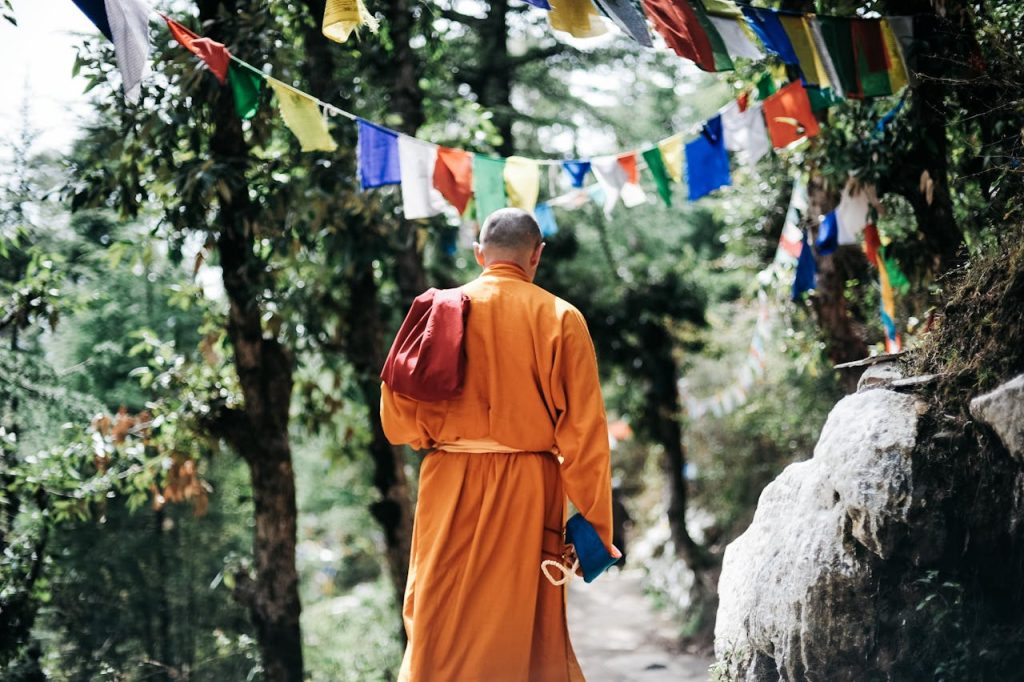
Benefits of Walking Meditation
Practicing mindful walking regularly can improve both mental and physical well-being.
Mental Benefits
Walking meditation can help:
- Reduce stress and anxiety
- Improve emotional balance
- Increase focus and concentration
- Promote mental clarity
- Support mindfulness in everyday life
Physical Benefits
Because it involves gentle movement, walking meditation also supports physical health:
- Encourages light exercise
- Improves posture and balance
- Reduces physical tension
- Enhances mind-body connection
For many beginners learning how to do walking meditation, these combined benefits make the practice easier and more enjoyable than sitting meditation.
How to Do Walking Meditation: Step-by-Step Guide
Learning how to do walking meditation doesn’t require special equipment or training. You only need a quiet place and a few minutes of your time.
Follow these simple steps to begin.
1. Choose a Quiet Location.
Find a peaceful space where you can walk slowly without distractions.
Good locations include the following:
- A park or garden
- A quiet trail
- Your backyard
- A meditation room
- Even a hallway inside your home
The key is choosing a place where you feel comfortable and safe.
2. Start with a standing pause.
Before you begin walking, stand still for a moment.
Take a few slow breaths and notice the following:
- Your body posture
- Your breathing
- The sensations in your feet
This short pause helps you transition into mindfulness before you start moving.
3. Begin Walking Slowly
Take your first step slowly and intentionally.
As you walk, focus on:
- Lifting your foot
- Moving it forward
- Placing it on the ground
Pay close attention to how each step feels.
When practicing how to do walking meditation, the goal is to experience the movement fully rather than walk automatically.
4. Focus on Your Breath
Breathing naturally helps anchor your attention during meditation.
You can try synchronizing your breath with your steps:
- Inhale for two or three steps
- Exhale for two or three steps
If your mind wanders, gently bring your attention back to your breathing and footsteps.
5. Stay Present in Your Body
During walking meditation, keep your awareness in your body.
Notice:
- The shifting of your weight
- The movement of your legs
- The contact between your feet and the ground
This awareness strengthens the connection between your mind and body.
Practicing how to do walking meditation regularly trains your mind to remain present.
6. Observe Your Surroundings Mindfully
While walking, gently observe your environment without becoming distracted.
You might notice:
- The sound of birds
- The feeling of wind on your skin
- The warmth of sunlight
- The colors of nature around you
The idea is not to analyze but simply to observe with awareness.
7. Walk Back and Forth
Many people practice walking meditation by walking along a short path repeatedly.
For example:
- Walk slowly for 10–20 steps
- Pause briefly
- Turn around mindfully
- Walk back in the opposite direction
This structure helps maintain focus and rhythm during the meditation.
Tips to Improve Your Walking Meditation Practice
If you’re new to mindful walking, these tips can help deepen your experience.
Start with Short Sessions.
Begin with 5–10 minutes of practice. As you become comfortable with how to do walking meditation, you can extend your sessions to 20 or 30 minutes.
Walk Slower Than Normal
Walking meditation is intentionally slower than regular walking.
Slowing down helps you notice subtle sensations and movements.
Keep Your Eyes Soft
Rather than closing your eyes, keep them gently focused a few feet ahead of you.
This helps maintain balance and awareness.
Let Thoughts Come and Go.
It’s normal for your mind to wander. When it does, gently return your focus to your steps and breathing.
Common Mistakes Beginners Make
When learning how to do walking meditation, beginners often face a few challenges.
Here are some common mistakes to avoid.
Walking Too Fast
Walking meditation is not about exercise or speed. Moving too quickly reduces mindfulness.
Trying Too Hard to “Empty the Mind”
Meditation is not about stopping thoughts completely. Instead, it’s about noticing them and returning to the present moment.
Getting Distracted by the Environment
While awareness of surroundings is helpful, avoid letting your attention drift too far from your body and steps.

How to Practice Walking Meditation in Daily Life
One of the best aspects of mindful walking is that it can be practiced anywhere.
You can apply how to do walking meditation in everyday situations such as
- Walking to your car
- Moving between rooms at home
- Walking during a lunch break
- Taking a stroll in the evening
By bringing mindfulness into ordinary walking, you turn daily movement into meditation.
Walking Meditation vs. Sitting Meditation
Both forms of meditation are valuable and often complement each other.
Sitting Meditation
- Focuses on stillness
- Deepens concentration
- Encourages introspection
Walking Meditation
- Incorporates movement
- Easier for beginners
- Helps integrate mindfulness into daily life
Many mindfulness practitioners alternate between the two practices.
How Mindfulness Meditation Hub Can Support Your Practice.
At Mindfulness Meditation Hub, we believe mindfulness should be accessible to everyone. Learning how to do walking meditation is just one step toward building a calmer, more balanced life.
Our platform offers guidance, resources, and mindfulness practices designed to help beginners and experienced practitioners deepen their meditation journey.
Whether you’re exploring meditation for stress relief, emotional balance, or personal growth, mindful walking can be a powerful starting point.
Final Thoughts
Walking meditation is one of the simplest and most effective ways to bring mindfulness into your daily life. It transforms an ordinary activity into a meaningful practice of awareness and presence.
By learning how to do walking meditation, you can slow down, reconnect with your body, and experience each moment more fully.
Remember, meditation doesn’t require perfection. All it requires is your willingness to pause, breathe, and take one mindful step at a time.
FAQs for How to Do Walking Meditation
What is walking meditation?
Walking meditation is a mindfulness practice where you focus your awareness on the act of walking. Instead of walking quickly or automatically, you move slowly and deliberately while paying attention to your breath, body movements, and the sensations of each step.
How to do walking meditation properly?
To practice walking meditation, walk slowly and focus on each step you take. Pay attention to how your feet lift, move forward, and touch the ground while maintaining steady breathing and present-moment awareness.
Is walking meditation good for beginners?
Yes, walking meditation is excellent for beginners. Many people find it easier than sitting meditation because the gentle movement helps them stay focused and engaged.
How long should walking meditation last?
Beginners can start with 5 to 10 minutes of walking meditation. As you become more comfortable with the practice, you can extend your sessions to 20 or 30 minutes.
What are the benefits of walking meditation?
Walking meditation can reduce stress, improve focus, increase mindfulness, support emotional balance, and strengthen the connection between the mind and body.
Can I practice walking meditation every day?
Yes, walking meditation can be practiced daily. Even a few minutes of mindful walking each day can help improve mental clarity and reduce stress.
Where is the best place to practice walking meditation?
Walking meditation can be practiced in quiet places such as parks, gardens, walking paths, meditation centers, or even inside your home.
Do you walk fast or slow during walking meditation?
Walking meditation is usually done slowly and intentionally. Moving at a slower pace helps you focus on each step and stay present in the moment.
Can walking meditation replace sitting meditation?
Walking meditation can complement sitting meditation but does not necessarily replace it. Many mindfulness practitioners combine both practices for a balanced meditation routine.
Should I focus on breathing during walking meditation?
Yes, focusing on your breathing while walking helps anchor your attention and maintain mindfulness throughout the meditation practice.
Can walking meditation reduce stress and anxiety?
Yes, mindful walking can help calm the nervous system, reduce stress, and promote relaxation by encouraging present-moment awareness.
Is walking meditation the same as regular walking?
No, walking meditation is different from regular walking. In walking meditation, your focus is on mindfulness, body awareness, and breathing rather than reaching a destination.
Can beginners learn how to do walking meditation easily?
Yes, learning how to do walking meditation is simple and accessible for anyone. With regular practice, beginners can quickly develop mindfulness and awareness.
Can walking meditation be practiced indoors?
Yes, walking meditation can be practiced indoors in spaces such as hallways, meditation rooms, or any quiet area where you can walk slowly without interruptions.
How does walking meditation improve mindfulness?
Walking meditation improves mindfulness by training your mind to stay present with each step, breath, and body movement, helping you develop awareness in both meditation and daily life.
Related Topics
- How to Practice Meditation: A Step-by-Step Guide for Beginners
- How Do I Start to Meditate? A Complete Beginner’s Guide
- What Do You Do When You Meditate? A Complete Guide
- How to Meditate Daily: A Simple Guide to Building a Lifelong
- Meditation Techniques for Anxiety | Calm Your Mind Naturally
- How to Meditate Effectively: A Step-by-Step Guide for Beginners
- Best Way to Meditate: A Complete Guide for Beginners and Experts
- Mind Success: Unlock Your Full Potential with Proven Techniques
- Stress Meditation: How Mindfulness Helps Reduce Stress
- What Do You Do When You Meditate? A Complete Guide
- Breathing Meditation Techniques for Beginners: A Complete Guide
- How to Meditate Daily: A Simple Guide to Building a Lifelong
- Grief Meditation: A Healing Practice for Emotional Recovery
- 5 Minute Meditation Scripts: Quick & Effective Guided Meditation
- Meditating at Home: Guide to Finding Peace and Balance
- Meditation and Sounds: Boost Mindfulness & Relaxation