
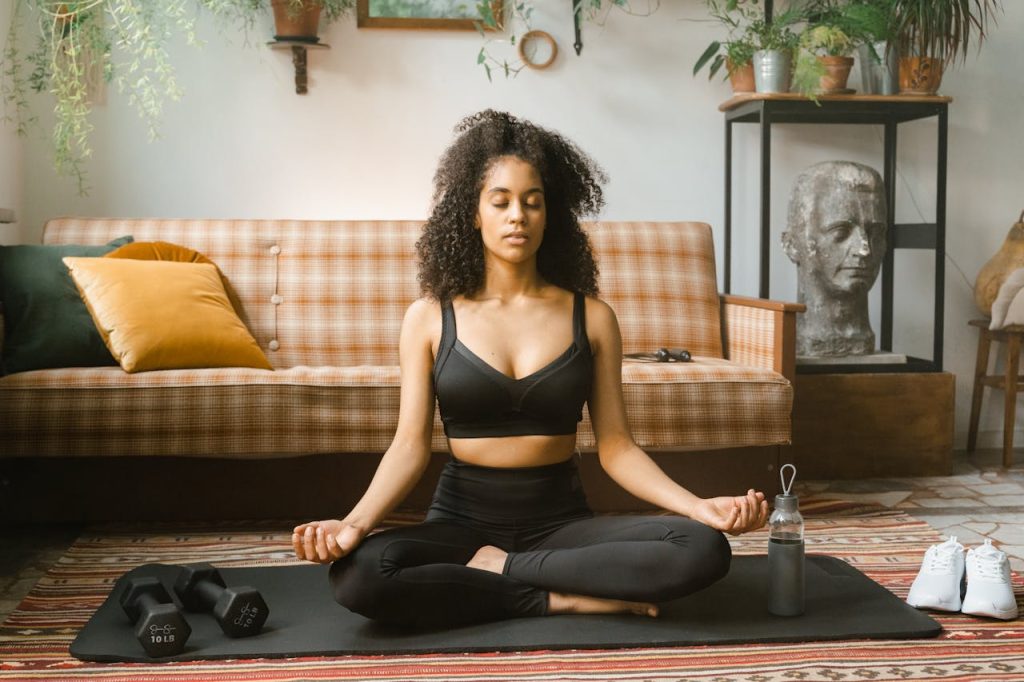
Learn how to get started with meditation with this beginner-friendly guide. Discover step-by-step techniques, tips for daily practice, and how mindfulness can improve your mental and emotional well-being.
Overview
This blog post is designed for beginners who are curious about meditation but unsure where to begin. By the end of this article, readers will learn:
- The fundamental principles of meditation and mindfulness
- Step-by-step techniques to start a meditation practice
- How to create a peaceful meditation space
- Tips for overcoming common challenges when meditating
- The benefits of consistent meditation on mental, emotional, and physical health
Whether you are completely new to mindfulness or looking to refine your practice, this guide will provide actionable advice to help you get started with meditation confidently.
How to Get Started with Meditation: A Complete Beginner’s Guide
Meditation is a powerful tool for managing stress, improving focus, and enhancing overall well-being. Yet, for many beginners, the process can feel overwhelming. Learning how to get started with meditation doesn’t have to be complicated. With the right guidance and practical steps, anyone can integrate mindfulness into their daily life.
Why Meditation Matters
Before diving into techniques, it’s important to understand why meditation is valuable. Meditation helps:
- Reduce stress and anxiety
- Increase focus and concentration
- Enhance emotional intelligence and self-awareness
- Promote better sleep and relaxation
- Support overall mental and physical health
Research shows that even a few minutes of daily meditation can create noticeable improvements in mental clarity and emotional stability. Learning how to get started with meditation sets the foundation for long-term benefits.
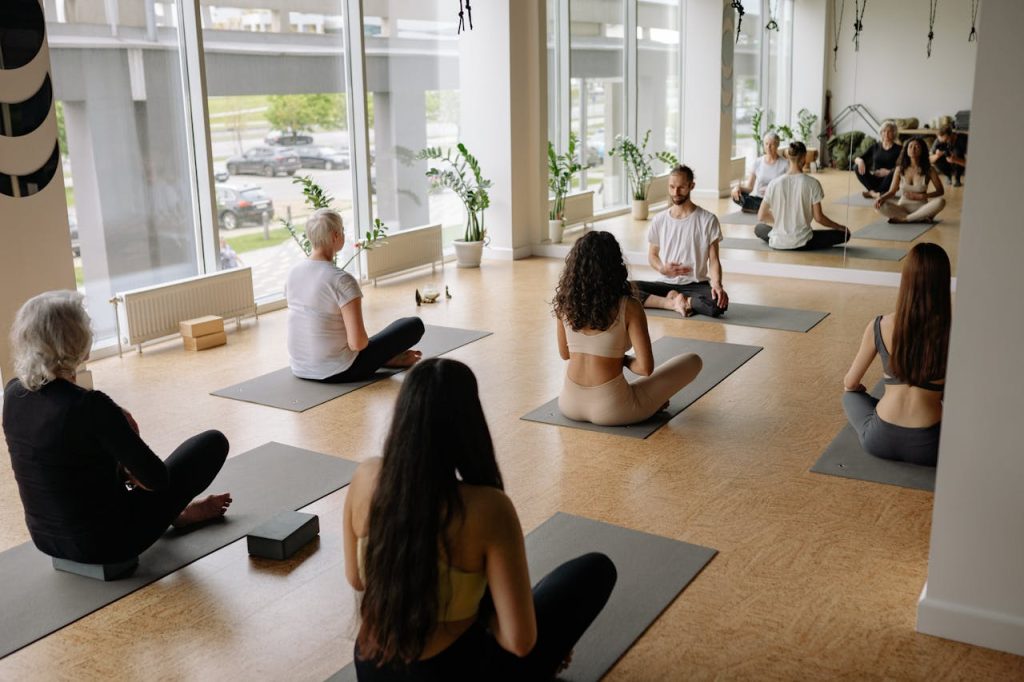
Understanding Meditation for Beginners
Meditation is essentially the practice of training your mind to focus and redirect thoughts. While it may sound simple, beginners often encounter common misconceptions, such as:
- You must completely clear your mind (you don’t).
- Meditation requires hours of practice (even 5–10 minutes is effective).
- You need a special setting or equipment (any quiet spot works)
The key is consistency, not perfection. Understanding this mindset is the first step in learning how to get started with meditation effectively.
Step-by-Step Guide on How to Get Started with Meditation
Here’s a practical roadmap to help beginners begin their meditation journey:
1. Choose a quiet space.
Select a comfortable, quiet environment where you won’t be disturbed. This could be:
- A cozy corner of your home
- A quiet garden or park
- Even a car parked in a safe spot
The goal is to minimize distractions so your mind can focus naturally.
2. Set a comfortable position.
You don’t have to sit cross-legged on the floor unless it’s comfortable. Options include:
- Sitting on a chair with feet flat on the ground
- Lying down on a yoga mat
- Using cushions for extra support
A comfortable position helps you maintain focus and reduces physical discomfort.
3. Start with Short Sessions
For beginners, starting small is key. Begin with 5–10 minutes daily and gradually increase to 20–30 minutes.
- Use a timer to avoid checking the clock.
- Focus on quality over duration
- Commit to consistency rather than long sessions
4. Focus on Your Breath
Breath-based meditation is the simplest technique for beginners.
- Inhale slowly through your nose.
- Exhale gently through your mouth.
- Pay attention to the rhythm of your breathing.
Whenever your mind wanders, gently bring your attention back to your breath. This is a normal part of meditation.
5. Use Guided Meditations
Guided meditation can be especially helpful for beginners. You can find:
- Audio sessions on meditation apps
- Video tutorials online
- Instructions from mindfulness platforms like Mindfulness Meditation Hub
Guided sessions provide structure and keep beginners motivated.
6. Establish a Routine
Creating a consistent practice is crucial. Tips for building a routine:
- Meditate at the same time each day (morning or evening)
- Pair meditation with another habit, like morning coffee
- Track your progress in a journal or app
A regular routine helps meditation become a natural part of your daily life.
Tips to Overcome Common Meditation Challenges
Even with guidance, beginners may face obstacles. Here’s how to handle them:
Challenge 1: Restless Mind
- Accept that distraction is normal.
- Refocus gently without judgment
- Try counting breaths to maintain concentration.
Challenge 2: Physical Discomfort
- Adjust your posture or use cushions.
- Take short breaks if needed.
- Focus on body relaxation techniques
Challenge 3: Lack of Motivation
- Set small, achievable goals
- Start with guided meditations for support
- Remind yourself of the benefits to stay motivated.
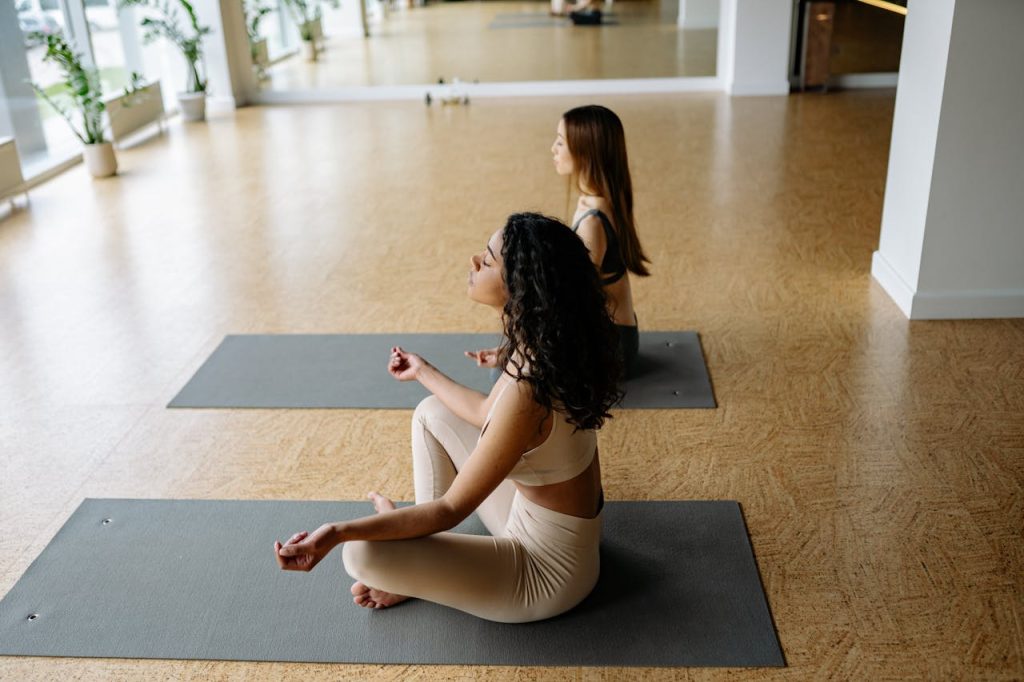
Creating a Peaceful Meditation Environment
A dedicated meditation space can improve your practice.
- Keep it clutter-free and quiet
- Use natural light or soft lighting
- Add calming elements like candles, incense, or plants
- Play gentle background music or nature sounds (optional)
Your meditation environment doesn’t need to be perfect—just peaceful and consistent.
Additional Techniques for Beginners
Besides breath-focused meditation, beginners can explore the following:
- Body Scan Meditation: Focus attention on different parts of your body, releasing tension gradually.
- Mindful Walking: Meditate while walking slowly, noticing each step.
- Mantra Meditation: Repeat a calming word or phrase to maintain focus.
- Gratitude Meditation: Focus on positive thoughts and things you’re thankful for
Exploring different techniques helps beginners find the method that resonates best with them.
The Benefits of a Regular Meditation Practice
Learning how to get started with meditation leads to tangible benefits, including:
- Reduced stress, anxiety, and negative thoughts
- Improved focus, memory, and mental clarity
- Enhanced emotional balance and resilience
- Better sleep quality and physical relaxation
- Greater self-awareness and mindfulness in everyday life
These benefits compound over time, making meditation a lifelong tool for well-being.
Final Thoughts on How to Get Started with Meditation
Starting meditation doesn’t have to be intimidating. By following these steps—choosing a quiet space, focusing on your breath, using guided sessions, and creating a routine—you can establish a practice that fits your lifestyle. Remember, consistency is more important than duration, and every moment you spend meditating contributes to your mental, emotional, and physical health.
At Mindfulness Meditation Hub, we guide beginners every step of the way. Explore our resources, guided meditations, and articles to deepen your practice and make mindfulness a natural part of your daily life.
FAQs for How to Get Started with Meditation
What is meditation and why is it important?
Meditation is the practice of focusing your mind and calming your thoughts. It helps reduce stress, improve focus, and enhance emotional balance.
How do I get started with meditation as a beginner?
Start by finding a quiet space, sitting comfortably, and focusing on your breath for 5–10 minutes daily. Gradually increase the duration as you feel more comfortable.
How long should I meditate each day?
For beginners, even 5–10 minutes per day can be effective. Over time, aim for 20–30 minutes for maximum benefits.
Do I need a special place to meditate?
No, you don’t need a special place. Any quiet, comfortable environment where you won’t be disturbed works perfectly.
Can I meditate lying down or do I need to sit?
You can meditate lying down, sitting on a chair, or cross-legged on the floor. Comfort is key to maintaining focus without distraction.
How can I stay focused during meditation?
Focus on your breath, use a mantra, or try guided meditations. Gently bring your attention back when your mind wanders—this is normal.
Are there different types of meditation for beginners?
Yes. Common types include breath meditation, guided meditation, body scan, mindful walking, and mantra meditation. Explore to find what works best for you.
What should I do if my mind keeps wandering?
A wandering mind is normal. Simply acknowledge your thoughts and gently return your focus to your breath or chosen meditation technique.
Can meditation help reduce stress and anxiety?
Absolutely. Meditation lowers stress hormones, helps regulate emotions, and improves mental clarity, making it an effective tool against stress and anxiety.
Should I use meditation apps or do it on my own?
Beginners often benefit from guided meditations via apps or online resources, which provide structure and make it easier to stay consistent.
How do I make meditation a daily habit?
Set a regular time, start with short sessions, pair it with an existing routine, and track your progress to make meditation a lasting habit.
Can meditation improve sleep?
Yes, meditation helps calm the mind, relax the body, and reduce racing thoughts, which often leads to better sleep quality.
Is it normal to feel restless or uncomfortable during meditation?
Yes, especially for beginners. Adjust your posture, use cushions, or shorten sessions if needed. Restlessness usually decreases with practice.
Can meditation benefit my overall health?
Meditation supports mental, emotional, and physical health by reducing stress, improving focus, and enhancing emotional resilience over time.
How quickly will I notice benefits from meditation?
Some benefits, like relaxation and mental clarity, can be felt immediately, but consistent practice over weeks or months leads to long-lasting positive changes.
Related Topics
- How to Practice Meditation: A Step-by-Step Guide for Beginners
- How Do I Start to Meditate? A Complete Beginner’s Guide
- What Do You Do When You Meditate? A Complete Guide
- How to Meditate Daily: A Simple Guide to Building a Lifelong
- Meditation Techniques for Anxiety | Calm Your Mind Naturally
- How to Meditate Effectively: A Step-by-Step Guide for Beginners
- Best Way to Meditate: A Complete Guide for Beginners and Experts
- Mind Success: Unlock Your Full Potential with Proven Techniques
- Stress Meditation: How Mindfulness Helps Reduce Stress
- What Do You Do When You Meditate? A Complete Guide
- Breathing Meditation Techniques for Beginners: A Complete Guide
- How to Meditate Daily: A Simple Guide to Building a Lifelong
- Grief Meditation: A Healing Practice for Emotional Recovery
- 5 Minute Meditation Scripts: Quick & Effective Guided Meditation
- Meditating at Home: Guide to Finding Peace and Balance
- Meditation and Sounds: Boost Mindfulness & Relaxation