
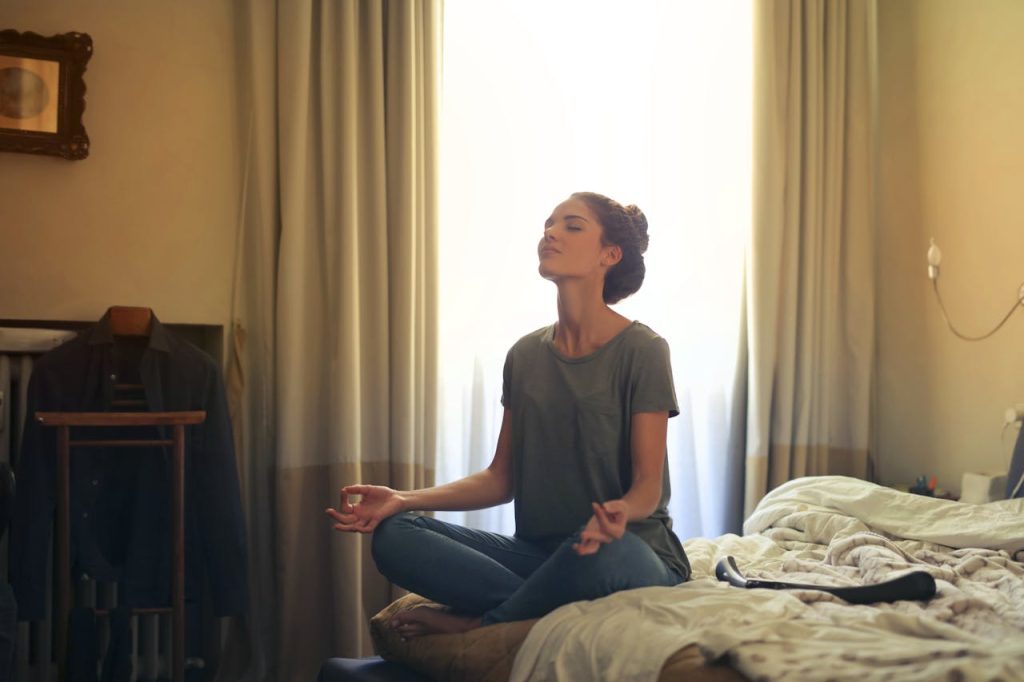
Learn how to meditate at home with simple, effective techniques for beginners. Discover the benefits of meditation, how to create a calming space, and tips to build a daily mindfulness routine for stress relief and inner peace.
Overview
Modern life can feel overwhelming. Between work, school, social obligations, and constant screen time, many people struggle to slow down and reconnect with themselves. That’s why more individuals are searching for ways to improve mental clarity, reduce stress, and create emotional balance. One of the most effective ways to achieve this is learning how to meditate at home.
Meditation is no longer reserved for spiritual retreats or yoga studios. Today, millions of people practice meditation from the comfort of their homes to improve focus, reduce anxiety, and support overall well-being. The best part? You don’t need expensive equipment or years of experience to get started.
At Mindfulness Meditation Hub, we help individuals develop mindfulness habits that create lasting inner peace and emotional wellness. Whether you are a complete beginner or someone looking to deepen your practice, this guide will show you exactly how to meditate at home effectively.
What Is Meditation?
Meditation is a mental practice that trains your attention and awareness. It involves focusing your mind to achieve a calm, emotionally balanced, and mentally clear state.
Contrary to popular belief, meditation is not about completely stopping your thoughts. Instead, it teaches you to observe your thoughts without judgment and gently return your focus to the present moment.
People practice meditation for many reasons, including:
- Stress reduction
- Better sleep
- Improved concentration
- Emotional healing
- Anxiety management
- Increased self-awareness
- Spiritual growth
Learning how to meditate at home allows you to access these benefits whenever you need them most.
Why Meditate at Home?
Many people assume they need a professional teacher or meditation studio to begin. However, practicing at home offers several advantages.
Convenience and Flexibility
Meditating at home allows you to practice anytime that fits your schedule. Whether it’s early morning, during lunch, or before bed, you have full control over your routine.
Comfort and Privacy
Home provides a familiar environment where you can relax without feeling self-conscious or distracted by others.
Builds Daily Habits
When you learn how to meditate at home, it becomes easier to turn mindfulness into a consistent lifestyle habit rather than an occasional activity.
Cost-Effective Wellness
You don’t need expensive memberships or classes. A quiet corner and a few minutes each day are enough to begin.
How to Create the Perfect Meditation Space at Home
Creating a calming environment can improve your meditation experience significantly.
Choose a Quiet Area
Find a space with minimal distractions. This could be:
- A bedroom corner
- A small office area
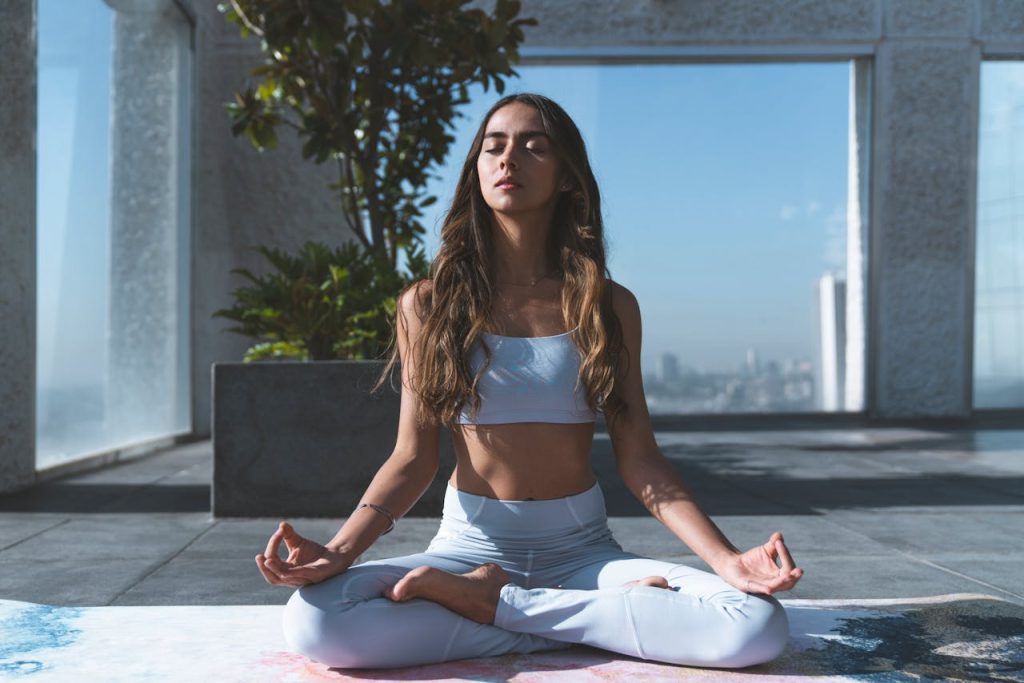
- A balcony
- A peaceful spot in your living room
The goal is to choose a place where you feel safe and relaxed.
Keep the Space Clean and Simple
A clutter-free environment helps calm the mind. Avoid overcrowding the area with unnecessary items.
You may include:
- A meditation cushion
- A yoga mat
- Candles
- Soft lighting
- Plants
- Relaxing scents
Reduce Noise and Distractions
Silence your phone notifications and let family members know you need uninterrupted time.
Creating a dedicated meditation space makes learning how to meditate at home much easier and more enjoyable.
Step-by-Step Guide on How to Meditate at Home
If you’re new to meditation, follow these simple steps.
Step 1: Find a Comfortable Position
You can sit.
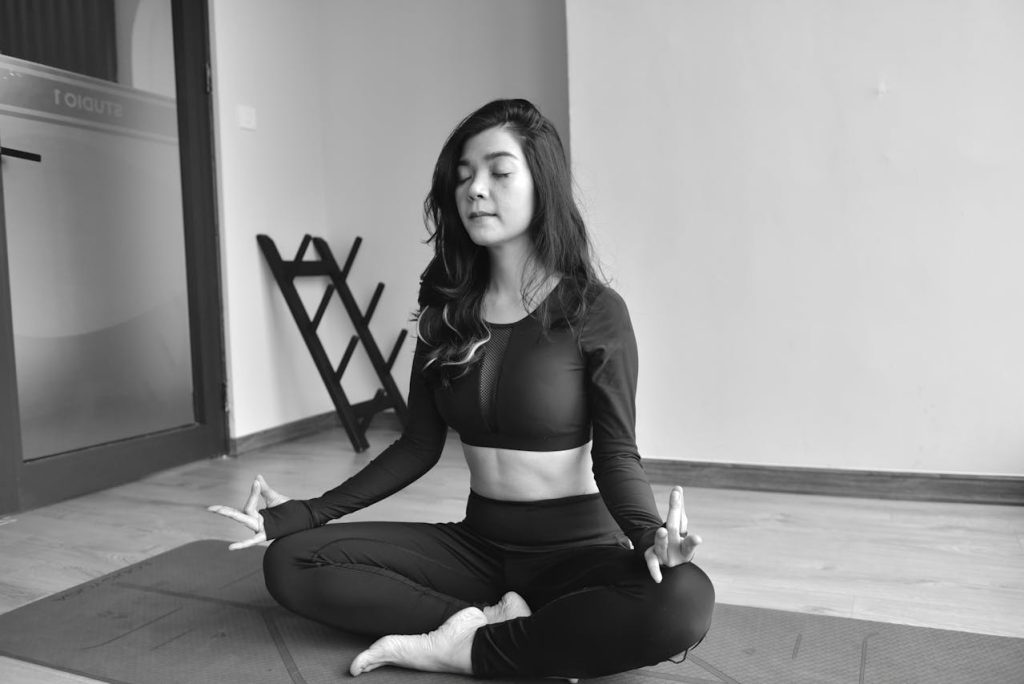
- Cross-legged on the floor
- On a meditation cushion
- In a chair with your feet flat
Keep your back straight but relaxed.
Step 2: Close Your Eyes and Relax
Take a few deep breaths and allow your body to settle naturally.
Focus on relaxing:
- Your shoulders
- Jaw
- Neck
- Hands
Step 3: Focus on Your Breath
Pay attention to your breathing pattern.
Notice:
- The inhale
- The exhale
- The rise and fall of your chest
Whenever your mind wanders, gently return your focus to your breath.
Step 4: Start Small
Beginners should start with:
- 5 minutes daily
- Then gradually increase to 10–20 minutes
Consistency matters more than duration.
Step 5: End Slowly
Before opening your eyes:
- Take a deep breath.
- Notice how your body feels
- Slowly return your awareness to the room
This simple routine is one of the easiest ways to learn how to meditate at home successfully.
Best Meditation Techniques for Beginners
There are many styles of meditation. Experimenting can help you discover what works best for you.
Mindfulness Meditation
This practice focuses on observing thoughts and feelings without judgment.
Benefits:
Mindfulness meditation is one of the most popular methods for people learning how to meditate at home.
Guided Meditation
In guided meditation, an instructor leads you through the session using audio or video instructions.
This is ideal for beginners who need structure and support.
At Mindfulness Meditation Hub, we provide mindfulness resources and meditation guidance to support your journey.
Breathing Meditation
This technique focuses entirely on breathing patterns.
It helps:
Loving-Kindness Meditation
This meditation encourages compassion toward yourself and others.
You silently repeat positive phrases such as the following:
- “May I be happy.”
- “May I be healthy.”
- “May others feel peace.”
Body Scan Meditation
This involves slowly focusing attention on different parts of the body.
It helps release:
Trying different approaches can make learning how to meditate at home more engaging and effective.
Common Challenges Beginners Face
Meditation is simple, but it’s not always easy in the beginning.
“My Mind Won’t Stop Thinking”
This is completely normal. Meditation is not about eliminating thoughts — it’s about learning not to become controlled by them.
“I Don’t Have Enough Time”
Even 5 minutes daily can make a difference. Short sessions are still valuable.
“I Can’t Sit Still”
Try walking meditation or shorter practices until your body adjusts.
“I’m Not Doing It Right”
There is no perfect meditation session. The act of showing up consistently is already success.
Understanding these challenges can help you stay motivated while learning how to meditate at home.
Benefits of Daily Meditation
Meditation offers both mental and physical health benefits when practiced regularly.
Mental and Emotional Benefits
- Reduced stress
- Lower anxiety levels
- Improved emotional control
- Better concentration
- Enhanced self-awareness
Physical Benefits
- Improved sleep quality
- Lower blood pressure
- Reduced tension
- Increased energy
Lifestyle Benefits
- Greater patience
- Better relationships
- More mindful decision-making
- Increased positivity
As more people discover how to meditate at home, they begin experiencing these life-changing benefits firsthand.
Tips to Build a Consistent Meditation Routine
Consistency is the key to long-term results.
Start With Small Goals
Don’t pressure yourself to meditate for long periods immediately.
Start with:
- 5 minutes
- Same time daily
- Simple breathing exercises
Create a Schedule
Meditating at the same time each day helps build a habit.
Best times include:
- Morning
- Before bed
- During lunch breaks
Use Gentle Reminders
Set phone reminders or place meditation cushions in visible areas.
Be Patient With Yourself
Meditation is a skill that develops over time. Some days will feel easier than others.
The important thing is continuing your practice and remembering why you wanted to learn how to meditate at home in the first place.
How Mindfulness Improves Everyday Life
Mindfulness is not limited to formal meditation sessions. It can transform daily activities as well.
You can practice mindfulness while:
- Eating
- Walking
- Working
- Listening to others
- Exercising
Being fully present helps reduce mental overwhelm and increases appreciation for everyday moments.
At Mindfulness Meditation Hub, we believe mindfulness should become part of daily living, not just a temporary wellness trend.
Final Thoughts
Learning how to meditate at home is one of the most valuable investments you can make in your mental, emotional, and physical well-being. Meditation does not require perfection, expensive tools, or advanced experience. It simply requires willingness, patience, and consistency.
By creating a peaceful space, practicing regularly, and exploring different techniques, you can develop a mindfulness routine that supports a calmer and more balanced life.
Whether your goal is stress relief, emotional healing, better focus, or inner peace, meditation offers a powerful path toward personal transformation.
At Mindfulness Meditation Hub, we are dedicated to helping individuals discover the benefits of mindfulness and meditation through accessible guidance, supportive resources, and practical techniques for everyday life.
FAQs for How to Meditate at Home
What is the best way to start meditating at home?
The best way to start is by choosing a quiet space, sitting comfortably, and focusing on your breathing for 5–10 minutes daily. Beginners should keep meditation simple and consistent.
How long should beginners meditate at home?
Beginners can start with just 5 minutes per day and gradually increase their meditation sessions to 15–20 minutes as they become more comfortable.
Do I need special equipment to meditate at home?
No, you do not need expensive equipment. A quiet space, comfortable seating, and a calm environment are enough to begin meditation at home.
What is the best time to meditate at home?
Many people prefer meditating early in the morning because the mind is calmer, but you can meditate anytime that fits your schedule, including before bedtime.
Can meditation help reduce stress and anxiety?
Yes, meditation is widely known for reducing stress, calming anxious thoughts, and improving emotional balance through mindfulness and breathing techniques.
Is it normal for my mind to wander during meditation?
Absolutely. Mind wandering is normal during meditation. The goal is to gently bring your attention back to your breath or focus point without judgment.
How can I create a peaceful meditation space at home?
Choose a quiet, clutter-free area with comfortable seating, soft lighting, calming scents, or relaxing décor that helps you feel peaceful and focused.
What are the benefits of learning how to meditate at home?
Learning how to meditate at home can improve focus, reduce stress, enhance emotional well-being, improve sleep quality, and support overall mental clarity.
Can I meditate lying down?
Yes, you can meditate lying down, especially during relaxation or body scan meditation. However, sitting upright may help you stay more alert and focused.
What type of meditation is best for beginners?
Guided meditation and mindfulness meditation are excellent choices for beginners because they provide structure and help develop concentration skills.
How often should I meditate at home?
Daily meditation is ideal, even if it is only for a few minutes. Consistency is more important than the length of each session.
Can meditation improve sleep quality?
Yes, meditation can calm the nervous system, reduce racing thoughts, and help the body relax, leading to better sleep and improved restfulness.
Is meditation connected to religion?
Meditation can be spiritual for some people, but it is not necessarily religious. Many individuals practice meditation simply for mental health, relaxation, and mindfulness.
14How long does it take to see results from meditation?
Some people notice benefits such as relaxation and reduced stress within a few days, while deeper emotional and mental improvements may develop over weeks of regular practice.
Where can I learn more about mindfulness and meditation?
You can explore meditation guides, mindfulness techniques, and wellness resources at Mindfulness Meditation Hub to continue building your meditation practice.
Related Topics
- How to Practice Meditation: A Step-by-Step Guide for Beginners
- How Do I Start to Meditate? A Complete Beginner’s Guide
- What Do You Do When You Meditate? A Complete Guide
- How to Meditate Daily: A Simple Guide to Building a Lifelong
- Meditation Techniques for Anxiety | Calm Your Mind Naturally
- How to Meditate Effectively: A Step-by-Step Guide for Beginners
- Best Way to Meditate: A Complete Guide for Beginners and Experts
- Mind Success: Unlock Your Full Potential with Proven Techniques
- Stress Meditation: How Mindfulness Helps Reduce Stress
- What Do You Do When You Meditate? A Complete Guide
- Breathing Meditation Techniques for Beginners: A Complete Guide
- How to Meditate Daily: A Simple Guide to Building a Lifelong
- Grief Meditation: A Healing Practice for Emotional Recovery
- 5 Minute Meditation Scripts: Quick & Effective Guided Meditation
- Meditating at Home: Guide to Finding Peace and Balance
- Meditation and Sounds: Boost Mindfulness & Relaxation