
Discover how to meditate correctly with this comprehensive guide from Mindfulness Meditation Hub. Discover expert tips, techniques, and common mistakes to avoid for peaceful and transformative meditation practice.
Blog Overview:
In this comprehensive blog post, readers will learn how to meditate effectively, whether they’re just starting or seeking to deepen their practice. This guide explains the fundamentals of posture, breathing, mindset, and environment, as well as offers advanced tips and guidance on common mistakes to avoid. By the end, readers will feel more confident in their ability to start or refine a meditation practice that fits their lifestyle and goals.
How to Meditate Correctly: A Complete Guide for Beginners and Experts
Meditation is a simple yet powerful practice that can transform your life. However, like any skill, it’s essential to learn how to meditate correctly to reap the maximum benefits. At Mindfulness Meditation Hub, we provide guided support and resources to help you establish a fulfilling and effective meditation routine.
Whether you’re new to meditation or returning after a break, this guide will walk you through everything you need to know about meditating correctly—step by step.
Why Correct Meditation Matters
Meditation is not just about sitting quietly. When done with awareness, it:
- Reduces stress and anxiety
- Enhances focus and clarity
- Promotes emotional well-being
- Boosts self-awareness and compassion
However, poor technique or misunderstanding of the process can lead to frustration or abandonment of the practice. Learning how to meditate correctly ensures you get the full benefit and remain consistent.
Step-by-Step Instructions on How to Meditate Correctly
1. Choose a Quiet, Comfortable Space
Select a spot where you won’t be disturbed. It doesn’t have to be fancy—just quiet, clean, and free from distractions. Over time, meditating in the same space can help you automatically enter a state of relaxation.
Pro Tip: Turn off notifications, dim the lights, and keep your phone out of reach unless you’re using a guided meditation.
2. Find a Comfortable Seated Position
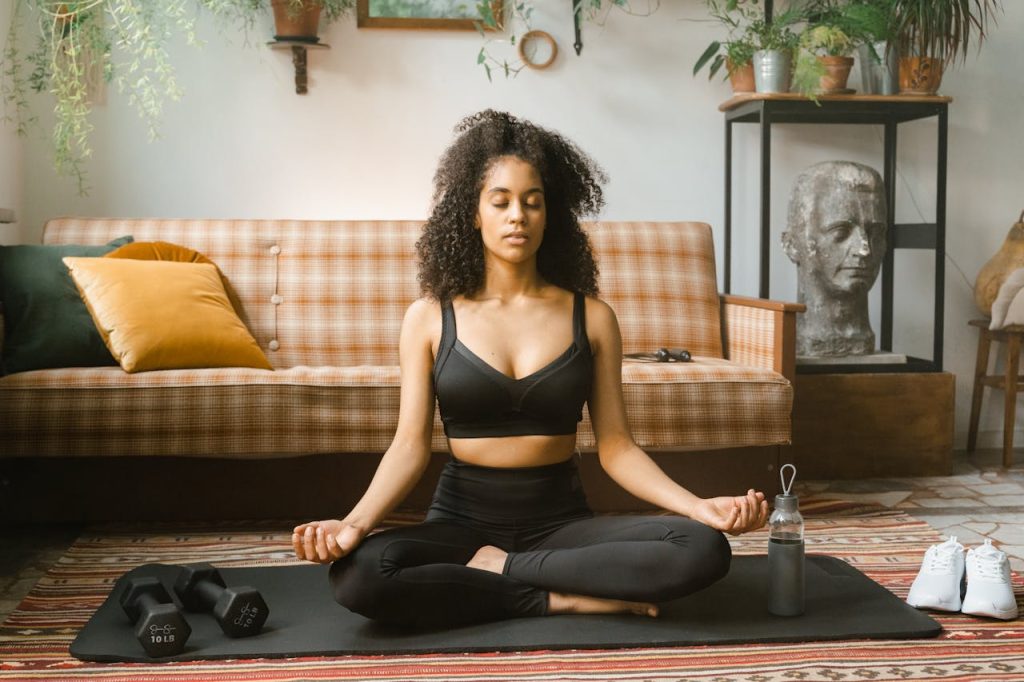
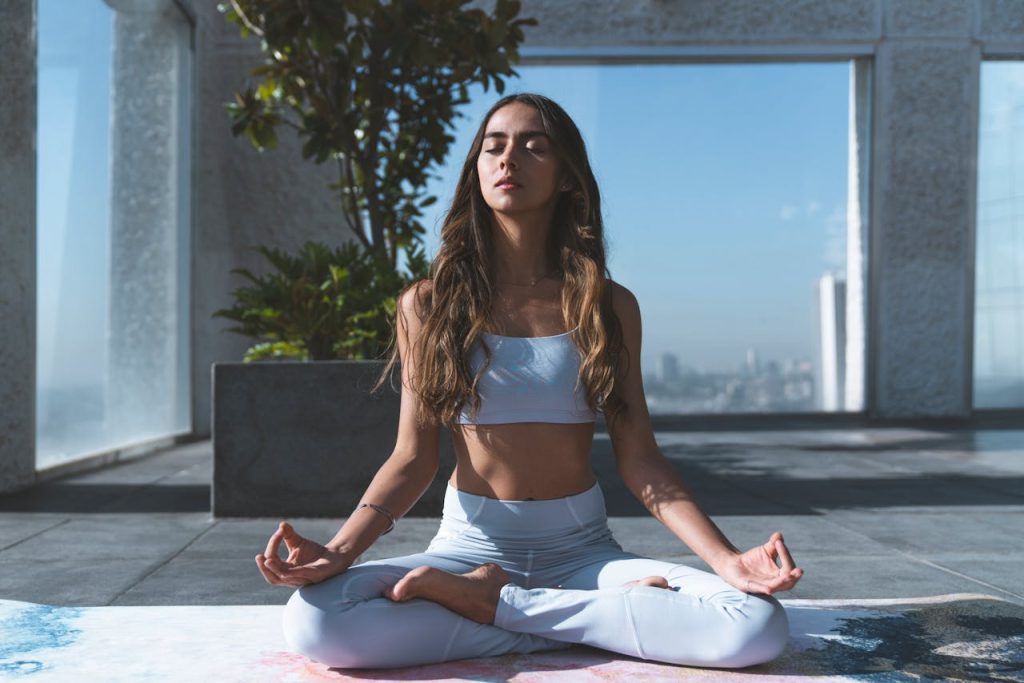
Good posture is essential in learning how to meditate correctly. Sit on a cushion, chair, or meditation bench with your spine straight but not rigid. Your shoulders should be relaxed, and your hands can rest on your lap or knees.
Options for posture:
- Cross-legged (on a cushion or floor)
- Kneeling (on a meditation bench)
- Sitting upright in a chair with feet flat on the floor
Avoid slouching or lying down unless you are doing a body scan or sleep meditation.
3. Close Your Eyes or Soften Your Gaze
Closing your eyes can reduce external stimuli and allow you to turn inward. If that’s uncomfortable, try a soft gaze focused on the floor a few feet in front of you.
4. Focus on Your Breath
Your breath is your anchor. Observe its natural rhythm—don’t try to control it. Focus on the sensation of air entering your nostrils or the rise and fall of your belly.
To meditate correctly, gently bring your attention back to your breath whenever your mind wanders.
This is normal. Everyone’s mind wanders during meditation—even long-time practitioners.
How to Handle Thoughts While Meditating
One of the biggest misconceptions is that meditation requires “emptying the mind.” Instead, you’ll learn to notice your thoughts without getting attached to them.
Here’s how to handle them:
- Label and let go: “Thinking,” then return to your breath.
- Practice non-judgment: Don’t criticize yourself for drifting.
- Stay curious: Ask, “Where did my attention go?” and gently bring it back.
By developing this awareness, you’re training your brain to respond instead of react—this is key to learning how to meditate correctly.
How Long Should You Meditate?
For Beginners
Start with 5–10 minutes a day. The goal is consistency, not duration.
For Intermediate & Advanced
Gradually work your way up to 20–30 minutes daily. Some practitioners meditate for an hour or more, but this isn’t necessary to get results.
Even short daily sessions can yield powerful benefits over time.
Common Mistakes to Avoid When Learning How to Meditate Correctly
Expecting Instant Results
Meditation is a long-term practice. Don’t expect to feel peaceful right away. Be patient and compassionate with yourself.
Forcing Stillness or Silence
Meditation isn’t about “forcing” your mind to be still. It’s about observing what arises without judgment.
Inconsistent Practice
Consistency beats intensity. It’s better to meditate 5 minutes daily than 30 minutes once a week.
Guided vs. Unguided Meditation—Which is Right for You?
At Mindfulness Meditation Hub, we recommend starting with guided meditations to learn the correct technique for meditation. A guide can help you stay focused, especially when your mind is busy.
Benefits of Guided Meditation:
- Offers structure and support
- Introduces various techniques (e.g., body scans, loving-kindness)
- Ideal for beginners
As you gain experience, you might transition to silent or unguided meditation for deeper practice.
Explore our free guided meditations on YouTube.
Meditation Techniques You Can Try Today
Here are some beginner-friendly methods for learning how to meditate correctly:
- Mindfulness Meditation: Focus on breath, bodily sensations, or sounds.
- Loving-Kindness Meditation (Metta): Cultivate compassion by sending well wishes to yourself and others.
- Body Scan: Bring awareness to different parts of the body to release tension.
- Mantra Meditation: Silently repeat a word or phrase (like “peace” or “I am calm”).
You can explore all of these through the resources on Mindfulness Meditation Hub.

How to Build a Consistent Meditation Habit
Start Small
Begin with just 2–5 minutes if that feels manageable. You can always increase your time as you go.
Set a Routine
Meditate at the same time every day—morning is ideal, but any time that works for you is fine.
Use a Timer or App
Apps like Insight Timer or Headspace can be helpful. Or use our free online timer and resources at Mindfulness Meditation Hub.
Track Your Progress
Use a journal or habit tracker. Reflecting on your practice helps keep you motivated.
Final Thoughts on How to Meditate Correctly
Learning how to meditate correctly is a journey, not a destination. There’s no “perfect” way to meditate—just the one that works best for you. With patience, curiosity, and consistency, anyone can build a meaningful meditation practice.
At Mindfulness Meditation Hub, we’re here to guide you every step of the way. Whether through our blog, video meditations, or downloadable resources, we help you create the inner calm you’re seeking.
Related Topics
- How to Practice Meditation: A Step-by-Step Guide for Beginners
- Meditation Techniques for Anxiety | Calm Your Mind Naturally
- Mind Success: Unlock Your Full Potential with Proven Techniques
- Stress Meditation: How Mindfulness Helps Reduce Stress
- What Do You Do When You Meditate? A Complete Guide
- Breathing Meditation Techniques for Beginners: A Complete Guide
- How to Meditate Daily: A Simple Guide to Building a Lifelong
- Grief Meditation: A Healing Practice for Emotional Recovery
- 5 Minute Meditation Scripts: Quick & Effective Guided Meditation
- Meditating at Home: Guide to Finding Peace and Balance
- Meditation and Sounds: Boost Mindfulness & Relaxation
Frequently Asked Questions About How to Meditate Correctly
Q: What is meditation, and how does it work?
A: Meditation is a practice where an individual uses a technique — such as mindfulness, concentration, or focus on the breath — to train the mind and achieve a mentally clear and emotionally calm state.
Q: How long should I meditate each day to see benefits?
A: It’s recommended to start with 5–10 minutes daily, gradually increasing the duration as you become more comfortable. Consistency is key.
Q: What is the best time of day to meditate?
A: The best time to meditate is when you can be consistent. Many prefer morning meditation to start the day with clarity, but you can practice at any time that fits your schedule.
Q: Can I meditate while lying down?
A: Yes, you can meditate while lying down, though it’s recommended to sit in a comfortable position to avoid falling asleep. If you do lie down, focus on deep breathing and mindfulness.
Q: What is the difference between mindfulness meditation and concentration meditation?
A: Mindfulness meditation involves observing thoughts and feelings without attachment, while concentration meditation focuses on a single object, sound, or thought to cultivate focus. Concentration Meditation vs. Mindfulness Meditation.
Q: How do I deal with a wandering mind during meditation?
A: It’s natural for your mind to wander. Gently bring your attention back to your breath, mantra, or focus point each time without judgment. Patience is key.
Q: Do I need a specific place to meditate?
A: You don’t need a specific place, but it helps to choose a quiet, comfortable space where you can sit undisturbed. This allows you to relax and focus better.
Q: Is it normal to feel restless during meditation?
A: Yes, feeling restless is common, especially when you’re new to meditation. Over time, your mind will learn to settle. Be gentle with yourself and continue practising.
Q: What should I do if I fall asleep during meditation?
A: If you tend to fall asleep during meditation, try sitting in a more upright position. Alternatively, practice meditation earlier in the day or try a more active form of meditation.
Q: How can I improve my meditation practice?
A: Consistency, patience, and mindfulness are key to improvement. Gradually increase your meditation time, experiment with different techniques, and focus on being present.
Q: What is guided meditation, and is it helpful?
A: Guided meditation involves listening to a teacher or audio that leads you through the process. It can be helpful, especially for beginners, as it provides structure and guidance.
Q: Can meditation help reduce anxiety and stress?
A: Yes, meditation can help reduce stress and anxiety by calming the mind, improving focus, and allowing you to develop better emotional regulation.
Q: Should I meditate with or without music?
A: It’s up to you! Some people find calming music helpful for relaxation, while others prefer silence. Experiment with both to see what works best for you.
Q: Can I meditate if I have a busy mind?
A: Absolutely! In fact, meditation is a great way to calm a busy mind. Start with short sessions and focus on your breath or a mantra to help quiet the mind.
Q: How do I know if I am meditating correctly?
A: There’s no “perfect” way to meditate. If you’re sitting comfortably, focusing on your breath, and returning your attention when your mind wanders, you are meditating correctly.
Q: Is meditation the same as mindfulness?
A: While closely related, meditation is a formal practice, whereas mindfulness refers to the state of being present in everyday life. Meditation helps cultivate mindfulness.
Q: Can meditation improve sleep quality?
A: Yes, meditation can help improve sleep by relaxing the body and mind, reducing stress, and promoting a sense of peace, making it easier to fall asleep.
Q: How can I meditate for better focus and concentration?
A: Try concentration meditation, where you focus on a single object or breath. This can help train your mind to stay focused and improve your concentration over time.