
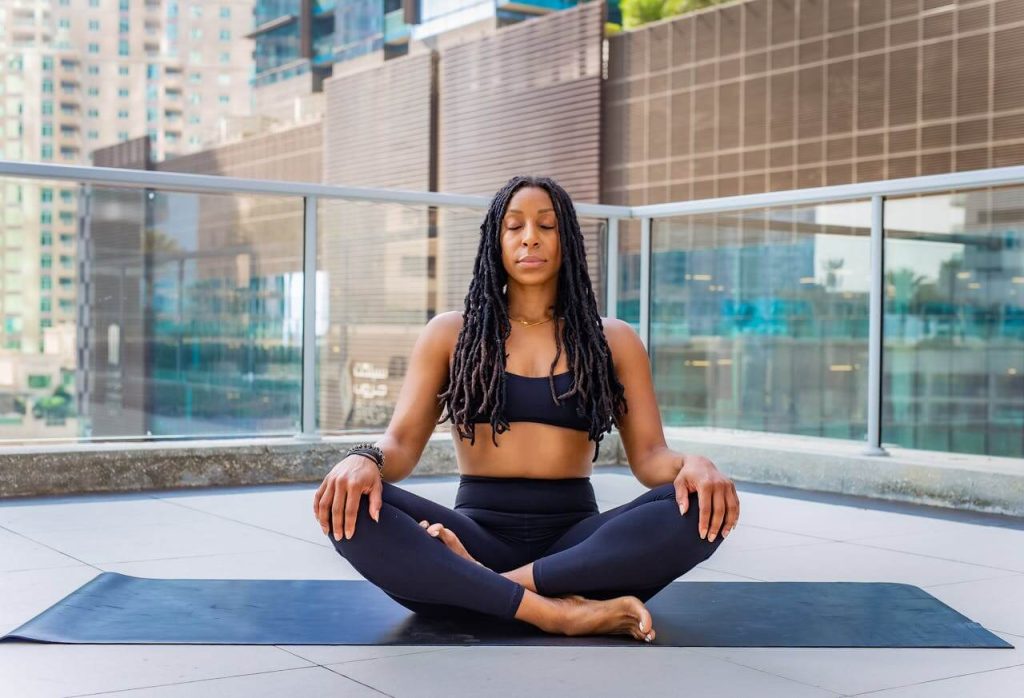
Learn how to meditate in the morning with this complete guide. Discover practical tips, techniques, and routines to start your day with mindfulness and calm energy.
Overview
Starting your day with meditation can transform your mindset, improve focus, and increase your overall well-being. In this blog post, you’ll learn how to meditate in the morning effectively, even if you’re a complete beginner. We’ll cover step-by-step guidance, practical tips for creating a morning routine, and the benefits of morning meditation. By the end, you’ll have a clear plan to begin each day with clarity, calm, and intention.
Why Morning Meditation is Powerful
Morning meditation is not just a trendy habit—it’s a tool for lasting mental and emotional wellness. Here’s why:
- Sets a positive tone for the day: Starting your day with calm energy helps you approach challenges with focus.
- Boosts mental clarity: Morning meditation primes your mind for creativity and problem-solving.
- Reduces stress: Incorporating mindfulness first thing helps prevent stress buildup throughout the day.
- Supports consistency: Morning routines are easier to stick to because fewer distractions exist compared to evenings.
By learning how to meditate in the morning, you’re setting yourself up for both short-term calm and long-term benefits like improved focus, productivity, and emotional balance.
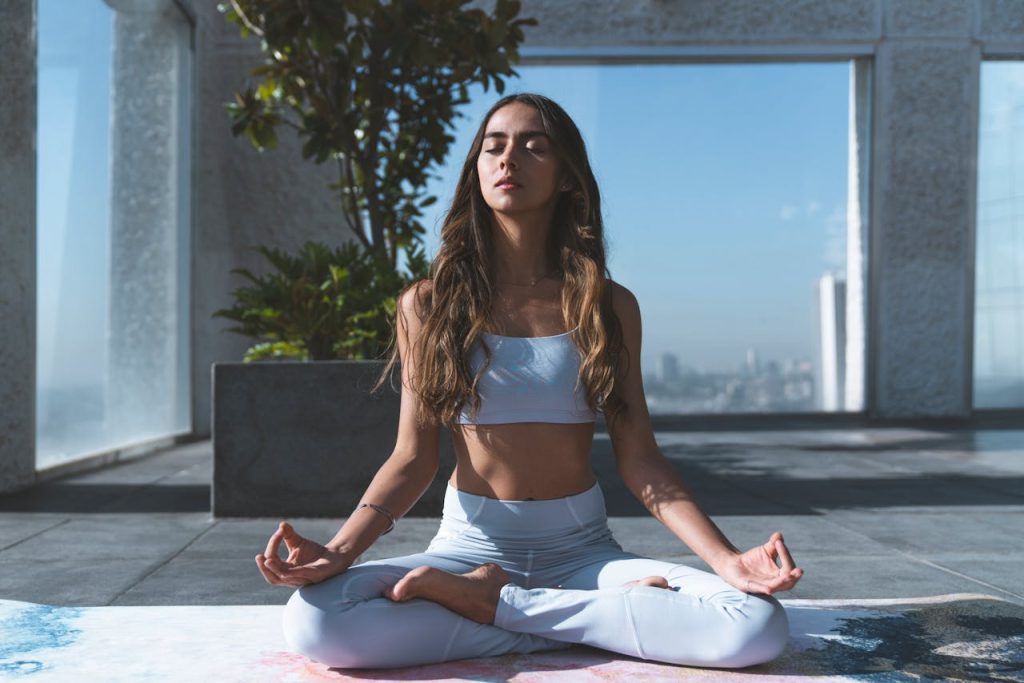
Step 1: Prepare Your Space
Your environment plays a crucial role in successful morning meditation.
- Choose a quiet spot: Pick a place with minimal distractions. This could be a corner of your bedroom, living room, or even a balcony.
- Add comfort items: Use a cushion, mat, or chair to sit comfortably. Comfort allows longer, focused meditation sessions.
- Set the mood: Consider soft lighting, natural sunlight, or gentle background music. Some prefer complete silence.
- Limit interruptions: Inform family members or roommates, silence your phone, and remove unnecessary clutter.
Creating a designated meditation space makes your practice more inviting and easier to maintain consistently.
Step 2: Decide on a Meditation Style
There are many ways to meditate, and the best approach depends on your goals and preferences. Popular morning meditation styles include:
- Mindfulness meditation: Focus on your breath, bodily sensations, and present-moment awareness.
- Guided meditation: Listen to a recorded session that leads you through visualization or body scans.
- Loving-kindness meditation: Cultivate feelings of compassion for yourself and others.
- Mantra meditation: Repeat a positive phrase or sound to anchor your mind.
- Walking meditation: Take a slow, mindful walk outdoors while focusing on each step and breath.
Experiment with different techniques until you find one that feels natural for you. The key is consistency rather than perfection.
Step 3: Set a Realistic Time
When learning how to meditate in the morning, timing matters:
- Start small: Even 5–10 minutes is enough for beginners.
- Increase gradually: As you become comfortable, extend your practice to 20–30 minutes.
- Stick to a routine: Meditating at the same time every morning trains your mind to expect and enjoy the practice.
Pro tip: Place your meditation session immediately after waking up or after a simple morning routine like brushing your teeth. This builds a seamless habit.
Step 4: Focus on Your Breath
Breathing is the foundation of most meditation practices.
- Sit comfortably: Keep your back straight, shoulders relaxed.
- Close your eyes gently: Helps minimize distractions.
- Notice your breath: Observe inhaling and exhaling naturally.
- Count your breaths (optional): Count each inhale and exhale up to 10, then start over.
- Return gently if distracted: Thoughts will arise. Notice them without judgment and refocus on your breath.
Focusing on the breath anchors your mind and creates a calm, centered start to the day.
Step 5: Use a Guided Meditation (Optional)
If you’re new to meditation, guided sessions can make mornings easier. Benefits include:
- Clear structure and timing for beginners.
- Expert guidance for correct technique.
- Varied meditation options (stress relief, gratitude, focus, energy).
At Mindfulness Meditation Hub, we offer hundreds of free guided meditations specifically for morning routines, helping you develop a consistent and enjoyable practice.
Step 6: Incorporate Intention Setting
Morning meditation is not just about relaxation—it’s also an opportunity to set intentions:
- Choose a daily focus: Examples: patience, gratitude, productivity, or mindfulness.
- Visualize your day: Imagine handling tasks and interactions with calm and clarity.
- Affirm positive statements: Use short affirmations like “I am focused,” or “I approach today with calm energy.”
Setting intentions aligns your subconscious mind with your desired mindset, helping your day flow smoothly.
Step 7: Keep Your Practice Consistent
Consistency is key to reaping the benefits of morning meditation:
- Track your sessions: Use a journal or app to log practice and reflect on experiences.
- Reward yourself: After meditating, enjoy a cup of tea, shower, or gentle stretching.
- Be patient: Initial sessions may feel challenging. Over time, meditation becomes easier and more enjoyable.
- Avoid perfectionism: Even 5 minutes counts—every session strengthens your practice.
Common Challenges and How to Overcome Them
Even seasoned meditators face obstacles. Here’s how to handle them:
| Challenge | Solution |
|---|---|
| Feeling sleepy | Try drinking a glass of water first or meditate in natural light. |
| Wandering thoughts | Gently bring attention back to breath; distractions are normal. |
| Not enough time | Meditate for 3–5 minutes to start; quality is better than quantity. |
| Lack of motivation | Link meditation to an enjoyable morning habit, like tea or journaling. |
By understanding challenges and solutions, you can maintain a long-term morning meditation habit.
Benefits of Meditating in the Morning
When you learn how to meditate in the morning and practice consistently, the benefits are significant:
- Improved focus and productivity: Start the day with mental clarity.
- Enhanced emotional regulation: Reduce stress, anxiety, and irritability.
- Better decision-making: Calmness allows thoughtful responses rather than reactive behaviors.
- Health improvements: Lower blood pressure, improved sleep quality, and enhanced immune function.
- Greater mindfulness throughout the day: Daily meditation strengthens overall awareness and presence.
Tips for Making Morning Meditation a Habit
- Prepare the night before: Set out meditation cushion or clothes to avoid delays.
- Wake up slightly earlier: Even 10–15 minutes of quiet practice can be life-changing.
- Use reminders: Set phone alarms or sticky notes as gentle prompts.
- Join a community: Meditating with others increases accountability and motivation.
- Celebrate small wins: Appreciate your commitment to starting each day with calm.
Final Thought
Learning how to meditate in the morning is a powerful step toward transforming your life. By creating a comfortable space, selecting the right meditation style, focusing on your breath, and setting intentions, you can start each day with clarity, calm, and purpose.
Consistency is essential—start small, track your progress, and enjoy the journey. With regular morning meditation, you’ll notice enhanced focus, emotional stability, and a more mindful approach to life.
At Mindfulness Meditation Hub, we provide guided sessions, resources, and support to help you build this life-changing habit. Begin your morning meditation today and embrace each day with intention, calm, and positivity.
FAQs for How to Meditate in the Morning
What is the best time to meditate in the morning?
The best time is usually right after waking up, before starting daily tasks, when your mind is fresh and distractions are minimal.
How long should a morning meditation session be?
Beginners can start with 5–10 minutes, gradually increasing to 20–30 minutes as comfort and focus improve.
Do I need a quiet space for morning meditation?
Yes, a quiet environment helps reduce distractions, but even a small, consistent space like a corner of your room works well.
Can I meditate on an empty stomach?
Yes, meditating on an empty stomach can help you feel light and focused. However, a light snack is fine if needed.
Should I sit or lie down for morning meditation?
Sitting upright is recommended for better alertness, though lying down is acceptable if sitting is uncomfortable.
What is the easiest meditation technique for beginners?
Mindfulness meditation, focusing on your breath or a guided meditation, is usually the simplest starting point.
Can morning meditation help reduce stress?
Absolutely. Daily morning meditation lowers cortisol levels, promotes calmness, and enhances emotional stability.
How can I stay consistent with morning meditation?
Set a fixed time, prepare your space the night before, start small, and track progress to build a consistent habit.
Do I need any special equipment for meditation?
No equipment is required. A cushion, chair, or mat is optional for comfort. Some may use timers or guided apps.
Can I meditate if I wake up late?
Yes, even a 5-minute session at any point in the morning is beneficial and better than skipping entirely.
Is guided meditation better than silent meditation?
Both are effective. Beginners often find guided meditation helpful for structure, while silent meditation builds self-awareness over time.
How soon will I see benefits from morning meditation?
Some benefits like calmness and focus are noticeable immediately, while long-term advantages like emotional regulation appear with consistent practice over weeks.
Can I combine meditation with other morning routines?
Yes, meditation can be paired with stretching, journaling, or light exercise for a more mindful morning.
How do I stop my mind from wandering during meditation?
Gently bring focus back to your breath or mantra whenever thoughts arise—wandering is natural and part of the process.
Can children or teens practice morning meditation?
Yes, age-appropriate guided meditations can help young people improve focus, reduce stress, and develop mindfulness habits early.
Related Topics
- How to Practice Meditation: A Step-by-Step Guide for Beginners
- How Do I Start to Meditate? A Complete Beginner’s Guide
- What Do You Do When You Meditate? A Complete Guide
- How to Meditate Daily: A Simple Guide to Building a Lifelong
- Meditation Techniques for Anxiety | Calm Your Mind Naturally
- How to Meditate Effectively: A Step-by-Step Guide for Beginners
- Best Way to Meditate: A Complete Guide for Beginners and Experts
- Mind Success: Unlock Your Full Potential with Proven Techniques
- Stress Meditation: How Mindfulness Helps Reduce Stress
- What Do You Do When You Meditate? A Complete Guide
- Breathing Meditation Techniques for Beginners: A Complete Guide
- How to Meditate Daily: A Simple Guide to Building a Lifelong
- Grief Meditation: A Healing Practice for Emotional Recovery
- 5 Minute Meditation Scripts: Quick & Effective Guided Meditation
- Meditating at Home: Guide to Finding Peace and Balance
- Meditation and Sounds: Boost Mindfulness & Relaxation