
![{ "@context": "https://schema.org", "@graph": [ { "@type": "Article", "@id": "YOUR-BLOG-URL#article", "mainEntityOfPage": { "@type": "WebPage", "@id": "YOUR-BLOG-URL" }, "headline": "Boredom Meditation: Find Calm & Focus", "description": "Discover how boredom meditation can transform restless moments into calm, focus, and self-awareness with simple mindfulness techniques.", "image": { "@type": "ImageObject", "url": "YOUR-FEATURED-IMAGE-URL" }, "author": { "@type": "Organization", "name": "Mindfulness Meditation Hub", "url": "https://mindfulnessmeditationhub.com/" }, "publisher": { "@type": "Organization", "name": "Mindfulness Meditation Hub", "url": "https://mindfulnessmeditationhub.com/", "logo": { "@type": "ImageObject", "url": "YOUR-LOGO-URL" } }, "datePublished": "2026-08-29", "dateModified": "2026-08-29", "articleSection": "Meditation", "keywords": [ "boredom meditation", "meditation for boredom", "mindfulness meditation", "meditation for beginners", "mindfulness practice", "present moment awareness", "meditation techniques" ], "inLanguage": "en-US" }, { "@type": "FAQPage", "@id": "YOUR-BLOG-URL#faq", "mainEntity": [ { "@type": "Question", "name": "What is boredom meditation?", "acceptedAnswer": { "@type": "Answer", "text": "Boredom meditation is a mindfulness practice where you observe the experience of boredom, including thoughts, emotions, physical sensations, and urges, rather than immediately trying to distract yourself." } }, { "@type": "Question", "name": "Can meditation help with boredom?", "acceptedAnswer": { "@type": "Answer", "text": "Meditation can help you become more aware of boredom and your automatic reactions to it. Instead of immediately seeking stimulation, you can learn to observe the experience with curiosity and greater awareness." } }, { "@type": "Question", "name": "How long should I meditate when I feel bored?", "acceptedAnswer": { "@type": "Answer", "text": "Beginners can start with five to ten minutes. The goal is to practice consistently rather than meditate for a long period of time." } }, { "@type": "Question", "name": "What should I focus on during meditation?", "acceptedAnswer": { "@type": "Answer", "text": "You can focus on](https://mindfulnessmeditationhub.com/wp-content/uploads/2025/04/pexels-yankrukov-8436943-1024x682.jpg)
Learn how to start practicing meditation with this comprehensive beginner’s guide. Discover simple techniques, tips, and expert advice to begin your mindfulness journey today.
Overview
Starting a meditation practice can seem intimidating for beginners, but it doesn’t have to be complicated. This blog post will guide you through everything you need to know about how to start practicing meditation effectively. By the end, you’ll understand the benefits of meditation, how to choose the right technique, create a daily routine, overcome common obstacles, and use tools and resources to enhance your mindfulness journey. Whether you’re looking to reduce stress, improve focus, or enhance overall well-being, this guide provides a practical roadmap for beginners and experienced practitioners alike.
Why You Should Start Meditating
Meditation is more than just sitting quietly; it’s a practice that promotes mental clarity, emotional balance, and physical wellness. Here are some reasons why learning how to start practicing meditation is worth your time:
- Reduces stress and anxiety: Meditation helps calm your mind, lowering stress hormones and easing tension.
- Enhances focus and concentration: Regular practice improves attention span and mental clarity.
- Boosts emotional health: Meditation encourages self-awareness, gratitude, and mindfulness, which support emotional resilience.
- Improves sleep quality: Mindfulness practices before bed can help relax the mind for deeper, more restful sleep.
- Supports physical health: Meditation has been linked to lower blood pressure, better immune function, and reduced inflammation.
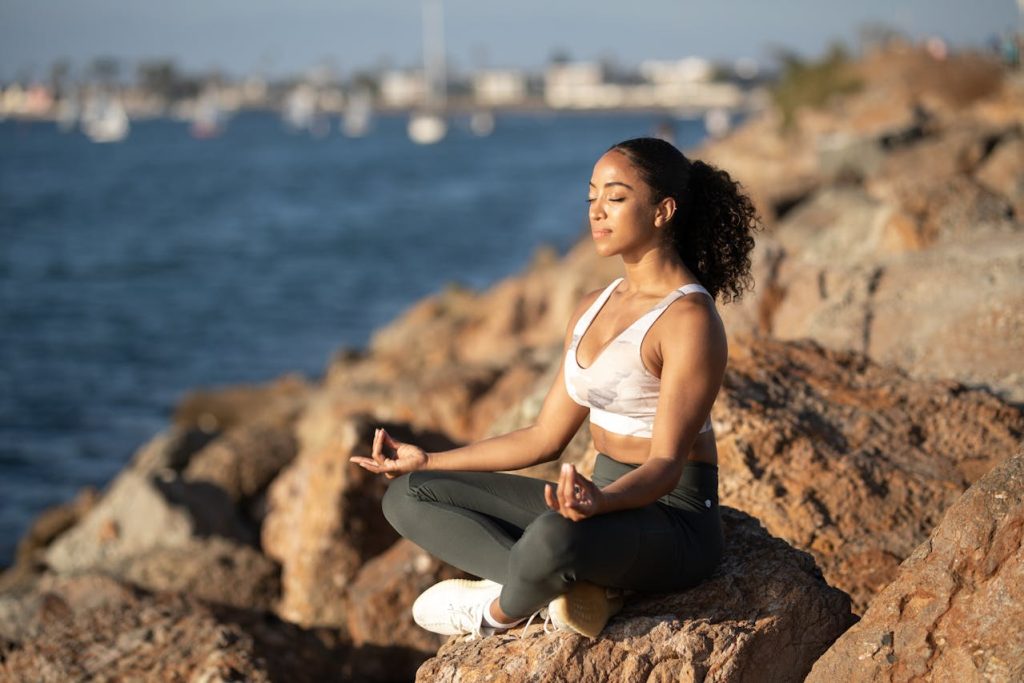
Understanding the Basics of Meditation
Before you learn how to start practicing meditation, it’s important to understand what meditation truly is. Meditation is a mental exercise that focuses on training attention and awareness. It is not about stopping your thoughts completely but observing them without judgment.
Types of Meditation for Beginners
There are many forms of meditation, and the right one depends on your goals and preferences. Common beginner-friendly methods include:
- Mindfulness Meditation: Focus on your breath and bodily sensations while observing thoughts as they arise.
- Guided Meditation: Use recordings from experienced teachers to guide your focus.
- Loving-Kindness Meditation: Cultivate compassion and positive feelings toward yourself and others.
- Body Scan Meditation: Pay attention to sensations throughout your body to release tension.
- Mantra Meditation: Repeat a word, phrase, or sound to maintain focus and calm the mind.
How to Start Practicing Meditation: Step-by-Step
Starting meditation doesn’t require expensive tools or long hours. Here’s a step-by-step guide to help you begin your practice:
1. Set Your Intention
Before you sit down, ask yourself why you want to meditate. Your intention could be:
- Reducing stress
- Enhancing focus
- Improving sleep
- Developing mindfulness
Setting a clear purpose makes your practice more meaningful and helps maintain consistency.
2. Choose a Comfortable Space
Your meditation environment should be quiet, clutter-free, and comfortable. Consider:
- Sitting on a cushion, chair, or yoga mat
- Reducing distractions like phone notifications
- Keeping the space calming with soft lighting or candles
3. Start Small
Beginners often think they need to meditate for long periods. Start with 5–10 minutes and gradually increase the duration. Consistency is more important than time.
4. Focus on Your Breath
Breathing is a core component of meditation. Try this simple technique:
- Inhale deeply for a count of four.
- Hold for a count of two
- Exhale slowly for a count of six.
- Repeat, focusing your attention on each breath
If your mind wanders, gently bring it back to your breath without judgment.
5. Use Guided Meditations
Guided meditations are ideal for beginners learning how to start practicing meditation. They offer instructions, tips, and timing cues to help you stay focused. You can find guided meditations through:
- Online apps
- YouTube videos
- Mindfulness Meditation Hub’s library of free guided sessions
6. Create a Routine
Consistency is key. Try meditating at the same time every day—morning, lunch break, or before bed. A regular routine helps your practice become a habit.
Overcoming Common Challenges
Even experienced meditators face challenges. Here’s how to navigate common beginner hurdles:
- Restless mind: Accept that distraction is normal. Gently redirect attention to your breath or mantra.
- Physical discomfort: Adjust posture, use cushions, or meditate lying down if needed.
- Impatience: Start with short sessions and gradually lengthen your practice.
- Self-doubt: Remember, meditation is not about perfection; it’s about consistent effort.
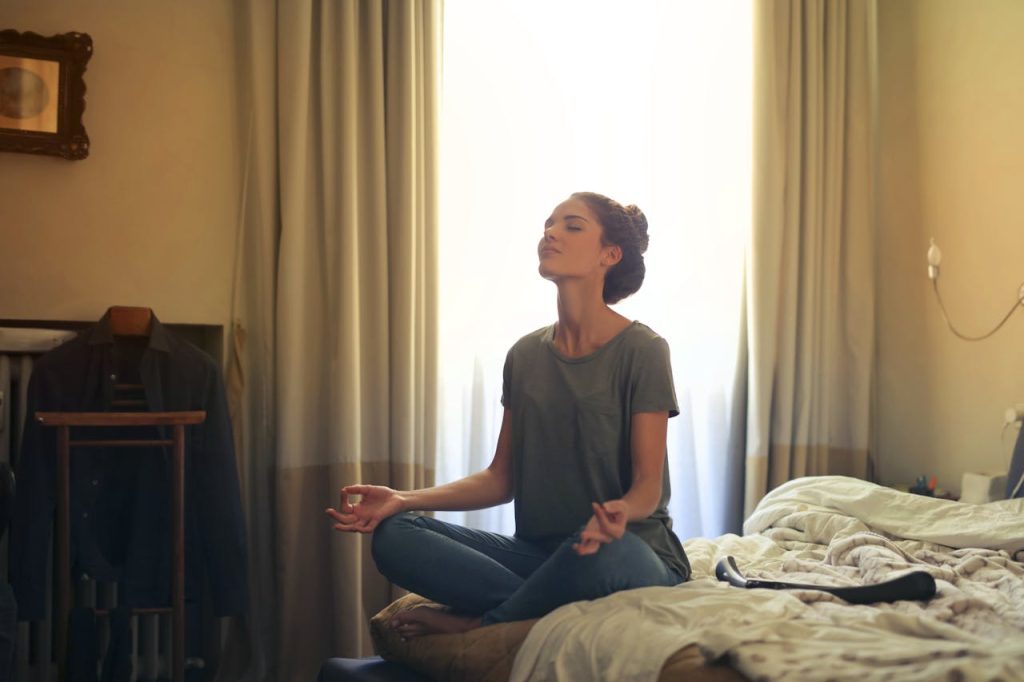
Enhancing Your Practice
Once you’re comfortable with basic meditation, consider these tips to deepen your experience:
- Combine with mindful walking or yoga
- Journal reflections after each session
- Join live or online meditation sessions to stay motivated.
- Track progress using apps or journals to observe improvements over time.
Tools and Resources for Beginners
To make starting meditation easier, leverage available tools:
- Apps: Insight Timer, Headspace, Calm
- Online platforms: Mindfulness Meditation Hub offers thousands of guided sessions for free.
- Books: “The Miracle of Mindfulness” by Thich Nhat Hanh, “10% Happier” by Dan Harris
- Community groups: Meditation meetups or online groups provide support and accountability.
Benefits You’ll Experience Over Time
With consistent practice, you’ll notice several benefits that reinforce the importance of learning how to start practicing meditation:
- Improved focus and mental clarity
- Reduced stress and anxiety
- Greater emotional resilience and self-awareness
- Enhanced sleep quality
- Stronger mind-body connection
These benefits accumulate over time, making meditation a valuable lifelong habit.
Why Choose Mindfulness Meditation Hub?
At Mindfulness Meditation Hub, we make it easy for beginners to start their journey. Our free guided meditations, live sessions, and resources help you establish a daily routine and deepen your practice. By joining our community, you’ll:
- Access thousands of guided meditations from top teachers
- Get practical tips for beginners and advanced practitioners
- Join a supportive, global mindfulness community
Learning how to start practicing meditation is simple when you have the right guidance and tools.
Final Thought
Meditation doesn’t have to be complicated or time-consuming. By following this guide, you’ll know exactly how to start practicing meditation in a way that suits your lifestyle. Start with small, consistent sessions, choose the right technique, and use available tools to support your journey. Over time, you’ll experience the profound benefits of mindfulness and a calmer, more focused mind.
Take the first step today—explore our free guided meditations and begin your journey to inner peace with Mindfulness Meditation Hub.
FAQs for How to Start Practicing Meditation
What is the first step in learning how to start practicing meditation?
The first step is setting your intention. Decide why you want to meditate—reduce stress, improve focus, or enhance emotional wellbeing. A clear purpose helps you stay consistent.
How long should a beginner meditate when starting?
Start with 5–10 minutes per session. As you get comfortable, gradually increase the duration. Consistency is more important than session length.
Do I need special equipment to start meditating?
No, you only need a quiet, comfortable space. A cushion or chair helps, but meditation can be done sitting on the floor or lying down.
What is the easiest type of meditation for beginners?
Mindfulness meditation is often recommended for beginners. Focus on your breath and gently observe your thoughts without judgment.
Can guided meditations help me learn how to start practicing meditation?
Yes! Guided meditations provide step-by-step instructions, making it easier for beginners to maintain focus and develop a routine.
How do I stay focused if my mind keeps wandering?
It’s normal for the mind to wander. Gently redirect your attention back to your breath, mantra, or guided instruction without judgment.
How often should I meditate to see results?
Daily practice, even for a few minutes, is ideal. Regularity helps your mind adapt and brings noticeable benefits over time.
Can meditation reduce stress and anxiety?
Yes. Meditation lowers stress hormones, relaxes the nervous system, and promotes mental clarity, helping to reduce anxiety and tension.
Is it necessary to meditate in silence?
Not always. You can use guided meditations, background music, or nature sounds. The key is minimizing distractions and maintaining focus.
Can meditation help improve sleep?
Absolutely. Mindfulness and calming breathing exercises before bed can relax your mind, making it easier to fall asleep and stay asleep.
How do I choose the right meditation technique for me?
Experiment with different styles—mindfulness, loving-kindness, body scan, or mantra meditation—and notice which feels most comfortable and effective.
Do I need to sit cross-legged to meditate properly?
No. You can meditate sitting on a chair, cushion, or even lying down. Comfort is more important than posture.
Can beginners meditate while walking?
Yes! Walking meditation is a great option for beginners who struggle to sit still. Focus on each step, your breath, and bodily sensations.
How long will it take to feel the benefits of meditation?
Some benefits, like calmness and focus, may appear after a few sessions. Long-term benefits, such as emotional resilience and improved sleep, develop with consistent practice over weeks or months.
Can I use apps or online resources to learn how to start practicing meditation?
Yes. Apps, websites, and platforms like Mindfulness Meditation Hub provide guided sessions, tutorials, and tips that make it easy for beginners to start their meditation journey.
Related Topics
- How to Practice Meditation: A Step-by-Step Guide for Beginners
- How Do I Start to Meditate? A Complete Beginner’s Guide
- What Do You Do When You Meditate? A Complete Guide
- How to Meditate Daily: A Simple Guide to Building a Lifelong
- Meditation Techniques for Anxiety | Calm Your Mind Naturally
- How to Meditate Effectively: A Step-by-Step Guide for Beginners
- Best Way to Meditate: A Complete Guide for Beginners and Experts
- Mind Success: Unlock Your Full Potential with Proven Techniques
- Stress Meditation: How Mindfulness Helps Reduce Stress
- What Do You Do When You Meditate? A Complete Guide
- Breathing Meditation Techniques for Beginners: A Complete Guide
- How to Meditate Daily: A Simple Guide to Building a Lifelong
- Grief Meditation: A Healing Practice for Emotional Recovery
- 5 Minute Meditation Scripts: Quick & Effective Guided Meditation
- Meditating at Home: Guide to Finding Peace and Balance
- Meditation and Sounds: Boost Mindfulness & Relaxation