
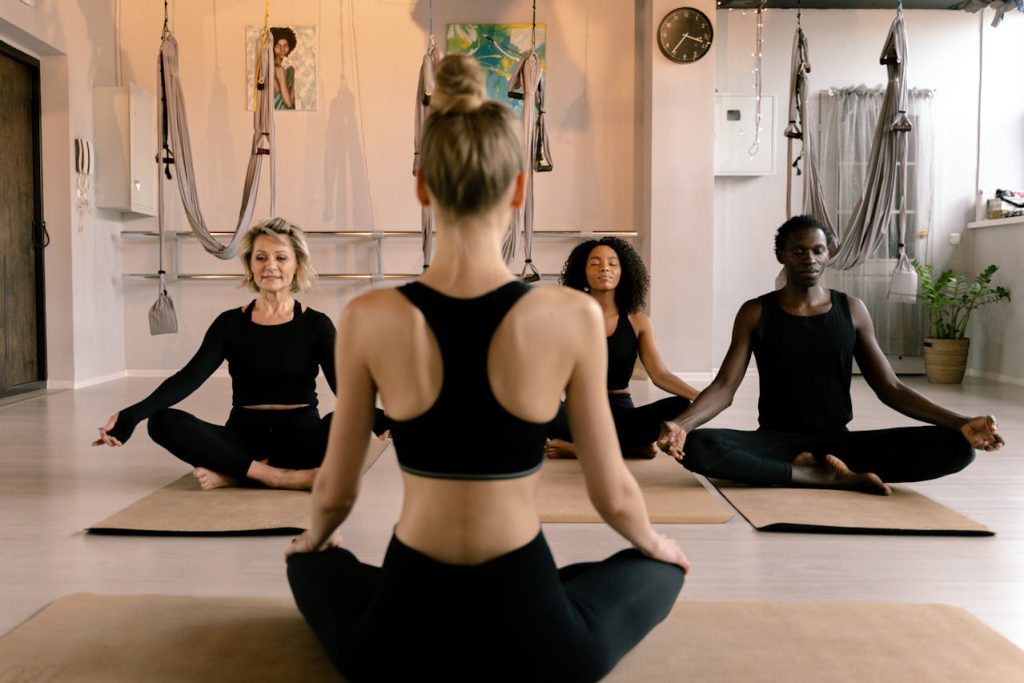
Discover the power of introduction meditation for beginners. Learn techniques, benefits, and practical tips to start your mindfulness journey today.
Overview
Meditation is a transformative practice that has been embraced for thousands of years. For beginners, starting can feel overwhelming due to the many techniques, philosophies, and approaches available. This blog post will provide a complete introduction meditation guide, helping readers understand the basics, the benefits, and practical steps to begin their mindfulness journey.
By the end of this article, readers will:
- Understand what introduction meditation is and why it’s valuable.
- Learn different beginner-friendly meditation techniques.
- Discover how to create a supportive environment for practice.
- Learn tips to stay consistent and make meditation a part of daily life.
What is Introduction Meditation?
Introduction: Meditation is essentially the starting point for anyone new to mindfulness and meditative practices. It focuses on teaching the basic concepts, helping individuals become familiar with mindfulness, breath awareness, and simple concentration exercises.
Unlike advanced meditation techniques, an introductory meditation:
- Is short and manageable (usually 5–15 minutes).
- Does not require prior experience or special equipment.
- Focuses on relaxation, awareness, and self-reflection.
Starting with an introduction, meditation allows beginners to gradually ease into the practice without feeling intimidated.
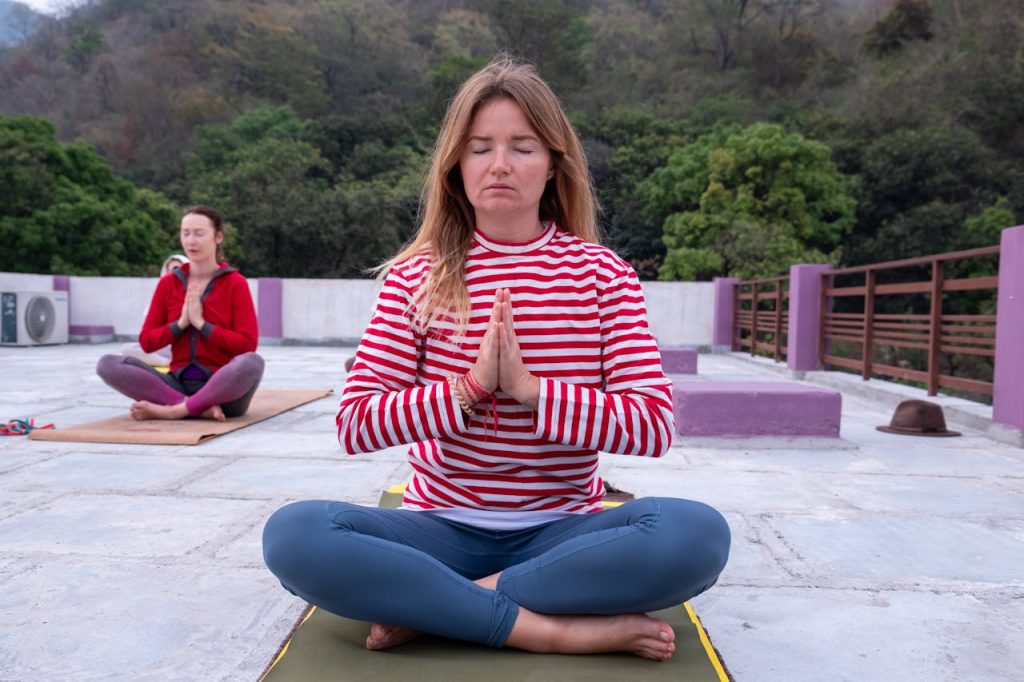
Benefits of Practicing Introduction Meditation
Even at the beginner level, meditation offers significant benefits for both mind and body:
- Reduces Stress and Anxiety: Meditation lowers cortisol levels and promotes calmness.
- Improves Focus and Concentration: Regular practice helps train your mind to stay present.
- Enhances Emotional Health: Meditation encourages self-awareness and emotional regulation.
- Supports Better Sleep: Mindfulness can reduce racing thoughts before bedtime.
- Boosts Overall Well-Being: Feeling centered and grounded helps manage daily challenges.
By introducing meditation into your daily routine, you can gradually experience these benefits, making it easier to progress to more advanced practices.
Types of Introduction Meditation Techniques
There are several beginner-friendly meditation techniques to explore:
1. Mindful Breathing
- Focus your attention on the natural rhythm of your breath.
- Inhale deeply, then exhale slowly, observing the sensations of air entering and leaving your body.
- Whenever your mind wanders, gently bring your focus back to your breath.
2. Body Scan Meditation
- Mentally scan your body from head to toe, noticing areas of tension.
- Breathe into areas that feel tight and consciously release stress.
- This technique enhances body awareness and relaxation.
3. Guided Meditation
- Follow a recorded meditation led by a teacher or app.
- This type is ideal for beginners as it provides step-by-step instructions.
- It can focus on relaxation, visualization, or cultivating positive emotions.
4. Walking Meditation
- Practice mindfulness while walking slowly and deliberately.
- Pay attention to each step, the movement of your body, and your surroundings.
- Helps combine meditation with gentle physical activity.
5. Loving-Kindness Meditation
- Focus on cultivating compassion for yourself and others.
- Repeat phrases such as “May I be happy, may I be healthy, may I be at peace.”
- Encourages emotional balance and empathy.
How to Start Your Introduction Meditation Practice
Starting meditation doesn’t have to be complicated. Here are practical steps:
- Set Aside Time: Begin with 5–10 minutes a day and gradually increase as you feel comfortable.
- Create a Quiet Space: Find a calm and comfortable spot free from distractions.
- Sit Comfortably: Sit on a chair, cushion, or floor with a straight posture.
- Focus on Breath or Body: Use one of the beginner techniques outlined above.
- Be Patient and Kind to Yourself: It’s normal for the mind to wander. Simply return to your focus gently.
- Use Guided Resources if Needed: Apps or online recordings can support your practice.
Tips to Stay Consistent with Meditation
Consistency is key to experiencing the benefits of meditation. Here are some tips to make it a habit:
- Schedule a Daily Routine: Practice at the same time each day, such as morning or before bed.
- Start Small: Begin with short sessions and gradually extend them.
- Track Your Progress: Maintain a journal to note your experiences and feelings.
- Join a Community: Meditation groups or online communities can provide motivation.
- Be Flexible: If you miss a session, don’t be discouraged—just continue the next day.
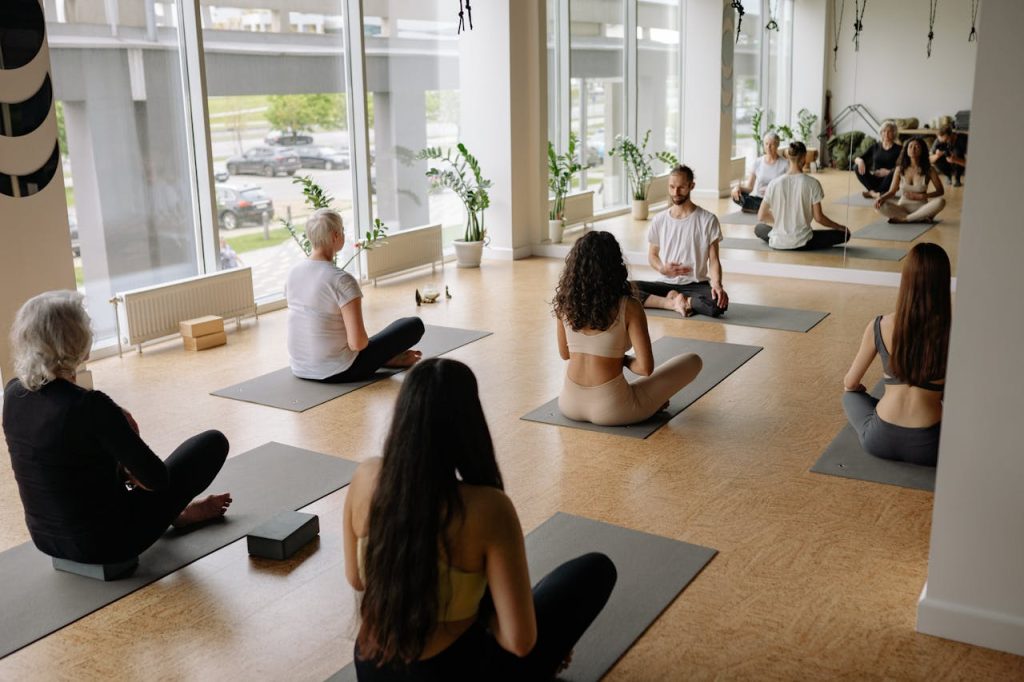
Advanced Tips for Deepening Your Practice
Once you’re comfortable with introduction meditation, consider:
- Experimenting with Different Techniques: Try body scan, visualization, or mantra meditation.
- Extending Session Time: Move from 5–10 minutes to 20–30 minutes daily.
- Incorporating Mindfulness in Daily Life: Be present while eating, walking, or working.
- Joining Guided Retreats or Workshops: Engage in deeper meditation experiences to enhance learning.
These steps help solidify your meditation habit and deepen your connection to mindfulness.
Why Our Introduction Meditation Service Can Help You
At Mindfulness Meditation Hub, we offer guided introduction meditation sessions designed specifically for beginners. Our service provides:
- Step-by-step guidance by experienced teachers.
- Access to a variety of meditation techniques suitable for new practitioners.
- Supportive community to encourage regular practice.
- Tools and resources to integrate mindfulness into daily life.
By starting with our introduction meditation program, you can confidently embark on your mindfulness journey with professional guidance.
Final Thoughts
Meditation is a skill that grows with time and practice. Starting with introduction meditation allows beginners to experience the benefits of mindfulness without feeling overwhelmed. By following simple techniques, staying consistent, and seeking guidance when needed, anyone can cultivate inner peace, clarity, and emotional balance.
Your journey to mindfulness begins with one step—just a few minutes of practice each day can transform your life. Begin today, and discover the calm and focus that meditation brings.
FAQs for Introduction Meditation
What is introduction meditation?
Introduction meditation is a beginner-friendly approach to mindfulness that helps you learn basic meditation techniques, focus on your breath, and cultivate awareness.
How long should I practice introduction meditation daily?
For beginners, starting with 5–10 minutes daily is ideal. You can gradually increase the time as you become more comfortable.
Do I need any special equipment for meditation?
No, all you need is a quiet space and a comfortable seat. Some people use cushions, mats, or chairs, but it’s optional.
Can introduction meditation reduce stress?
Yes, even short daily sessions of meditation can help lower stress, calm the mind, and improve emotional balance.
Is introduction meditation suitable for children?
Yes, children can benefit from short, guided meditation sessions that teach focus, calmness, and self-awareness.
How do I stay focused during meditation?
Focus on your breath, body sensations, or a guided meditation. If your mind wanders, gently bring it back without judgment.
Can I meditate lying down?
Yes, lying down is acceptable, especially if you have physical limitations, but it may increase the chance of falling asleep.
What are the benefits of practicing introduction meditation regularly?
Regular practice improves focus, reduces stress, supports emotional well-being, enhances sleep quality, and promotes mindfulness in daily life.
Can meditation help with anxiety or depression?
Meditation can complement other treatments by helping reduce anxiety, improve emotional regulation, and promote a sense of calm.
Do I need to follow a specific meditation style?
No, beginners can try different techniques such as mindful breathing, guided meditation, body scan, or loving-kindness to find what works best.
How do I know if I’m meditating correctly?
Meditation is about awareness, not perfection. If you are practicing regularly and observing your thoughts without judgment, you are doing it correctly.
Can I meditate anywhere?
Yes, meditation can be practiced anywhere, but a quiet, comfortable space can help you focus better, especially as a beginner.
How soon will I see results from meditation?
Some benefits like relaxation and stress relief can be felt immediately, but consistent practice over weeks or months leads to long-term improvements.
Can I combine meditation with other wellness practices?
Absolutely. Meditation complements yoga, journaling, exercise, and mindful eating, enhancing overall mental and physical well-being.
Do I need a teacher to start meditation?
While a teacher or guided meditation can help, it’s not necessary. Beginners can start with short sessions using apps, videos, or written instructions.
Related Topics
- How to Practice Meditation: A Step-by-Step Guide for Beginners
- How Do I Start to Meditate? A Complete Beginner’s Guide
- What Do You Do When You Meditate? A Complete Guide
- How to Meditate Daily: A Simple Guide to Building a Lifelong
- Meditation Techniques for Anxiety | Calm Your Mind Naturally
- How to Meditate Effectively: A Step-by-Step Guide for Beginners
- Best Way to Meditate: A Complete Guide for Beginners and Experts
- Mind Success: Unlock Your Full Potential with Proven Techniques
- Stress Meditation: How Mindfulness Helps Reduce Stress
- What Do You Do When You Meditate? A Complete Guide
- Breathing Meditation Techniques for Beginners: A Complete Guide
- How to Meditate Daily: A Simple Guide to Building a Lifelong
- Grief Meditation: A Healing Practice for Emotional Recovery
- 5 Minute Meditation Scripts: Quick & Effective Guided Meditation
- Meditating at Home: Guide to Finding Peace and Balance
- Meditation and Sounds: Boost Mindfulness & Relaxation