
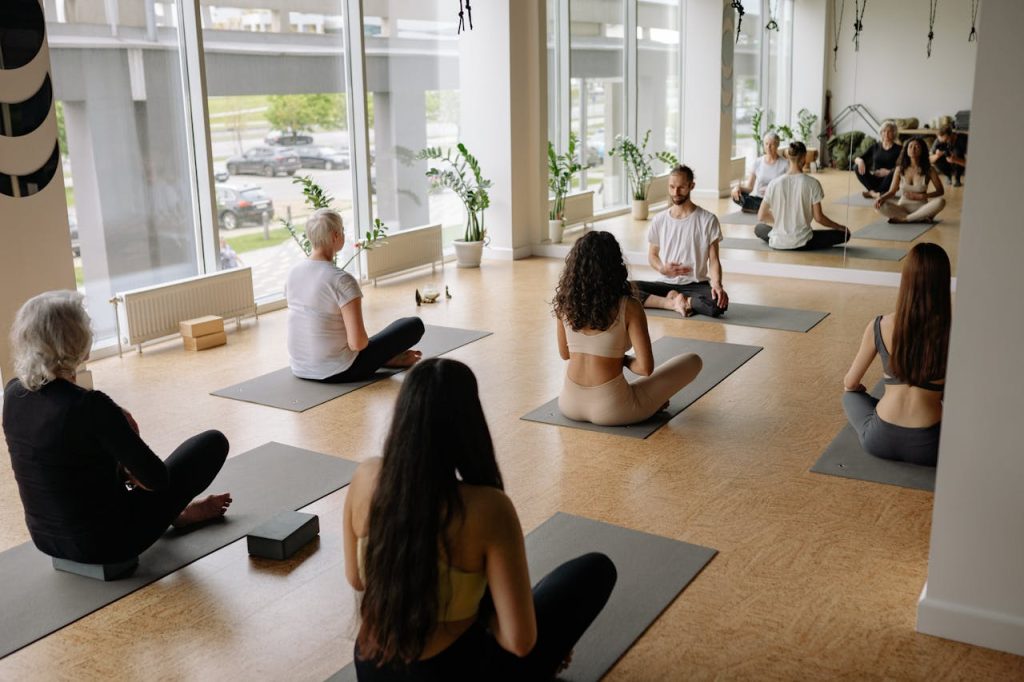
Discover powerful lessons on meditation that help you reduce stress, improve focus, and build a daily mindfulness practice. A complete beginner-friendly guide with practical steps, benefits, and techniques.
Overview
In this detailed guide on lessons on meditation, you will learn how meditation works, why it matters, and how to apply it in your daily life even if you are a complete beginner.
This blog will walk you through:
- The meaning and purpose of meditation lessons
- Key benefits for your mind, body, and emotions
- Step-by-step beginner practices
- Common mistakes to avoid
- Advanced techniques to deepen your practice
- How to build a long-term meditation habit
By the end, you will have a clear understanding of lessons on meditation and how to use them to create a calmer, more focused, and balanced lifestyle.
Lessons on Meditation: A Complete Guide to Inner Calm and Awareness
Meditation is no longer just a spiritual practice—it has become a practical tool for modern life. With stress, distractions, and pressure increasing every day, learning lessons on meditation can help you regain control over your mind and emotions.
Whether you are a beginner or someone trying to deepen your practice, understanding structured lessons on meditation can transform how you think, feel, and respond to life.
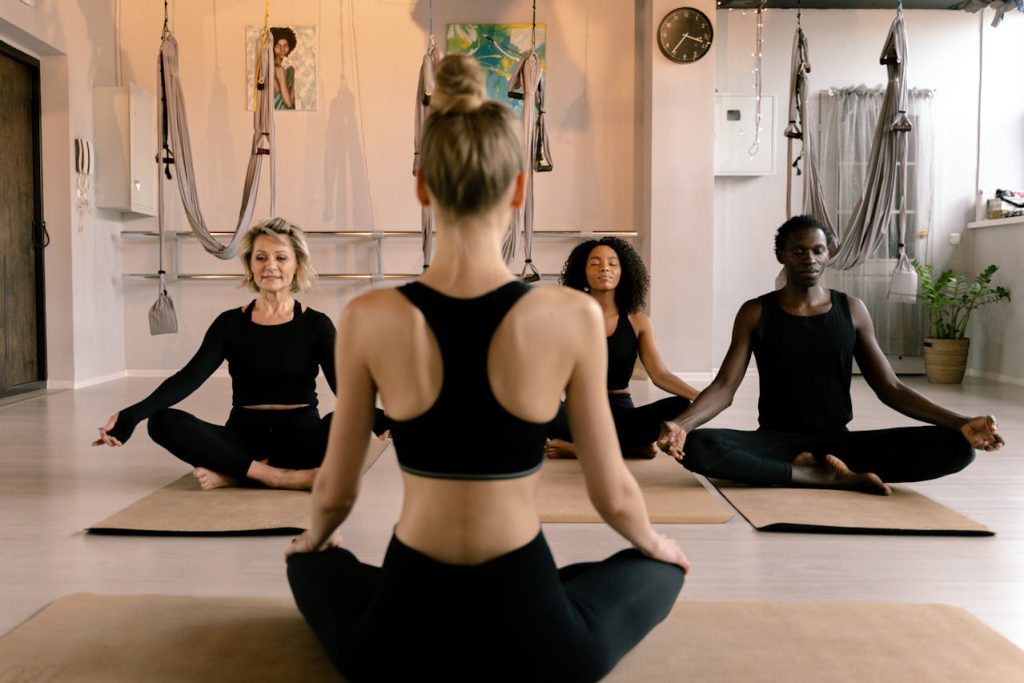
What Are Lessons on Meditation?
Lessons on meditation are structured teachings or steps that guide you through the practice of mindfulness and awareness. These lessons help you understand not just how to meditate but why it works.
At its core, meditation is about training your mind to stay present. Instead of being lost in stress, thoughts, or distractions, you learn to observe your mind calmly.
The first set of lessons on meditation usually focuses on the following:
These foundational lessons help you build a strong base before moving into deeper practices.
Why Learning Lessons on Meditation Matters
Understanding lessons on meditation is important because meditation is not just sitting quietly—it is a skill that improves with practice and guidance.
When you follow proper lessons, you avoid confusion and build consistency faster.
Key Benefits of Structured Learning:
- You learn correct breathing techniques.
- You understand how to handle wandering thoughts.
- You build consistency in practice.
- You reduce stress more effectively.
- You improve emotional control
Without structured lessons on meditation, many beginners quit early because they feel they are “doing it wrong.” Proper guidance solves this problem.
Core Principles Behind Lessons on Meditation
Every effective meditation journey is based on a few core principles. These are the foundation of all lessons on meditation.
1. Awareness
Awareness means observing your thoughts without judging them. You simply notice what is happening in your mind.
2. Presence
Being present means focusing on the current moment instead of worrying about the past or future.
3. Non-Judgment
One of the most important lessons on meditation is learning not to judge yourself during practice.
4. Consistency
Meditation works best when practiced daily, even for a few minutes.
These principles are repeated across all levels of lessons on meditation, helping you gradually build mental clarity.
Beginner Lessons on Meditation (Step-by-Step)
If you are just starting, the beginner stage of lessons on meditation is the most important. This is where you build your foundation.
Step 1: Find a Quiet Space
Choose a calm environment where you won’t be disturbed.
Step 2: Sit Comfortably
You can sit on a chair, cushion, or the floor—comfort is key.
Step 3: Focus on Breathing
Close your eyes and observe your natural breathing pattern.
Step 4: Notice Thoughts
When thoughts appear, gently bring your focus back to breathing.
Step 5: Start Small
Begin with 5–10 minutes daily.
These beginner lessons on meditation teach you how to stay present without forcing your mind.
Common Mistakes in Lessons on Meditation
Many beginners struggle because they misunderstand the process. Avoiding these mistakes will improve your progress.
Mistake 1: Trying to Stop Thoughts
Meditation is not about stopping thoughts—it’s about observing them.
Mistake 2: Expecting Immediate Results
Real benefits from lessons on meditation come with consistent practice.
Mistake 3: Inconsistent Practice
Skipping days slows progress significantly.
Mistake 4: Overthinking Technique
There is no “perfect” way—simplicity is best.
Understanding these mistakes is one of the most practical lessons on meditation you can learn early on.
Advanced Lessons on Meditation for Deeper Practice
Once you are comfortable with the basics, you can move into deeper lessons on meditation that improve emotional and mental clarity.
1. Body Scan Meditation
You focus on each part of your body and notice sensations.
2. Loving-Kindness Meditation
You develop feelings of compassion for yourself and others.
3. Breath-Counting Technique
You count each breath to improve focus and concentration.
4. Mindful Observation
You observe sounds, thoughts, and feelings without reacting.
These advanced lessons on meditation help you build emotional resilience and inner peace.
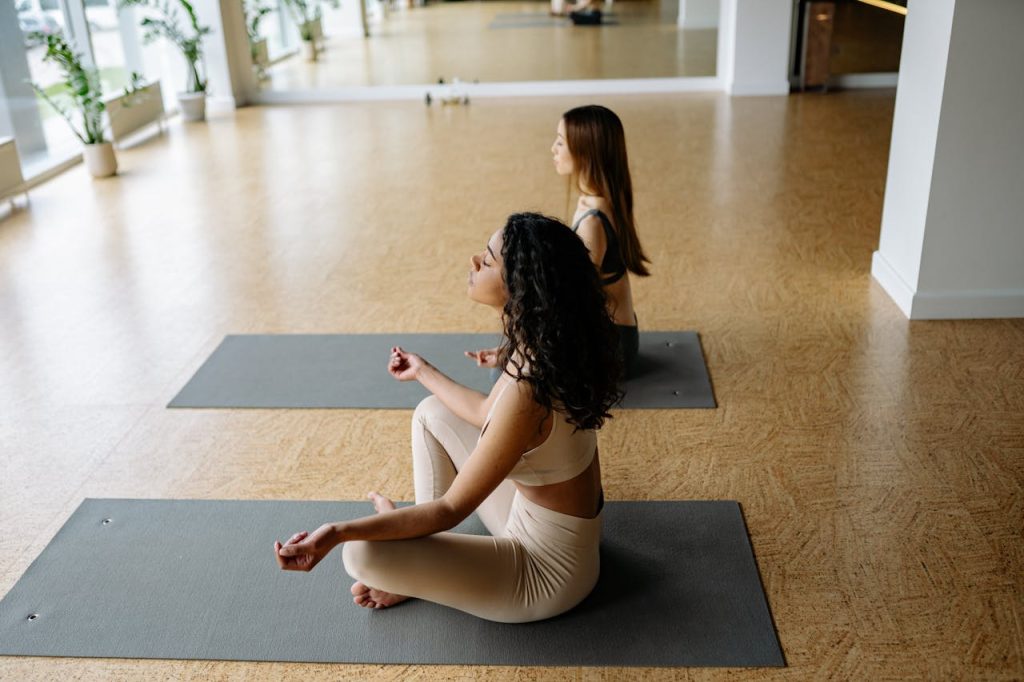
How to Learn Lessons on Meditation Improve Daily Life
Practicing lessons on meditation doesn’t just affect your meditation time—it changes your entire lifestyle.
Benefits in Daily Life:
- Better stress management
- Improved focus at work or study
- More emotional stability
- Reduced anxiety
- Better sleep quality
- Increased self-awareness
Over time, lessons on meditation help you respond to life situations calmly instead of reacting emotionally.
How to Build a Daily Meditation Practice
Consistency is the key to success in meditation. The best lessons on meditation always emphasize daily practice.
Simple Daily Routine:
- Morning: 10 minutes of breathing meditation
- Afternoon: 2–3 minutes of mindful pause
- Evening: 10 minutes of relaxation meditation
Helpful Tips:
- Set a fixed time daily
- Use reminders or alarms
- Start small and increase gradually
- Keep your environment quiet.
Following these steps will make your lessons on meditation more effective and long-lasting.
Final Thoughts
Learning lessons on meditation is one of the most valuable investments you can make in your mental and emotional well-being. It is not a quick fix but a lifelong skill that improves with patience and consistency.
By practicing regularly, you will notice:
- Greater calmness
- Stronger focus
- Improved emotional control
- A deeper connection with yourself
The beauty of lessons on meditation is that they are simple, accessible, and powerful for everyone—no matter your age or experience level.
FAQs for Lessons on Meditation
What are lessons on meditation?
Lessons on meditation are structured steps that teach you how to practice mindfulness, focus your mind, and develop inner calm through guided techniques.
Are lessons on meditation good for beginners?
Yes, lessons on meditation are perfect for beginners because they start with simple breathing and awareness techniques that are easy to follow.
How long should I practice meditation daily?
Most beginners start with 5–10 minutes daily, and gradually increase as they become more comfortable with their practice.
Do I need experience to start meditation lessons?
No experience is required. Lessons on meditation are designed to guide you from the very beginning.
What is the best time to practice meditation?
Morning is often recommended, but you can practice meditation anytime you feel calm and free from distractions.
Can lessons on meditation reduce stress?
Yes, regular practice of meditation lessons can significantly reduce stress and help you stay mentally balanced.
What should I focus on during meditation?
Most lessons on meditation teach you to focus on your breath, bodily sensations, or a simple point of awareness.
Why do my thoughts keep coming during meditation?
It is normal for thoughts to appear. Meditation teaches you to observe them without judgment and gently return focus.
How quickly can I see results from meditation?
Some people feel calm after a few sessions, but long-term benefits come with consistent practice over weeks or months.
Do I need a teacher for meditation lessons?
A teacher is helpful but not necessary. Many structured lessons on meditation can be followed through guides and online resources.
What are the main types of meditation taught in lessons?
Common types include mindfulness meditation, breathing meditation, body scan, and loving-kindness meditation.
Can meditation improve sleep?
Yes, regular meditation helps relax the mind and can improve sleep quality over time.
Is it okay to meditate lying down?
Yes, but sitting upright is usually recommended to stay alert during meditation.
What mistakes should I avoid in meditation lessons?
Avoid trying to stop thoughts, expecting instant results, and skipping daily practice.
How do I stay consistent with meditation practice?
Set a fixed time daily, start small, and make meditation a part of your routine for better consistency.
Related Topics
- How to Practice Meditation: A Step-by-Step Guide for Beginners
- How Do I Start to Meditate? A Complete Beginner’s Guide
- What Do You Do When You Meditate? A Complete Guide
- How to Meditate Daily: A Simple Guide to Building a Lifelong
- Meditation Techniques for Anxiety | Calm Your Mind Naturally
- How to Meditate Effectively: A Step-by-Step Guide for Beginners
- Best Way to Meditate: A Complete Guide for Beginners and Experts
- Mind Success: Unlock Your Full Potential with Proven Techniques
- Stress Meditation: How Mindfulness Helps Reduce Stress
- What Do You Do When You Meditate? A Complete Guide
- Breathing Meditation Techniques for Beginners: A Complete Guide
- How to Meditate Daily: A Simple Guide to Building a Lifelong
- Grief Meditation: A Healing Practice for Emotional Recovery
- 5 Minute Meditation Scripts: Quick & Effective Guided Meditation
- Meditating at Home: Guide to Finding Peace and Balance
- Meditation and Sounds: Boost Mindfulness & Relaxation