

Discover the power of loving-kindness metta meditation. Learn practical techniques and benefits, and how this practice can transform your relationships, mental health, and overall well-being.
Overview
In this blog post, readers will learn everything they need to know about loving-kindness metta. You will understand its origins, the science-backed benefits, and how to practice it effectively. We’ll also provide step-by-step guidance to help beginners and experienced meditators cultivate more compassion, self-love, and empathy in daily life. By the end, readers will feel empowered to integrate loving-kindness metta into their meditation practice and everyday interactions.
What is Loving Kindness Metta?
Loving-kindness meditation, or metta, is a form of meditation rooted in Buddhist tradition. The term “metta” is a Pali word that translates to unconditional love and benevolence, directed toward oneself and others. Unlike other types of meditation that focus on calming the mind or enhancing focus, loving-kindness metta emphasizes cultivating positive emotions, such as compassion, empathy, and goodwill.
This practice can help reduce stress, improve emotional resilience, and deepen connections with the people around you. The beauty of loving-kindness (metta) is that it’s accessible to everyone—whether you are a beginner or have been meditating for years.
The Origins of Loving Kindness Metta
Loving-kindness metta meditation originates from Buddhist teachings, particularly from the Theravada tradition. It is mentioned in early Buddhist texts as a core practice for cultivating compassion. The Buddha taught that developing loving kindness toward oneself and others is essential for personal and spiritual growth.
Historically, monks used metta meditation to develop a mind free from hatred, resentment, and ill will. Over time, this practice has spread globally and is now widely recognized in mindfulness and psychology for its mental health benefits.
Benefits of Practicing Loving Kindness Metta
Practicing loving-kindness metta regularly can provide profound emotional, mental, and even physical benefits. Here are some of the key advantages:
Emotional Benefits
- Increased compassion: Cultivates empathy and understanding toward yourself and others.
- Reduced anger and resentment: Helps release negative emotions that weigh you down.
- Enhanced self-love: Strengthens positive self-perception and self-acceptance.
Mental Health Benefits
- Lower stress levels: Regular practice reduces anxiety and promotes calm.
- Improved resilience: Helps you navigate challenges with patience and understanding.
- Greater emotional regulation: Encourages balanced responses to emotional triggers.
Relationship Benefits
- Stronger connections: Creates more meaningful relationships by fostering empathy.
- Conflict resolution: Encourages patience and understanding during disagreements.
- Increased social support: People naturally respond to those who radiate loving kindness.
How to Practice Loving Kindness Metta
Starting a loving-kindness metta practice doesn’t require advanced meditation skills. Here’s a step-by-step guide:
Step 1: Find a Quiet Space
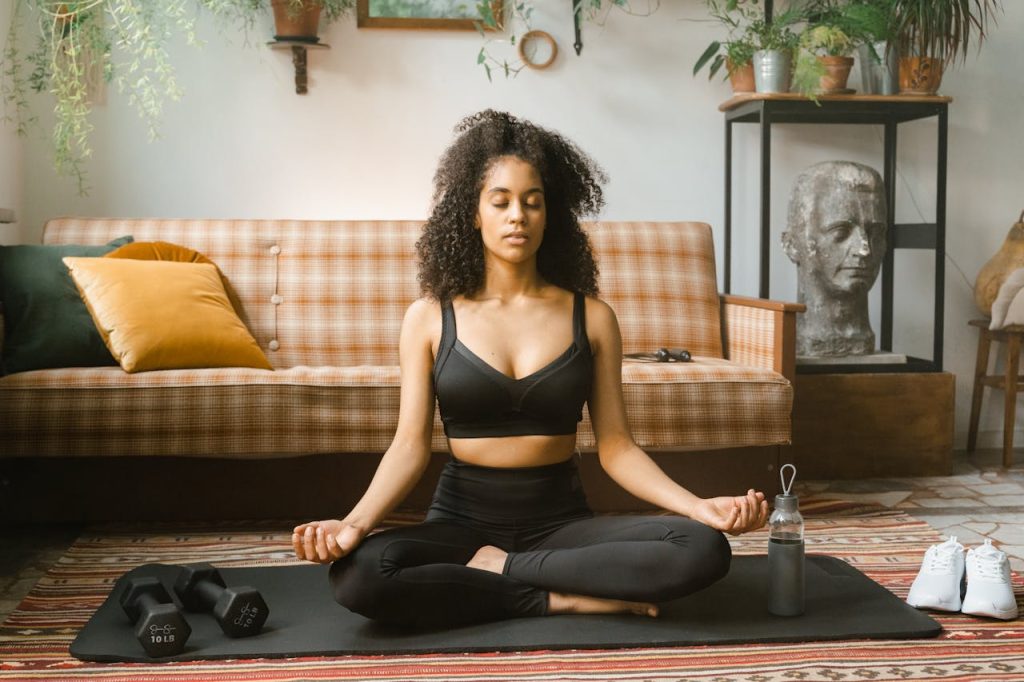
Sit comfortably in a quiet space where you won’t be disturbed. Close your eyes and take a few deep breaths to center yourself.
Step 2: Focus on Yourself
Begin by directing loving kindness toward yourself. Silently repeat phrases like
- “May I be happy.”
- “May I be healthy.”
- “May I be safe and at peace.”
Focus on the feeling behind each phrase, imagining it spreading warmth through your body.
Step 3: Extend Loving Kindness to Others
After a few minutes, extend these wishes to others:
- A loved one: Think of someone close to you and repeat the phrases.
- A neutral person: Send kindness to someone you see regularly but don’t have strong feelings about.
- Someone difficult: Gradually include people you have challenges with.
- All beings: Expand your intention to everyone in the world.
This step-by-step expansion helps develop empathy and breaks down emotional barriers.
Step 4: Close the Practice
Gently bring your awareness back to your breath. Open your eyes and take a moment to notice any shifts in your mood or awareness. Practicing even 10–15 minutes daily can have profound long-term benefits.
Tips for Effective Loving Kindness Metta Meditation
To maximize the benefits of your loving-kindness (metta) practice, consider the following tips:
- Be patient: Emotions may arise unexpectedly; observe them without judgment.
- Start small: Begin with 5–10 minutes daily and gradually increase.
- Use visualization: Imagine warm light or energy spreading from your heart.
- Repeat regularly: Consistency is key for cultivating long-lasting compassion.
- Journal your experience: Reflect on changes in mood, empathy, and relationships.
Common Challenges and How to Overcome Them
Even experienced meditators may face challenges during loving-kindness metta practice. Here’s how to navigate them:
- Difficulty focusing: If your mind wanders, gently return to your phrases.
- Feeling resistance toward others: Start with someone easy to love before approaching difficult relationships.
- Emotional discomfort: Observe emotions without judgment; allow them to pass naturally.
- Impatience: Recognize that cultivating genuine loving kindness takes time and practice.

Integrating Loving Kindness Metta into Daily Life
Beyond formal meditation, loving-kindness metta can be incorporated into daily activities:
- During interactions: Pause and mentally wish others well before speaking.
- While commuting: Use travel time to silently repeat positive intentions.
- In stressful situations: Take a moment to breathe and cultivate compassion toward yourself and others.
- Before sleeping: Reflect on moments of connection and wish others peace.
Integrating metta into daily life makes your compassion more authentic and habitual.
Loving Kindness Metta and Mindfulness
Mindfulness and loving-kindness metta complement each other perfectly. While mindfulness develops awareness of your thoughts and emotions, loving-kindness metta shapes your emotional response to those experiences. Together, they can help reduce stress, improve relationships, and foster deeper emotional intelligence.
Why Choose Mindfulness Meditation Hub for Loving Kindness Metta?
At Mindfulness Meditation Hub, we offer comprehensive guidance for those looking to practice loving kindness metta effectively. Our resources include:
- Step-by-step tutorials and guided meditations
- Expert tips for beginners and advanced practitioners
- Evidence-based approaches to mental and emotional wellness
- Practical advice for integrating metta into daily life
By following our methods, you can cultivate a more compassionate, peaceful, and connected life.
Final Thought
Loving kindness metta is more than a meditation technique—it’s a transformative way of life. By practicing regularly, you can:
- Develop self-love and compassion
- Reduce stress and negative emotions
- Improve relationships and social connections
- Enhance emotional resilience and mindfulness
Starting today, dedicate a few minutes each day to this practice. Over time, you’ll notice profound changes in your mindset, your interactions, and your overall well-being.
Remember, the journey of loving kindness metta is personal. Be patient, compassionate, and consistent, and you’ll experience the deep benefits this practice offers.
FAQs for Loving Kindness Metta
What is loving kindness metta meditation?
Loving kindness metta meditation is a practice focused on cultivating compassion, empathy, and goodwill toward yourself and others.
How do I start practicing loving kindness metta?
Begin in a quiet space, focus on yourself, and silently repeat phrases like “May I be happy” or “May I be safe and at peace.” Gradually extend these wishes to others.
How long should a loving kindness metta session last?
Start with 5–10 minutes daily and gradually increase to 20–30 minutes as you become more comfortable with the practice.
Can loving kindness metta reduce stress and anxiety?
Yes, research shows that regular loving kindness meditation can lower stress, anxiety, and negative emotions.
Is loving kindness metta suitable for beginners?
Absolutely. The practice is simple, accessible, and doesn’t require prior meditation experience.
How often should I practice loving kindness metta?
Daily practice, even for just a few minutes, is most effective for long-term benefits.
Can loving kindness metta improve my relationships?
Yes. Practicing metta helps develop empathy and patience, which strengthens social bonds and communication.
What should I do if I feel resistance toward someone while practicing?
Start with someone you naturally feel affection for, then gradually include neutral or difficult individuals in your practice.
Can loving kindness metta help with self-esteem?
Yes, directing compassion toward yourself can increase self-love, acceptance, and overall emotional resilience.
Is loving kindness metta part of mindfulness practice?
Yes, it complements mindfulness by not only increasing awareness but also shaping compassionate responses to thoughts and emotions.
Can I combine loving kindness metta with other meditation techniques?
Absolutely. Metta can be integrated with mindfulness, breathing exercises, or visualization practices to deepen your meditation experience.
Are there scientific benefits of loving kindness metta?
Studies show that loving kindness meditation can improve emotional regulation, reduce stress hormones, and increase positive emotions.
Can children practice loving kindness metta?
Yes, children can practice simple versions of metta by sending kind thoughts to themselves, family, and friends.
How do I know if loving kindness metta is working?
You may notice increased patience, reduced irritability, more positive emotions, and improved interactions with others over time.
Can loving kindness metta be practiced anywhere?
Yes, metta meditation can be practiced at home, work, during a commute, or any place where you can focus on your thoughts and intentions.
Related Topics
- How to Practice Meditation: A Step-by-Step Guide for Beginners
- How Do I Start to Meditate? A Complete Beginner’s Guide
- What Do You Do When You Meditate? A Complete Guide
- How to Meditate Daily: A Simple Guide to Building a Lifelong
- Meditation Techniques for Anxiety | Calm Your Mind Naturally
- How to Meditate Effectively: A Step-by-Step Guide for Beginners
- Best Way to Meditate: A Complete Guide for Beginners and Experts
- Mind Success: Unlock Your Full Potential with Proven Techniques
- Stress Meditation: How Mindfulness Helps Reduce Stress
- What Do You Do When You Meditate? A Complete Guide
- Breathing Meditation Techniques for Beginners: A Complete Guide
- How to Meditate Daily: A Simple Guide to Building a Lifelong
- Grief Meditation: A Healing Practice for Emotional Recovery
- 5 Minute Meditation Scripts: Quick & Effective Guided Meditation
- Meditating at Home: Guide to Finding Peace and Balance
- Meditation and Sounds: Boost Mindfulness & Relaxation