
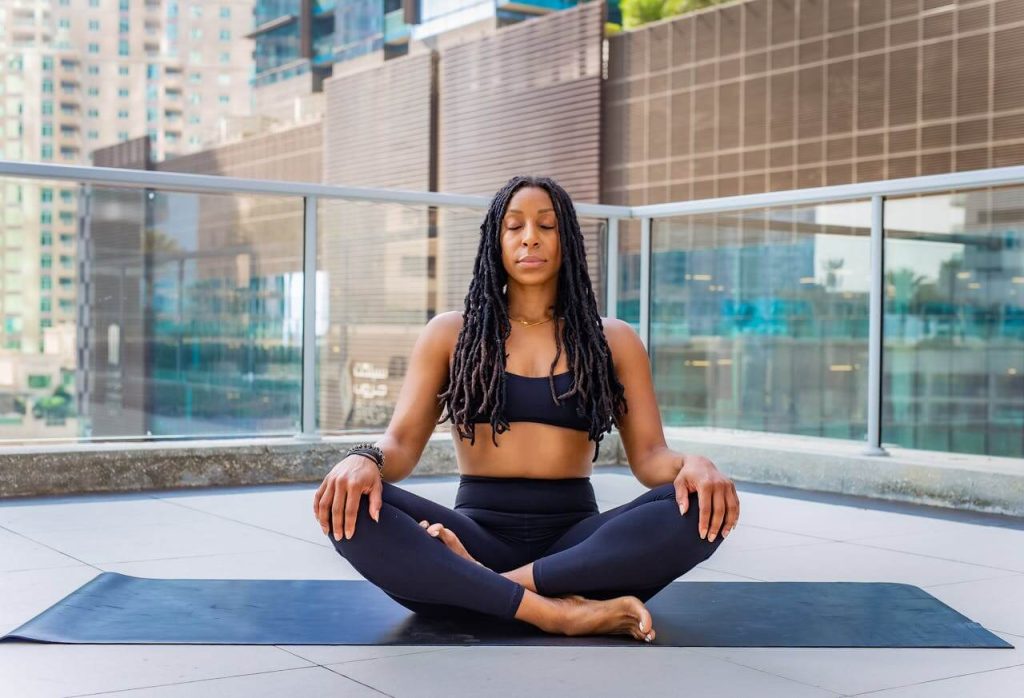
Discover effective meditation exercises to reduce stress, boost focus, and improve mental clarity. Learn simple steps, techniques, and tips to start your mindfulness practice today.
Overview
In this blog post, readers will learn about the importance of meditation exercises, the benefits of incorporating them into daily life, and practical step-by-step techniques they can start immediately. This guide is designed to help beginners and experienced meditators alike deepen their mindfulness practice, enhance focus, and reduce stress. By the end of this article, readers will have actionable strategies and exercises that can transform their mental and emotional well-being.
Meditation Exercises: A Path to Mental Clarity and Inner Peace
In today’s fast-paced world, stress and distractions are unavoidable. One of the most effective ways to cultivate calm, focus, and emotional balance is through meditation exercises. These exercises not only promote relaxation but also support mental clarity, improve concentration, and enhance overall well-being.
Whether you’re a beginner looking to start your mindfulness journey or someone seeking advanced techniques, this guide will provide practical exercises to incorporate meditation into your daily routine.
Why Meditation Exercises Are Important
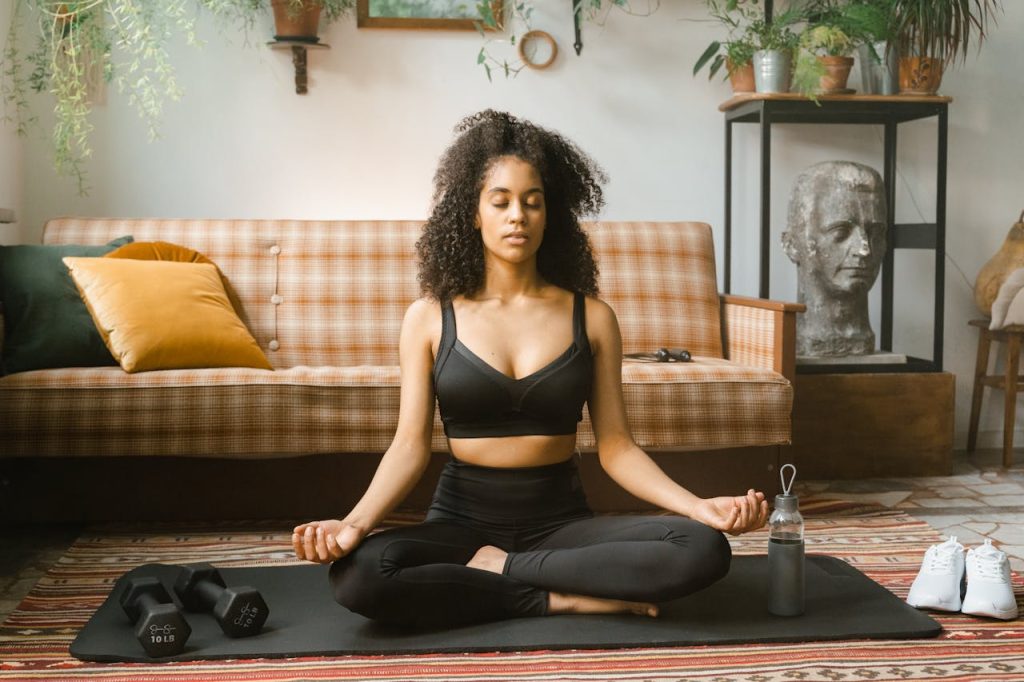
Meditation is more than sitting quietly—it is a deliberate practice of focusing the mind and cultivating awareness. Here’s why meditation exercises are essential:
- Reduces Stress and Anxiety: Regular practice lowers cortisol levels and helps manage daily stress.
- Enhances Focus and Productivity: Mindfulness exercises train your brain to stay present and avoid distractions.
- Improves Emotional Health: Meditation supports emotional regulation and increases resilience.
- Promotes Better Sleep: Relaxation techniques help calm the mind, making it easier to fall asleep.
- Supports Physical Health: Mindfulness reduces blood pressure, improves heart health, and can even strengthen the immune system.
By practising meditation exercises consistently, you can experience profound benefits in both your mental and physical well-being.
Getting Started with Meditation Exercises
Starting a meditation practice doesn’t have to be complicated. Here’s a step-by-step guide to help you begin:
Step 1 – Choose a Quiet Space
Select a calm, comfortable environment where you won’t be disturbed. It could be a quiet room, a peaceful corner of your home, or even a spot outdoors.
Step 2 – Set a Time Limit
Begin with short sessions of 5–10 minutes and gradually increase the duration as you become more comfortable with the practice.
Step 3 – Get Comfortable
Sit in a relaxed position—cross-legged on the floor, on a cushion, or on a chair with your feet flat on it. Keep your back straight and hands resting gently in your lap.
Step 4 – Focus on Your Breath
Pay attention to your breathing. Inhale slowly and deeply through your nose, hold for a moment, and exhale gently through your mouth. This simple focus on breath is the foundation of most meditation exercises.
Step 5 – Observe Without Judgement
As thoughts arise, notice them without judgement and gently bring your focus back to your breath. This practice strengthens your ability to remain present.
Effective Meditation Exercises You Can Try
Here are some of the most popular and effective meditation exercises that can help you cultivate mindfulness and reduce stress:
1. Mindful Breathing
Mindful breathing is a simple yet powerful exercise. Focus entirely on your inhalation and exhalation. Notice the sensations, rhythm, and depth of each breath. Start with 5–10 minutes daily to experience calmness and clarity.
2. Body Scan Meditation
This exercise involves mentally scanning your body from head to toe. Pay attention to areas of tension or discomfort. Gradually release tension as you exhale. Body scans improve self-awareness and reduce physical stress.
3. Guided Visualisation
In guided meditation, you visualise calming scenes, such as a peaceful beach, forest, or mountain. Imagine every detail—the colours, sounds, and sensations. This practice can enhance relaxation, reduce anxiety, and promote mental clarity.
4. Loving-Kindness Meditation
Also known as Metta meditation, this exercise focuses on cultivating compassion for yourself and others. Repeat phrases like:
“May I be happy. May I be healthy. May I live with ease.”
Extend these thoughts to loved ones, acquaintances, and eventually all beings. This practice fosters empathy and emotional well-being.
5. Walking Meditation
Walking meditation combines movement with mindfulness. Walk slowly and deliberately, paying attention to each step and the sensations in your body. This exercise is ideal for those who find sitting meditation challenging.
6. Mantra Meditation
Choose a calming word, phrase, or sound (mantra) and repeat it silently. Focus on the vibration and rhythm of the mantra. This technique improves focus and mental clarity while calming the mind.
Tips for a Successful Meditation Practice
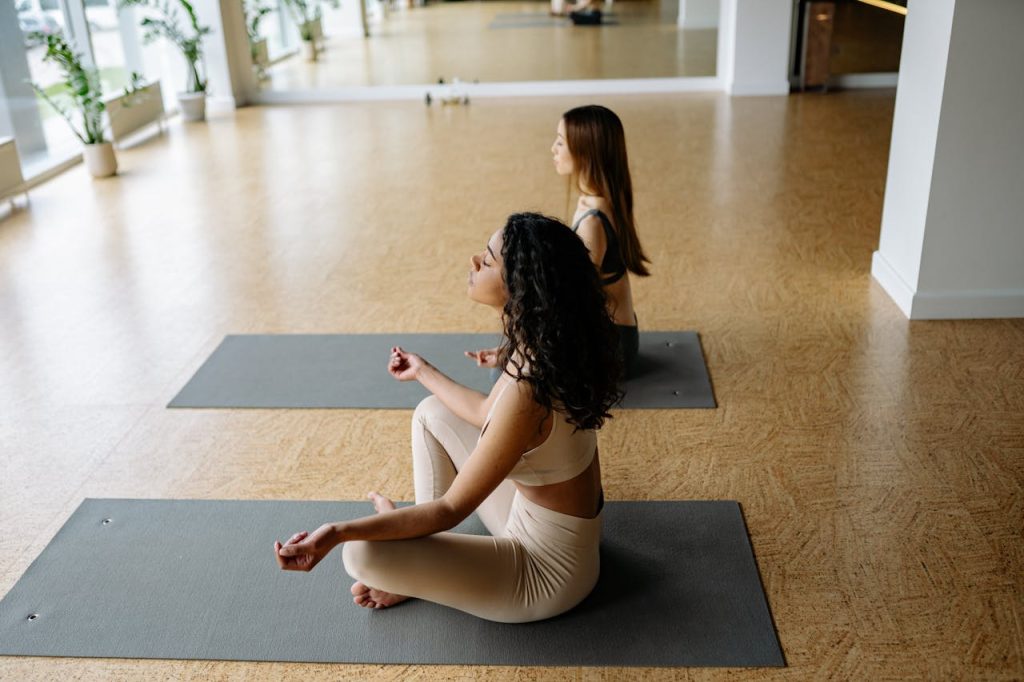
Consistency is key to reaping the benefits of meditation exercises. Here are some tips to maintain a successful practice:
- Start Small: Even 5 minutes a day is enough to see results.
- Establish a Routine: Meditate at the same time each day to build a habit.
- Minimise Distractions: Turn off notifications and create a peaceful environment.
- Be Patient: Mindfulness is a skill that develops gradually. Don’t judge yourself for wandering thoughts.
- Use Guided Resources: Apps, audio guides, and online tutorials can help maintain focus.
Benefits of Incorporating Meditation Exercises Daily
Regular meditation practice brings lasting benefits to both your mind and body:
- Reduced Stress Levels: Lower anxiety and enhanced emotional balance.
- Improved Concentration: Better focus at work, school, or daily life tasks.
- Enhanced Emotional Intelligence: Greater awareness of your own emotions and empathy toward others.
- Better Sleep Quality: Reduced insomnia and deeper restorative sleep.
- Stronger Immune System: Studies suggest mindfulness practices improve immunity.
- Increased Resilience: A calm mind can adapt better to challenges and uncertainty.
How We Can Help
At Mindfulness Meditation Hub, we specialise in guiding individuals through a variety of meditation exercises designed to suit every level. Whether you are seeking stress relief, emotional balance, or improved focus, our resources and guided sessions make it easy to start and maintain your practice.
We offer:
- Step-by-step guides for beginners and advanced meditators
- Audio- and video-guided meditations
- Tips for creating a personal meditation routine
- Insights on mindfulness techniques tailored to your lifestyle
Our mission is to make mindfulness accessible, practical, and enjoyable for everyone.
Final Thoughts
Incorporating meditation exercises into your daily routine is a powerful way to enhance mental clarity, reduce stress, and improve overall well-being. From mindful breathing to loving-kindness meditation, each technique offers unique benefits that can transform your life.
Start small, stay consistent, and explore the exercises that resonate with you. With regular practice, meditation can help you cultivate a sense of inner peace, emotional balance, and mental resilience.
Remember, mindfulness is a journey, not a destination. Each moment of awareness contributes to a calmer, more focused, and fulfilled life.
FAQs for Meditation Exercises
What are meditation exercises?
Meditation exercises are structured practices that help you focus your mind, increase awareness, and cultivate mindfulness. They include techniques like mindful breathing, body scans, and guided visualization.
How often should I practice meditation exercises?
For best results, start with 5–10 minutes daily. Gradually increase the time as you become more comfortable. Consistency is more important than duration.
Can beginners do meditation exercises?
Yes! Meditation exercises are suitable for beginners. Start with simple techniques like mindful breathing or guided meditations to build your foundation.
How long does it take to see benefits from meditation exercises?
Many people notice reduced stress and improved focus within a few weeks of consistent practice. Long-term benefits, like emotional resilience and better sleep, develop over months.
Do I need a quiet place to practice meditation exercises?
While a quiet environment helps, you can practice almost anywhere. The key is minimizing distractions and focusing your attention on your breath or chosen technique.
What is the difference between mindfulness and meditation exercises?
Mindfulness is the overall practice of being present and aware in daily life. Meditation exercises are structured techniques that cultivate mindfulness intentionally.
Can meditation exercises reduce stress?
Absolutely. Meditation exercises help lower cortisol levels, calm the nervous system, and reduce anxiety, promoting a sense of relaxation and well-being.
Are there different types of meditation exercises?
Yes. Common types include mindful breathing, body scan meditation, loving-kindness meditation, walking meditation, and mantra meditation. Each offers unique benefits.
How can I stay focused during meditation exercises?
Focus on your breath, mantra, or body sensations. When your mind wanders, gently return your attention without judgment. Consistent practice improves concentration over time.
Can meditation exercises improve sleep?
Yes. Meditation exercises promote relaxation, lower stress, and prepare your mind and body for restful sleep. Practices like guided visualization or body scans are especially helpful.
Do I need a teacher to do meditation exercises?
No, a teacher isn’t required. You can follow guided meditations, audio programs, or written instructions. However, a teacher can provide personalized guidance for deeper practice.
Can children do meditation exercises?
Yes. Simple meditation exercises, like mindful breathing or short guided meditations, are suitable for children and can help them manage emotions and improve focus.
How do meditation exercises help with emotional health?
By increasing self-awareness, meditation exercises allow you to observe your thoughts and emotions without reacting impulsively, which reduces stress, anxiety, and emotional reactivity.
Can meditation exercises be combined with other wellness practices?
Definitely. Meditation exercises complement yoga, physical fitness, journaling, and other mindfulness practices, enhancing overall mental, emotional, and physical well-being.
What’s the best time of day to practice meditation exercises?
The best time is when you can practice consistently. Many people find morning meditation energizing, while evening meditation helps with relaxation and sleep.
Related Topics
- How to Practice Meditation: A Step-by-Step Guide for Beginners
- How Do I Start to Meditate? A Complete Beginner’s Guide
- What Do You Do When You Meditate? A Complete Guide
- How to Meditate Daily: A Simple Guide to Building a Lifelong
- Meditation Techniques for Anxiety | Calm Your Mind Naturally
- How to Meditate Effectively: A Step-by-Step Guide for Beginners
- Best Way to Meditate: A Complete Guide for Beginners and Experts
- Mind Success: Unlock Your Full Potential with Proven Techniques
- Stress Meditation: How Mindfulness Helps Reduce Stress
- What Do You Do When You Meditate? A Complete Guide
- Breathing Meditation Techniques for Beginners: A Complete Guide
- How to Meditate Daily: A Simple Guide to Building a Lifelong
- Grief Meditation: A Healing Practice for Emotional Recovery
- 5 Minute Meditation Scripts: Quick & Effective Guided Meditation
- Meditating at Home: Guide to Finding Peace and Balance
- Meditation and Sounds: Boost Mindfulness & Relaxation