
Meditation explained in simple terms for beginners. Learn the benefits, techniques, types, and how meditation improves mental clarity, stress relief, focus, and emotional wellness.
Overview
In today’s fast-paced world, stress, anxiety, and mental exhaustion have become part of daily life. People everywhere are searching for ways to feel calmer, healthier, and more balanced. One practice that continues to transform lives across the globe is meditation.
But for many beginners, meditation can feel confusing or even intimidating. Questions like “What exactly is meditation?” or “How do I meditate correctly?” are incredibly common. That’s why this guide on meditation explained is designed to make the practice simple, approachable, and practical for everyone.
Whether you are completely new to mindfulness or looking to deepen your understanding, this article will walk you through everything you need to know.
What Is Meditation?
When discussing meditation as explained, it’s important to begin with the basics.
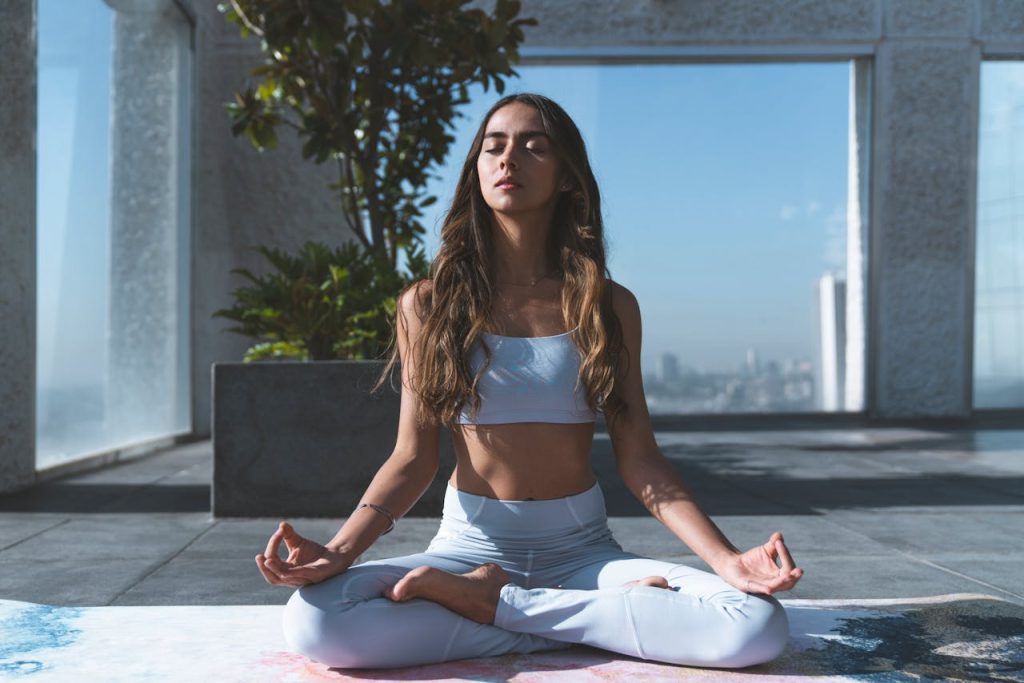
Meditation is a mental practice that trains your attention, awareness, and focus. It involves calming the mind, observing thoughts without judgment, and creating a state of inner peace and clarity.
Contrary to popular belief, meditation is not about completely stopping thoughts. Instead, it’s about learning how to observe thoughts calmly without becoming overwhelmed by them.
Meditation often includes the following:
- Deep breathing
- Focused attention
- Mindfulness awareness
- Relaxation techniques
- Guided visualization
- Silent reflection
People meditate for many reasons, including stress relief, emotional balance, spiritual growth, and mental clarity.
The History of Meditation
To fully understand meditation as explained, it helps to know where meditation comes from.
Meditation has existed for thousands of years and originated in ancient Eastern traditions such as the following:
- Buddhism
- Hinduism
- Taoism
Over time, meditation spread throughout the world and evolved into both spiritual and secular practices. Today, meditation is widely used in the following:
- Mental health therapy
- Corporate wellness programs
- Schools and universities
- Fitness and wellness centers
- Personal development routines
Modern science has also validated many benefits of meditation, making it more mainstream than ever before.
How Meditation Works
One of the most important parts of meditation explained is understanding how meditation affects the brain and body.
Meditation works by helping the nervous system move from a stressed “fight or flight” state into a calmer “rest and restore” state.
During meditation:
- Breathing slows down
- Heart rate becomes steadier
- Stress hormones decrease
- Focus and awareness improve
- Muscles relax
- Mental chatter quiets
Research shows that regular meditation can even positively affect brain structure over time, especially areas connected to attention, emotional regulation, and memory.
Different Types of Meditation
There is no one-size-fits-all approach to meditation. Understanding different methods is an essential part of meditation, explained.
1. Mindfulness Meditation
Mindfulness meditation focuses on staying present in the current moment.
Practitioners observe:
- Thoughts
- Feelings
- Sensations
- Breathing
without judgment.
This is one of the most popular meditation styles today because it’s simple and highly effective.
2. Guided Meditation
Guided meditation involves listening to a teacher or audio guide who leads you through the practice.
This often includes:
- Relaxation instructions
- Visualization
- Positive affirmations
- Breath awareness
Guided meditation is ideal for beginners.
3. Loving-Kindness Meditation
Also called Metta meditation, this practice focuses on developing compassion and kindness toward yourself and others.
It often includes silently repeating phrases such as the following:
- “May I be happy?”
- “May I be peaceful?”
- “May others be safe.”
4. Transcendental Meditation
This technique involves silently repeating a specific mantra to help settle the mind into deep relaxation.
5. Breath Awareness Meditation
This simple technique focuses entirely on breathing patterns.
Practitioners pay attention to:
- Inhaling
- Exhaling
- Breath rhythm
This method is excellent for reducing anxiety and improving concentration.
Benefits of Meditation
No guide on meditation explained is complete without discussing the powerful benefits.
Mental Benefits
Meditation can help:
Emotional Benefits
Many people use meditation to:
Physical Benefits
Meditation may also:
- Improve sleep quality
- Lower blood pressure
- Reduce muscle tension
- Support immune function
- Boost overall relaxation
Spiritual Benefits
For some individuals, meditation creates the following:
- Greater self-understanding
- Inner peace
- A deeper sense of purpose
- Spiritual connection
Meditation Explained for Beginners
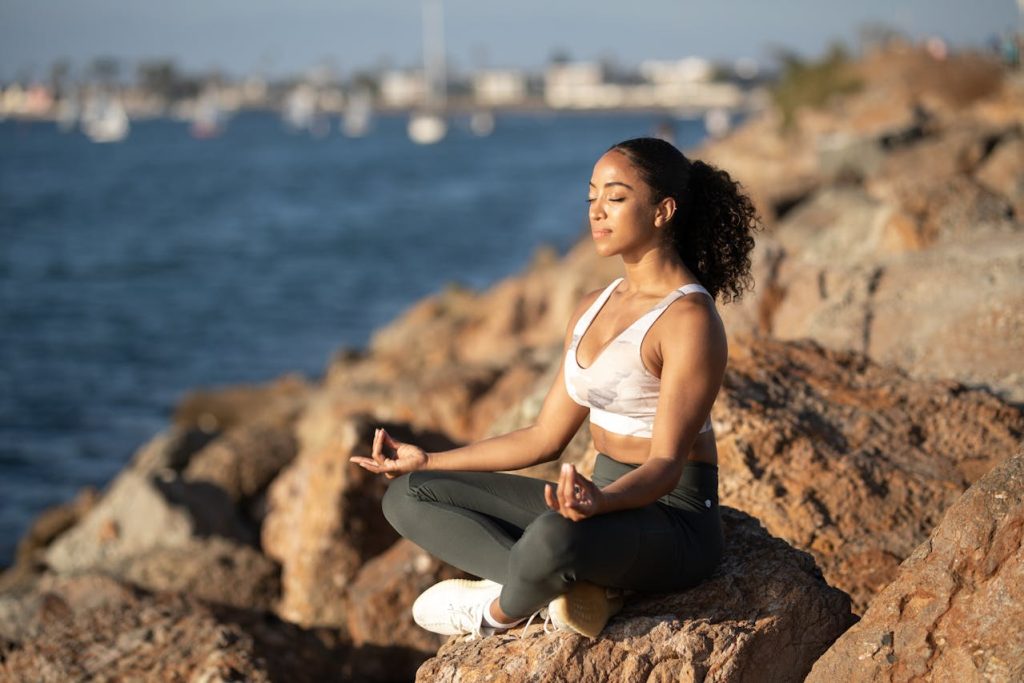
If you are new to meditation, don’t worry. Starting can be simple.
Step 1: Find a Quiet Space
Choose a calm, comfortable location with minimal distractions.
Step 2: Sit Comfortably
You do not need to sit cross-legged unless you want to.
You can:
- Sit in a chair
- Sit on a cushion
- Lie down comfortably
Step 3: Focus on Your Breath
Pay attention to:
- The sensation of breathing
- Air entering and leaving the body
- The rise and fall of your chest
Step 4: Notice Wandering Thoughts
Your mind will wander. That’s completely normal.
The goal is not perfection. Simply notice the thought and gently return your focus to breathing.
Step 5: Start Small
Beginners can start with:
- 5 minutes daily
- 10 minutes daily
Consistency matters more than duration.
Common Meditation Myths
When discussing meditation as explained, it’s important to clear up common misconceptions.
Myth 1: Meditation Requires an Empty Mind
Truth:
Thoughts are natural. Meditation teaches awareness, not mental perfection.
Myth 2: Meditation Is Only Spiritual
Truth:
While meditation has spiritual roots, many people practice it purely for wellness and mental health.
Myth 3: Meditation Takes Hours
Truth:
Even short daily sessions can provide meaningful benefits.
Myth 4: Meditation Is Difficult
Truth:
Meditation is a skill that improves with practice.
How to Build a Daily Meditation Habit
Creating consistency is key.
Set a Regular Time
Meditate:
- Early morning
- Before bed
- During lunch breaks
Choose a time you can maintain consistently.
Use Guided Meditation Apps
Many beginners benefit from guided sessions that provide structure and support.
Create a Calm Environment
You can enhance meditation with:
- Soft lighting
- Comfortable seating
- Gentle background sounds
- Aromatherapy
Be Patient With Yourself
Progress takes time. Some days will feel easier than others.
Why Meditation Is More Popular Than Ever
Modern lifestyles often create the following:
- Constant distractions
- Digital overload
- Chronic stress
- Mental fatigue
As a result, more people are searching for healthy ways to reconnect with themselves.
That’s why searches related to meditation explained continue to grow every year. People are discovering that meditation offers a natural, accessible way to improve mental wellness and emotional balance.
Businesses, schools, healthcare providers, and wellness platforms are now integrating mindfulness practices into daily routines because of their proven benefits.
The Connection Between Mindfulness and Meditation
Mindfulness and meditation are closely connected, but they are not exactly the same.
Mindfulness
Mindfulness means being fully present and aware during everyday life.
Examples include:
- Mindful eating
- Mindful walking
- Mindful listening
Meditation
Meditation is a structured practice used to strengthen mindfulness and awareness.
Together, they create a powerful foundation for emotional and mental well-being.
How Our Meditation Services Can Help
At Mindfulness Meditation Hub, we are passionate about helping people discover the life-changing benefits of meditation and mindfulness.
Our platform offers:
- Beginner-friendly meditation guides
- Mindfulness education
- Relaxation techniques
- Guided meditation resources
- Wellness-focused content
- Personal growth support
Whether you are just beginning your journey or looking to deepen your practice, our goal is to make meditation approachable, practical, and transformative.
Final Thoughts on Meditation Explained
Understanding meditation explained doesn’t have to feel overwhelming. Meditation is simply the practice of becoming more present, calm, and aware.
With regular practice, meditation can improve:
- Mental clarity
- Emotional resilience
- Physical relaxation
- Overall quality of life
The best part is that anyone can begin, regardless of age, experience, or lifestyle.
Even a few minutes each day can create meaningful changes over time.
If you’re ready to reduce stress, improve focus, and reconnect with inner peace, meditation may become one of the most valuable habits you ever develop.
FAQs for Meditation Explained
What is meditation and how does it work?
Meditation is a practice that helps calm the mind, improve focus, and increase self-awareness through breathing, mindfulness, or concentration techniques. It works by helping the brain relax and reducing mental stress.
Is meditation suitable for beginners?
Yes, meditation is perfect for beginners. Simple techniques like mindful breathing or guided meditation can help anyone start building a meditation habit without prior experience.
How long should I meditate each day?
Beginners can start with 5–10 minutes daily. As you become more comfortable, you can gradually increase the duration based on your personal goals and schedule.
What are the main benefits of meditation?
Meditation can help reduce stress, improve concentration, support emotional wellness, enhance sleep quality, and promote overall mental clarity and relaxation.
Can meditation help with anxiety and stress?
Many people use meditation to manage stress and anxiety. Mindfulness and breathing exercises can help calm racing thoughts and encourage emotional balance.
Do I need complete silence to meditate?
No, complete silence is not necessary. While a quiet environment can help, many people meditate successfully with soft background music or guided audio sessions.
What is the difference between mindfulness and meditation?
Mindfulness is the practice of staying present during daily activities, while meditation is a dedicated practice that helps train mindfulness and mental awareness.
Can meditation improve sleep quality?
Yes, meditation can relax the nervous system, reduce overthinking, and help create a calmer mental state before bedtime, which may improve sleep quality.
Is meditation connected to religion?
Meditation has roots in spiritual traditions, but modern meditation is widely practiced as a wellness and mental health tool by people of all backgrounds and beliefs.
What is the best type of meditation for beginners?
Guided meditation and breath awareness meditation are often the easiest and most effective starting points for beginners.
How quickly can I see results from meditation?
Some people notice benefits like relaxation and mental clarity after just a few sessions, while long-term emotional and mental improvements usually develop through regular practice.
Can children and teenagers practice meditation?
Yes, meditation can be beneficial for children and teenagers by helping improve focus, emotional regulation, and stress management when practiced appropriately.
What should I do if my mind keeps wandering during meditation?
Wandering thoughts are completely normal during meditation. Simply notice the distraction and gently return your attention to your breathing or focus point.
Do I need special equipment to meditate?
No special equipment is required. You only need a comfortable place to sit or relax. Some people choose to use cushions, calming music, or meditation apps for support.
Why is meditation becoming so popular today?
Meditation is growing in popularity because more people are seeking natural ways to reduce stress, improve mental wellness, and maintain balance in busy modern lifestyles.
Related Topics
- How to Practice Meditation: A Step-by-Step Guide for Beginners
- How Do I Start to Meditate? A Complete Beginner’s Guide
- What Do You Do When You Meditate? A Complete Guide
- How to Meditate Daily: A Simple Guide to Building a Lifelong
- Meditation Techniques for Anxiety | Calm Your Mind Naturally
- How to Meditate Effectively: A Step-by-Step Guide for Beginners
- Best Way to Meditate: A Complete Guide for Beginners and Experts
- Mind Success: Unlock Your Full Potential with Proven Techniques
- Stress Meditation: How Mindfulness Helps Reduce Stress
- What Do You Do When You Meditate? A Complete Guide
- Breathing Meditation Techniques for Beginners: A Complete Guide
- How to Meditate Daily: A Simple Guide to Building a Lifelong
- Grief Meditation: A Healing Practice for Emotional Recovery
- 5 Minute Meditation Scripts: Quick & Effective Guided Meditation
- Meditating at Home: Guide to Finding Peace and Balance
- Meditation and Sounds: Boost Mindfulness & Relaxation