
10-Minute Anxiety Meditation You Need in Your Daily Routine
Note to Our Visitors
Welcome to our “Meditation for Anxiety” guide! Whether you’re feeling overwhelmed, dealing with anxious thoughts, or simply seeking a sense of calm, this gentle, step-by-step practice is designed to help you relax your mind and body. This guide focuses on simple techniques you can use anytime to reduce anxiety, restore balance, and feel more grounded in the present moment. Move at your own pace, listen to your breath, and remember—healing takes time. With regular practice and self-compassion, you’ll begin to notice greater calm, clarity, and emotional ease.
Take a deep breath and begin your journey toward peace.
Happy meditating! 🌿✨
Table of Contents
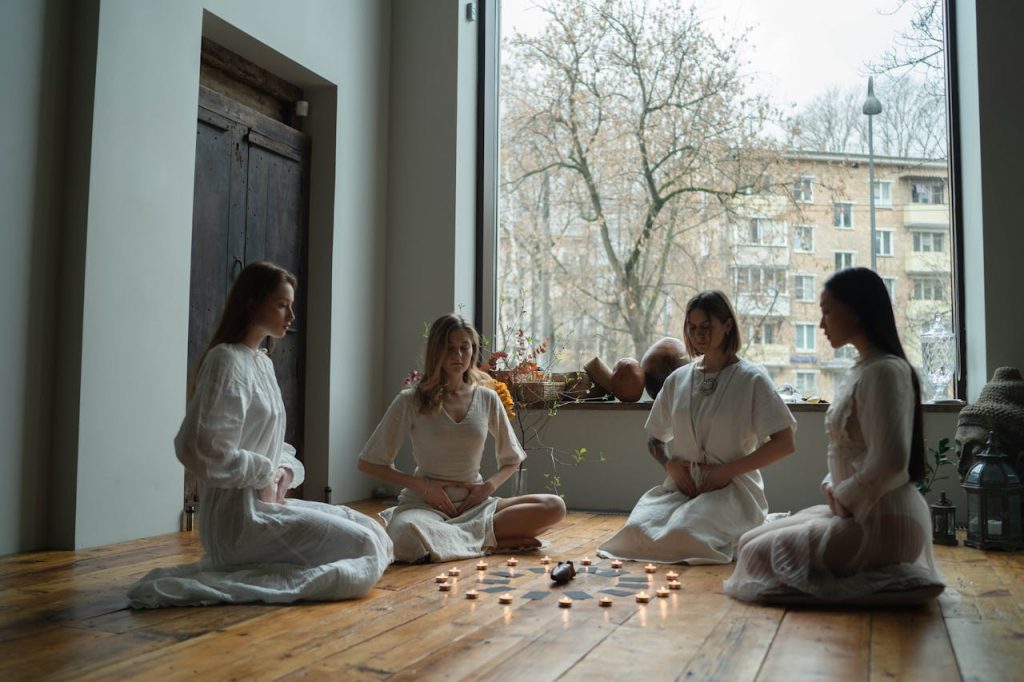
Why a 10-Minute Practice Is Enough
Many people believe meditation requires long sessions or years of experience. In reality, consistency matters more than duration. A focused 10-minute session can:
- Calm the nervous system
- Improve emotional regulation
- Reduce mental clutter
- Build awareness of anxious thought patterns
Short practices are also easier to maintain, making them ideal for beginners and busy professionals alike.
imes referred to as the “rest and reset” mechanism. With regular practice, the mind learns to observe thoughts without becoming overwhelmed by them.
10-Minute Meditation For Anxiety by goodful
Why a 10-Minute Practice Is Enough
Many people believe meditation requires long sessions or years of experience. In reality, consistency matters more than duration. A focused 10-minute session can:
- Calm the nervous system
- Improve emotional regulation
- Reduce mental clutter
- Build awareness of anxious thought patterns
Short practices are also easier to maintain, making them ideal for beginners and busy professionals alike.
How Meditation Helps with Anxiety Relief
A structured approach to meditation for anxiety works by shifting attention away from fear-based thinking and grounding awareness in the present moment. This process creates psychological distance between you and anxious thoughts.
Key Benefits Include:
- Lower cortisol (stress hormone) levels
- Improved breathing patterns
- Reduced emotional reactivity
- Greater sense of inner stability
Over time, this practice can rewire how the brain responds to stress, making anxious reactions less intense and more manageable.
Preparing for Your 10-Minute Meditation
Before starting, set yourself up for success with a calm environment and a clear intention.
Choose the Right Space
- Quiet and free from distractions
- Comfortable seating or cushion
- Soft lighting, if possible
Set an intention.
Your intention could be as simple as:
- “I allow myself to feel calm.”
- “I am safe in this moment.”
- “I observe my thoughts without judgment.”
This mental cue helps anchor your focus during the practice.

Step-by-Step: 10 Minutes of meditation for Anxiety
Step 1: Grounding the Body (2 Minutes)
Sit comfortably with your spine upright but relaxed. Close your eyes gently.
- Feel the weight of your body
- Notice points of contact with the floor or chair
- Allow your shoulders to soften
This grounding signals safety to the nervous system.
Step 2: Breathing Awareness (4 Minutes)
Bring attention to your breath without forcing it.
- Inhale slowly through the nose.
- Exhale gently through the mouth.
- Observe the rise and fall of the chest or belly.
If your mind wanders, gently guide it back to the breath. This simple focus is central to effective meditation for anxiety.
Step 3: Observing Thoughts (3 Minutes)
Rather than fighting anxious thoughts, allow them to pass like clouds.
- Notice the thought.
- Acknowledge it without judgment
- Let’s move on.
This practice reduces the emotional charge associated with anxiety triggers.
Step 4: Closing with Calm Awareness (1 Minute)
Take a final deep breath and mentally scan your body.
- Notice any changes in tension.
- Observe a sense of calm or neutrality
- Gently open your eyes.
Carry this calm awareness with you for the rest of your day.
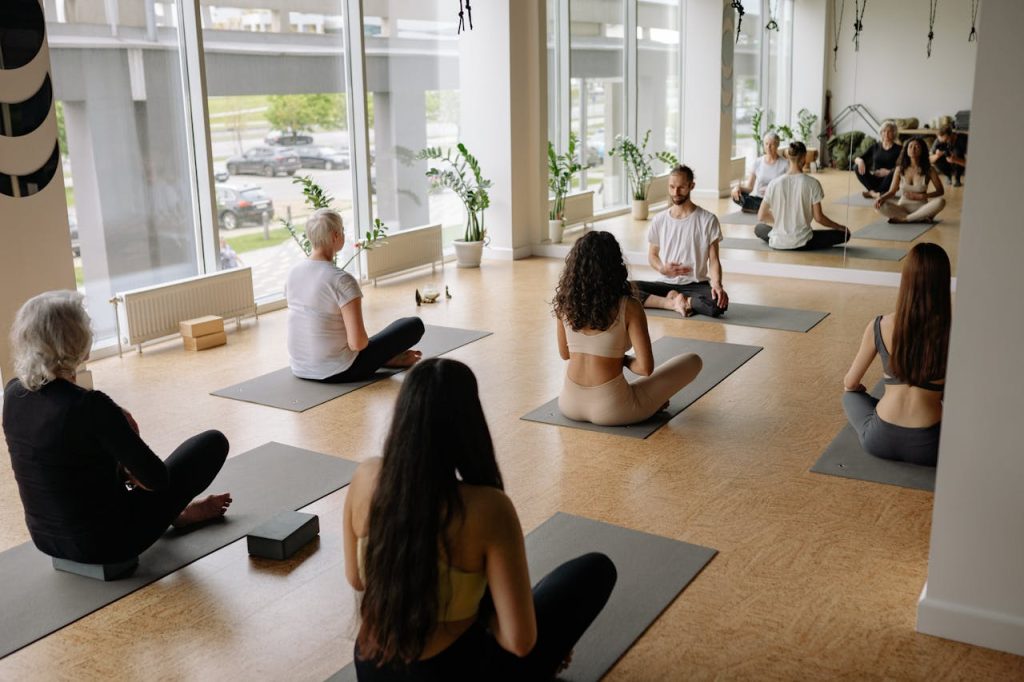
Common Challenges and How to Overcome Them
“My Mind Won’t Stop Racing”
This is normal. Meditation is not about stopping thoughts but changing your relationship with them. Each time you return to your breath, you strengthen mental resilience.
“I Don’t Have Time”
Ten minutes is achievable for most schedules. Morning, lunch breaks, or before bed are ideal moments.
“I’m Not Doing It Right”
There is no perfect meditation. Showing up consistently is what matters.
Making Meditation a Daily Habit
Consistency turns meditation from a tool into a lifestyle practice. To build a sustainable habit:
- Practice at the same time daily
- Use a timer or guided session.
- Track your progress weekly.
- Be patient with yourself.
Daily meditation for anxiety works best when paired with healthy sleep, movement, and mindful breathing throughout the day.
Scientific Support Behind Meditation
Research consistently shows that mindfulness practices can reduce anxiety symptoms. Studies link regular meditation to:
- Reduced amygdala activity (the fear center of the brain)
- Increased emotional regulation
- Improved attention and focus
- Lower perceived stress levels
These changes explain why even short daily sessions can have a lasting impact.
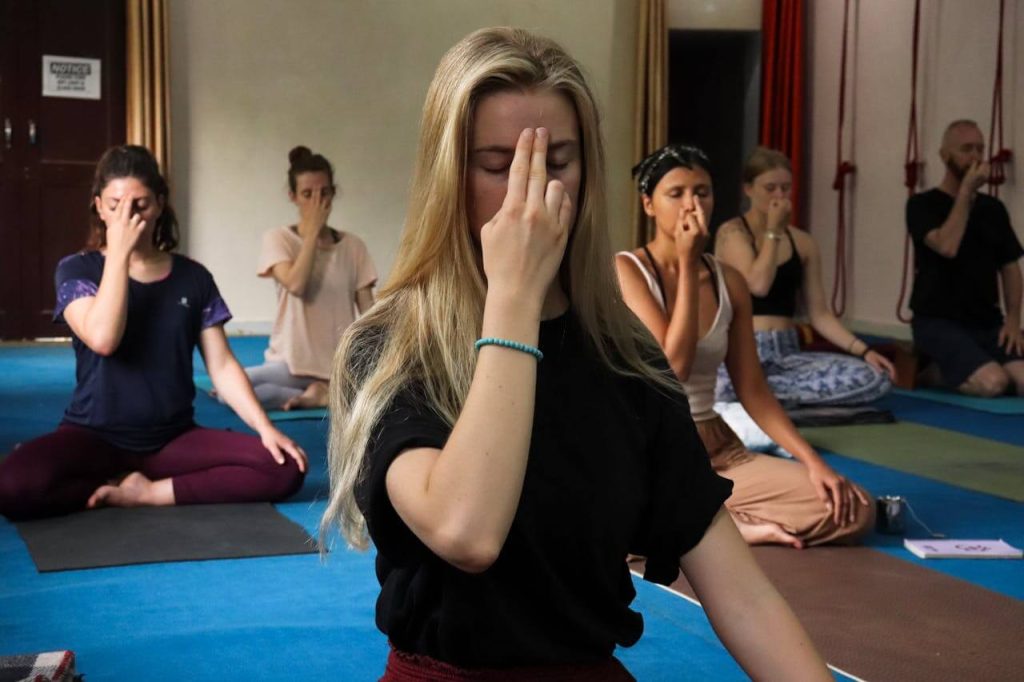
Who Can Benefit Most from This Practice?
This 10-minute approach is especially effective for:
- Professionals under constant pressure
- Individuals experiencing chronic stress
- People new to mindfulness
- Anyone seeking natural anxiety management
It requires no equipment, no prior experience, and no drastic lifestyle changes.
Final Thoughts: Small Practice, Big Impact
Anxiety isn’t something that vanishes instantly, but the way you relate to it can shift significantly. A brief, ten-minute daily practice can cultivate mental space, emotional clarity, and a feeling of being in control. With regular practice, meditation for anxiety evolves beyond a simple method; it transforms into a dependable source of stability when things get tough.
Begin with manageable steps, maintain a steady pace, and let things develop as they will. Eventually, those ten minutes could become the most stabilizing element of your daily routine.
Related Topics
- Anxiety Loops: How to Break the Cycle and Restore Inner Calm
- Relieving Stress Meditation: Reduce Anxiety & Improve Well-Being
- Mindfulness Meditation for Anxiety: Calm Your Mind
- Meditation Techniques for Anxiety | Calm Your Mind Naturally
- Meditation Practices for Anxiety: Techniques to Reduce Stress
- Mindfulness and Meditation for Anxiety: A Complete Guide
- How to Practice Meditation: A Step-by-Step Guide for Beginners
- How Do I Start to Meditate? A Complete Beginner’s Guide
- What Do You Do When You Meditate? A Complete Guide
- How to Meditate Daily: A Simple Guide to Building a Lifelong
- Meditation Techniques for Anxiety | Calm Your Mind Naturally
- How to Meditate Effectively: A Step-by-Step Guide for Beginners
- Best Way to Meditate: A Complete Guide for Beginners and Experts
- Mind Success: Unlock Your Full Potential with Proven Techniques
- Stress Meditation: How Mindfulness Helps Reduce Stress
- What Do You Do When You Meditate? A Complete Guide
- Breathing Meditation Techniques for Beginners: A Complete Guide
- How to Meditate Daily: A Simple Guide to Building a Lifelong
- Grief Meditation: A Healing Practice for Emotional Recovery
- 5 Minute Meditation Scripts: Quick & Effective Guided Meditation
- Meditating at Home: Guide to Finding Peace and Balance
- Meditation and Sounds: Boost Mindfulness & Relaxation
Meditation FAQs
Everything You Need to Know to Get Started
The word “meditation” literally means thinking in the same direction. Hence, meditation teaches the mind to stay focused and return to thoughts that we have no control over, thus promoting mental clarity, emotional calmness, and a peaceful state of mind.
Regular meditation can bring about immediate benefits such as stress reduction, as well as long-term improvements in focus, emotional wellness, and overall well-being.
Take the first 5-10 minutes in a quiet place. Find a comfortable position, close your eyes, and concentrate on your breath, guiding your mind back when it drifts.
The best time to meditate is when it fits into your schedule. While many prefer the morning, you can choose a time that works best for you. Headspace
Find a space where you can devote your time to performing the exercises, such as a quiet spot in your home free from distractions.
Promote relaxed clothing that does not limit mobility. Remove tight clothes so as to relax. Headspace
Begin by doing 5-10 minutes a day and increase the time gradually as you get more comfortable. Dummies – Learning Made Easy
Numerous types of meditation exist, each with its unique approach and benefits. These include mindfulness meditation, focused attention meditation, loving-kindness meditation, and body scan meditation. Exploring these can add variety and depth to your practice. Learn more.
Sitting is recommended to stay awake, but lying down is also acceptable, especially if sitting is not comfortable. Learn more.
It’s entirely natural for your mind to wander during meditation. When this happens, guide your attention back to your chosen anchor point, such as your breath.
Not at all; sit in any relaxed, comfortable position that allows you to keep your back straight.
Meditation has been demonstrated to alleviate symptoms of anxiety and depression as it promotes relaxation and a state of present-moment awareness.
Correct your posture, take support with cushions, and do gentle stretches before meditating.
The most common misconception about meditation is that it requires a teacher.
Although not required, a teacher can provide structure and the support you’ll recommend when you start, and meditation apps can help you, too.
Some benefits, like immediate stress reduction, can be experienced right after a session, while others, like improved focus, may take weeks of consistent practice to develop fully.
- Home
- Getting Started with Meditation
- Explore Powerful Meditation Methods
- A Beginner’s Guide to Inner Peace
- Why Meditation Can Transform Your Life
- Mindfulness & Meditation Resources
- 10-Minute Anxiety Meditation You Need in Your Daily Routine
Retreats
Top 5 Meditation Sites You Need to Know for Inner Peace and Focus
🧘♂️ 1. Headspace
Website: www.headspace.com
- One of the most popular platforms for guided meditation and mindfulness.
- Offers structured programs for stress, sleep, focus, and anxiety.
- Includes a user-friendly app with animations and expert tips.
🧘♀️ 2. Calm
Website: www.calm.com
- Known for its soothing interface and soundscapes.
- It offers sleep stories, breathing exercises, and meditation tracks.
- Ideal for both beginners and advanced users.
🧘 3. Insight Timer
Website: www.insighttimer.com
- It offers the world's most extensive free library of guided meditations.
- It features thousands of teachers, live sessions, and music for mindfulness.
- Great for variety and exploring different meditation styles.
🧘♂️ 4. The Chopra Center
Website: www.chopra.com
- Founded by Deepak Chopra, this site blends meditation with Ayurvedic wellness.
- Offers guided sessions, spiritual growth content, and wellness courses.
- Well-respected in both scientific and spiritual wellness circles.
🧘♀️ 5. UCLA Mindful Awareness Research Center
Website: www.uclahealth.org/marc
- A research-based meditation resource from UCLA.
- Offers free guided meditations and mindfulness classes.
- It is backed by neuroscience and is ideal for users looking for evidence-based mindfulness.