
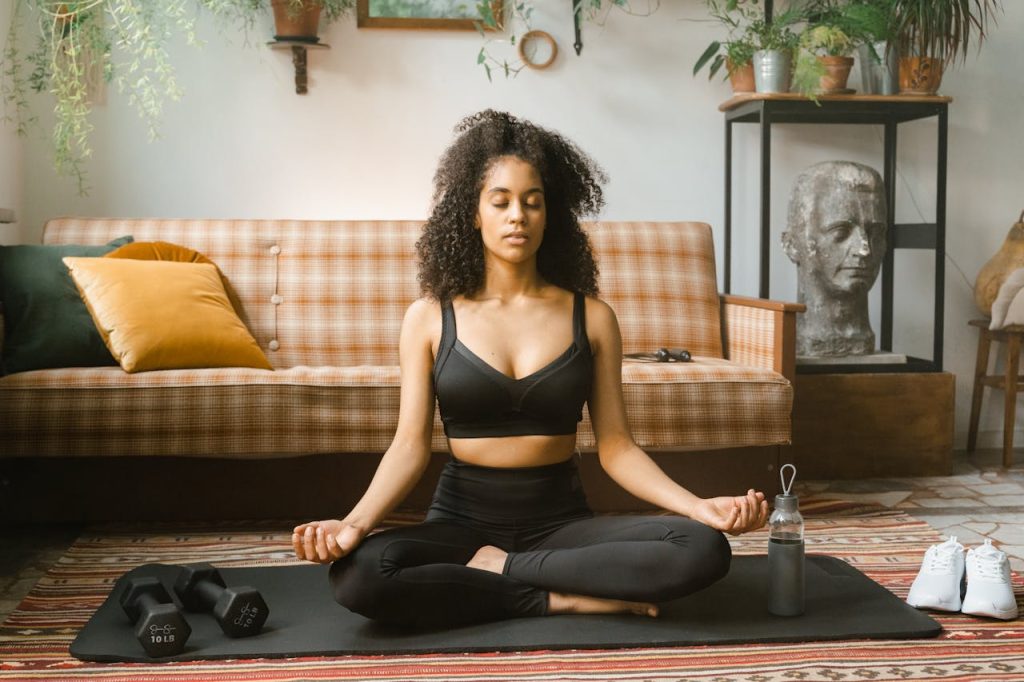
Looking for clear meditation instructions? Discover a complete step-by-step guide for beginners to build a daily meditation practice, reduce stress, and improve focus with expert guidance.
Overview
If you’ve ever searched for clear and practical meditation instructions, you’re not alone. Many people want to meditate but feel unsure about where to start, how long to sit, or whether they’re “doing it right.” The truth is, meditation doesn’t have to be complicated. With the right guidance and structure, anyone can begin building a meaningful daily practice.
At Mindfulness Meditation Hub, we specialize in providing accessible, easy-to-follow meditation instructions that support beginners and experienced practitioners alike. This guide will walk you step-by-step through everything you need to know to start meditating with confidence.
What Is Meditation?
Before diving into meditation instructions, it’s important to understand what meditation truly means.
Meditation is a practice of training attention and awareness. It involves intentionally focusing your mind—often on the breath, bodily sensations, or a simple anchor—to cultivate clarity, calm, and emotional balance.
Meditation is not:
- Emptying your mind completely
- Forcing yourself to “stop thinking”
- A religious ritual (unless you choose it to be)
- Something only experts can do
It is simply a skill. And like any skill, it improves with practice.
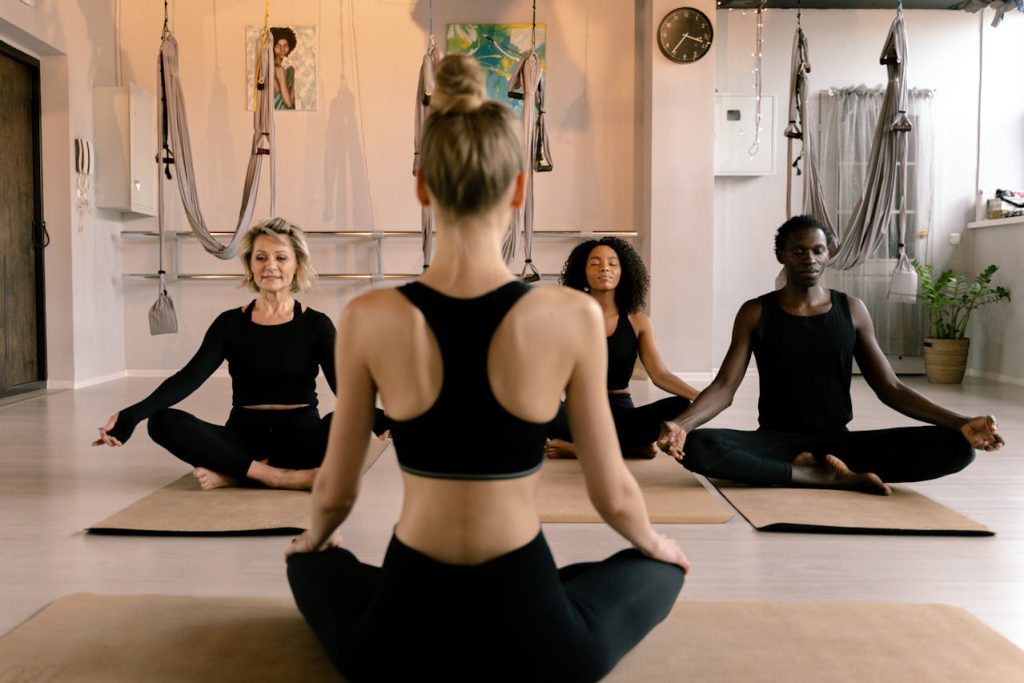
Why Clear Meditation Instructions Matter
Many beginners struggle because they don’t have clear meditation instructions. Without structure, the mind can wander, frustration can build, and people may give up too soon.
Clear guidance helps you:
- Know exactly what to focus on
- Understand what to do when your mind wanders
- Build confidence in your practice
- Stay consistent
- Experience real benefits sooner
That’s why having structured meditation instructions is one of the most important factors in building a successful meditation habit.
How to Prepare for Meditation
Before we walk through the step-by-step meditation instructions, let’s prepare your environment and mindset.
1. Choose a Quiet Space
Find a space where you can sit comfortably without interruptions. It doesn’t have to be completely silent—just relatively calm.
2. Set a Time Limit
If you’re a beginner, start with:
- 5–10 minutes per day
You can gradually increase this as you become more comfortable.
3. Sit Comfortably
You can:
- Sit on a chair with your feet flat on the floor.
- Sit cross-legged on a cushion
- Sit upright on your bed
Keep your back straight but relaxed. Comfort is key.
Step-by-Step Meditation Instructions for Beginners
Now let’s walk through simple and effective meditation instructions you can use immediately.
Step 1: Close Your Eyes or Soften Your Gaze
Gently close your eyes or lower your gaze to reduce visual distractions.
Step 2: Bring Attention to Your Breath
Notice your breathing without trying to control it.
Pay attention to:
- The air entering your nose
- The rise and fall of your chest
- The sensation of breathing in your abdomen
Your breath becomes your anchor.
Step 3: When the Mind Wanders, Gently Return
Your mind will wander. That’s normal.
When you notice:
- Thinking
- Planning
- Worrying
- Remembering
Simply acknowledge it without judgment and gently return your attention to your breath.
This step is the core of all meditation instructions—the act of noticing and returning.
Step 4: Stay Present
Continue observing your breath for the duration of your session.
No need to force calm. Just observe.
Step 5: Gently End Your Session
When your timer goes off:
- Take one deep breath.
- Slowly open your eyes.
- Notice how you feel
That’s it. You’ve completed a meditation session.
How Long Should You Meditate?
When following meditation instructions, consistency matters more than duration.
For beginners:
- 5–10 minutes daily is ideal.
- Gradually increase to 15–20 minutes
- Advanced practitioners may meditate 30+ minutes.
Daily consistency builds the mental “muscle” of awareness.
Common Challenges (And How to Overcome Them)
Even with clear meditation instructions, beginners often encounter obstacles.
“I Can’t Stop Thinking”
You’re not supposed to.
Meditation isn’t about stopping thoughts—it’s about noticing them. Each time you return to the breath, you’re strengthening focus.
“I Feel Restless”
Restlessness is normal. Try:
- Shorter sessions
- Sitting more comfortably
- Practicing at the same time daily
“I Don’t Feel Calm”
Calm is a byproduct, not the goal. The goal is awareness.
Follow the meditation instructions consistently, and benefits will gradually emerge.
Different Types of Meditation Instructions
While breath awareness is the foundation, there are other approaches you can explore.
1. Body Scan Meditation
Focus attention gradually from head to toe, noticing sensations.
Benefits:
2. Loving-Kindness Meditation
Silently repeat phrases such as
- “May I be safe.”
- “May I be healthy.”
- “May I live with ease.”
This practice cultivates compassion and emotional balance.
3. Guided Meditation
Listening to structured meditation instructions from a teacher can help:
- Maintain focus
- Provide reassurance
- Deepen your experience
This is especially helpful for beginners.
Benefits of Following Structured Meditation Instructions
When practiced regularly, meditation can support:
- Reduced stress
- Improved focus
- Better emotional regulation
- Increased self-awareness
- Improved sleep
- Greater resilience
The key is consistent practice with reliable meditation instructions.
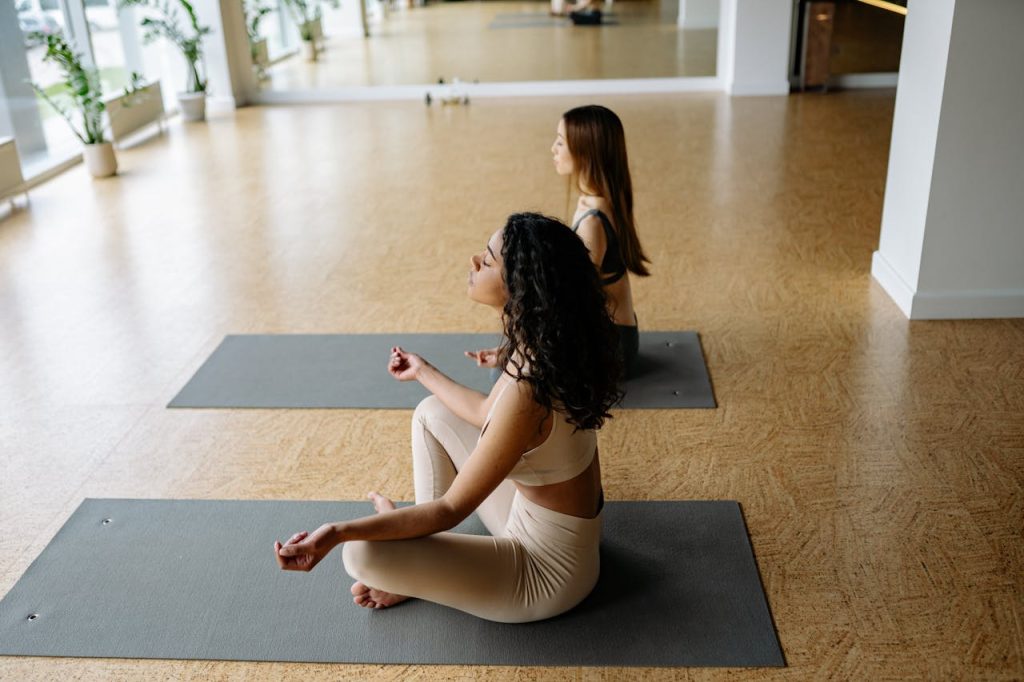
How to Build a Sustainable Daily Practice
Starting is easy. Staying consistent requires intention.
Here’s how:
Create a Routine
Meditate at the same time daily:
- Morning before checking your phone
- During lunch break
- Before bed
Start Small
Short sessions are more sustainable than long, overwhelming ones.
Track Your Progress
Use:
- A journal
- A calendar checkmark system
- A meditation app
Be Patient
Progress in meditation is subtle. Trust the process.
Why Professional Guidance Makes a Difference
While basic meditation instructions are powerful, guided support can accelerate your growth.
At Mindfulness Meditation Hub, we offer:
- Structured meditation instructions for all levels
- Guided sessions
- Educational resources
- Techniques for stress, overwhelm, and emotional clarity
- Support for building a long-term mindfulness habit
Professional guidance helps you:
- Avoid common mistakes
- Stay accountable
- Deepen your practice
- Integrate mindfulness into daily life
Bringing Meditation Into Daily Life
Meditation doesn’t stop when the timer ends.
You can practice mindfulness during:
- Walking
- Eating
- Driving
- Listening to someone
- Working
Simply bring full attention to the present moment.
These informal meditation instructions help turn mindfulness into a lifestyle rather than a task.
Final Thoughts: Start Today
Meditation doesn’t require perfection. It requires willingness.
With simple meditation instructions, a few minutes a day, and consistency, you can begin transforming your relationship with stress, focus, and emotional balance.
Remember:
- You don’t need to be “good” at meditation.
- You don’t need to empty your mind.
- You just need to show up.
If you’re ready to begin, explore our guided meditation instructions and structured programs at Mindfulness Meditation Hub. We’re here to support you every step of the way.
FAQs for Meditation Instructions for Beginners
What are meditation instructions for beginners?
Meditation instructions for beginners are simple, step-by-step guidelines that help new practitioners focus their attention, manage distractions, and build a consistent meditation habit. They typically include guidance on posture, breathing, duration, and how to handle wandering thoughts.
How long should I follow meditation instructions each day?
Most beginners benefit from following meditation instructions for 5 to 10 minutes daily. Consistency matters more than length. As your comfort grows, you can gradually extend your sessions to 15 or 20 minutes.
Do I need special equipment to follow meditation instructions?
No special equipment is required. You only need a quiet space and a comfortable seat. Some people prefer a cushion or chair for better posture, but meditation instructions can be followed anywhere.
What is the best time of day to practice meditation?
The best time to follow meditation instructions is whenever you can be consistent. Many people prefer early morning for mental clarity or evening to unwind before sleep.
What should I focus on during meditation?
Most meditation instructions recommend focusing on your breath. You can observe the sensation of air entering and leaving your nose or the rise and fall of your chest. The breath acts as your anchor to the present moment.
Is it normal for my mind to wander during meditation?
Yes, it is completely normal. All meditation instructions include guidance for handling wandering thoughts. The key is to gently notice the distraction and return your attention to your breath without judgment.
Can meditation instructions help reduce stress?
Yes, consistent practice following structured meditation instructions can help reduce stress, calm the nervous system, and improve emotional regulation over time.
How do I know if I’m meditating correctly?
If you are following the meditation instructions and gently returning your focus when distracted, you are meditating correctly. There is no perfect state you must achieve.
Should I meditate with my eyes open or closed?
Most meditation instructions suggest closing your eyes to reduce distractions. However, you may also keep a soft gaze downward if that feels more comfortable.
What posture is best for meditation?
The best posture is one that keeps your spine upright and your body relaxed. You can sit on a chair with your feet flat on the floor or cross-legged on a cushion. Comfort and alertness are key.
Can beginners use guided meditation instructions?
Yes, guided meditation instructions are highly recommended for beginners. They provide structure, reassurance, and help maintain focus during practice.
How long does it take to see benefits from meditation?
Some people notice benefits within a few sessions, such as improved calm or clarity. However, most meditation instructions emphasize consistent daily practice for several weeks to experience deeper results.
What if I feel restless while meditating?
Restlessness is common, especially for beginners. You can shorten your sessions, adjust your posture, or focus more deeply on your breathing while continuing to follow the meditation instructions.
Can meditation improve focus and concentration?
Yes, following meditation instructions regularly trains your attention. Over time, this strengthens concentration and improves mental clarity in daily life.
How can I build a consistent meditation habit?
To build consistency, choose a fixed time each day, start with short sessions, and follow structured meditation instructions. Tracking your progress and using guided support can also help maintain momentum.
Related Topics
- How to Practice Meditation: A Step-by-Step Guide for Beginners
- How Do I Start to Meditate? A Complete Beginner’s Guide
- What Do You Do When You Meditate? A Complete Guide
- How to Meditate Daily: A Simple Guide to Building a Lifelong
- Meditation Techniques for Anxiety | Calm Your Mind Naturally
- How to Meditate Effectively: A Step-by-Step Guide for Beginners
- Best Way to Meditate: A Complete Guide for Beginners and Experts
- Mind Success: Unlock Your Full Potential with Proven Techniques
- Stress Meditation: How Mindfulness Helps Reduce Stress
- What Do You Do When You Meditate? A Complete Guide
- Breathing Meditation Techniques for Beginners: A Complete Guide
- How to Meditate Daily: A Simple Guide to Building a Lifelong
- Grief Meditation: A Healing Practice for Emotional Recovery
- 5 Minute Meditation Scripts: Quick & Effective Guided Meditation
- Meditating at Home: Guide to Finding Peace and Balance
- Meditation and Sounds: Boost Mindfulness & Relaxation