
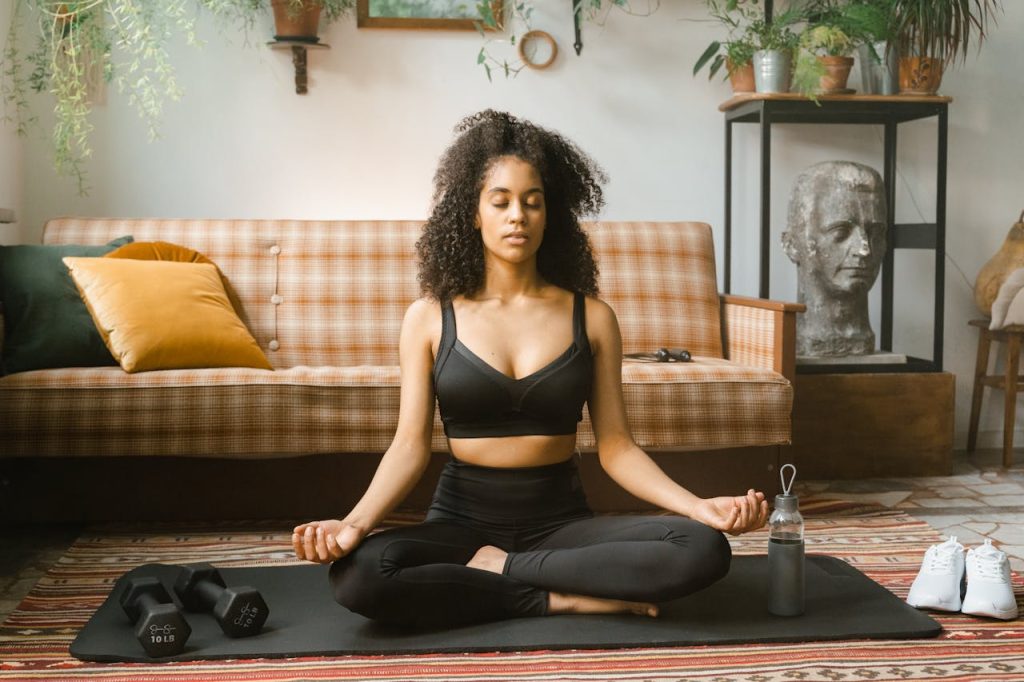
Discover the true meditation meaning, its history, types, and life-changing benefits. Learn how meditation can improve mental clarity, reduce stress, and enhance overall well-being.
Overview
In this blog post, readers will explore the meaning of meditation, its history, and practical benefits. We’ll cover the different types of meditation, how it affects the mind and body, and simple ways to incorporate it into daily life. By the end of this post, readers will understand the true purpose of meditation and be equipped to start or deepen their practice.
What is meditation? Exploring the Meditation Meaning
The term “meditation” often brings images of serene monks or quiet rooms to mind, but its meaning goes much deeper. At its core, meditation is the practice of training your mind to focus, relax, and achieve a state of mental clarity.
The meaning of meditation can be defined as
“A practice in which an individual uses techniques such as mindfulness, focusing the mind on a particular object, thought, or activity, to achieve mental clarity, emotional calm, and self-awareness.”
Meditation is not about emptying your mind or escaping reality. Instead, it is a tool for enhancing awareness, improving emotional balance, and fostering personal growth.
The History of Meditation
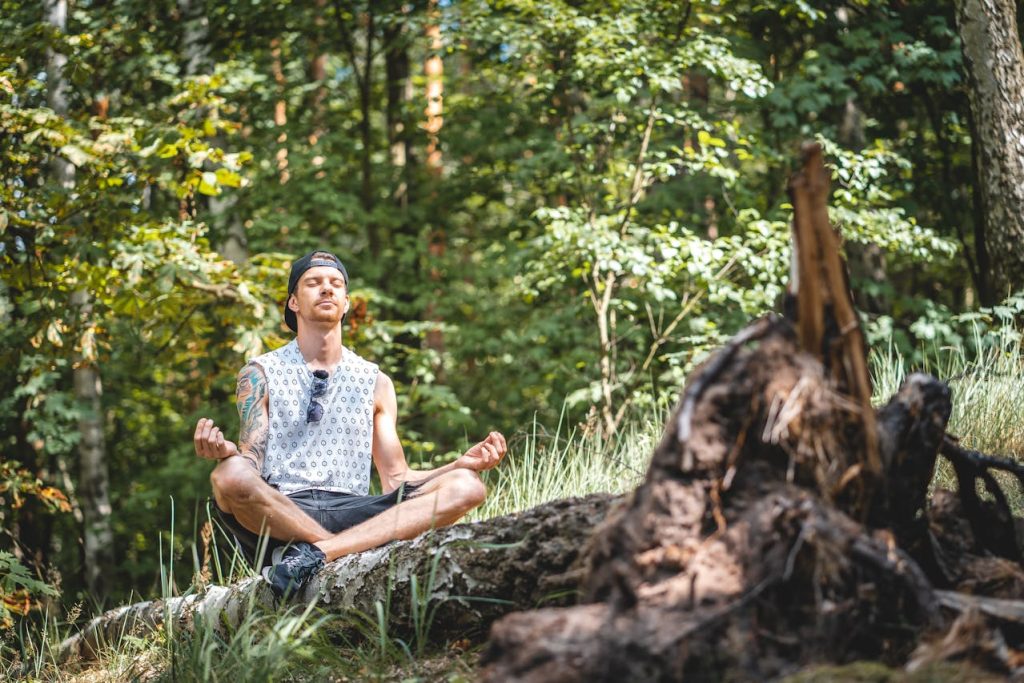
Meditation has been practiced for thousands of years across many cultures and religions. Its origins can be traced to:
- Ancient India: Meditation was integral to Hinduism and early Vedic practices, emphasizing mindfulness, breath control, and spiritual awakening.
- Buddhism: Meditation meaning in Buddhism focuses on mindfulness (Vipassana) and concentration (Samatha) to reach enlightenment.
- China and Taoism: Techniques like Taoist meditation use visualization and controlled breathing to balance life energy (Qi).
- Modern Practices: Today, meditation has evolved into secular forms that focus on stress relief, mental health, and personal development rather than spiritual goals.
Understanding the history of meditation helps us appreciate its deep cultural roots and how its meaning has evolved over time.
The True Meditation Meaning in Daily Life
While the historical context is important, the modern meditation meaning revolves around practical benefits in everyday life. Meditation is a method to:
- Calm the mind and reduce stress
- Improve focus and concentration
- Enhance emotional well-being and resilience
- Boost creativity and problem-solving abilities
- Foster mindfulness and self-awareness
Essentially, meditation is a bridge between mind and body, helping you navigate daily challenges with clarity and calmness.
Benefits of Meditation
The benefits of meditation extend far beyond relaxation. Research shows that regular practice can positively impact mental, emotional, and physical health:
Mental Benefits
- Reduces anxiety and depressive thoughts
- Increases attention span and focus
- Improves memory retention and cognitive function
Emotional Benefits
- Enhances self-awareness and emotional intelligence
- Helps manage stress and emotional triggers
- Promotes a sense of inner peace and contentment
Physical Benefits
- Lowers blood pressure and heart rate
- Improves sleep quality
- Boosts immune system function
These benefits highlight why meditation is more than a relaxation technique—it’s a holistic practice for mind, body, and spirit.
Different Types of Meditation
Understanding the meditation meaning also involves exploring the many ways you can practice it. Here are some of the most popular types:
1. Mindfulness Meditation
Focuses on observing thoughts, emotions, and sensations without judgment. It is widely used for stress reduction and emotional regulation.
2. Guided Meditation
Involves following a teacher or audio guide that leads you through visualizations or calming scenarios.
3. Mantra Meditation
Uses repeated words or sounds (mantras) to focus the mind and deepen meditation.
4. Loving-Kindness Meditation (Metta)
Centers on developing compassion and empathy for yourself and others.
5. Body Scan Meditation
Focuses attention on different parts of the body to release tension and increase bodily awareness.
6. Breath Awareness Meditation
Concentrates on breathing patterns to anchor the mind and achieve calmness.
Each type has unique benefits, but all share the core meditation meaning of cultivating mindfulness and inner awareness.
How to Start Meditating
For beginners, starting a meditation practice can feel intimidating, but it doesn’t have to be complicated. Here’s a simple approach:
- Choose a quiet space: Minimize distractions to focus your mind.
- Set a timer: Start with 5-10 minutes and gradually increase.
- Focus on your breath: Observe the inhale and exhale without forcing it.
- Acknowledge your thoughts: Don’t fight distractions; gently return to your focus.
- Be consistent: Daily practice is more effective than occasional long sessions.
Tip: Use guided meditation apps or online sessions to stay motivated, especially in the early stages.
Common Misconceptions About Meditation
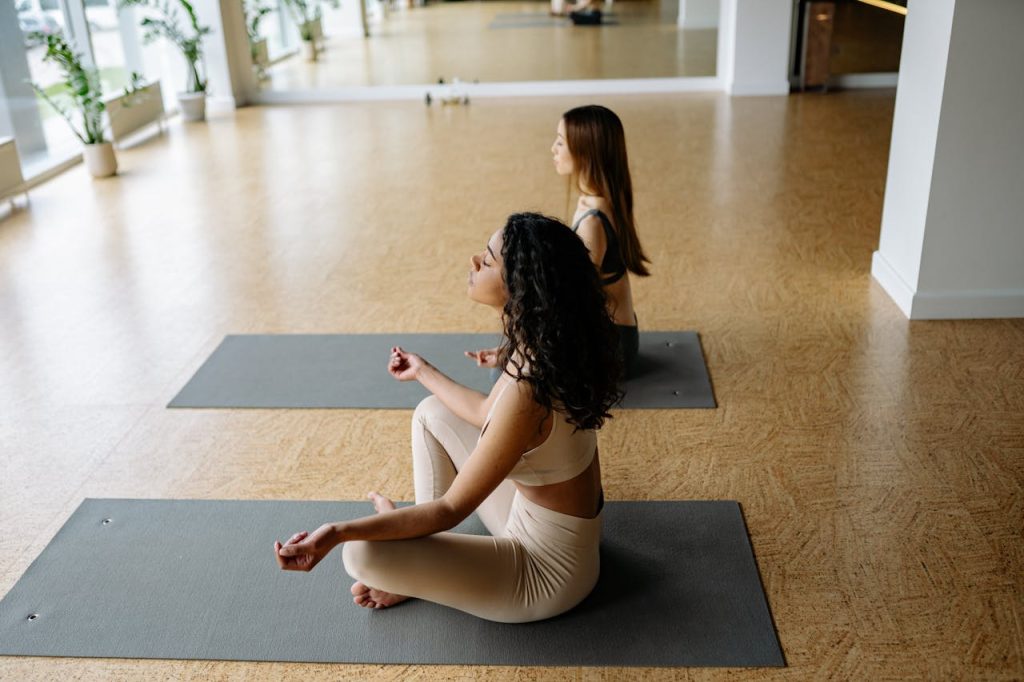
Understanding the true meditation meaning also means dispelling common myths:
- Myth 1: Meditation requires clearing your mind completely.
Truth: Meditation is about observing thoughts, not eliminating them. - Myth 2: Meditation is only for spiritual people.
Truth: Anyone can meditate, regardless of religious or spiritual beliefs. - Myth 3: You need hours of practice.
Truth: Even a few minutes a day can provide benefits.
Incorporating Meditation into Your Daily Life
The power of meditation comes through consistent practice. Here are ways to integrate meditation into your day:
- Morning routine: Start your day with 5-10 minutes of breath awareness.
- Work breaks: Practice mindfulness during short pauses to reduce stress.
- Evening wind-down: Use guided meditation or body scan before bed to improve sleep.
- Walking meditation: Focus on each step and breath while walking.
The key is to make meditation a natural part of your lifestyle rather than an occasional activity.
Meditation Meaning Beyond the Surface
At its core, the meditation meaning extends beyond relaxation techniques. It is:
- A path to self-awareness: Understanding your mind and emotions.
- A tool for personal growth: Enhancing focus, patience, and emotional resilience.
- A bridge between mind and body: Reducing stress and improving physical well-being.
- A daily practice for a balanced life: Cultivating mindfulness in every moment.
Meditation is both a skill and a lifestyle choice. Its true meaning is discovered through practice and reflection.
Final Thought
Meditation is a powerful tool that anyone can use to improve mental clarity, emotional balance, and physical health. By understanding the meditation meaning, you can appreciate it not just as a relaxation method but as a holistic approach to life.
Whether you choose mindfulness, guided meditation, or any other technique, the key is consistency and openness. Meditation is a lifelong practice that grows with you, offering inner peace, focus, and a deeper understanding of yourself.
FAQs for Meditation Meaning
What is the true meaning of meditation?
Meditation is the practice of training your mind to focus, relax, and achieve mental clarity, emotional calm, and self-awareness.
How does meditation benefit mental health?
Meditation reduces stress, anxiety, and depressive thoughts while improving focus, memory, and cognitive function.
What are the different types of meditation?
Popular types include mindfulness, guided, mantra, loving-kindness, body scan, and breath awareness meditation.
How long should I meditate each day?
Beginners can start with 5-10 minutes daily and gradually increase, aiming for consistency rather than duration.
Can anyone meditate regardless of religion?
Yes, meditation is a universal practice suitable for anyone, regardless of spiritual or religious beliefs.
Do I need to clear my mind completely to meditate?
No, meditation is about observing thoughts without judgment, not eliminating them.
What is mindfulness meditation?
Mindfulness meditation focuses on observing your thoughts, emotions, and sensations in the present moment without judgment.
How does guided meditation work?
Guided meditation uses a teacher or audio guide to lead you through visualizations or calming scenarios.
Can meditation improve sleep quality?
Yes, meditation techniques like body scan and breath awareness help relax the mind and body, improving sleep.
Is meditation effective for stress relief?
Absolutely, regular meditation reduces stress by promoting relaxation and increasing emotional resilience.
How soon will I see results from meditation?
Some benefits like calmness and focus can be noticed within a few days, but long-term results improve with consistent practice.
Can children practice meditation?
Yes, meditation can be adapted for children to improve focus, emotional regulation, and relaxation.
What is loving-kindness meditation?
Loving-kindness meditation, or Metta, focuses on cultivating compassion and empathy for yourself and others.
Can meditation boost physical health?
Yes, meditation lowers blood pressure, improves heart rate, and enhances immune function.
How do I start a meditation practice at home?
Find a quiet space, set a timer, focus on your breath, acknowledge distractions, and practice consistently, starting with 5-10 minutes daily.
Related Topics
- How to Practice Meditation: A Step-by-Step Guide for Beginners
- How Do I Start to Meditate? A Complete Beginner’s Guide
- What Do You Do When You Meditate? A Complete Guide
- How to Meditate Daily: A Simple Guide to Building a Lifelong
- Meditation Techniques for Anxiety | Calm Your Mind Naturally
- How to Meditate Effectively: A Step-by-Step Guide for Beginners
- Best Way to Meditate: A Complete Guide for Beginners and Experts
- Mind Success: Unlock Your Full Potential with Proven Techniques
- Stress Meditation: How Mindfulness Helps Reduce Stress
- What Do You Do When You Meditate? A Complete Guide
- Breathing Meditation Techniques for Beginners: A Complete Guide
- How to Meditate Daily: A Simple Guide to Building a Lifelong
- Grief Meditation: A Healing Practice for Emotional Recovery
- 5 Minute Meditation Scripts: Quick & Effective Guided Meditation
- Meditating at Home: Guide to Finding Peace and Balance
- Meditation and Sounds: Boost Mindfulness & Relaxation