
How to Meditate: A Step-by-Step Guide for Beginners
Note to Our Visitors
Welcome to our "How to Meditate" guide! Whether you're new to meditation or looking to improve your practice, this step-by-step guide will help you cultivate mindfulness, reduce stress, and enhance emotional well-being. Take your time with each step, and remember, meditation is a personal journey. With consistency and patience, you'll soon experience its positive benefits. Enjoy your journey to inner peace!
Happy meditating! 🌿✨
Table of Contents
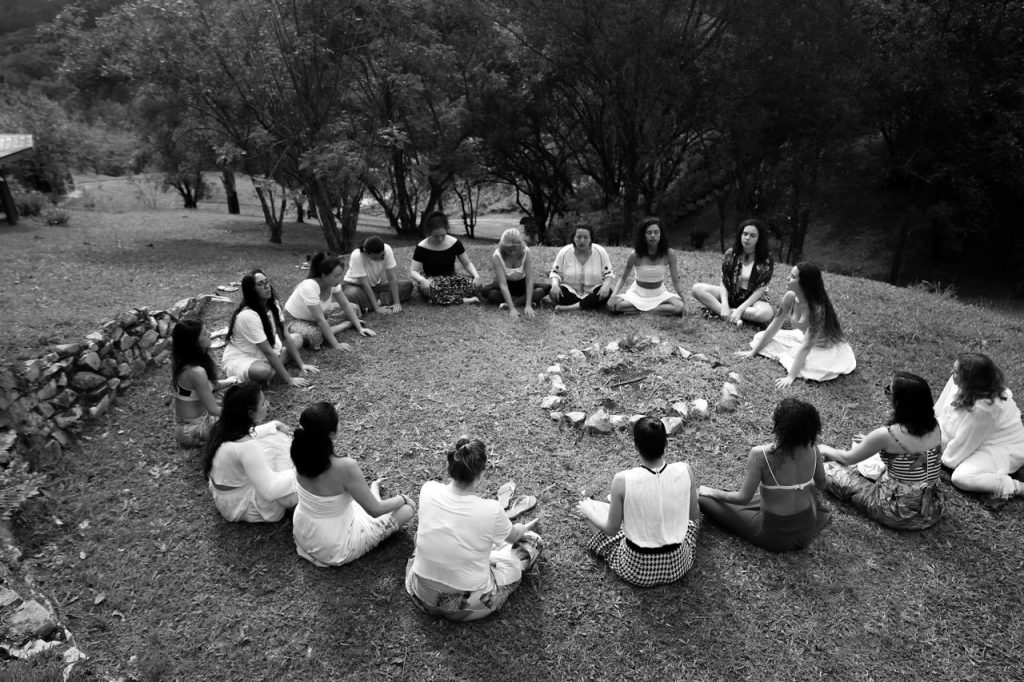
Learning how to meditate does not require special equipment, a perfect environment, or the ability to clear your mind completely. Meditation is a practice of paying attention to the present moment, often by focusing on your breathing, body sensations, sounds, or another point of attention.
If you’re wondering how to meditate for the first time, start small. A few quiet minutes can be enough to learn the basic technique. As you practice regularly, you can gradually increase the length of your sessions and explore different meditation styles.
This guide explains how to meditate step by step, how long to meditate, what to do when your mind wanders, and how to build a meditation practice that fits naturally into your daily life.
How to Meditate: The Quick Answer
For a simple beginner meditation:
- Find a comfortable, reasonably quiet place.
- Sit in a position that allows you to stay relaxed and alert.
- Set a timer for a few minutes.
- Close your eyes or soften your gaze.
- Bring your attention to your natural breathing.
- Notice when your mind wanders.
- Gently return your attention to your breath.
- Continue for the time you have chosen.
- When finished, slowly bring your attention back to your surroundings.
You do not need to stop your thoughts. The goal is not to have a completely empty mind. Noticing that your attention has wandered and bringing it back is an important part of meditation.
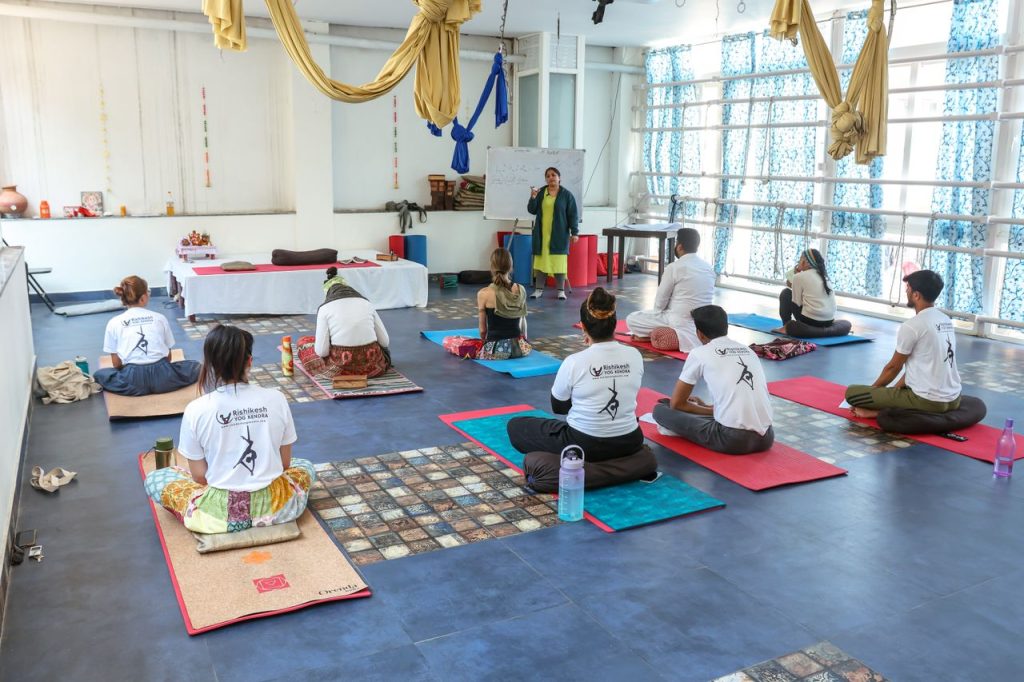
What Is Meditation?
Meditation is a practice that trains attention and awareness. Depending on the technique, you might focus on your breathing, bodily sensations, sounds, a repeated phrase, movement, or another object of attention.
Mindfulness meditation, for example, involves paying attention to the present moment and returning your awareness when your mind becomes distracted. The NHS describes mindfulness meditation as paying attention to thoughts, sounds, breathing sensations, or parts of the body and bringing attention back when the mind wanders.
There are many different ways to meditate, so you do not have to follow one particular posture or method. The best approach is one that you can practice comfortably and consistently.
How to Meditate Step by Step
1. Choose a Comfortable Place
Start somewhere you can sit without being disturbed for a few minutes.
You do not need a special meditation room. A quiet corner of your bedroom, living room, office, garden, or another comfortable location can work.
If you’re new to meditation, reducing distractions can make it easier to keep your attention on the practice.
Turn off unnecessary notifications and put your phone somewhere you won’t be tempted to check it.
2. Get Into a Comfortable Position
You do not have to sit cross-legged on the floor or use a lotus position.
You can meditate:
- Sitting on a chair
- Sitting on a cushion
- Sitting on the floor
- Kneeling
- Lying down
- Walking, depending on the meditation technique
Choose a position that allows you to remain comfortable and reasonably alert.
If you’re sitting in a chair, place your feet comfortably on the floor and allow your hands to rest naturally. Keep your spine comfortably upright without forcing your body into a rigid position.
Comfort is more important than looking like a traditional meditation practitioner.
3. Set a Timer
If you’re worried about checking the clock, set a timer before you begin.
If you’re completely new to meditation, try 3 to 5 minutes. Once that feels comfortable, you can experiment with 5, 10, or 15 minutes.
There is no need to force yourself into a long session immediately. Building a practice that you can maintain is more useful than making your first sessions unnecessarily difficult.
4. Relax Your Body
Before focusing on your breath, take a moment to notice your body.
Relax your shoulders.
Unclench your jaw.
Soften the muscles around your eyes.
Allow your hands to rest comfortably.
You don’t need to make your body perfectly relaxed. Simply notice where you are holding unnecessary tension and allow yourself to settle.
5. Focus on Your Breathing
Breath awareness is one of the simplest ways to learn how to meditate.
Allow your breathing to remain natural.
Notice the inhale.
Notice the exhale.
You might notice the movement of your chest or abdomen, the sensation of air moving through your nose, or another part of the breathing process that feels easy to observe.
You don’t need to breathe in a special way unless you’re deliberately practicing a breathing exercise.
Your job is simply to notice.
6. Notice When Your Mind Wanders
Sooner or later, your attention will move away from your breathing.
You may start thinking about:
- Work
- School
- Family
- Money
- Food
- Something that happened yesterday
- Something you need to do tomorrow
This is completely normal.
A wandering mind does not mean you’re bad at meditation.
When you realize you’ve become distracted, simply acknowledge it and return your attention to your breathing.
You may have to do this once, ten times, or hundreds of times.
Every time you notice the distraction and return your attention, you’re practicing.
7. Don’t Try to Stop Your Thoughts
One of the most common beginner mistakes is trying to force the mind to become completely blank.
That’s not necessary.
Instead of fighting your thoughts, notice them without getting caught up in them.
You might silently recognize:
“Thinking.”
Then gently return to your breath.
Think of your attention like a muscle. Each time it wanders and you calmly bring it back, you’re practicing directing your attention.
The NHS and Mayo Clinic both emphasize that a wandering mind is a normal part of meditation rather than a sign that you’re doing it incorrectly.
8. Finish Slowly
When your timer ends, don’t immediately jump up.
Take a few moments to notice your breathing and the sensations in your body.
Notice the sounds around you.
Then slowly open your eyes if they were closed.
Take one or two comfortable breaths before returning to your normal activities.

Try This 5-Minute Meditation
If you want to learn how to meditate by actually practicing, try this simple exercise.
Minute 1: Get Comfortable
Sit comfortably and allow your body to settle.
Notice the feeling of the surface supporting you.
Take a moment to become aware of your surroundings.
Minute 2: Notice Your Breathing
Bring your attention to your breath.
Notice each inhale and each exhale.
Don’t worry about changing your breathing.
Minute 3: Follow the Breath
Choose one sensation associated with breathing.
For example, notice the air moving through your nostrils.
Stay with that sensation as naturally as possible.
Minute 4: Notice Distractions
If a thought appears, don’t fight it.
Notice that your attention has wandered.
Then gently return to your breathing.
Minute 5: Finish
Continue following your breath for another minute.
When you’re ready, slowly bring your awareness back to the room.
Open your eyes and take a moment before getting up.
That’s it.
You’ve completed a meditation session.
How Long Should You Meditate?
If you’re a beginner, 3 to 5 minutes is a perfectly reasonable place to start.
As meditation becomes more familiar, you might increase your sessions to 10 or 15 minutes. Some people eventually practice for 20 minutes or longer.
There is no single meditation duration that works for everyone.
Mayo Clinic notes that beginners may start with sessions around 10 to 15 minutes, while the NHS emphasizes finding a routine that works for you.
The most important thing is to choose a duration you can maintain without making meditation feel like another stressful obligation.
How Often Should You Meditate?
For many beginners, practicing once a day is a simple way to establish a routine.
You could meditate:
- After waking up
- During a lunch break
- After work or school
- Before going to bed
- After exercising
- Whenever you have a few quiet minutes
Choose a time that fits naturally into your life.
If daily meditation isn’t realistic, start with several sessions a week and build from there.
Consistency is often easier when you connect meditation to something you already do every day, such as drinking your morning tea or brushing your teeth.
What Should You Think About While Meditating?
You don’t need to think about anything specific.
For a basic mindfulness meditation, you can use your breathing as your anchor—the place you repeatedly return your attention to.
You can also focus on:
- Sounds
- Body sensations
- A mantra
- A visual object
- Walking movements
- Feelings of kindness or compassion
If you’re practicing guided meditation, the instructor may give you specific things to notice.
What If I Can’t Stop Thinking During Meditation?
You don’t need to stop thinking.
Thoughts are a normal part of meditation.
The practice is not about eliminating every thought. Instead, you’re learning to notice where your attention goes and gently redirect it.
For example:
You notice your breath.
A thought about dinner appears.
You begin planning what to eat.
You realize you’re no longer paying attention to your breath.
You notice that you’ve been distracted.
You return to your breath.
That’s meditation.
Don’t criticize yourself when this happens. Simply begin again.
What If I Fall Asleep While Meditating?
Feeling sleepy can happen, especially if you’re tired or meditating while lying down.
If you frequently fall asleep:
- Try meditating earlier in the day.
- Sit upright instead of lying down.
- Choose a well-lit environment.
- Get enough sleep outside your meditation practice.
- Try a shorter session.
If your intention is specifically to relax before sleep, however, lying down may be appropriate.
Do You Have to Sit in the Lotus Position?
No.
You do not need to sit in the lotus position to meditate.
A chair, cushion, bench, floor, or even a standing position can work depending on the technique.
Choose a posture that is comfortable and allows you to remain attentive.
The NHS notes that beginners can sit on a chair, floor, or bed as long as the position is comfortable and supportive.
Can You Meditate Lying Down?
Yes.
Lying down can be appropriate for certain forms of meditation, including body scans and practices intended to help you relax.
The main challenge is that lying down can make it easier to fall asleep.
If you want to stay alert, sitting may be a better choice.
Can You Meditate With Your Eyes Open?
Yes.
Closing your eyes can reduce visual distractions, but it isn’t required.
You can keep your eyes slightly open and use a soft, relaxed gaze.
Choose whichever approach helps you remain comfortable and attentive.
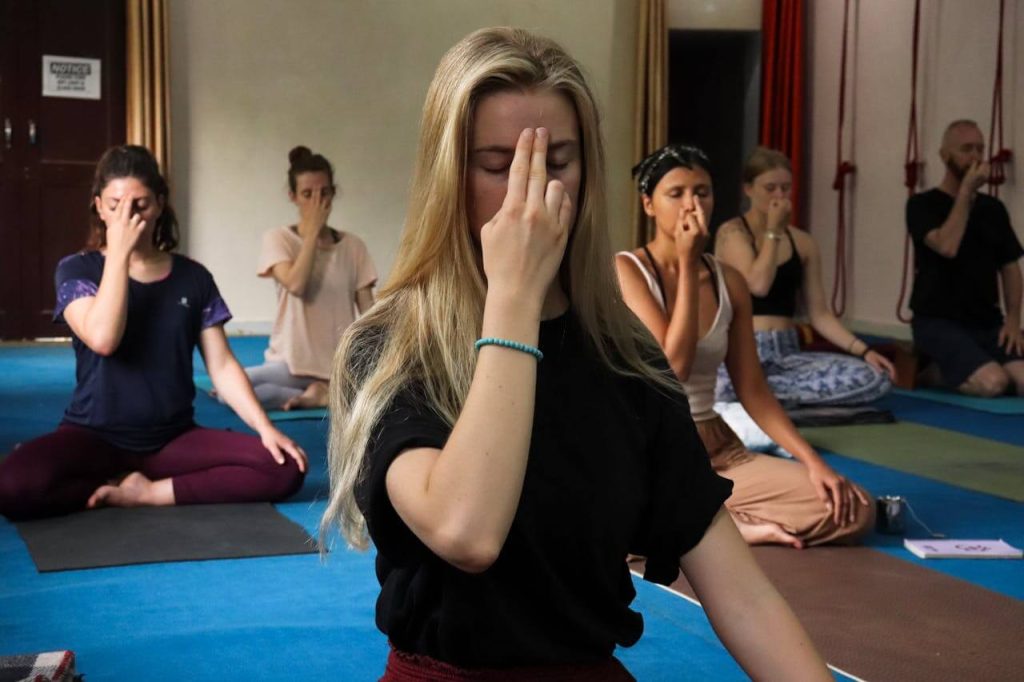
Different Types of Meditation
Once you understand the basic technique, you can explore different styles of meditation.
Mindfulness Meditation
Mindfulness meditation involves paying attention to the present moment with an open, nonjudgmental attitude.
You might focus on your breathing, sounds, body sensations, thoughts, or other experiences as they arise.
Breath Meditation
Breath meditation uses your breathing as the main object of attention.
It’s one of the simplest techniques for beginners because your breath is always available.
Body Scan Meditation
A body scan involves moving your attention gradually through different areas of your body.
You might notice sensations such as pressure, warmth, tension, tingling, or relaxation without trying to change them.
Loving-Kindness Meditation
Loving-kindness meditation, sometimes called Metta meditation, focuses on cultivating feelings of kindness and compassion toward yourself and others.
A common practice involves silently repeating phrases expressing goodwill.
Guided Meditation
In guided meditation, a teacher or recording provides instructions throughout the practice.
This can be useful if you’re unsure what to do when you’re meditating on your own.
Walking Meditation
Walking meditation combines awareness with movement.
Instead of sitting still, you pay attention to the physical sensations and movements involved in walking.
Mantra Meditation
Mantra meditation uses a repeated word, sound, or phrase as an anchor for attention.
Repeating the phrase can provide the mind with a simple point of focus.
How to Meditate at Home
You don’t need a dedicated meditation room.
Choose a place where you can sit comfortably and remain undisturbed for a few minutes.
Keep the setup simple.
You might use:
- A chair
- A cushion
- A yoga mat
- A blanket
- A timer
You don’t need expensive equipment.
As your practice develops, you may discover that you can meditate in many different environments.
How to Meditate Before Sleep
If your goal is to relax before bed, try a gentle practice focused on your breathing or body sensations.
Lie down comfortably or sit somewhere quiet.
Slowly bring your attention to your body.
Notice areas of tension without trying to force them to relax.
Then notice your breathing.
Allow your attention to rest on each inhale and exhale.
If thoughts about tomorrow appear, acknowledge them and gently return to your breathing.
Avoid turning the practice into another task you need to perform perfectly.
Common Meditation Mistakes Beginners Make
Trying to Clear Your Mind
You don’t have to eliminate thoughts.
Notice them and return your attention to your chosen anchor.
Starting With Sessions That Are Too Long
A 5-minute practice you actually maintain is more useful than an hour-long session you quickly abandon.
Judging Yourself
Some sessions will feel calm.
Others will feel restless.
Both are normal experiences.
Forcing Your Breathing
For basic breath awareness, allow your breathing to remain natural.
Expecting Immediate Results
Meditation is a skill that develops with practice.
Give yourself time to become familiar with it.
How to Make Meditation a Daily Habit
A simple routine can make meditation easier to maintain.
Try these strategies:
Start small. Begin with a few minutes rather than setting an intimidating goal.
Choose a consistent time. Attach meditation to an existing part of your routine.
Keep your setup simple. You don’t need special equipment.
Use reminders. A calendar reminder can help you remember.
Don’t aim for perfection. Missing a session doesn’t mean you’ve failed. Return to your practice the next day.
Experiment. Try different meditation techniques to discover what you enjoy.
Meditation can become easier to maintain when it feels like a normal part of your routine rather than another task on your to-do list.
What Are the Benefits of Meditation?
Research suggests that meditation and mindfulness practices may help with stress and aspects of mental well-being. Some people also find meditation helpful for relaxation, attention, sleep, and emotional awareness.
However, meditation isn’t a cure-all, and research doesn’t support treating every health condition with meditation alone.
The NHS notes that mindfulness can help with stress, anxiety, and depression for some people, while also recognizing that mindfulness isn’t suitable or helpful for everyone.
If you have a mental or physical health condition, meditation should not replace professional medical care or treatment recommended by a qualified healthcare professional.
Is Meditation Safe for Everyone?
Meditation is generally considered low risk, but it isn’t necessarily comfortable or helpful for everyone.
Some people may experience increased anxiety, difficult emotions, or other uncomfortable reactions during meditation. Mayo Clinic also notes that more research is needed to understand potential negative effects for some people.
If meditation consistently makes you feel worse, stop the practice and consider speaking with a qualified healthcare professional.
Related Topics
- How Do I Start to Meditate? A Complete Beginner’s Guide
- What Do You Do When You Meditate? A Complete Guide
- How to Meditate Daily: A Simple Guide to Building a Lifelong
- Meditation Techniques for Anxiety | Calm Your Mind Naturally
- Best Way to Meditate: A Complete Guide for Beginners and Experts
- Mind Success: Unlock Your Full Potential with Proven Techniques
- Stress Meditation: How Mindfulness Helps Reduce Stress
- What Do You Do When You Meditate? A Complete Guide
- Breathing Meditation Techniques for Beginners: A Complete Guide
- Grief Meditation: A Healing Practice for Emotional Recovery
- 5 Minute Meditation Scripts: Quick & Effective Guided Meditation
- Meditating at Home: Guide to Finding Peace and Balance
- Meditation and Sounds: Boost Mindfulness & Relaxation

Meditation FAQs
Everything You Need to Know to Get Started
Some benefits, like immediate stress reduction, can be experienced right after a session, while others, like improved focus, may take weeks of consistent practice to develop fully.
Start with 3 to 5 minutes if that feels manageable. You can gradually increase the duration as you become more comfortable.
Your breathing is one of the simplest anchors. You can also focus on body sensations, sounds, a mantra, walking, or another chosen object of attention.
Yes. Mind wandering is normal. Each time you notice your attention has wandered and return to your meditation object, you're practicing.
Yes. You can meditate in bed, especially when practicing relaxation or a body scan. However, sitting upright may make it easier to stay awake.
No. You can meditate with nothing more than a comfortable place to sit and a few uninterrupted minutes.
They are related but not identical. Meditation is a formal practice that can train attention and awareness, while mindfulness generally refers to intentionally paying attention to present-moment experience. Mindfulness can also be practiced during everyday activities.
The best time is one that fits your schedule and allows you to practice consistently. Some people prefer the morning, while others prefer the evening or another quiet period during the day.
Some people feel calmer or more relaxed after a session, while changes associated with a regular practice can take longer. Avoid judging your progress based on a single meditation session.
You don't need to wait until you have the perfect meditation space, the perfect posture, or a completely quiet mind.
Find a comfortable place.
Set a timer for a few minutes.
Notice your breathing.
When your attention wanders, gently return.
Then begin again.
That's the basic practice.
With regular practice, you can explore different meditation techniques and discover which approaches work best for you.
The goal isn't to become perfect at meditation.
The goal is to practice paying attention, one moment at a time.
Sources and Further Reading
For evidence-based information about meditation and mindfulness, consult resources from organizations such as Mayo Clinic and the UK's National Health Service (NHS).
- Home
- Getting Started with Meditation
- Explore Powerful Meditation Methods
- A Beginner’s Guide to Inner Peace
- Why Meditation Can Transform Your Life
- Mindfulness & Meditation Resources
- 10-Minute Anxiety Meditation You Need in Your Daily Routine
Retreats
Top 5 Meditation Sites You Need to Know for Inner Peace and Focus
🧘♂️ 1. Headspace
Website: www.headspace.com
- One of the most popular platforms for guided meditation and mindfulness.
- Offers structured programs for stress, sleep, focus, and anxiety.
- Includes a user-friendly app with animations and expert tips.
🧘♀️ 2. Calm
Website: www.calm.com
- Known for its soothing interface and soundscapes.
- It offers sleep stories, breathing exercises, and meditation tracks.
- Ideal for both beginners and advanced users.
🧘 3. Insight Timer
Website: www.insighttimer.com
- It offers the world's most extensive free library of guided meditations.
- It features thousands of teachers, live sessions, and music for mindfulness.
- Great for variety and exploring different meditation styles.
🧘♂️ 4. The Chopra Center
Website: www.chopra.com
- Founded by Deepak Chopra, this site blends meditation with Ayurvedic wellness.
- Offers guided sessions, spiritual growth content, and wellness courses.
- Well-respected in both scientific and spiritual wellness circles.
🧘♀️ 5. UCLA Mindful Awareness Research Center
Website: www.uclahealth.org/marc
- A research-based meditation resource from UCLA.
- Offers free guided meditations and mindfulness classes.
- It is backed by neuroscience and is ideal for users looking for evidence-based mindfulness.