
Discover the power of meditation on gratitude and learn how to build a daily practice that reduces stress, improves mental clarity, and boosts happiness. Beginner-friendly guide.
Overview
In this blog post, you will discover how the meditation of gratitude can completely transform your mindset, emotional well-being, and daily life. You’ll learn:
- What the meditation of gratitude is and why it works
- The science-backed benefits of practising gratitude
- Step-by-step instructions to start your own practice
- Simple techniques you can use every day
- Common mistakes to avoid
- How to build a consistent gratitude meditation routine
By the end of this guide, you’ll have everything you need to confidently practise the meditation of gratitude and make it a powerful part of your daily life.
What Is Meditation of Gratitude?
The meditation of gratitude is a mindfulness practice that focuses on intentionally recognising and appreciating the positive aspects of your life. Instead of dwelling on stress, lack, or negativity, this practice trains your mind to notice abundance, joy, and meaning.
Unlike general meditation, which often emphasises breath awareness or thought observation, the meditation of gratitude specifically directs your attention toward thankfulness.
Why It Matters
In today’s fast-paced world, it’s easy to focus on what’s missing rather than what’s present. Gratitude meditation shifts that perspective, helping you
- Feel more content with what you have
- Reduce anxiety and stress
- Improve emotional resilience
The Science Behind Meditation of Gratitude
Research in positive psychology shows that gratitude practices can significantly improve mental health. When you engage in the meditation of gratitude, your brain begins to rewire itself.
Key Benefits Backed by Science
- Improved mood: Gratitude increases dopamine and serotonin levels.
- Reduced stress: Lowers cortisol (stress hormone)
- Better sleep: Helps calm racing thoughts before bedtime
- Stronger relationships: Encourages appreciation for others
- Enhanced focus: Trains the mind to stay present
Practising the meditation of gratitude regularly can create long-term positive changes in how your brain processes emotions.
How to Practise Meditation of Gratitude (Step-by-Step Guide)
Starting a meditation and gratitude practice doesn’t require any special tools or experience. Here’s a simple method anyone can follow:
Step 1: Find a Quiet Space
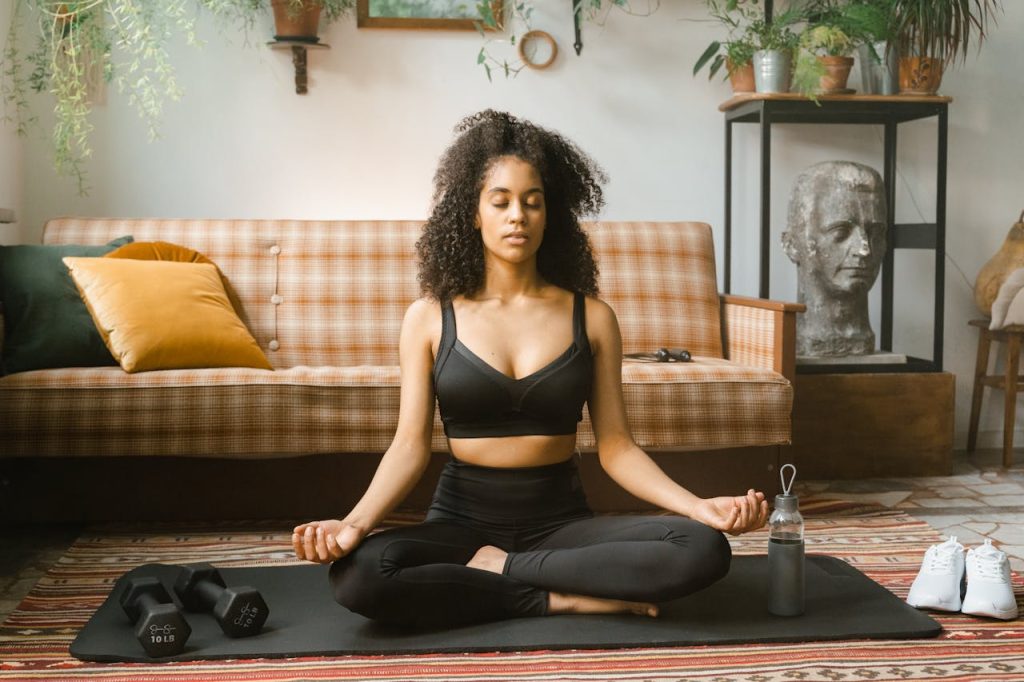
Choose a calm environment where you won’t be disturbed. Sit comfortably with your back straight.
Step 2: Focus on Your Breath
Close your eyes and take slow, deep breaths. Let your body relax.
Step 3: Bring Gratitude to Mind
Think of 3–5 things you’re grateful for. These can be simple, such as:
- Your health
- A supportive friend
- A peaceful moment in your day
Step 4: Feel the Emotion
Don’t just think about gratitude—feel it. Let the appreciation fill your body.
Step 5: Expand Your Awareness
Gradually extend your gratitude to:
- People in your life
- Opportunities you’ve received
- Even challenges that helped you grow
Step 6: Close Gently
Take a few deep breaths and slowly open your eyes.
Practising the meditation of gratitude for just 5–10 minutes daily can make a noticeable difference.
Simple Techniques to Deepen Your Gratitude Meditation
To make your meditation of gratitude more powerful, you can incorporate different techniques.
1. Gratitude Visualisation
Imagine a moment or person you’re grateful for in vivid detail.
2. Gratitude Journaling After Meditation
Write down what came up during your session.
3. Body Gratitude Scan
Focus on different parts of your body and thank each one for its function.
4. Loving-Kindness Integration
Combine gratitude with positive wishes for others.
These variations keep your meditation of gratitude fresh and engaging.
Common Mistakes to Avoid
While the meditation of gratitude is simple, beginners often make a few mistakes:
Forcing Gratitude
If you’re not feeling it, don’t fake it. Start small and be genuine.
Rushing the Practice
Take your time to truly feel appreciation.
Being Too General
Instead of saying “I’m grateful for everything”, focus on specific moments or people.
Inconsistency
Like any habit, results come with regular practice.
Avoiding these pitfalls will help you get the most out of your meditation of gratitude.
How Meditation on Gratitude Improves Daily Life
The benefits of the meditation of gratitude extend far beyond your meditation sessions.
Emotional Benefits
Mental Benefits
Social Benefits
- Stronger relationships
- More empathy and compassion
- Better communication
By practising the meditation of gratitude, you start to see the world through a more positive and meaningful lens.
Building a Daily Gratitude Meditation Routine
Consistency is key to unlocking the full power of the meditation of gratitude.
Tips to Stay Consistent
- Start small: Begin with 5 minutes a day
- Pick a fixed time: morning or before bed works best
- Create a ritual: light a candle or play calming music
- Track progress: Keep a gratitude journal
Suggested Routine
Morning:
- 5-minute meditation of gratitude
- Set a positive intention for the day
Evening:
- Reflect on 3 things you’re grateful for
- End your day with calm awareness
With consistency, the meditation of gratitude becomes a natural part of your lifestyle.
Who Should Practise Meditation of Gratitude?
The beauty of the meditation of gratitude is that it’s suitable for everyone.
Ideal for:
- Beginners in meditation
- People dealing with stress or anxiety
- Anyone seeking personal growth
- Individuals wanting more positivity in life
No matter your experience level, the meditation of gratitude is an accessible and powerful tool.
Final Thoughts
The meditation of gratitude is more than just a feel-good practice—it’s a life-changing habit. By shifting your focus from what’s missing to what’s present, you create space for joy, peace, and fulfilment.
In a world filled with distractions and stress, taking a few minutes each day to practise gratitude can ground you, uplift your mood, and improve your overall well-being.
Start small, stay consistent, and allow the meditation of gratitude to transform your perspective—one breath at a time.
FAQs for Meditation of Gratitude
What is meditation of gratitude?
Meditation of gratitude is a mindfulness practice where you intentionally focus on things you are thankful for, helping shift your mindset toward positivity and emotional balance.
How does meditation of gratitude work?
It works by training your brain to notice positive experiences and emotions, which can rewire thought patterns and reduce negativity over time.
How long should I practice meditation of gratitude daily?
You can start with just 5–10 minutes a day and gradually increase the duration as you become more comfortable with the practice.
Can beginners try meditation of gratitude?
Yes, meditation of gratitude is beginner-friendly and does not require any prior meditation experience.
What are the benefits of meditation of gratitude?
It helps improve mood, reduce stress, enhance focus, boost emotional well-being, and promote better relationships.
Is meditation of gratitude the same as mindfulness meditation?
While both are similar, meditation of gratitude specifically focuses on appreciation, whereas mindfulness meditation emphasizes awareness of the present moment.
When is the best time to practice meditation of gratitude?
The best time is either in the morning to start your day positively or at night to reflect and unwind before sleep.
Can meditation of gratitude help with anxiety?
Yes, it can help reduce anxiety by shifting your focus away from worries and toward positive aspects of life.
Do I need any tools for meditation of gratitude?
No, you don’t need any tools. However, a quiet space or a journal can enhance your experience.
How is meditation of gratitude different from gratitude journaling?
Meditation of gratitude focuses on mental awareness and emotional feeling, while journaling involves writing down what you’re grateful for.
Can I combine meditation of gratitude with other meditation techniques?
Yes, you can combine it with breathing exercises, body scans, or loving-kindness meditation for deeper benefits.
What should I focus on during meditation of gratitude?
Focus on specific people, experiences, or aspects of your life that genuinely make you feel thankful.
How long does it take to see results from meditation of gratitude?
Many people notice a positive shift in mood within a few days, but lasting benefits come with consistent practice over weeks.
Can children practice meditation of gratitude?
Yes, it is simple and effective for children, helping them develop a positive mindset and emotional awareness.
What if I don’t feel grateful during the meditation?
That’s normal. Start with small things and be patient—gratitude grows naturally with consistent practice.
Related Topics
- How to Practice Meditation: A Step-by-Step Guide for Beginners
- How Do I Start to Meditate? A Complete Beginner’s Guide
- What Do You Do When You Meditate? A Complete Guide
- How to Meditate Daily: A Simple Guide to Building a Lifelong
- Meditation Techniques for Anxiety | Calm Your Mind Naturally
- How to Meditate Effectively: A Step-by-Step Guide for Beginners
- Best Way to Meditate: A Complete Guide for Beginners and Experts
- Mind Success: Unlock Your Full Potential with Proven Techniques
- Stress Meditation: How Mindfulness Helps Reduce Stress
- What Do You Do When You Meditate? A Complete Guide
- Breathing Meditation Techniques for Beginners: A Complete Guide
- How to Meditate Daily: A Simple Guide to Building a Lifelong
- Grief Meditation: A Healing Practice for Emotional Recovery
- 5 Minute Meditation Scripts: Quick & Effective Guided Meditation
- Meditating at Home: Guide to Finding Peace and Balance
- Meditation and Sounds: Boost Mindfulness & Relaxation