

Discover the benefits of meditation on the mind, how it improves clarity, reduces stress, and enhances awareness. Learn techniques, steps, and expert guidance to deepen your mindfulness practice. Perfect for beginners and advanced meditators.
Overview
In this in-depth blog post, you will learn:
- What meditation on mind truly means and why it matters
- How meditation rewires your brain and improves mental clarity
- Step-by-step methods to practice meditation on the mind effectively
- The science-backed benefits of mindful awareness
- Common mistakes people make and how to avoid them
- Why guided meditation is one of the fastest ways to grow your practice
- How our service can support your journey with expert-led mindfulness
By the end of this article, you will fully understand how meditation on mind can help you lead a calmer, clearer, and more intentional life.
Meditation on Mind: A Complete Guide to Transforming Your Mental Wellness
In a fast-paced world full of distractions, finding inner peace can feel nearly impossible. Yet one of the most powerful tools for achieving calm, mental clarity, and emotional balance is also one of the simplest: meditation on mind. This practice centers your awareness, trains your mind to become steady, and reconnects you with your inner stillness.
Whether you’re a beginner or someone who has tried meditation before, understanding how to practice meditation on the mind properly can be life-changing. And because we offer professional meditation guidance, we’re here to help you build a powerful practice that supports your long-term mental well-being.

What Is Meditation on Mind?
At its core, meditation on mind is a mindfulness-based practice that teaches you to observe your thoughts without judgment. Instead of being controlled by constant mental chatter, you learn to become aware of your thoughts as passing events.
In simple terms, meditation on mind helps you:
- Notice your thoughts
- Release mental pressure
- Improve concentration
- Develop emotional intelligence
- Experience more calm and clarity
Unlike general relaxation techniques, meditation on mind focuses specifically on training your awareness. This makes it both deeply powerful and universally accessible.
Why Meditation on Mind Matters More Than Ever
In today’s digital world, our minds are overloaded. Constant notifications, social media, work pressure, and emotional responsibilities can leave us mentally exhausted. Practicing meditation on the mind strengthens your ability to remain centered even in the middle of chaos.
Key reasons this practice is essential today include:
- Rising stress and anxiety levels
- Increased mental fatigue
- Lack of emotional regulation
- Shortened attention spans due to technology
- A growing desire for inner peace and real fulfillment
Meditation reconnects you with your inner world—something most people unintentionally neglect.
The Science Behind Meditation on Mind
Modern research consistently supports the benefits of meditation. When you practice meditation on the mind regularly, the brain undergoes measurable changes.
According to neuroscience, meditation can:
- Increase gray matter in areas linked to emotional regulation
- Strengthen neural pathways responsible for focus
- Reduce activity in the “default mode network” (mind-wandering system)
- Lower cortisol levels (the stress hormone)
- Improve overall cognitive function
These changes directly enhance concentration, mood, and emotional balance.
How to Practice Meditation on Mind: Step-by-Step Guide
Practicing meditation on the mind is simpler than most people realize. You don’t need special equipment or years of experience. All you need is consistency.
Below are the steps to begin your daily practice.
Step 1: Prepare Your Space
Choose a quiet space where you won’t be disturbed for 5–15 minutes.
Ideal conditions:
- A comfortable seated position
- Your phone on silent
- A calm environment
- Soft natural light
This helps your mind settle naturally.
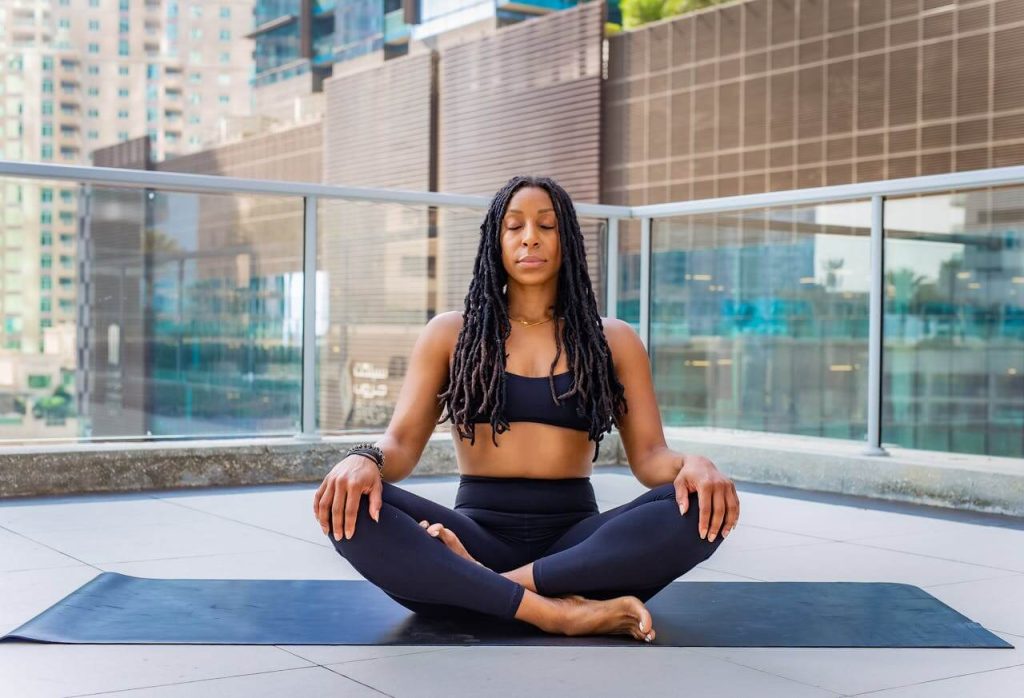
Step 2: Sit Comfortably
You can sit on a chair, cushion, or yoga mat. Keep your spine straight but relaxed.
Focus on:
- Relaxed shoulders
- Gentle breathing
- Hands resting naturally
Good posture helps your mind stay alert yet calm.
Step 3: Begin With Breath Awareness
Close your eyes and shift your attention to your breathing.
Feel:
- The air entering your nose
- Your stomach rising
- Your exhale softening
This anchors your awareness.
Step 4: Observe Your Thoughts
As thoughts arise (and they will), simply notice them.
Tell yourself:
“This is just a thought.”
Avoid:
- Pushing thoughts away
- Judging your mind
- Getting frustrated
Meditation on mind is about observation—not control.
Step 5: Return to Your Breath
Every time you drift, gently return your awareness to the breath. This simple act strengthens mental discipline.
Step 6: Close With Gratitude
End your session by acknowledging your effort.
Even 5 minutes of meditation on the mind is progress.
Benefits of Practicing Meditation on the Mind
Meditation impacts people differently, but most experience life-changing improvements within weeks.
Major benefits include:
1. Reduced Stress and Anxiety
Meditation lowers cortisol and calms the nervous system.
2. Improved Focus and Clarity
Mental clutter clears, making it easier to think and make decisions.
3. Emotional Balance
You respond—not react—to stressful situations.
4. Better Sleep
Meditation on the mind helps release tension and quiet nighttime overthinking.
5. Increased Self-Awareness
You gain a deeper understanding of your patterns, habits, and emotions.
6. Stronger Resilience
You become less affected by external negativity or pressure.
7. Greater Inner Peace
Regular practice builds a lasting sense of calm and stability.
Common Mistakes When Practicing Meditation on Mind
Many beginners struggle not because meditation is hard, but because expectations are unrealistic.
Avoid these common mistakes:
- Expecting a silent mind immediately
- Trying too hard to “stop thinking”
- Meditating only when stressed
- Being inconsistent
- Judging your progress
- Believing it’s not working after a few sessions
Remember—meditation is a training, not a performance.
Why Guided Meditation Helps You Progress Faster
While self-practice is powerful, guided sessions often lead to deeper results. Because we offer this service, you can access structured guidance designed to accelerate your growth.
Benefits of guided meditation include:
- Professional instruction
- Clear direction and focus
- Consistency and motivation
- Custom techniques for your needs
- Emotional support during your journey
Guided meditation especially benefits beginners who want to learn proper methods from day one.
How Often Should You Practice Meditation on Mind?
For best results:
- Start with 5–10 minutes per day
- Increase gradually to 15–20 minutes
- Practice at the same time each day
- Be consistent—even short sessions matter.
Meditation works like physical exercise: consistency builds strength.
How Our Meditation Service Supports Your Journey
Because we provide expert mindfulness guidance, you can experience deeper transformation through our sessions.
Our services include:
- Personalized meditation on mind sessions
- Guided mindfulness for stress and anxiety
- Breathwork and awareness training
- Meditations for focus, clarity, and emotional healing
- Beginner-friendly coaching
- Support for long-term mindfulness practices
We blend tradition, science, and compassion to help you build a sustainable meditation routine.
Final Thought: Meditation on Mind Can Transform Your Life
Meditation on mind is one of the most accessible and effective tools for enhancing mental clarity, emotional balance, and inner peace. Whether you’re seeking better focus, lower stress, or a deeper connection to yourself, this practice can guide you toward transformation.
By understanding the principles, following the steps, and receiving professional guidance, you can unlock a calmer, more intentional version of yourself.
If you’re ready to start or deepen your practice, we are here to support you every step of the way.
FAQs for Meditation on Mind
What is meditation on mind?
Meditation on mind is a mindfulness practice that focuses on observing thoughts, emotions, and mental activity without judgment. It helps increase clarity, calmness, and awareness.
How often should I practice meditation on mind?
For best results, practice 5–20 minutes daily. Consistency is more important than session length.
Can beginners practice meditation on mind?
Yes. Meditation on mind is beginner-friendly and accessible to anyone willing to observe their thoughts patiently.
What are the main benefits of meditation on mind?
Benefits include reduced stress, improved focus, better emotional balance, deeper self-awareness, and overall mental clarity.
Do I need a quiet room to meditate?
A quiet space helps, but it’s not required. With practice, you can meditate almost anywhere, even in mildly noisy environments.
Can meditation on mind reduce anxiety?
Yes. It helps calm the nervous system, reduces overthinking, and improves emotional regulation, all of which help manage anxiety.
How long before I notice results from meditation?
Most people begin feeling calmer within a week, with deeper benefits appearing after a few weeks of consistent practice.
What equipment do I need for meditation on mind?
You don’t need any equipment. A comfortable seat and a few minutes of quiet time are enough.
Should I stop my thoughts during meditation?
No. The goal is not to stop thoughts but to observe them without reacting or attaching to them.
Is guided meditation better than self-meditation?
Guided meditation is especially helpful for beginners because it provides structure, focus, and direction.
Can meditation on mind improve sleep?
Yes. It relaxes the mind, reduces stress, and helps quiet mental chatter, making it easier to fall asleep.
How do I know if I’m meditating correctly?
If you are observing your thoughts, returning to your breath, and practicing consistently—you’re meditating correctly.
What time of day is best for meditation on mind?
Morning is ideal for clarity, but anytime works. Choose a time when you can be consistent daily.
Can meditation on mind help with emotional healing?
Yes. It increases awareness, helps you process emotions, and strengthens emotional resilience.
Do you offer guided meditation services to help beginners?
Yes. We offer personalized meditation on mind sessions designed to support beginners and advanced meditators in their journey.
Related Topics
- How to Practice Meditation: A Step-by-Step Guide for Beginners
- How Do I Start to Meditate? A Complete Beginner’s Guide
- What Do You Do When You Meditate? A Complete Guide
- How to Meditate Daily: A Simple Guide to Building a Lifelong
- Meditation Techniques for Anxiety | Calm Your Mind Naturally
- How to Meditate Effectively: A Step-by-Step Guide for Beginners
- Best Way to Meditate: A Complete Guide for Beginners and Experts
- Mind Success: Unlock Your Full Potential with Proven Techniques
- Stress Meditation: How Mindfulness Helps Reduce Stress
- What Do You Do When You Meditate? A Complete Guide
- Breathing Meditation Techniques for Beginners: A Complete Guide
- How to Meditate Daily: A Simple Guide to Building a Lifelong
- Grief Meditation: A Healing Practice for Emotional Recovery
- 5 Minute Meditation Scripts: Quick & Effective Guided Meditation
- Meditating at Home: Guide to Finding Peace and Balance
- Meditation and Sounds: Boost Mindfulness & Relaxation